
Composting using Indigenous Microorganism (IMO)
Type: Technologies
Creation: 2016-03-28 14:38 Updated: 2019-09-05 15:52
Compilers: Philippine Overview of Conservation Approaches and Technologies
Reviewers: Fabian Ottiger, Alexandra Gavilano
Country/ region/ locations where the Technology has been applied and which are covered by this assessment
- Country: Philippines
- Region/ State/ Province: La Trinidad, Benguet
- Map: View Map
Description of the SLM Technology
Short description of the Technology
Composting is the natural process of decomposition of organic matter by microorganisms under controlled conditions.
Detailed description of the Technology
Composting is the decomposition of grass and weeds as fertilizer with the aid of indigenous microorganisms (IMO). This technology is practiced to produce compost used in the farm. Compost is a rich source of organic matter which improves soil tilth. Its decomposition slowly release available nutrients for plant uptake.Material used in the production are weeds and bio waste available in the farm which include Agetarum houstonianum, Dentella repens, Setaria palmifolia, Ipomea aquatica, Echinochloa crusgali, Helianthus annuus and Digitaria ciliaris. The compost is applied in the organic vegetable production of the farm. Vegetables planted include lettuce, herbs, kale and others that are used for garden salads.
Purpose of the Technology: The purpose of composting is to produce compost that is utilized as fertilizer for the soil. It is done to reduce the input cost of using chemical fertilizer and to avoid lasting harms to the soils and the environment (e.g. formation of impermeable layer "hardpan", affection of micro-organisms, and upsetting of pH).
Establishment / maintenance activities and inputs: The initial step in making compost is gathering of raw materials such as weeds and grasses available in the farm. Then, these are shredded and sprayed with IMO to hasten the decomposition. IMO is produced by mixing one tablespoon of forest soil and one tablespoon of sugar/molasses in one liter of water. A portion of the mixture (250ml) is extracted and diluted in a 16 liter knapsack sprayer. The diluted mixture is sprayed to the shredded grasses/weeds and left to decompose for 14 days. For a 1 ton of shredded grass and weeds, 16L of diluted mixture is needed.
Natural / human environment: Master’s Garden of Mr. Ambrocio Acosta is located at Barangay Puguis, La Trinidad, Benguet. The province is under Type I climate by the Coronas system of classification with distinct wet and dry seasons with an average annual rainfall of 3,879 mm. The dry season is from November to April while the wet season is from May to October. The farm has an elevation of 1,342 meters above sea level with less than 40% slope. The farm was manually terraced and arranged into beds with UV treated plastic shed. The production system is managed and cultivated by Mr. Acosta and his two farm laborers.
Photos of the Technology
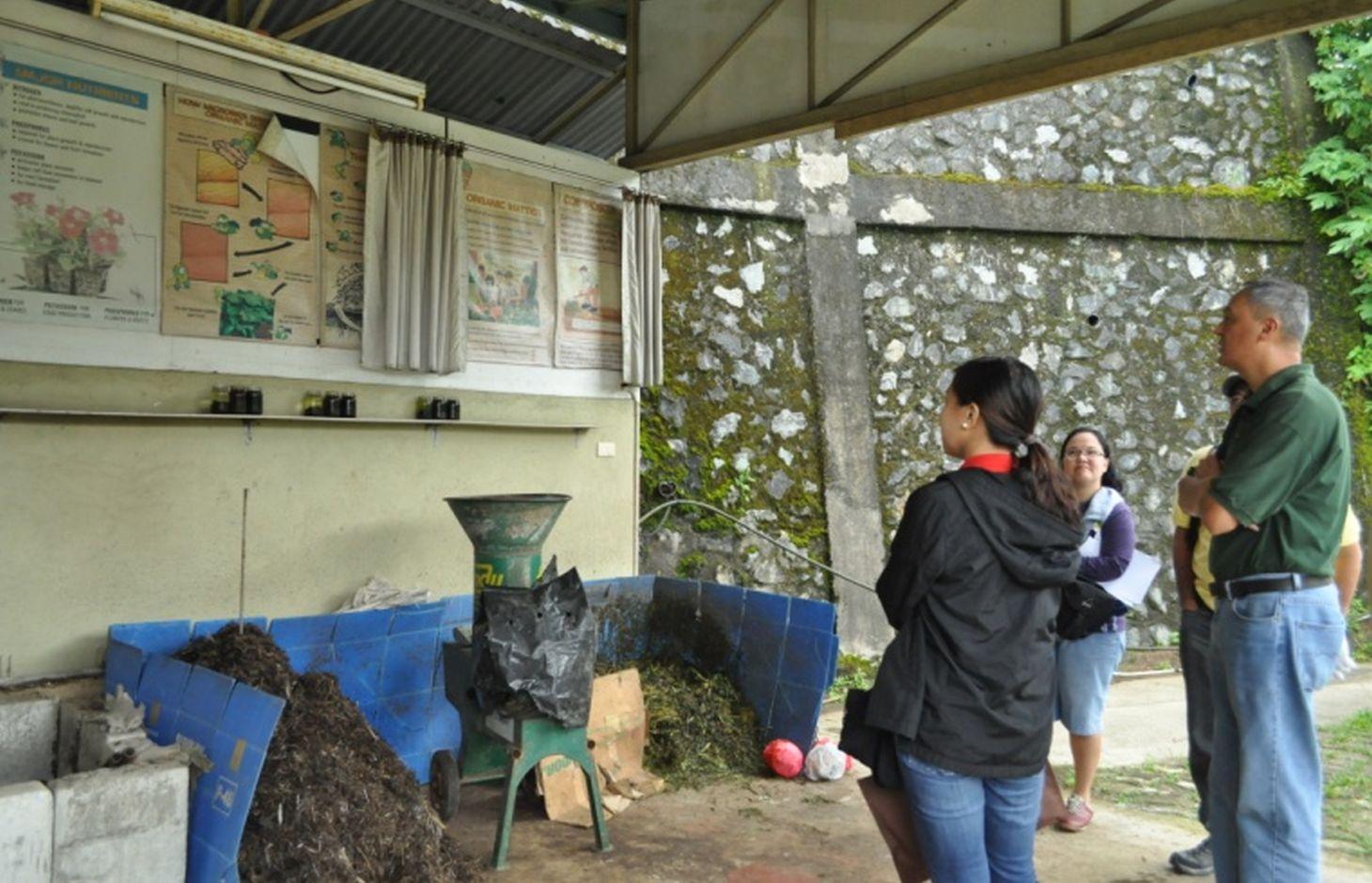
- 📍 La Trinidad, Benguet
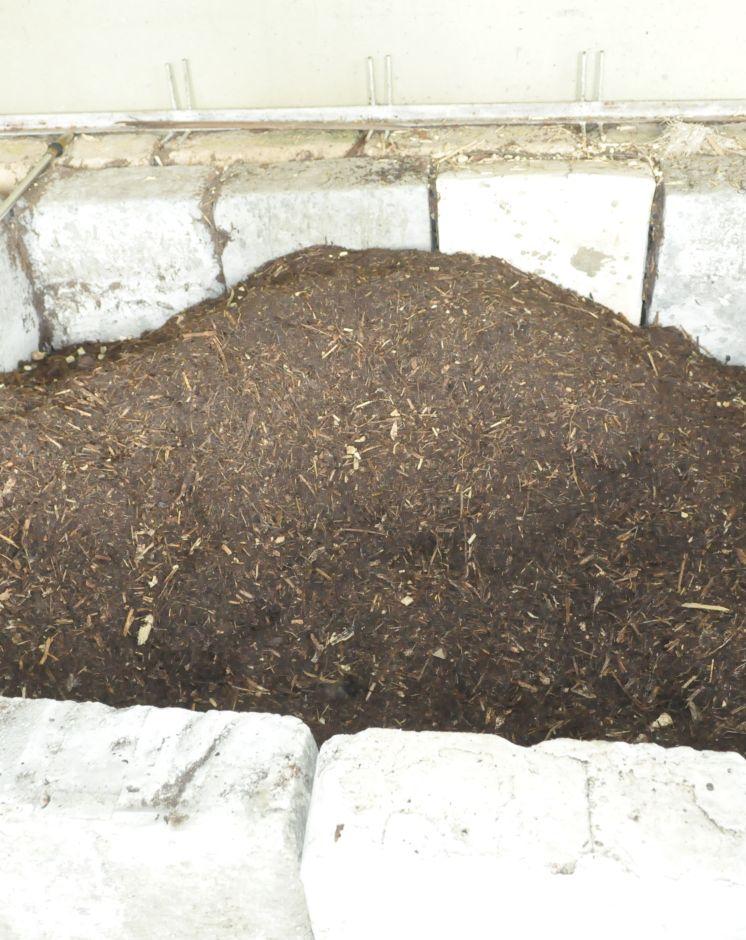
- 📍 La Trinida, Benguet