
Reduced livestock numbers
Type: Technologies
Creation: 2010-08-23 09:45 Updated: 2019-08-05 10:36
Compilers: Christian Wirz
Reviewers: Alexandra Gavilano, David Streiff
Country/ region/ locations where the Technology has been applied and which are covered by this assessment
- Country: Tajikistan
- Region/ State/ Province: Region of Republican Subordination
- Further specification of location (e.g. municipality, town, etc.), if relevant: Faizabad
- Map: View Map
Description of the SLM Technology
Short description of the Technology
The grasslands are used as pastures by a reduced number of livestock belonging to an individual land user.
Detailed description of the Technology
The around 50 goats are brought to the pastures early in the morning and will be brought back to their stable from 9 a.m. to 5 p.m. After this, they will be accompanied to the pastures again. In the morning the west-exposed and in the afternoon the east-exposed pastures are visited. The same rotational scheme is applied over the whole year, which means that the same pastures are visited daily. The pastures are exclusively used by the land user fror more than the half of the year (from autumn to spring). In summer the pastures are also used by the village herd of the nearby village (Karsang). Herding is mostly the task of the land user's sons but sometimes he will accompany the animals by himself. Cows are let out on the pastures in the morning and come back in the evening by themselves.
Purpose of the Technology: The reason for west-facing grazing in the morning and east-facing in the evening is that grass is moist at these times of day. This is also why at noontime animals are not on the pastures. The animals are led slowly by the herder as to not tire them, to make them fatter and to avoid damages on vegetation.
Establishment / maintenance activities and inputs: No special pasture maintenance activities are undertaken.
Natural / human environment: The area is around one hour away from the village which actually controls the pastures (communal pastures). In addition snow lies longer in spring than further down. This means that the village herd only comes here from late spring to late summer, which decreases the pressure on the pastures. Together with the situation in a small depression that protects from high radiation in summer this contributes to the generally better pasture quality (greener, more grasses) compared with the village pastures in proximity to the villages. An important factor contributing to the generally good conservation state are the reduced livestock numbers. They are only reduced because the land user is close to these more distant pastures and the village is quite far away.
Photos of the Technology
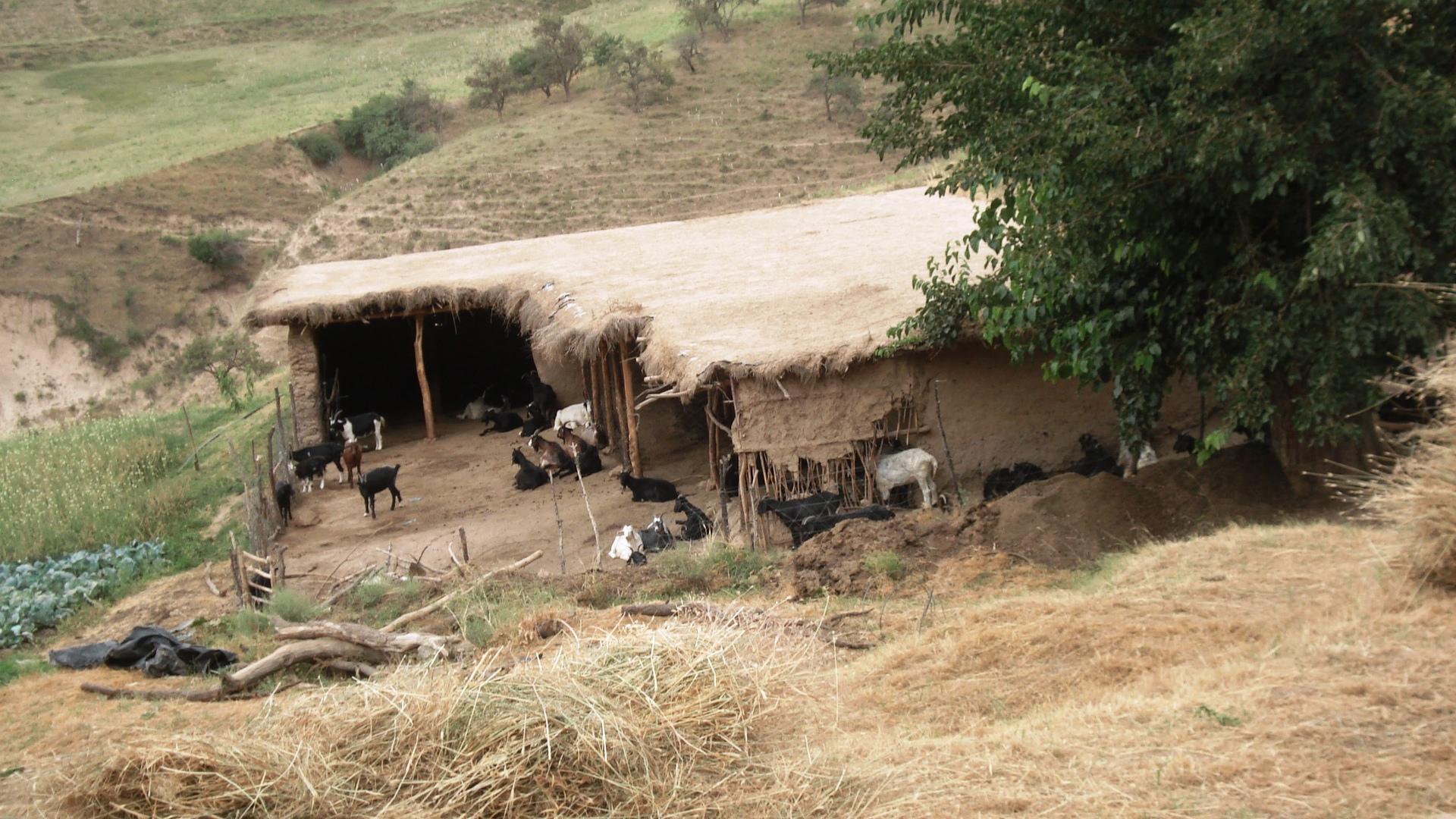
- 📍 Above Naobad, Faizabad / Tajikistan
- 📷 Christian Wirz, Switzerland
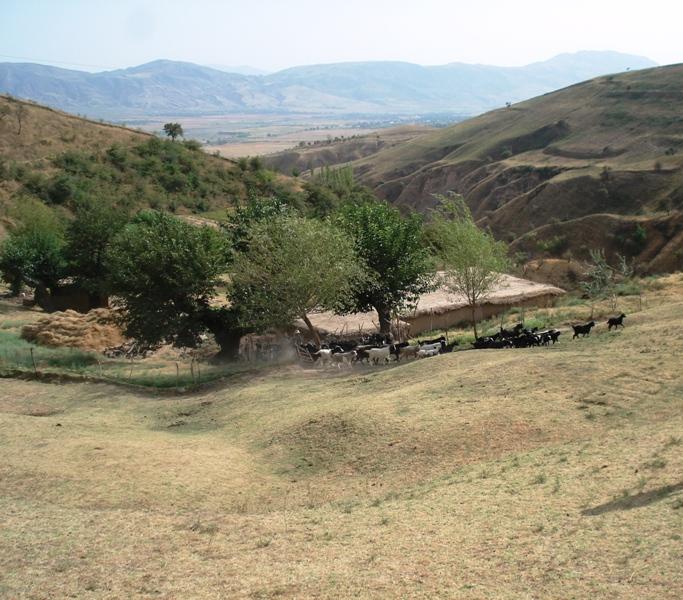
- 📍 Above Naobad, Faizabad / Tajikistan
- 📷 Christian Wirz, Switzerland