
Two Room Stove
Type: Technologies
Creation: 2011-07-11 07:43 Updated: 2021-11-02 15:26
Compilers: shane stevenson
Reviewers: Alexandra Gavilano, David Streiff, Joana Eichenberger
Country/ region/ locations where the Technology has been applied and which are covered by this assessment
- Country: Tajikistan
- Region/ State/ Province: Hakimi Jamoat, Nurobod
- Further specification of location (e.g. municipality, town, etc.), if relevant: Regional Subordination of Tajikistan
- Map: View Map
Description of the SLM Technology
Short description of the Technology
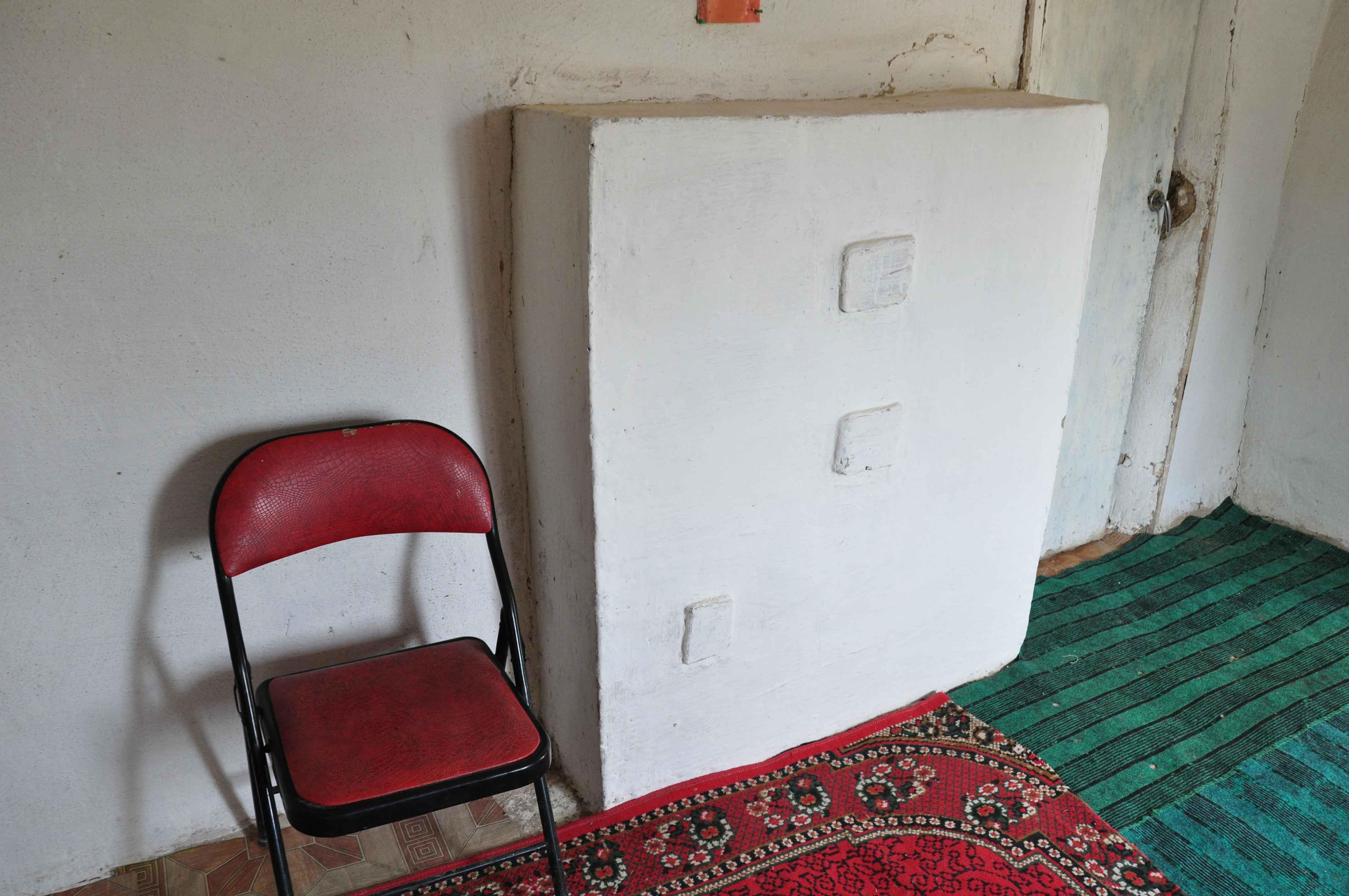
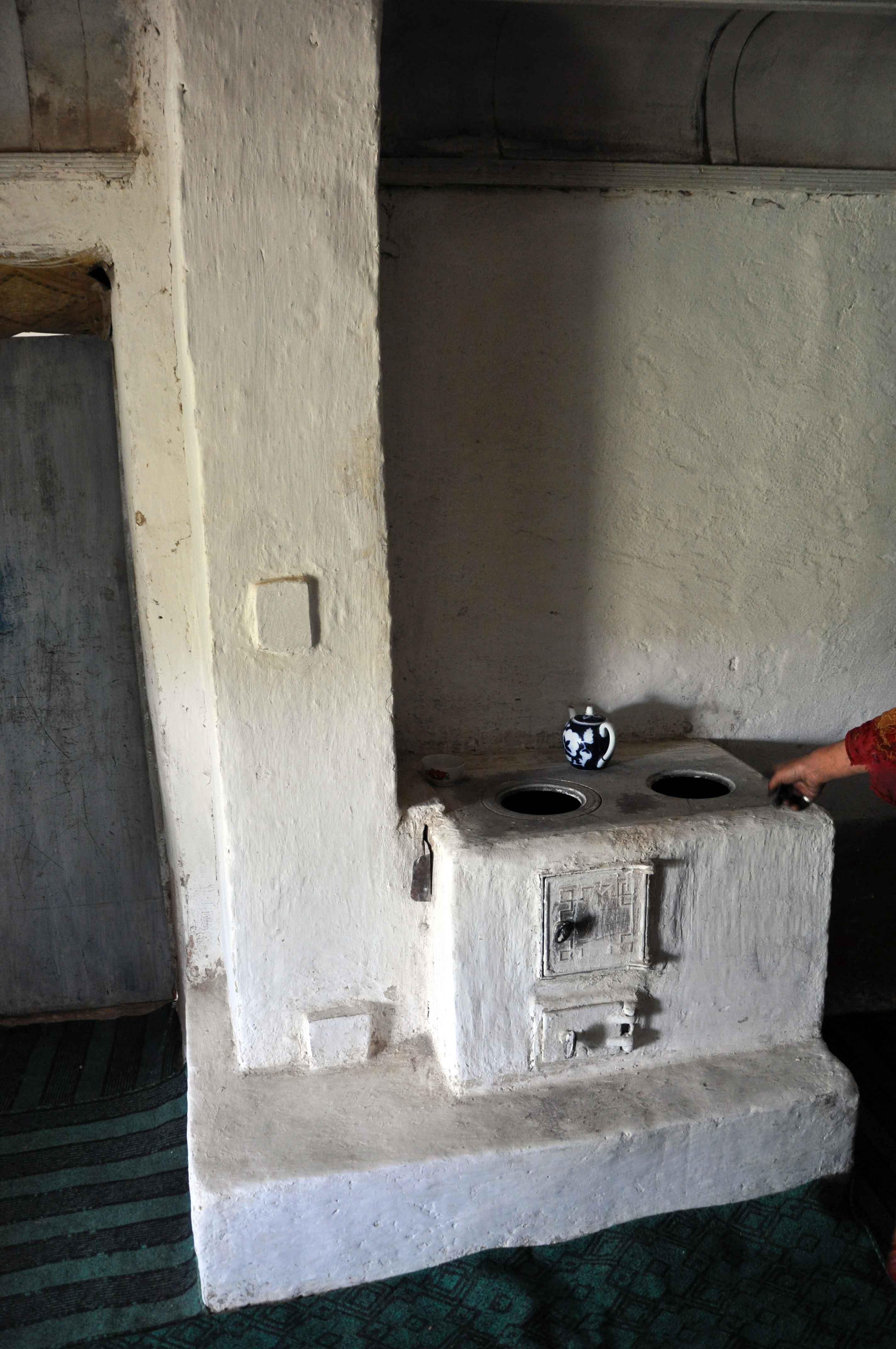
A brick stove that is built into the existing internal wall, that will heat the two rooms and can be used for cooking.
Detailed description of the Technology
The 2-room stove is a brick based structure that filters hot air into a second room, hence maximising the heating potential of the fuel. The basic stove is built of fire bricks, house bricks, cement and coated with a natural mix of straw and mud. It is a traditional concept based upon former soviet stoves, that was modernised and adapted to improve the energy efficiency, and make use of the materials that are available to the people. It is able to burn coal, wood, and tapac, and is designed to reduce the amount of natural resources used to meet the household energy needs.
Purpose of the Technology: The purpose of the 2-room stove is to replace the traditional cast iron pig style of stove, with a more modern and energy efficient stove that can be used effectively for cooking and the heating of two rooms. The 2-room stove is designed to filter the hot air between the rooms and the use the bricks as a thermal sink for heat retention. As most of the houses are made of mud bricks, the heat from the stove will conduct through the walls, which will act as radiators to emit warmth into the room. The 2-room stove also means that cooking activities can be conducted inside the house in a smoke free environment.
Establishment / maintenance activities and inputs: The stove requires basic training in construction by a skilled technician, however after a three day training course the local trades people are able to build their own stoves with limited supervision. The stove is constructed from 45 fire bricks and 400 household bricks, the hot plate and stove doors are bought second hand from the markets, and metal bars are used to reinforce the structure. There are two smoke vents in the wall between the two rooms to allow the smoke to filter its way along the snake like chimney until it vents through the roof. The final structure is coated in straw and mud which acts as an insulation layer.
Natural / human environment: There is a high reliance on natural resources in Shahtuti Bolo. The average family burns several tons of tapac (straw dung mix) and wood each year. The surrounding mountain area is sparsely vegetated and does not even provide enough fuel for the village during the harsh winter months. This is supplemented by buying wood from the neighbouring villages. One tapac weighs one kilo, this is organic matter that can no longer be used for soil enhancement, but for fuel purposes. It is estimated that the 2-room stove will reduce the amount of fuel burnt by 20-40% depending upon the household.
Photos of the Technology
- 📍 Shahtuti bolo, Nurobod
- 🗓 2011-11-07
- 📷 S. Stevenson (CAMP Kuhiston, Dushanbe)
- 📍 Shahtuti Bolo, Nurobod
- 🗓 2011-11-07
- 📷 S. Stevenson (CAMP Kuhiston, Dushanbe)