
Kiwi fruit cultivation
Type: Technologies
Creation: 2015-08-11 10:12 Updated: 2019-09-05 12:32
Compilers: Shreedip Sigdel
Reviewers: David Streiff, Alexandra Gavilano
Country/ region/ locations where the Technology has been applied and which are covered by this assessment
- Country: Nepal
- Further specification of location (e.g. municipality, town, etc.), if relevant: Lalitpur District
Description of the SLM Technology
Short description of the Technology
Kiwi fruit cultivation on sloping land in the mid-hill areas of Nepal can help prevent soil erosion and is a sustainable land management practice. This high value crop introduces biodiversity and improves livelihoods by providing a source of cash income.
Detailed description of the Technology
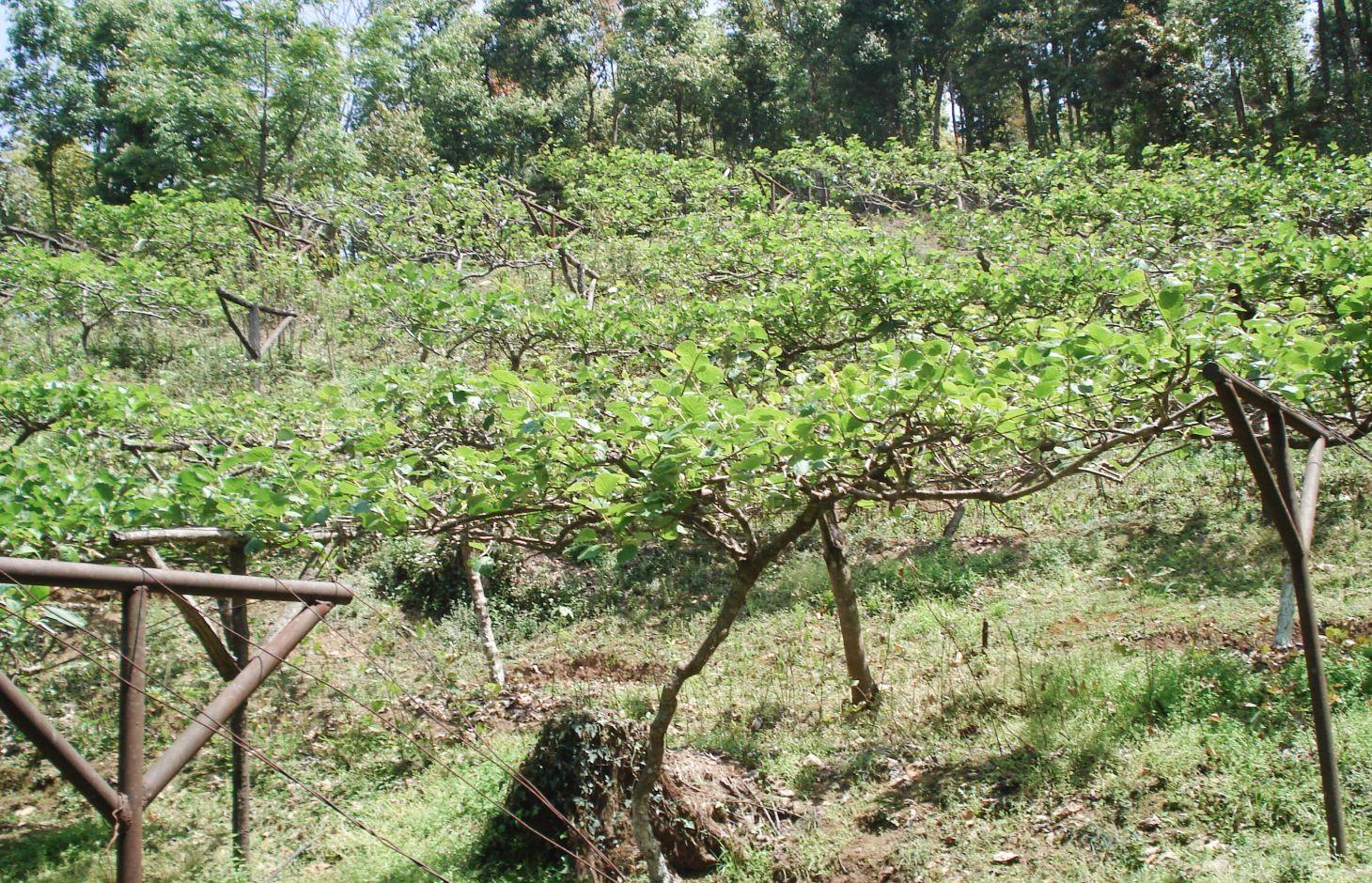
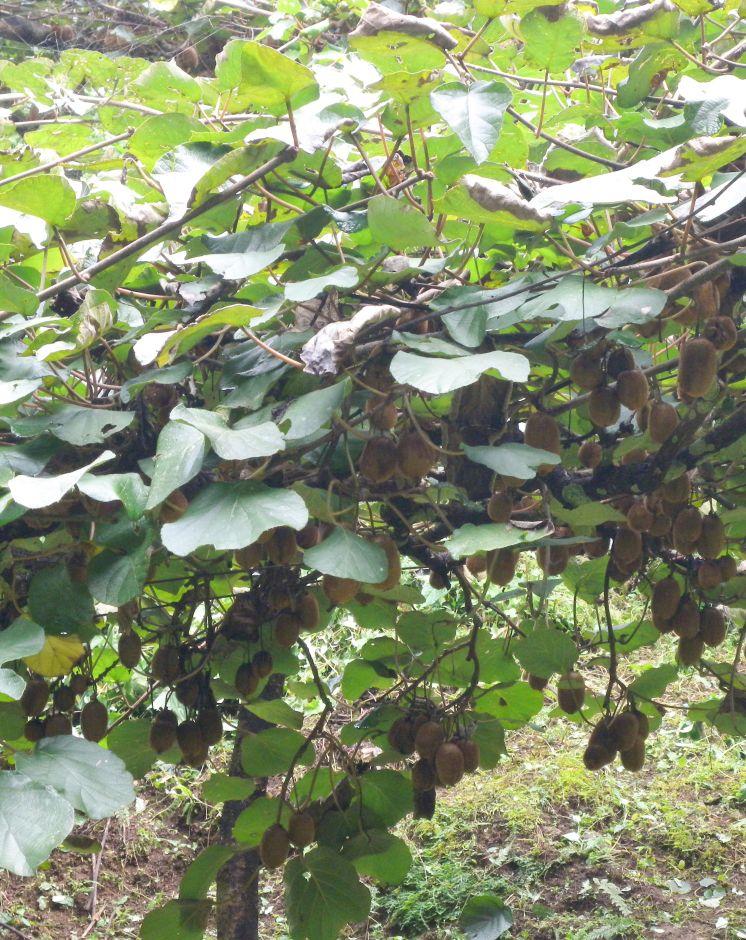
The kiwi fruit is native to China. Previously called Chinese gooseberry, it is now more commonly known by its marketing name of kiwi fruit. Kiwi fruits grow on large vines that are similar to grapevines in their general growth and fruiting habits as well as their training and trellising requirements. The fruit normally ripens within 25 weeks after the flowers first appear. The fruits range in weight from 40 to 90 g and can be picked shortly after the first frost in autumn; after that, they can be kept in cold storage for 4–6 months at oC. Kiwi vines can be grown on a wide range of soil types at elevations ranging from 1000 m to 2500 m. The kiwi plant is dioecious, meaning individual plants are either male or female. Only female plants bear fruit, but only when pollinated by a male plant. Vines of both sexes are essential for fruit production, and they must flower at the same time to ensure pollination. One male pollinator vine is required for eight female vines. The vines are commonly supported on sturdy structures strong enough to bear the heavy fruit, which might otherwise break the rather weak vines. T-bars or hitching post trellises are recommended to support the large fruiting area in the form of a canopy and provide easy access to the fruit.
Establishment / maintenance activities and inputs: Seedlings can be planted in the spring as soon as there is little chance of frost. Vines need to be pruned both in summer and in winter to maintain a balance between kiwi plant growth and profitable fruit production. Excessive plant growth is removed during the growing season to keep the kiwi canopy open and to remove non-fruiting wood. Harvesting can begin from the end of November. Frequent weeding is required to reduce competition for moisture and fertilizer. Kiwi fruit requires abundant water; during the dry season the newly planted kiwi vines need deep watering once a week.
Photos of the Technology
- 📷 Samden Sherpa
- 📷 Samden Sherpa