
Littuko Growing for Forest Enhancement
Type: Technologies
Creation: 2015-08-27 09:58 Updated: 2024-08-19 09:19
Compilers: Philippine Overview of Conservation Approaches and Technologies
Reviewers: David Streiff, Alexandra Gavilano, Joana Eichenberger
Country/ region/ locations where the Technology has been applied and which are covered by this assessment
- Country: Philippines
- Region/ State/ Province: Bayombong
- Further specification of location (e.g. municipality, town, etc.), if relevant: Nueva Vizcaya
- Map: View Map
Description of the SLM Technology
Short description of the Technology
Growing of rattan is done by upland farmers as part of the Community-Based Forest Management (CBFM).
Detailed description of the Technology
Littuko (Calamus manilensis) is a large rattan variety belonging to the climbing-palm family Arecaceae which is commonly found in the Cordillera, Caraballo, and Sierra Madre mountain ranges. It matures in seven years and bears 50 to 70 kilos of fruits each year. Its fruits are sweetish sour when ripe and are gathered around April to September.
Purpose of the Technology: The littuko provides green cover to the trees even in the dry months and in case of wildfire,they reinforce the forest's capacity to serve as firebreaks or greenbreaks. It also attract a lot of wildlife ranging from insects (bees, fire flies, and beetles) to birds, bats, and cloud rats. Forests with littuko become equipped with natural guards since the littuko's spines with sturdy thorns discourage people and stray animals to freely enter the forest area and disturb the ecosystem.Conservation of trees is also promoted on this technology.
Establishment / maintenance activities and inputs: For the cultivation of littuko, the following procedures are done: (1) Before planting into a seedbed or polyethylene bags (plastic planting bag), the hilar cover of the littuko seed is gently scraped with the use of a sharp knife. Removing the hilar cover enables the tiny plant to easily break out of the seed. (2) The sprout is transplanted to the designated area under the host tree when it reaches six inches in height and with at least three leaves. The chosen host tree is where the littuko can cling on for support to prevent lodging or breakage of stems. (3) Within one to three years, ring weeding is done around the littuko plant. (4) Maintenance and inputs are needed after three years to ensure its growth.
Natural / human environment: Littuko grows underneath of growing trees in the natural forest. They grow best in rainforests and no cultivation is needed.The area is under a humid agro climate with an average annual rainfall of 2000-3000 mm per year. Land users have an average holding of 0.5-1 hectare for the forestlands or woodlands.Most of them are stewards of the forest through the Community Based Forest Management Agreement (CBFMA) for 25 years and renewable for another 25 years.
Photos of the Technology
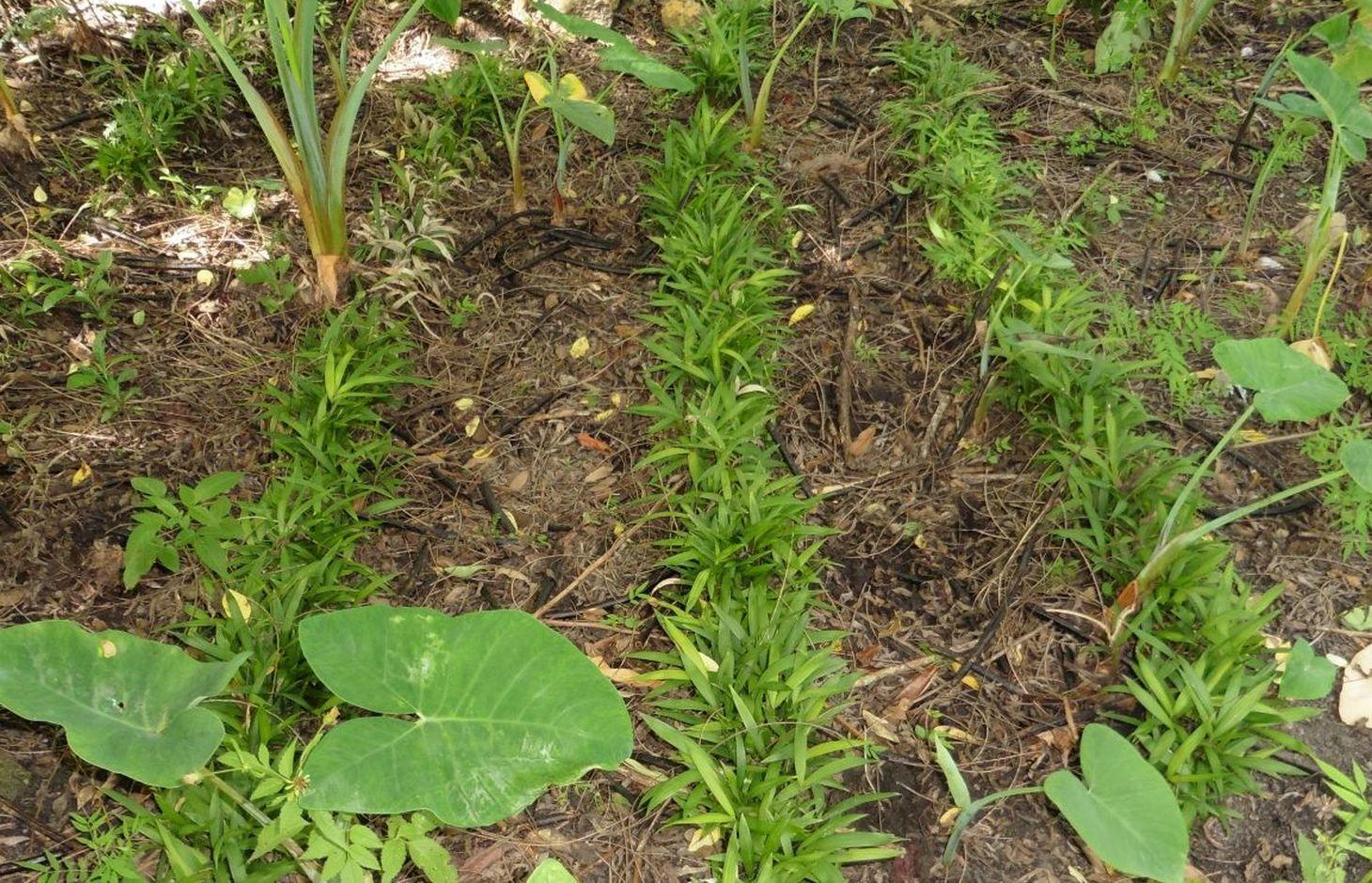
- 📍 Bayombong, Nueva Vizcaya
- 📷 Engr. Evangeline F. Dacumos (Bureau of Soils and Water Management)
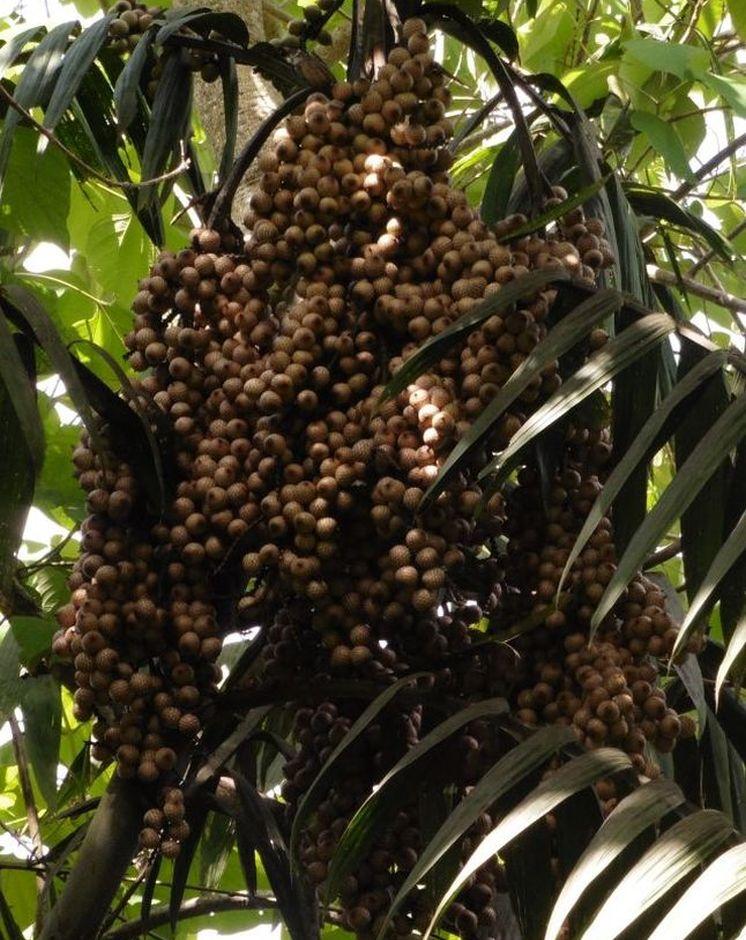
- 📍 Bayombong, Nueva Vizcaya
- 📷 Engr. Evangeline F. Dacumos (Bureau of Soils and Water Management)