
Community bakery
Type: Technologies
Creation: 2013-01-05 09:25 Updated: 2019-03-06 15:02
Compilers: Aqila Haidery
Reviewers: Deborah Niggli, Joana Eichenberger
Country/ region/ locations where the Technology has been applied and which are covered by this assessment
- Country: Afghanistan
- Region/ State/ Province: Bamyan Province
- Further specification of location (e.g. municipality, town, etc.), if relevant: Kahmard district
- Map: View Map
Description of the SLM Technology
Short description of the Technology
A sustainable option for bread baking and reducing shrub consumption
Detailed description of the Technology
Thirty six community bakeries were constructed in Kahmard from 2009-2012 for reducing shrub consumption. Rural communities normally bake bread at home using tandoors made from clay and fired by shrubs, wood and coal. Bread baking is a demanding task. Men and boys climb mountains to collect shrubs, putting themselves at risk, and women spend 1-2 hours/day for preparing dough, firing the oven and baking bread. Shrub cutting causes upland degradation leading to flash floods in the valleys.
In Saighan, district adjoining Kahmard, a survey showed that one household uses 81 donkey load shrubs annually, and minimum 50 donkey loads are used for baking bread. Kahmard has a similar situation. To address this, HELVETAS Swiss Intercooperation is supporting an integrated watershed management in Kahmard since 2008 with support from the Swiss Re and Swiss Agency for Development and Cooperation (SDC). The approach comprises other technological and organisational measures where structural and vegetative are applied, combined with grazing and shrub cutting control. To complement re-greening efforts, energy efficient community bakeries were promoted.
Households using community bakeries reported a decrease in shrub consumption by 50-80%, which contributes to greener watersheds. The other benefits include more time for women, boys and girls for other preferred activities, like attending school, literacy classes, vocational trainings, embroidery, etc. Families also save money (minimum US$ 10/month) as they have to purchase less shrubs for baking purpose. In Kahmard, one donkey load shrub costs about US$ 6. Bakers, assistant bakers, masons and workers are employed and bakeries serve as a place for social networking. By contributing to greener watersheds, the bakeries help to reduce flash flood risks. In recent months, running the bakeries has become a challenge as the coal mines in Kahmard have been contracted to a Chinese firm. As a consequence, people are not getting coal easily. Due to coal shortages, several bakeries have stopped functioning. People are looking towards the government authorities to solve this issue as soon as possible. Many households have gone back to shrub cutting and a community assets with proven benefits for the people but environment remains underutilized.
The participating community development councils or CDCs allocate land for bakery. One bakery costs about US$ 4640, with 25% community contribution during construction. It takes about 5 weeks for constructing one bakery if there are no obstacles. About US$ 7300/year is spent on operation and maintenance by the people. One baker and 1-2 assistants are employed for daily bakery operations. The dash or oven is prepared from a mixture of clay and sheep hair and fired by coal. About 1-3 bags are required per day. If mosaic tiles are used, about 1 bag per day is used for heating. The factors influencing the success of community bakeries include access to coal, good quality and low price of coal, on time payment and proper management of bakery funds. The clients bring dough from home and pay about US$ 0.042 (2 Afghani) per bread to the baker or about US$ 6.6/month.
Community bakeries were constructed in the Kahmard district in the valley bottoms where the people reside. The land for community bakeries normally belongs to the community, but where suitable common land is not available, individuals have also donated their private lands for the common cause.
Community bakeries are located at an altitude of about 1700-1800 m above mean sea level. The district receives up to 400 mm rainfall in a good year. In the valley bottom, there are crop growing seasons, the main is from March to July. The land users rely mainly on agriculture for their livelihoods as employment opportunities in the district are very few. Kahmard district has a population density of about 30 person/sq. km. About 50% of the rural population in Kahmard falls under poor category, 40% are medium rich and 10% rich.
Photos of the Technology
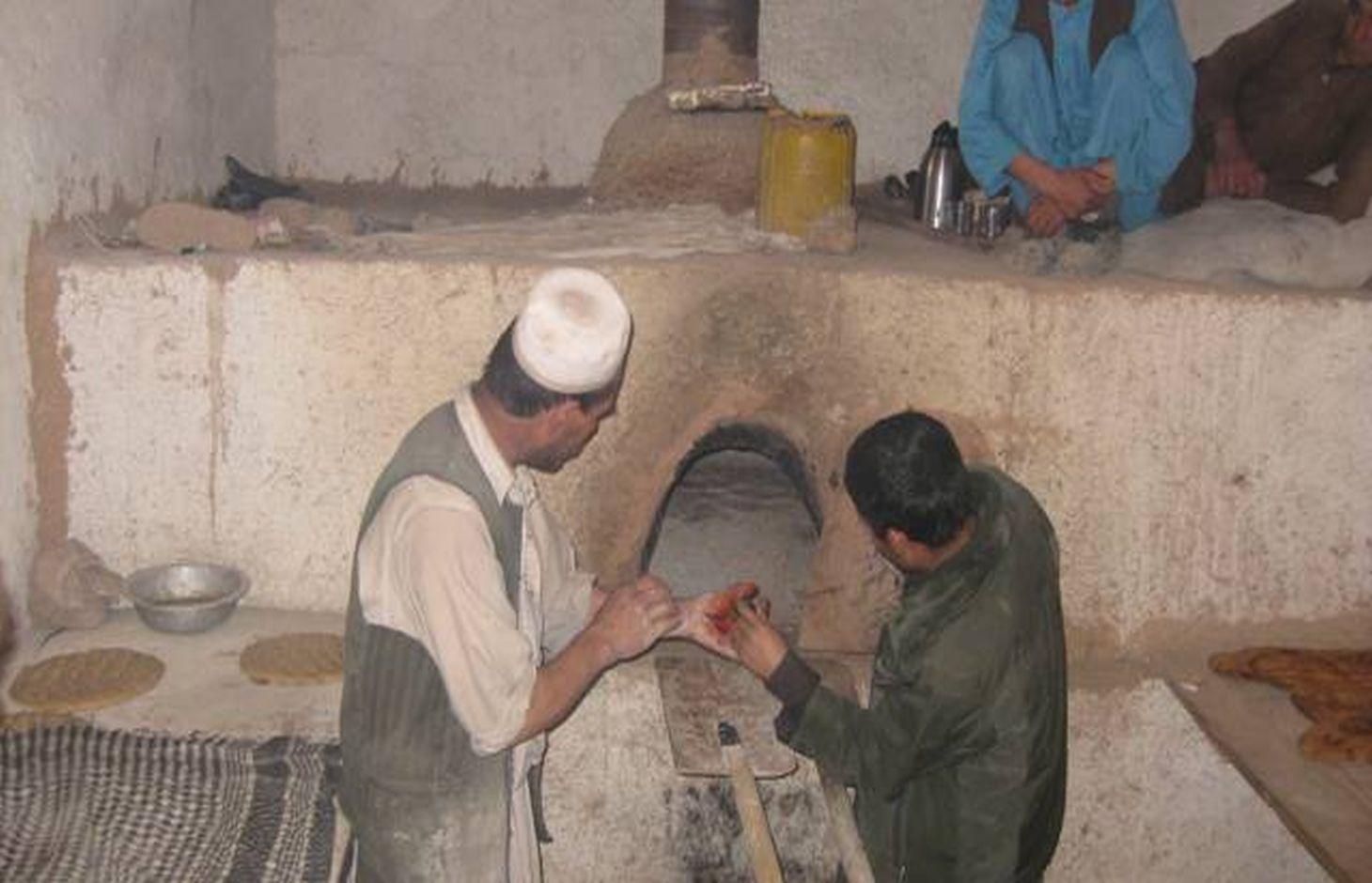
- 📍 Doro CDC, Kahmard district, Bamyan province
- 🗓 2012-06-12
- 📷 Mohammad Khalid Azami (HELVETAS Swiss Intercooperation, Kabul, Afghanistan)
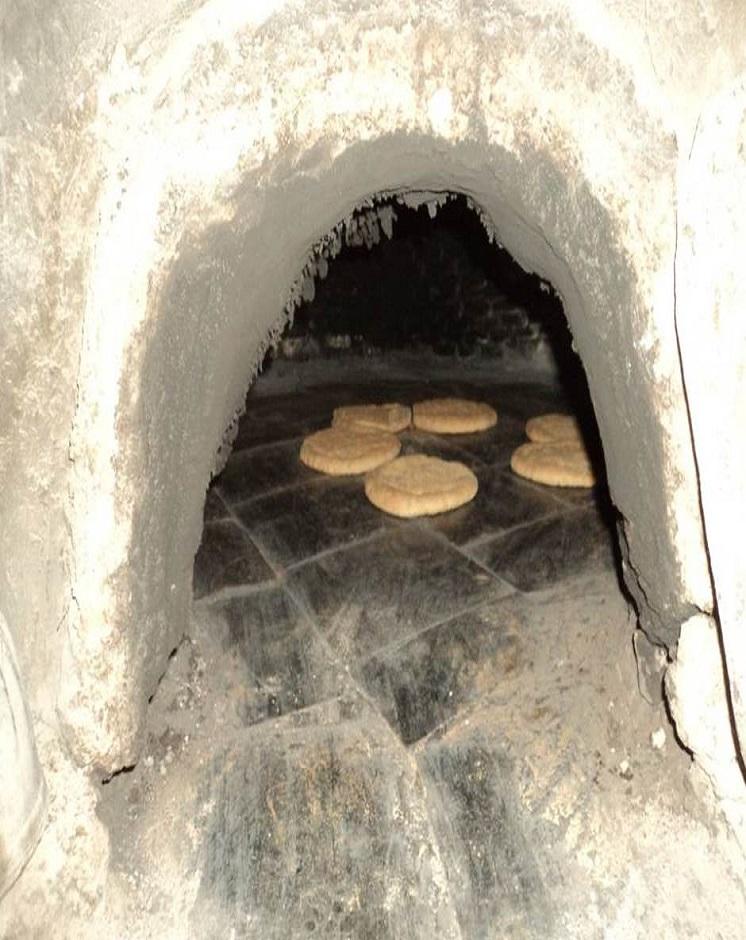
- 📍 Doro CDC, Kahmard district, Bamyan province
- 📷 Mohammad Khalid Azami (HELVETAS Swiss Intercooperation, Kabul, Afghanistan)