
Organic pest management
Type: Technologies
Creation: 2011-06-07 18:08 Updated: 2019-06-03 16:05
Compilers: Richard Allen
Reviewers: David Streiff, Alexandra Gavilano
Country/ region/ locations where the Technology has been applied and which are covered by this assessment
- Country: Nepal
- Further specification of location (e.g. municipality, town, etc.), if relevant: Midhills districts of Nepal
- Map: View Map
Description of the SLM Technology
Short description of the Technology
Promotion of botanical pesticides for organic pest management and liquid manure
Detailed description of the Technology
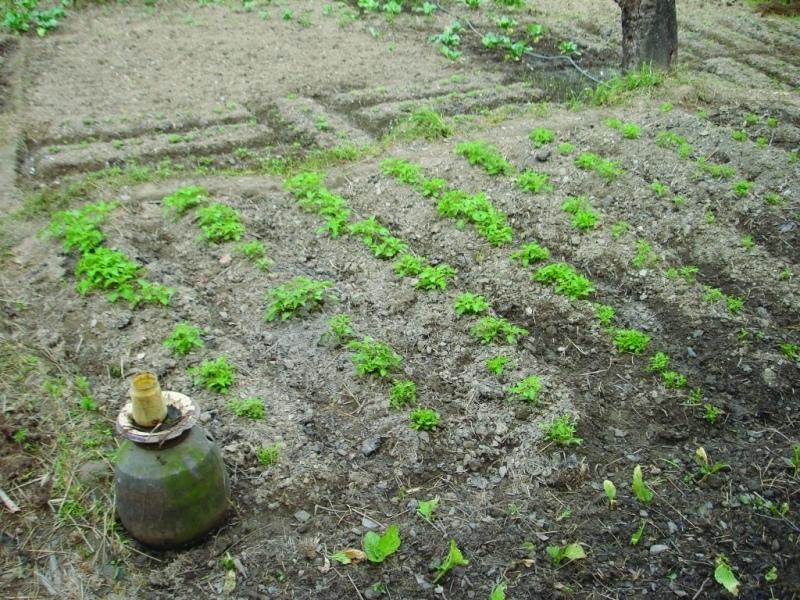
Production of fresh vegetable is often hampered by pests which may reduce production and badly affect farmers’ income. Chemical pesticides are available and are used, sometimes excessively, to combat these pests in parts of Nepal’s midhills. Botanical pesticides prepared from a variety of plant ingredients soaked and fermented in cattle urine provide a suitable alternative to chemical pesticides, at least for subsistence and semi-commercial vegetable producers. These pesticides are based on farmer’s traditional knowledge and are emerging as alternatives to the application of chemical pesticides.
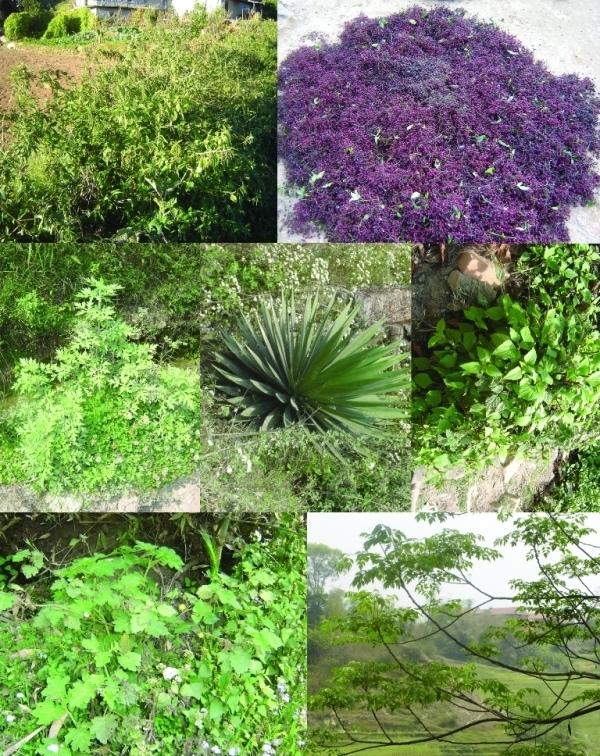
All the ingredients for these pesticides are available locally; in some cases the plants are considered as weeds. Crofton weed (banmara) grows in abundance along roads and paths, and on forest floors and suppresses the growth of other more valuable species. It is believed to have pesticidal effects and is often used in botanical pesticides. The Nepali names of other plants commonly used in the tonics are asuro (malabara tree), titepati (mugwort), bakaino (Persian lilac), timur (Nepali pepper), patina (field mint), tulsi (sweet basil), neem, sisnu (stinging nettle), ketuke (century plant), and khirro (tallow tree). In general it is said that herbs and plants that are bitter, pungent, or ‘hot’ or that produce a strong odour are most effective in botanical pesticides.
The botanical pesticide is diluted with water before applying to vegetable crops. The dilution ratio depends on the age and type of the plant being treated with a higher dilution for seedlings in nurseries than for mature plants. While botanical pesticides do not kill all pests, they do combat soft-bodied insects such as aphids and act as a repellent against larger insects like cutworms, various larvae, and red ants. They are not usually effective against plant diseases.
In some places innovative farmers have started to produce and sell botanical pesticides for pest management and as a liquid manure for foliar application.
Photos of the Technology
- 📷 Juerg Merz