
Home Garden (Pomelo, Lemon, Supplementary Crops)
Type: Technologies
Creation: 2017-04-24 03:14 Updated: 2019-03-08 12:25
Compilers: Be Gechkim
Reviewers: Nicole Harari, Nimul CHUN, Ursula Gaemperli, Alexandra Gavilano
Country/ region/ locations where the Technology has been applied and which are covered by this assessment
- Country: Cambodia
- Region/ State/ Province: Samrorng Village, Sambo Commune, Sambo District, Kratie Province
- Further specification of location (e.g. municipality, town, etc.), if relevant: Village land
- Map: View Map
Description of the SLM Technology
Short description of the Technology
This technology involves the cultivation of crops around the house, including pomelos, lemons and other supplementary crops, with solely the application of cattle and chicken manure as fertilizer, whilst abstaining from the use of chemicals. The purpose of this technology is to obtain various products, generate a household income especially from the lemon trees as it is a long-term crop which provides a continuous supply of daily produce and is also relatively easy to grow, as well as to establish a comfortable environment for people to live in.
Detailed description of the Technology
A home garden is the practice of planting different crops around the house such as a variety of vegetables, herbs, fruit trees, and other annual crops for the family’s daily consumption as well as for commercial purposes. Home gardens have been set up in Cambodia and in many countries all over the world, albeit they might be named differently (Helen Keller International/Cambodia., 2003). This technique provides both economic and environmental benefits: generating household incomes and regulating the micro-climate by creating a desirable and ambient temperature around the house which makes the lives of family members more comfortable. More importantly, the technology provides opportunities for marginal groups like women, children, aging people and the disabled, to carry out agricultural work that contributes to an increase in household income (Landon-Lane C., 2012; Helen Keller International, 2010).
Home garden technique is being applied at Samraong village, Sambour commune, Sambour district, Kratie province, where the farmer is growing pomelo (30 trees) and lemon (10 trees) as the main crops for sale and other supplementary crops (banana, pineapple, pomegranate, lemongrass, coconut, mango and jackfruit mainly for household consumption. The technology is being implemented in an area of 1500 square meters (30x50 meters), with the Mekong River being located behind the house.
In order to plant the pomelo and lemon trees, the farmer digs 0.6 x 0.6 meter square pits that are 0.5 meters in depth. There is a distance of three meters from one pit to another to allow ample space for the trees to fully spread their branches. Animal manure is also added into the bottom of the pits. In addition, the farmer builds a small circular dike around the trunk of each pomelo and lemon tree in order to avoid water run-off while watering, and furthermore this can retain some water during rainfall. This technology only applies cattle and chicken manure, and avoids the use of chemical fertilizers.
Through the implementation of the home garden technology involving the cultivation of lemon and pomelo trees as the main produce as well as other supplementary crops, the farmer can gain many benefits. These include improving the farmer’s daily income, creating greenery around the house and providing a favorable living environment that can adapt to the rising temperature caused by climate change. Also the technology is preventing or addressing soil erosion, and providing an appropriate environment for poultry raising. This technology is not expensive as the farmers are able to start implementing it on a step by step basis depending on the availability of labor and resources or they are also able to do it during their spare time.
Farmers can harvest lemons on a daily basis (around 10 to 15 kg per day) and also other supplementary crops. The pomelo trees produce fruit once per year (around 30 fruits per tree on average). In addition, such crop diversification also creates a natural habitat for biodiversity underground, which is an important factor in enhancing soil nutrients and other aggregates. It also avoids the use of chemicals that could harm the health of the family.
Photos of the Technology
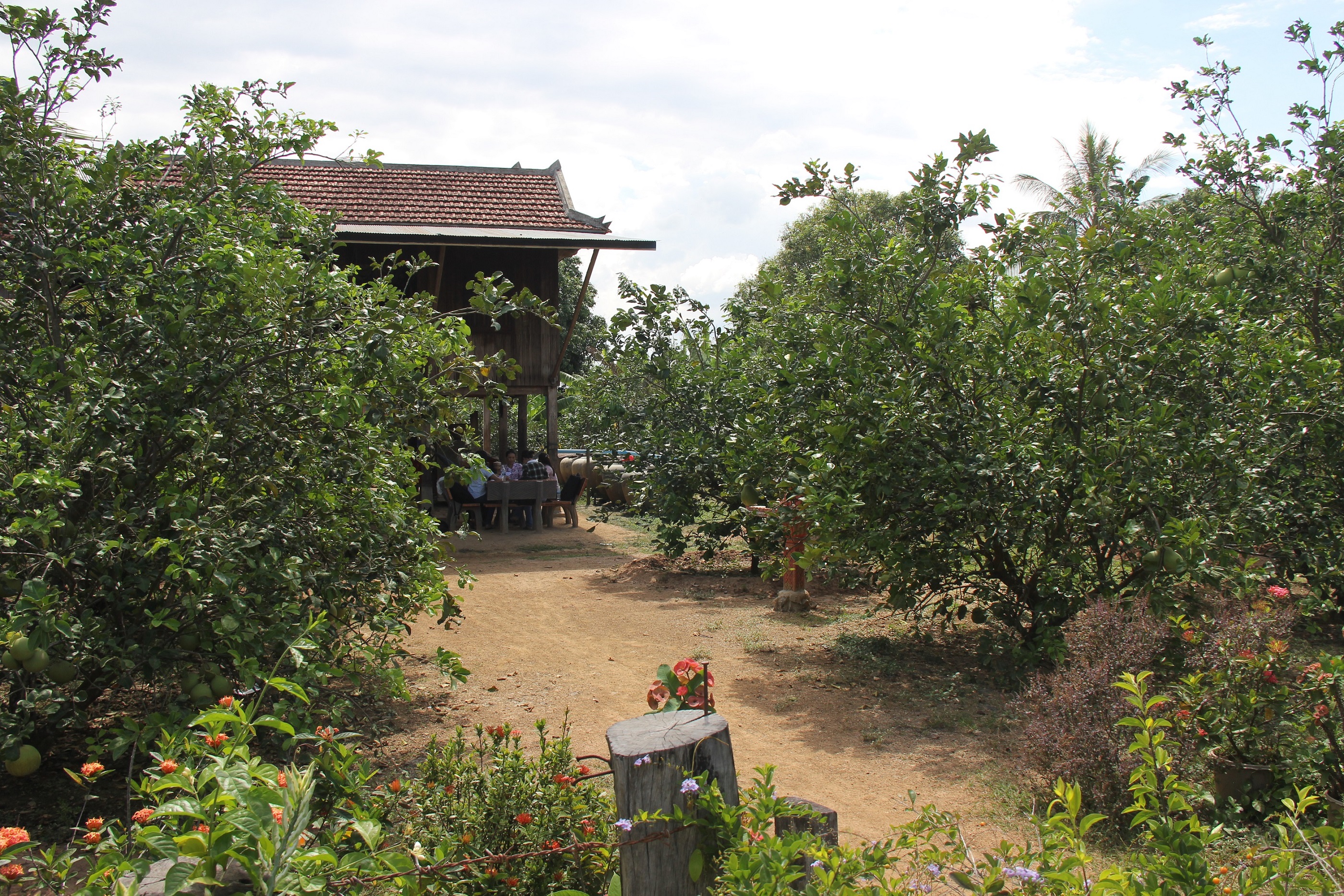
- 📍 Samrorng Village, Sambo Commune, Sambo District, Kratie Province
- 🗓 2017-07-04
- 📷 Tim Sophea
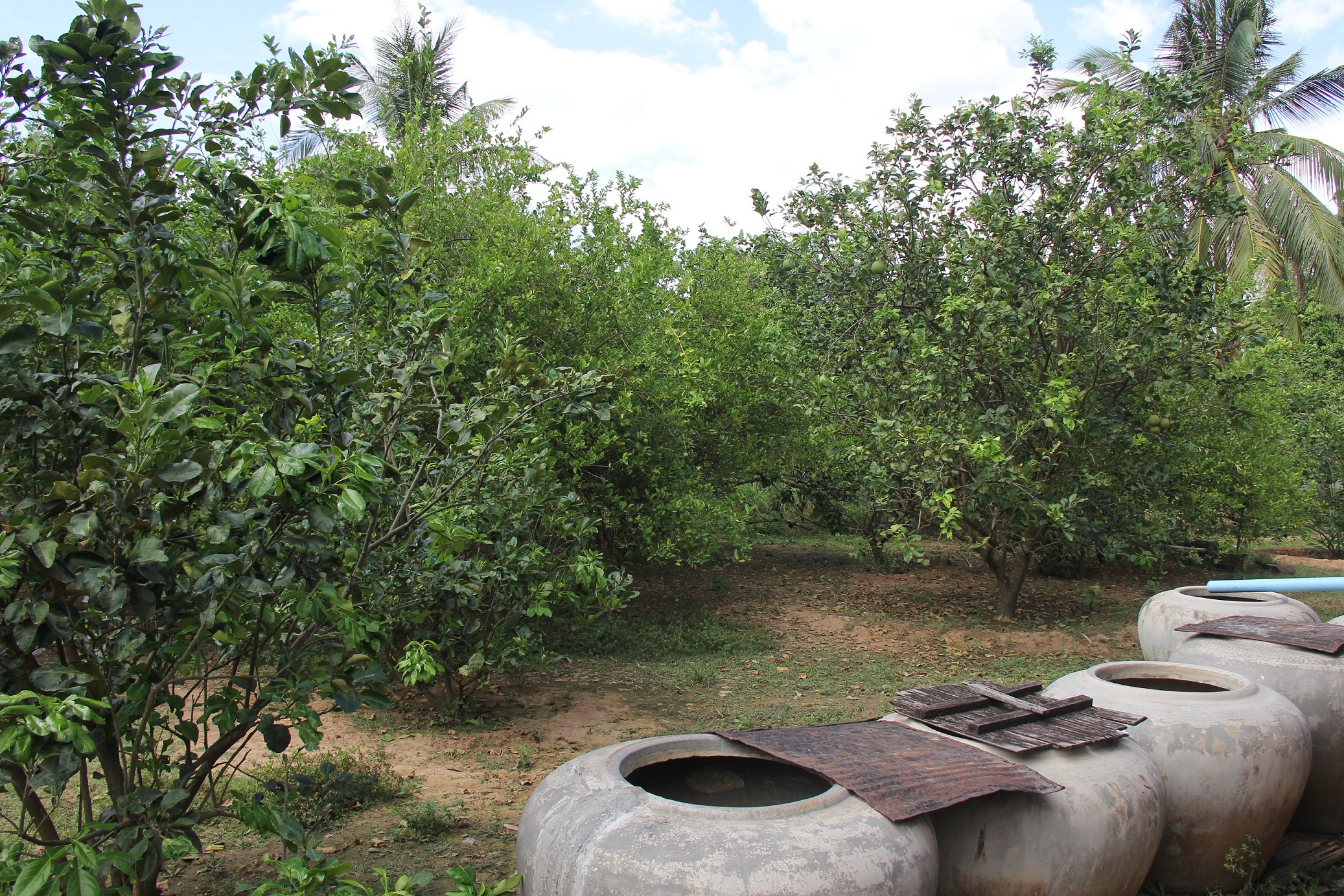
- 📍 Samrorng Village, Sambo Commune, Sambo District, Kratie Province
- 🗓 2017-07-04
- 📷 Tim Sophea
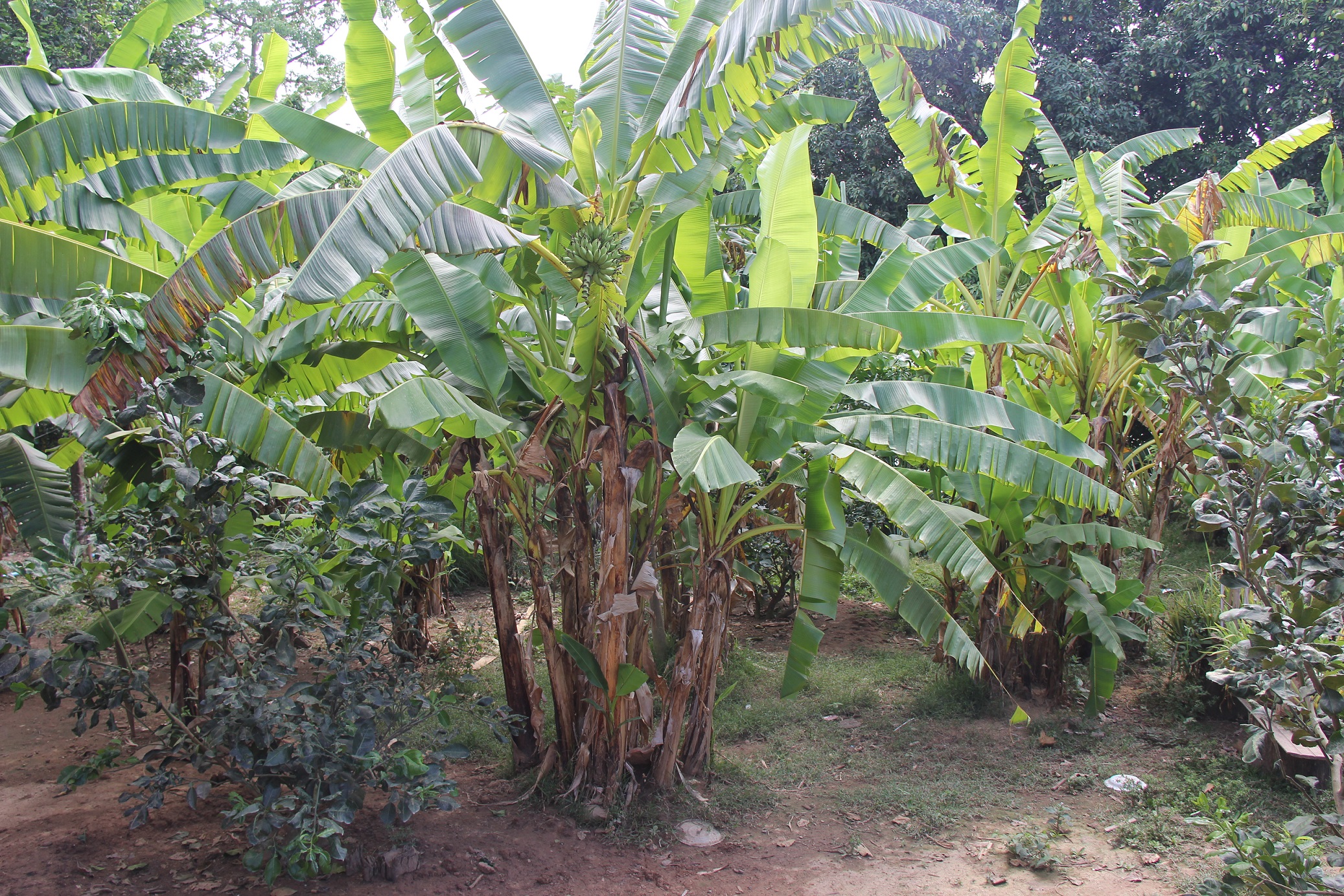
- 📍 Samrorng Village, Sambo Commune, Sambo District, Kratie Province
- 🗓 2017-07-04
- 📷 Tim Sophea
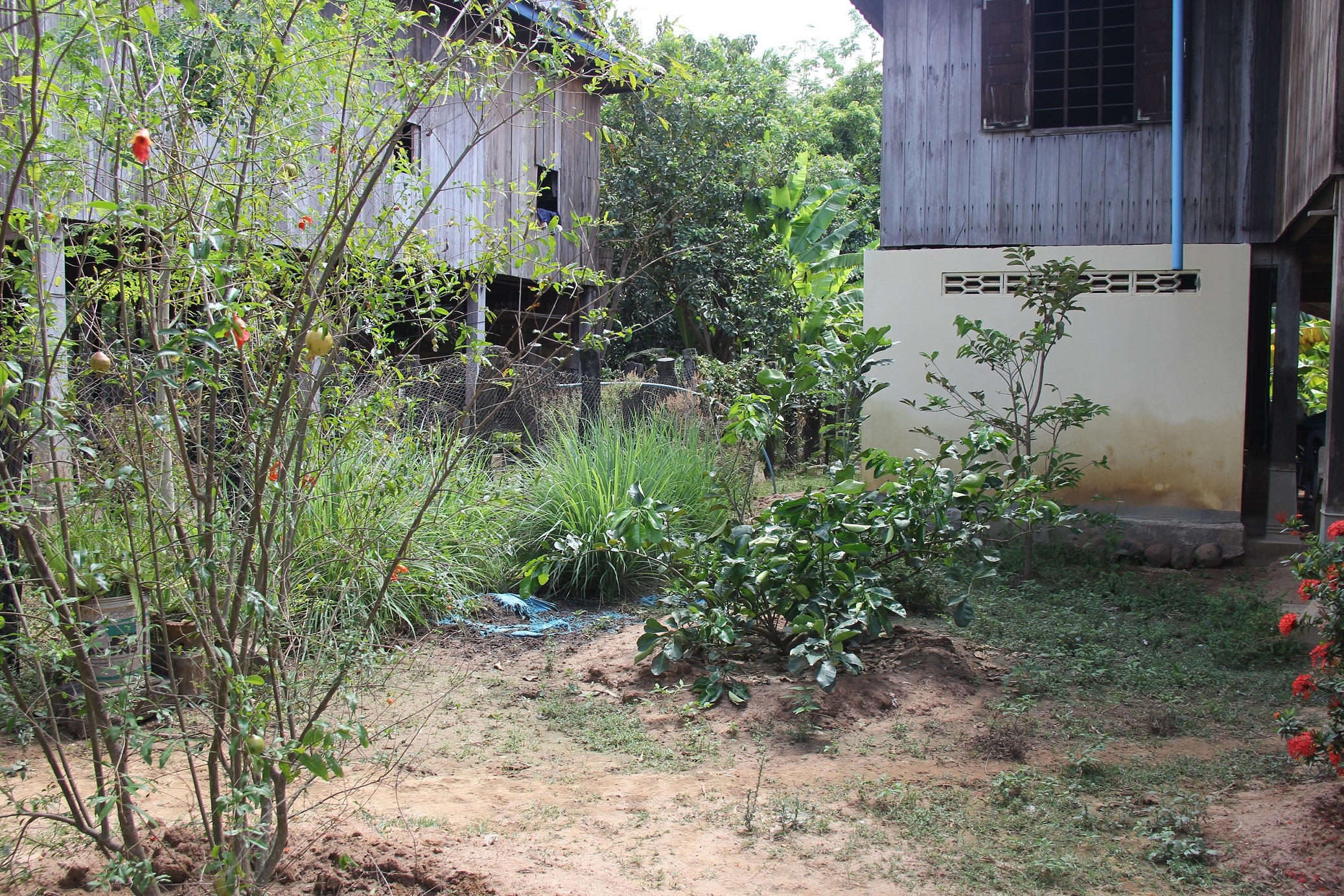
- 📍 Samrorng Village, Sambo Commune, Sambo District, Kratie Province
- 🗓 2017-07-04
- 📷 Tim Sophea