Crop rotation to promote safe vegetables
Type: Technologies
Creation: 2017-09-01 09:11 Updated: 2019-09-02 08:49
Compilers: Be Gechkim
Reviewers: Nicole Harari, SO Than, Alexandra Gavilano
Country/ region/ locations where the Technology has been applied and which are covered by this assessment
- Country: Cambodia
- Region/ State/ Province: Kampong Chhnang province
- Further specification of location (e.g. municipality, town, etc.), if relevant: Samekki Mean Chey district, Svay commune, Kyang Tboung village
- Map: View Map
Description of the SLM Technology
Short description of the Technology
Crop rotation is a component of integrated pest management (IPM) which can contribute to an improvement in crop production with a standardized and reduced use of chemical fertilizers and pesticides.
Detailed description of the Technology
Crop rotation is the process of regularly alternating crops on a seasonal basis on the same plot of land. One of the benefits is that nutrients and nitrogen will be transferred to the soil through this practice as traditionally green manure is added when crops are alternated with cereals. The practice helps to reduce the manifestation of diseases and insects that often occur when crop cultivation is repeated over a prolonged period. Crop rotation can improve the soil’s structure and fertility as different nutrients are absorbed from the soil, and the plants’ root systems are able to penetrate the soil at different depths (Cotheren J., 2014). Even though Cambodia has laws regarding the application of agricultural pesticides and fertilizers there are some farmers who still use them incorrectly. As an alternative, the intercropping technology can assist farmers in increasing yields and reduce crop damage by insects, whilst maintaining and improving the soil’s fertility through agronomy as well as biological measures.
Mrs. Ek Chantho decided to practice crop rotation for a whole year whilst at the same time reducing the use of chemical fertilizers and pesticides because this can help her to reduce expenses. A further advantage for her is being a member of the safe vegetable growers group, as her contract with REMIC guarantees her sales of her vegetables to the company. Additionally she is able to sell any surplus safe vegetables to other traders once she has fulfilled her contractual obligations with REMIC. The decision to practice crop rotation also helped to maintain and increase soil fertility as a little organic and semi-organic fertilizer is added instead of chemical fertilizers. Furthermore the amount of chemical pesticides has been reduced due to the practice of crop rotation.
In this case, long beans, luffa, winter melons, pumpkins and cucumbers were rotated on the plot. This practice helps to keep the soil fertile and the nutrients balanced as land degradation can result from the cultivation of the same crop, as it will repeatedly absorb the same nutrients. Furthermore, crop rotation also contributes to a reduction in plant diseases and prevents an increase in damage from pests as it prevents a particular crop from building up pathogens in the soil. Each farmer will grow two or three different crops at the same time and then will chose to grow other crops in the following season. However, as the choice of a farmer’s particular crop is coordinated by REMIC it ensures that each farmer in turn will assist in providing diversified crops to fulfil market demand.
The farmer stated that before practicing crop rotation, she mostly grew one or two crops which could be sold at a high price throughout the year. Therefore, in order to maintain her yields and prevent the crops from being damaged by insects she had to use a lot of chemical fertilizers and pesticides. However these only remained effective for a relatively short period and also increased her overheads. After having attended a course organized by Educational Concerns for Haiti Organization (ECHO), Rural Entrepreneurship & Market Inclusion in Cambodia (REMIC), and the Provincial Department of Agriculture she switched to crop rotation instead of cultivating one crop and to the use of organic and semi-organic fertilizers instead of chemicals. Furthermore her use of chemical pesticides also decreased as she followed standardized practices. This practice improves the soil quality, mitigates pests and diseases, reduces costs, improves income and also protects the health of producers and users.
As the farmers become highly efficient and the practice of crop rotation becomes sustainable they are able to improve their supply for the market. In fact, this has been successfully coordinated through REMIC’s planning and contracting which ensures that there is always an adequate supply of diversified vegetables. Moreover, ECHO collaborated to check the use of chemical fertilizers and control pesticides which managed to raise consumer confidence by ensuring there are safe vegetables for the market, which in turn allowed farmers to set a high price for their produce.
Photos of the Technology
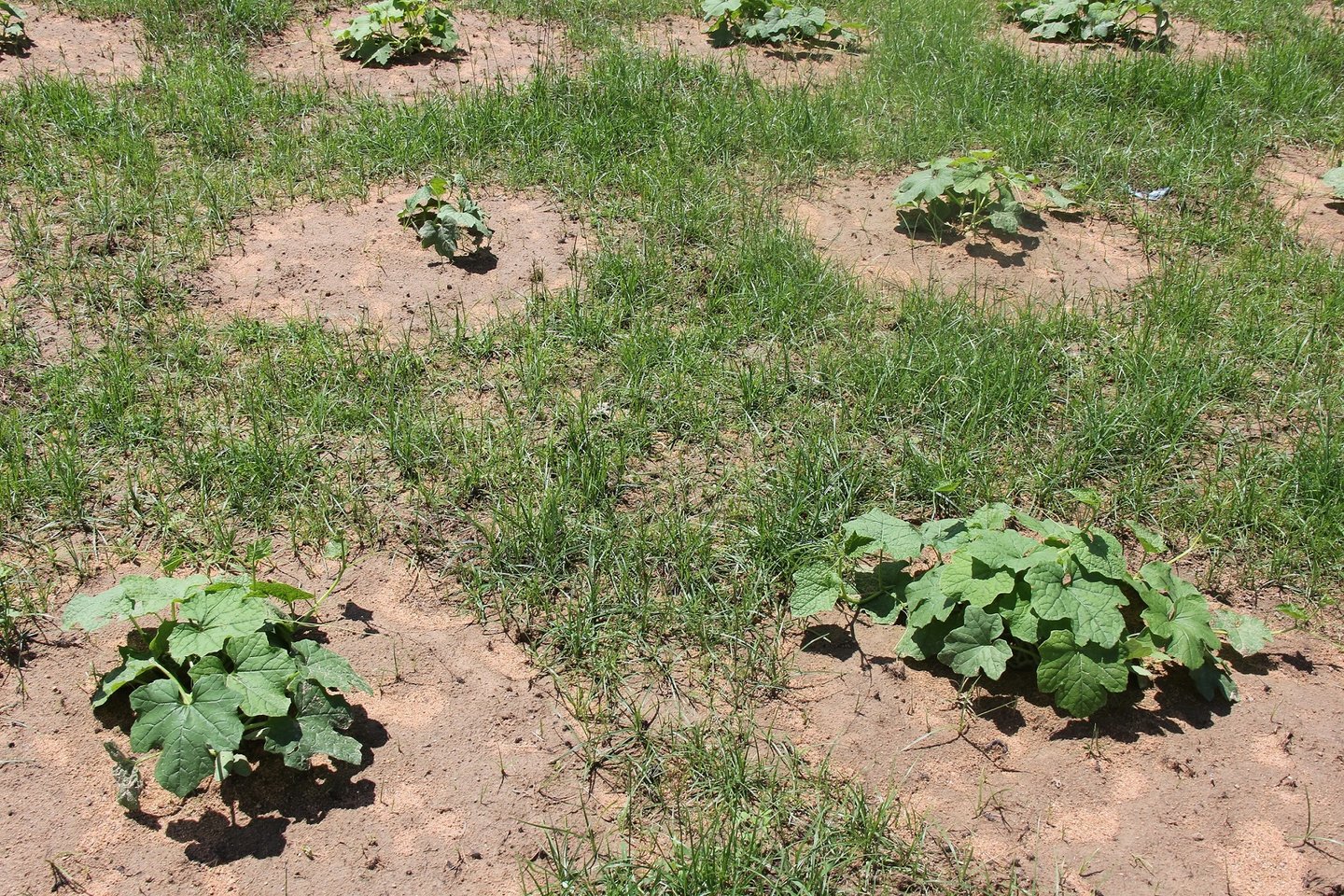
- 📍 Kyang Tboung village, Svay commune, Samekki Mean Chey district, Kampong Chhnang
- 📷 Mr. Sok Pheak
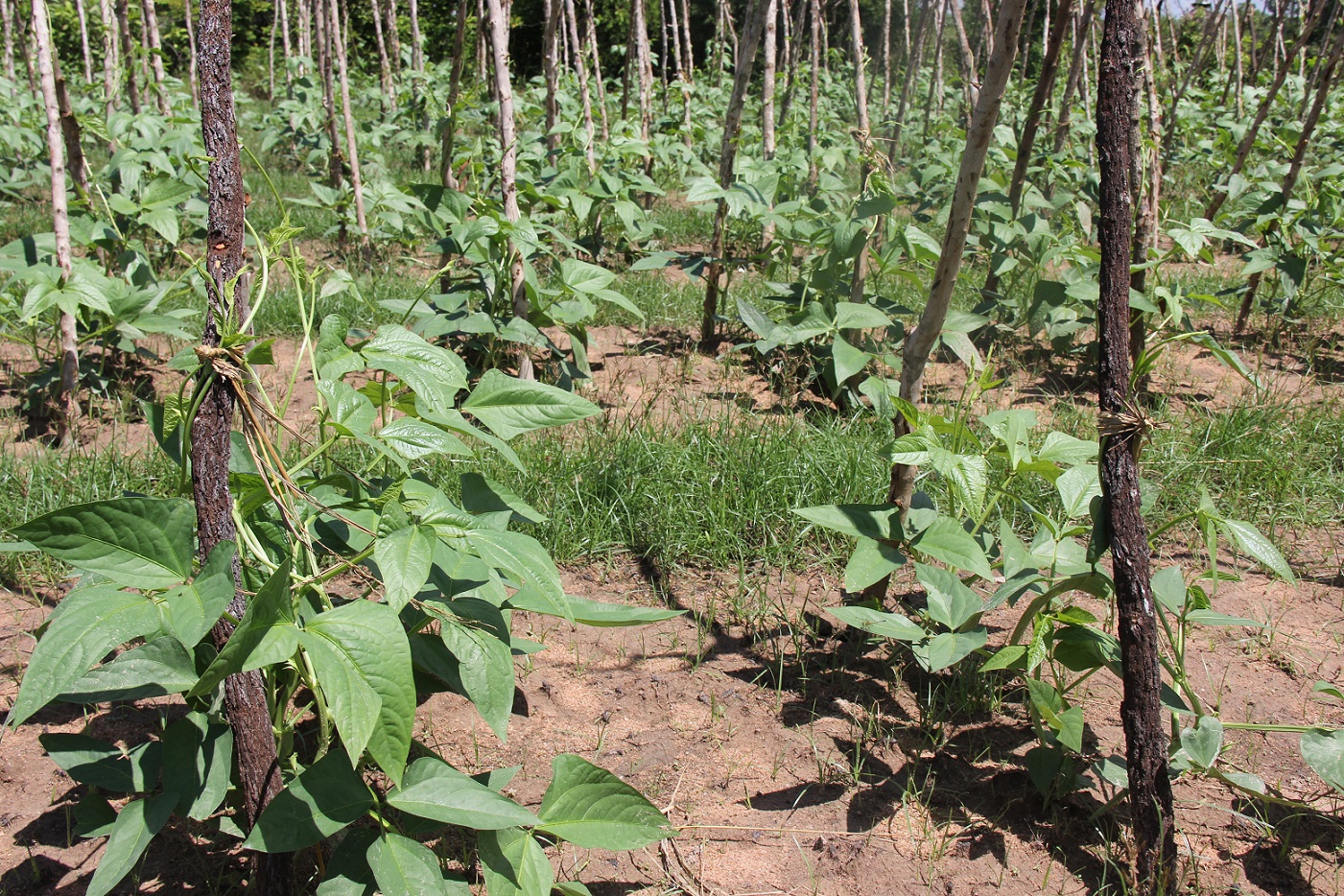
- 📍 Kyang Tboung village, Svay commune, Samekki Mean Chey district, Kampong Chhnang
- 📷 Mr. Sok Pheak