
Diversification of crops in salinized soils with the introduction of legumes and green manure
Type: Technologies
Creation: 2018-04-12 10:22 Updated: 2020-01-21 13:23
Compilers: Rustam Ibragimov
Reviewers: Olga Andreeva, Elizaveta Soloveyva, Alexandra Gavilano
Country/ region/ locations where the Technology has been applied and which are covered by this assessment
- Country: Uzbekistan
- Region/ State/ Province: Jizzakh region, Zarbdar district
- Further specification of location (e.g. municipality, town, etc.), if relevant: village of Keriz
- Map: View Map
Description of the SLM Technology
Short description of the Technology
Сrop rotation Improvement through the introduction of legumes after harvesting winter wheat and green manure crops in order to reduce land degradation and increase the productivity of irrigated lands
Detailed description of the Technology
Secondary salinization, decrease in soil organic matter and elements of mineral nutrition of plants are the main indicators of degradation of irrigated arable lands in Uzbekistan. Poor crop rotation is one of the major causes of degradation. Crop rotation “wheat-cotton-wheat” is applied On farm fields: for several years in a row cotton has been cultivated after cotton, or wheat after wheat. After harvesting of winter wheat, plant residues are removed from the fields for economic needs. The field remains fallow since June. The bare land dries up, loses its structure and resistance to soil erosion. Salts from groundwater are pulled up and accumulate in the root zone, which leads to soil salinization and production decrease. Crops diversification improves the existing crop rotation by re-sowing after winter wheat legumes and crops as a green manure/ fertilizer. The improved crop rotation includes the following steps- " winter wheat-legumes (mash, beans) - green manure (rye, etc.) - cotton»: Next, the cycle repeats. The field is under vegetation all year round, unproductive evaporation from the soil surface is reduced, which slows down the development of secondary salinization processes. Plant residues of winter wheat, legumes and green manure plants plowed into the soil replenish humus reserves. The Technology allows to get two crops (wheat and legumes) during the year, which provides land users with additional income from re-culture and contributes to strengthening the country's food security.
Costs of inputs needed for establishment:
The cultivation of repeated crops and green manure is usual, as for other row crops, therefore, local land users are well aware of the methods of preparation and tillage of the technology for growing repeated crops. The Technology does not require large additional financial and labor costs and includes chiseling, harrowing, sowing, cutting irrigation furrows, irrigation, inter-row cultivation. Growing a second crop and green manure will require financial imputs for seed acquisition, sowing and crop care. However, the income received from the re-crop crop (mung bean, beans) is about 4 million Uzbek soums / ha, and fully covers these costs
Natural and human environment:
The technology has been tested on irrigated lands in various agro-climatic zones of Uzbekistan: Kashkadarya, Jizzakh region and in South Karakalpakstan (Beruni, Turtkul and Ellikkala regions). Technology received government support. According to the Decree of the President of the country in 2018, it is planned to place repeated crops of legumes after harvesting winter wheat for 374 thousand hectares. This technology is recommended for use in farms engaged in the cultivation of cotton and winter wheat, within all irrigated areas of the country. The use of irrigation equipment and other methods of an improved surface irrigation method saves the amount of irrigation water
Photos of the Technology
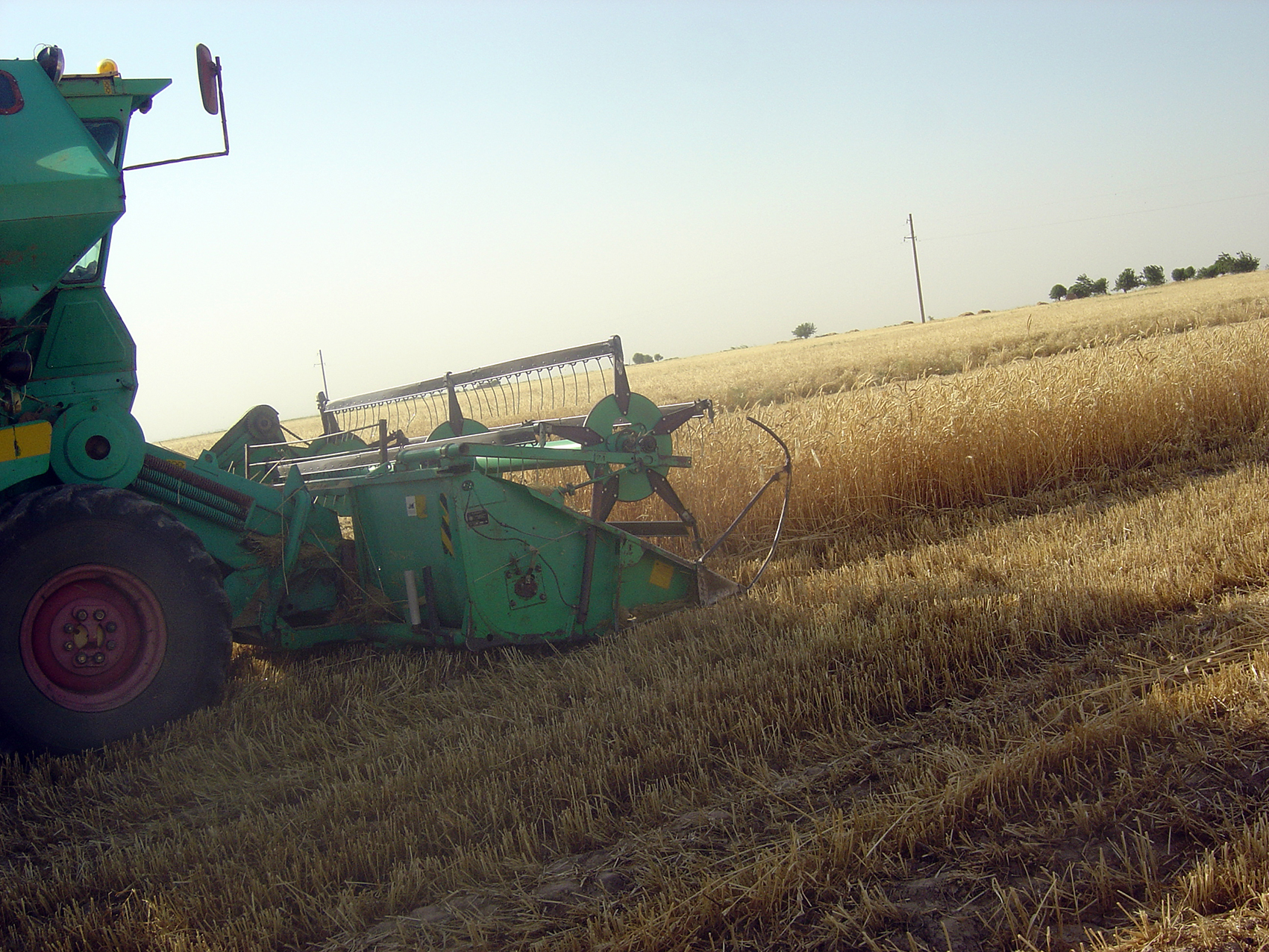
- 📍 Jizzakh region, Zarbdar district, Mirishkor Azim farm
- 📷 N. Shulepina
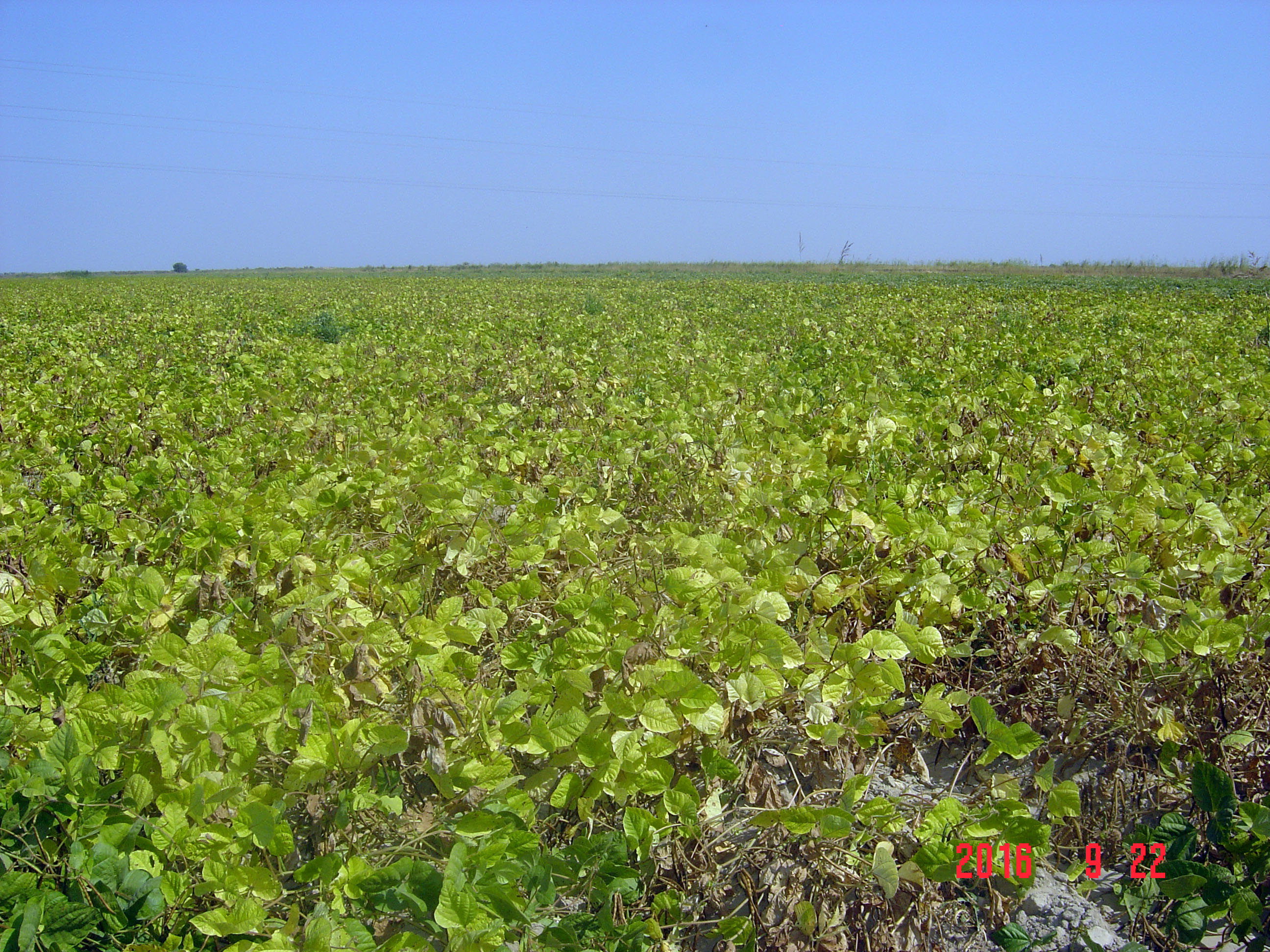
- 📍 Jizzakh region, Zarbdar district, Mirishkor Azim farm
- 📷 A. Umirov
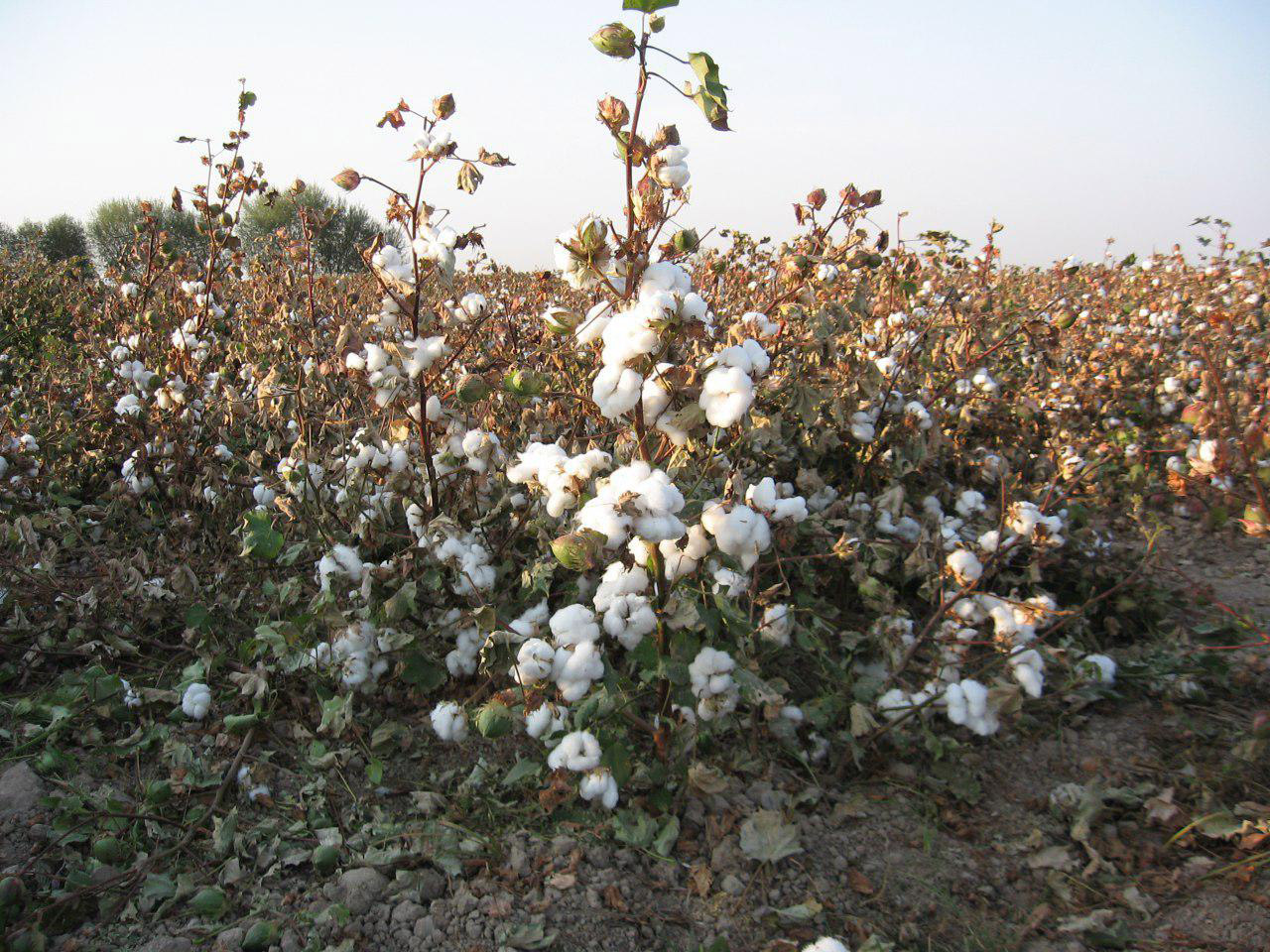
- 📍 Jizzakh region, Zarbdar district, Mirishkor Azim farm
- 📷 Alikhodzhaeva S.