
Almond planting on shallow terraces to increase the efficiency of rainfed lands and to prevent erosion
Type: Technologies
Creation: 2018-04-17 08:20 Updated: 2020-02-03 13:19
Compilers: Rustam Ibragimov
Reviewers: Alexandra Gavilano, Elizaveta Soloveyva, Olga Andreeva
Country/ region/ locations where the Technology has been applied and which are covered by this assessment
- Country: Uzbekistan
- Region/ State/ Province: Kamashinsky district, Kashkadarya region
- Further specification of location (e.g. municipality, town, etc.), if relevant: Kamashi town
- Map: View Map
Description of the SLM Technology
Short description of the Technology
Almonds and other drought-tolerant tree species are planted in rainfed zone, poor in precipitation, on shallow terraces on gentle slopes. Tree plantations prevent the development of soil erosion on the slopes and provide local land users with additional income
Detailed description of the Technology
Drylands in Uzbekistan are located in the foothills of Adyr and cover an area of 743,000 ha. Substantially, this is an agricultural zone, poor in rainfall, with a low and unstable row crops yield. The slopes are proned to soil erosion and require special methods of tillage and special measures to reduce erosion in order to improve the water regime and preserve the fertile topsoil.
The proposed technology includes the development of small terraces on the slopes with almonds planting and other local drought-resistant tree species on the terraces. Terracing is a traditional and well-known technique of cultivating crops on the slopes, therefore local timber enterprise have enough experience in creating such terraces. An isolated agroforestry area is fenced off by livestock damage. The technology has been applied as part of the GEF / FAO project “Decision Support for Mainstreaming and Scaling out Sustainable Land Management (GEF-FAO / DS-SLM)” (DS-SLM) (2015-2018)
Measures on implementation, inputs, and costs:
The technology includes the following activities:
1. Plowing, harrowing, soil leveling.
2. Small sloping terraces are created manually. The width of the terraces is 1 m, the distance between the seedlings is 5 m.
3. Creating a fence for the site.
4. Planting seedlings (in March) according to the scheme 5 mx 5 m.
5. Planting care includes:
- primitive drip irrigation using polyethylene bottles (first 2-3 years).
- fertilizer application (manure, composts)
- measures to control pests and diseases. In early spring (before the appearance of buds), trees are treated against pests with copper sulfate (ratio of 100-150 grams per 10 liters of water). Trunks of trees are treated with lime in March. Space between rows are treated with 57% of Fufanon at the rate of 0.6-1.0 l / ha, or 30% benzophosphate at the rate of 2.0-2.3 kg / ha to destroy root-gnawing caterpillars of beetles.
Total cost for establishment of the Technology is quite high, which is a limiting factor for its wide distribution. The main costs associated with the initial period (development of terraces, purchase and planting of seedlings). Hereinafter costs are reduced because there is no need for watering, weed distribution is reduced as a result of competitive relation with older trees
Natural and human environment.
Low precipitation is a feature of rainfed farming within the Technology area.
Territories under rainfed agriculture suffer from a lack of natural moisture and are subject to water and wind erosion. Climate and weather determine low and unstable productivity of winter wheat, which is traditionally grown on rainfed lands. Drought resistant crops such as sophlor are used to increase the productivity of rainfed lands. Rainfed and livestock farming are the main land use types for the local population. Finding alternative solutions and supporting the local community is essential for improving living standards and well-being. The development of plantations using drought-resistant fruit trees on sloping rainfed lands will increase land productivity of rainfed lands and the income of the local population engaged in agriculture. The Technology also provides environmental benefits - preventing soil erosion, mitigating the effects of climate change through sequestration of CO2 in woody biomass and soil, and contributes to the overall improvement of the environment.
Photos of the Technology
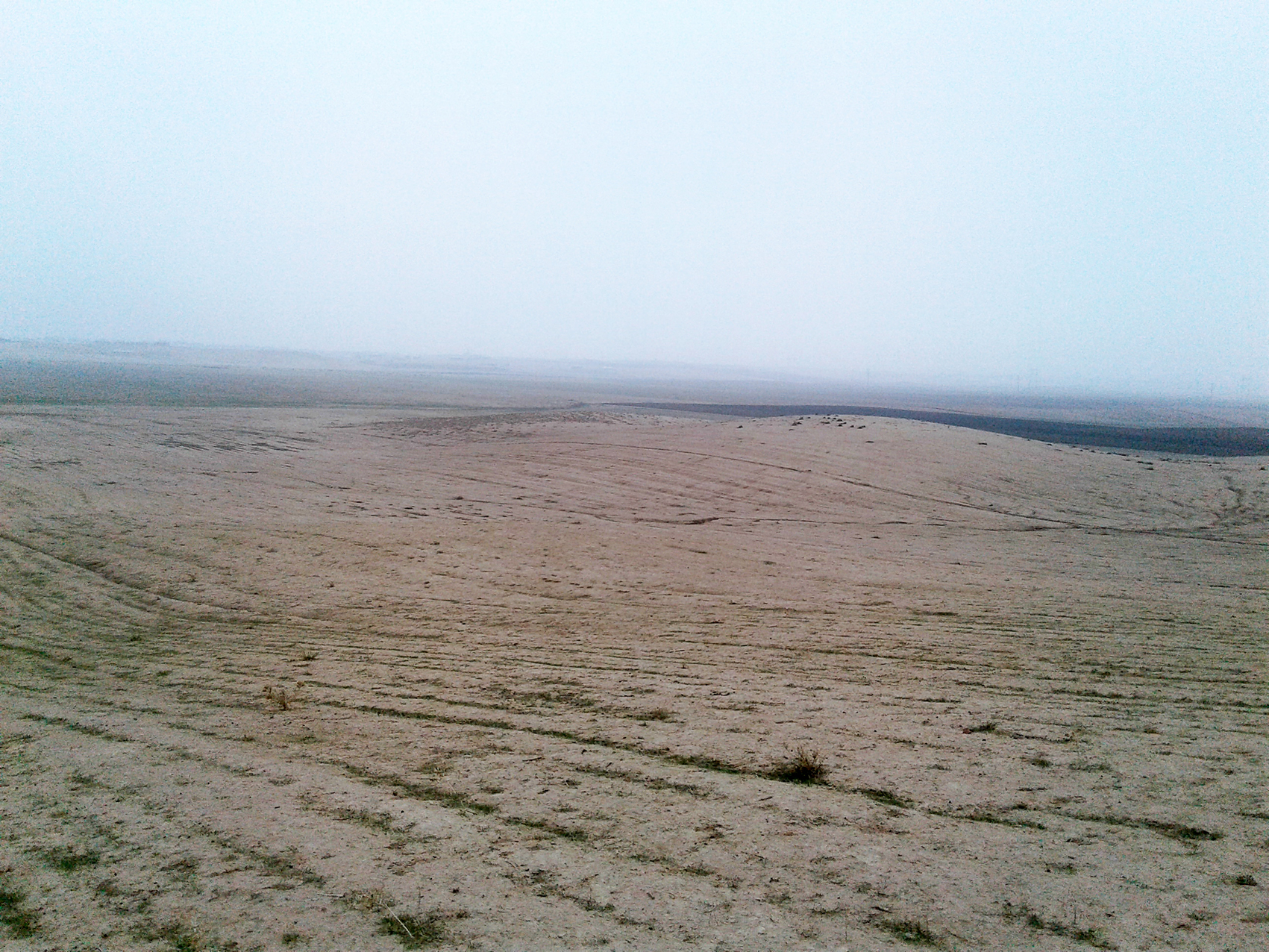
- 📍 Farm "Oltinbaev yeri" Kamashinsky district, Kashkadarya region
- 📷 T. Mukimov
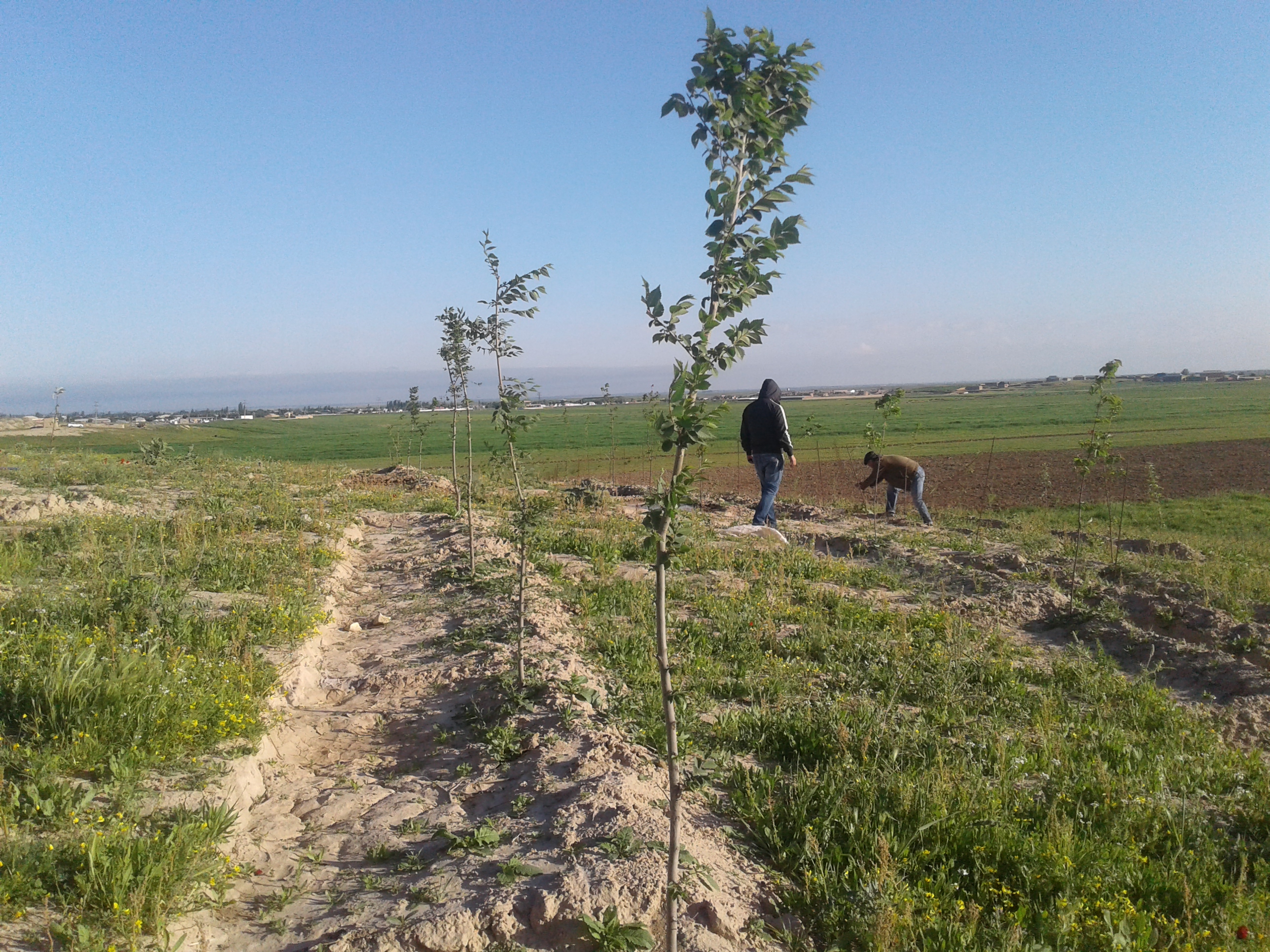
- 📍 Farm "Oltinbaev yeri" Kamashinsky district, Kashkadarya region
- 🗓 2017-04-04
- 📷 T. Mukimov