
High-altitude afforestation for erosion control
Type: Technologies
Creation: 2018-10-04 10:55 Updated: 2019-03-21 15:46
Compilers: Hanns Kirchmeir
Reviewers: Ursula Gaemperli
Country/ region/ locations where the Technology has been applied and which are covered by this assessment
- Country: Armenia
- Region/ State/ Province: Shirak and Aragatsotn Marzes
- Further specification of location (e.g. municipality, town, etc.), if relevant: Lusagyugh, Saralanj, Harich, Arayi, Quchak, Hnaberd, Mets Manatash, Pokr Mantash, Nahapetavan
- Map: View Map
Description of the SLM Technology
Short description of the Technology
Afforestation is a key technologies to protect soil against erosion and provide a wide range of ecosystem services. In this case, afforestation at high altitudes, which is particularly challenging, with the primary purpose of erosion control were planted in small patches with different methods. They form the basis for future community forests in Armenia.
Detailed description of the Technology
Forests are - in terms of biomass accumulation and stability - the most successful ecosystems in the world. Natural forest ecosystems offer multiple ecosystem services, such as timber and fuel wood provision, water purification, carbon sequestration. In mountainous landscapes, forests have an additional protective function against erosion and natural hazards (e.g., avalanches, landslides, debris flows or rock falls). In the South Caucasus, two natural limits restrict forest expansion: at 2.300-2.600m a.s.l. the upper tree line is visible, whereas steppe and semi-desert ecosystems form the lower tree line.
Socio-economic and geo-physical living conditions:
The intervention area is located at the northern to eastern slopes of Mount Aragats (4013m). The villages are located at 1600 to 1800 m above sea level where the slope meets a plain with stepic soils and crop production while the slopes of the mountains are used for livestock grazing (sheep and cattle).
Purpose of afforestation:
By means of afforestation of degraded pastures, mountainous areas that suffer from erosion and overgrazing should be rehabilitated and erosion protection capacity enhanced. At the same time, the afforestation sites should form the basis for future community forests providing a wide range of ecosystem services, a concept that has not yet been established in Armenia.
Implementation
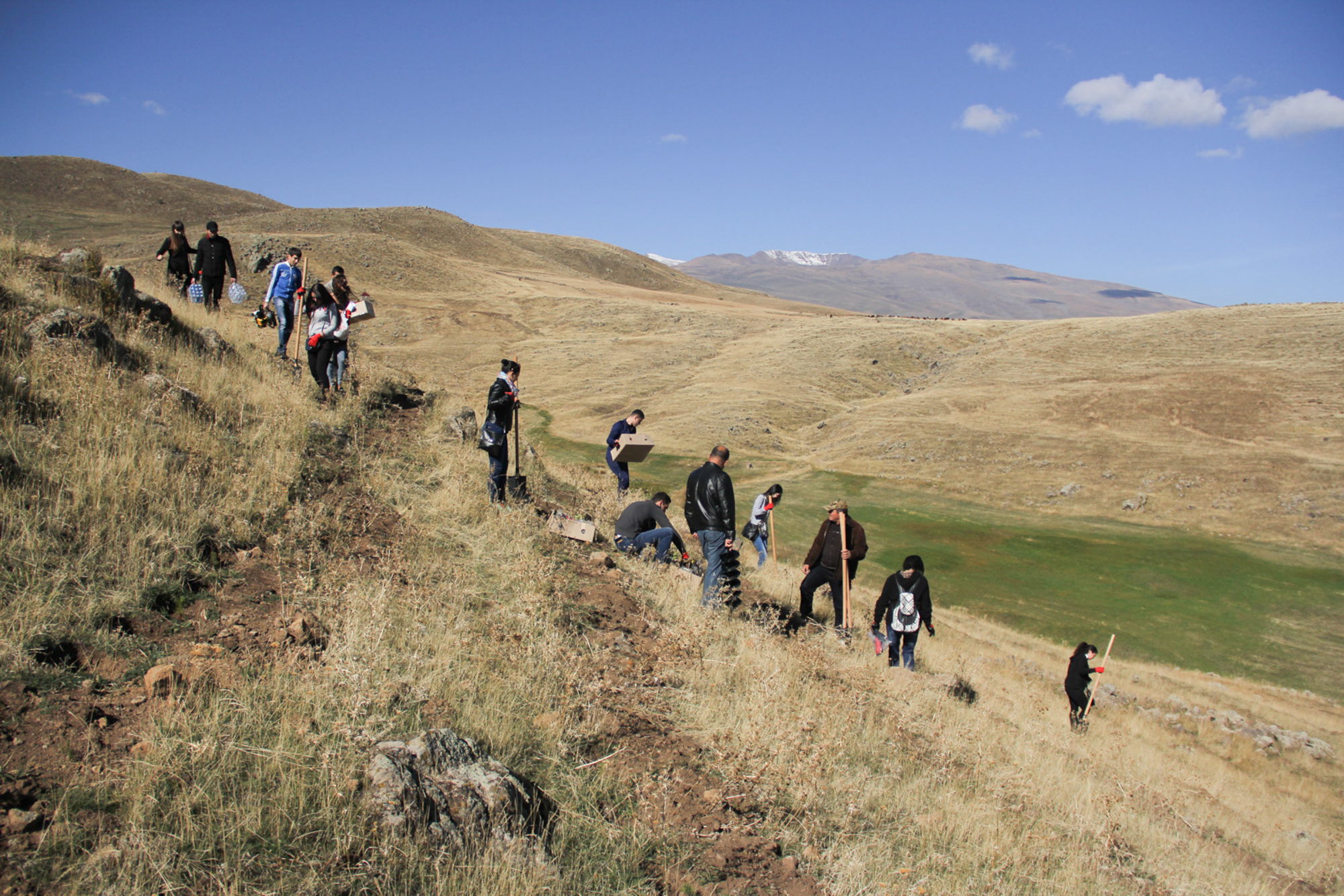
Between 2014 and 2017 more than 200 hectares were fenced for afforestation, 145 ha were actively afforested in 10 different communities around Mount Aragats in Armenia. The average size of the 20 plots is 10 ha (35 ha being the largest site, 1 ha the smallest one).
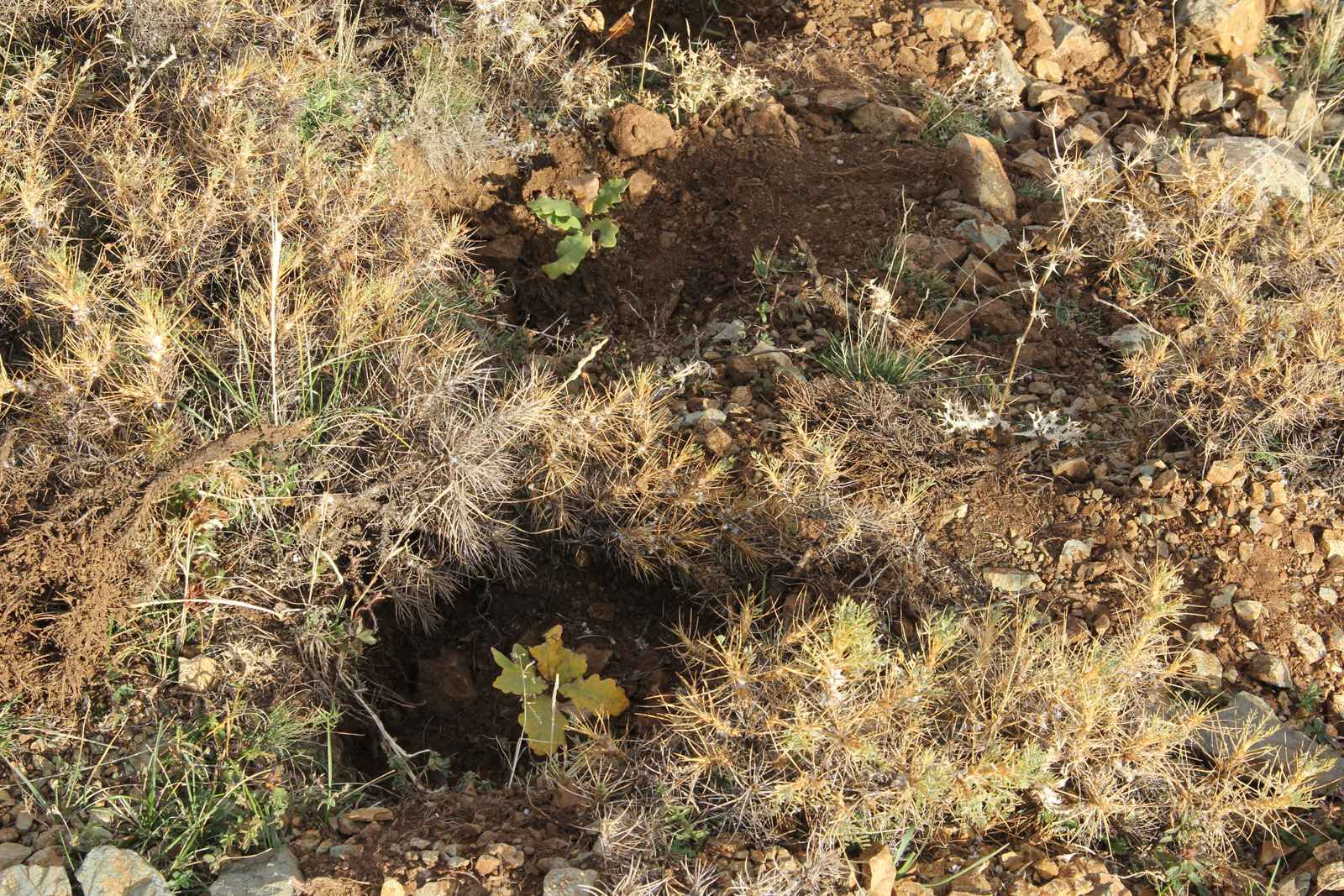
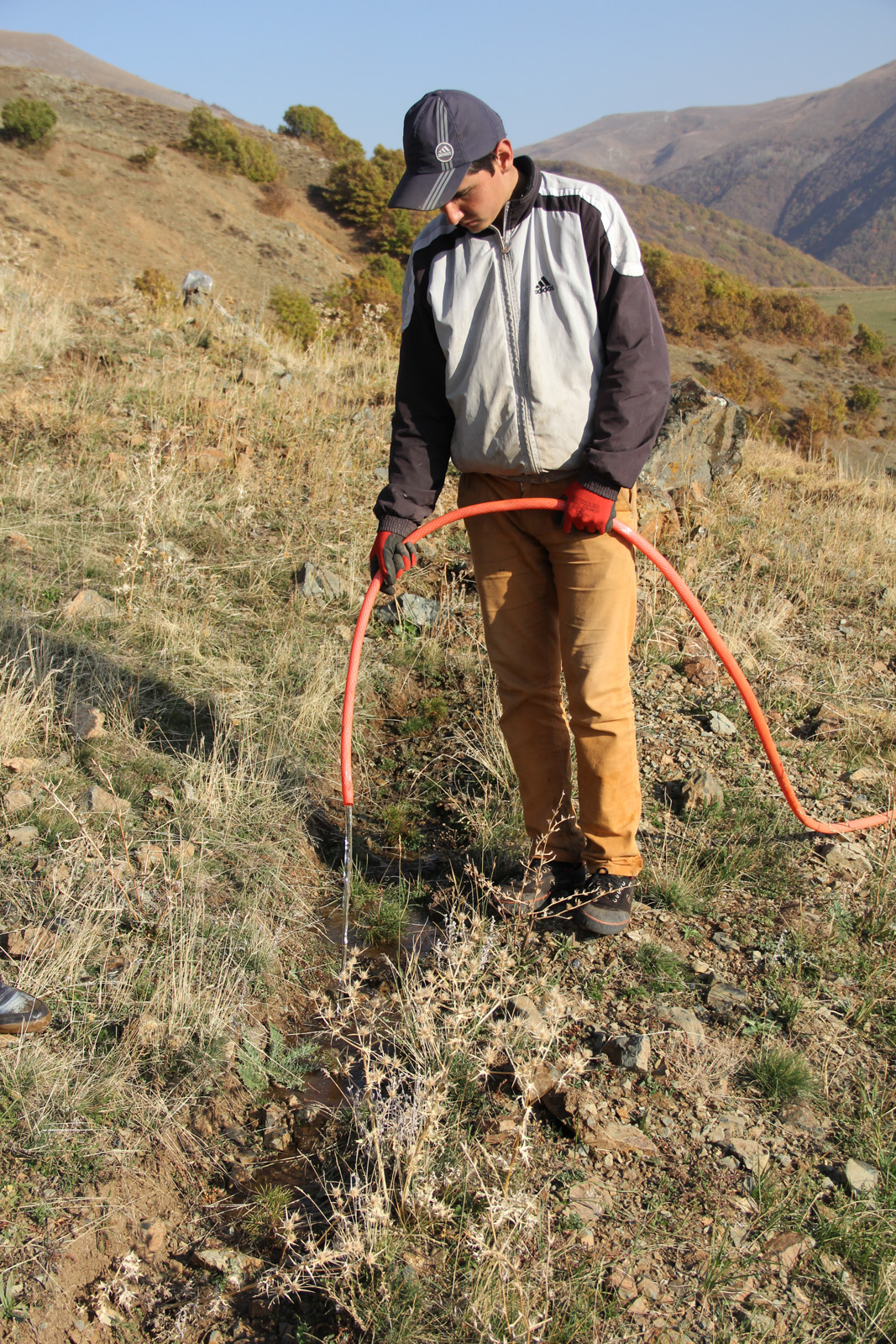
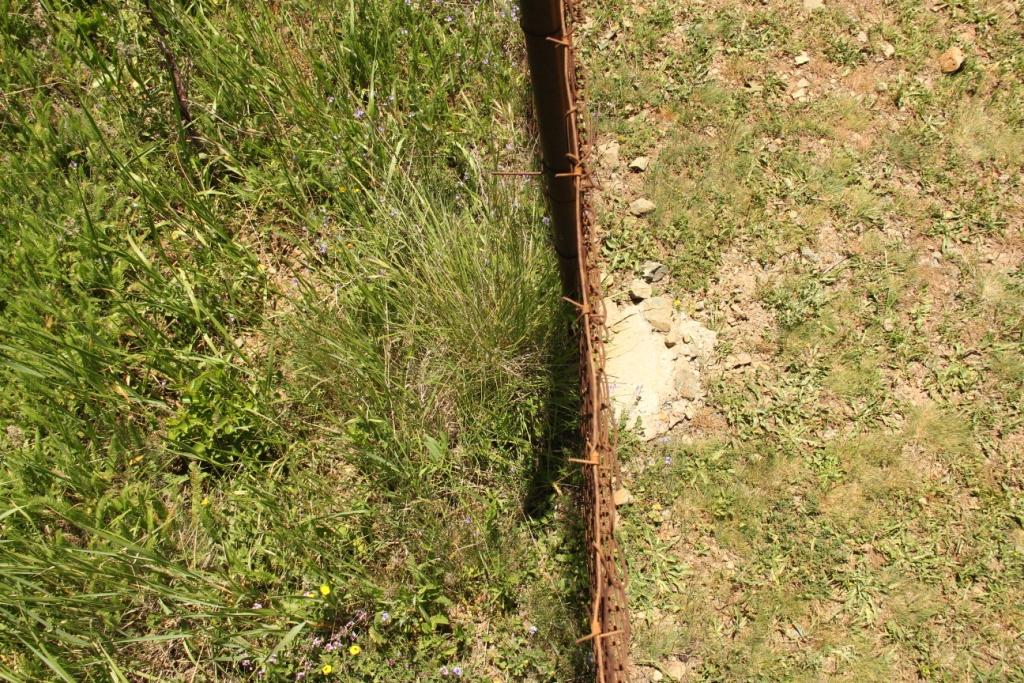
The afforestation included different species combinations, planting schemes and methods to determine most cost-efficient afforestation methods for Armenian conditions. All afforestation took place at elevations between 1900 and 2300 m.a.s.l.. The afforestation included fencing of the area to protect the afforestation site against grazing, the preparation of the planting sites according to fixed planting schemes, the actual planting in lines with trenches, single plant holes and group plantings. For some sites, additional irrigation was established for the first years. Particular attention was paid to the species selection which explicitly included fruit trees and shrubs to ensure local economic returns.
Practical experiences
A wide range species was tested. Within the given climate context, pine (Pinus sylvestris), the main non-native species as well as native maple (Acer trautvetteri), Persian Oak (Quercus macranthera) and birch (Betula litwinowii) showed the best results. Particular attention was paid to adapted species to create resilient forest-shrubland with a large number of tree species. In general, planting in trenches shows highest survival rates. Bare root system and containerized seedlings were used for planting. Containerized seedlings definitely provide better survival rate in comparison with bare root system seedlings. Additionally, mulch cover was provided to protect seedlings and keep soil humidity. The main maintenance measures are repeated mulching and weed control and irrigation during the first 3 years. Furthermore, some replanting is continuously taking place as the sites are facing tough environmental conditions (hot summers, drought, short vegetation period).
The plantation was organised and supervised by local NGO's (ATP Armenian Tree Project, ESAC Environmental Sustainability Assistance Center) in close cooperation with the local village population. In a Memorandum of Understandig between the Armenian Ministry of Territorial Administration and Development, the local village administration and GIZ the share of payed labour and own contribution was fixed beforehand.
Impacts and perception
After the first years already first successes are becoming visible contributing to increased vegetation cover, increased biomass and improved soil protection. The communities are proud to be amongst the first in Armenia with a community forest. However, slow growth will require continuous commitment and care on behalf of the community.
Photos of the Technology
- 📍 Lusagyugh, Armenia
- 📷 Kirchmeir, H.
- 📍 Lusagyugh, Armenia
- 📷 Kirchmeir, H.
- 📍 Lusagyugh, Armenia
- 📷 Kirchmeir, H.
- 📍 Lusagyugh, Aragatsotn Marz
- 📷 H. Kirchmeir
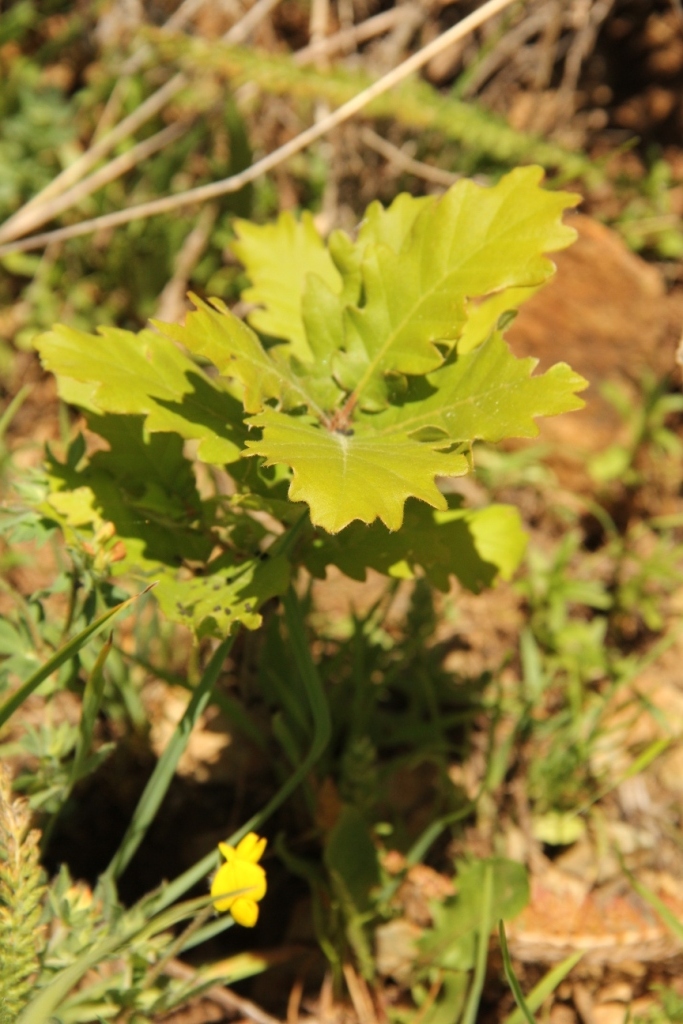
- 📍 Lusagyugh, Aragatsotn Marz
- 📷 H. Kirchmeir