
Planting of Acacia ampliceps to control severely salt-affected land.
Type: Technologies
Creation: 2018-10-29 10:23 Updated: 2021-01-07 11:14
Compilers: Chakkaphan Phaosrakhu
Reviewers: Samran Sombatpanit, Rima Mekdaschi Studer, William Critchley
Country/ region/ locations where the Technology has been applied and which are covered by this assessment
- Country: Thailand
- Region/ State/ Province: Nakhon Ratchasima
- Further specification of location (e.g. municipality, town, etc.), if relevant: Ban Kok Sa-ard, Moo 10 T. Danchang, A. Buayai, Nakhon Ratchasima, Thailand
- Map: View Map
Description of the SLM Technology
Short description of the Technology
Acacia ampliceps is a very salt-tolerant species that can grow well in severely salt-affected areas. Land leveling with ditches and dikes is needed, and they are planted along an east-west direction. The technology is very well accepted by land users.
Detailed description of the Technology
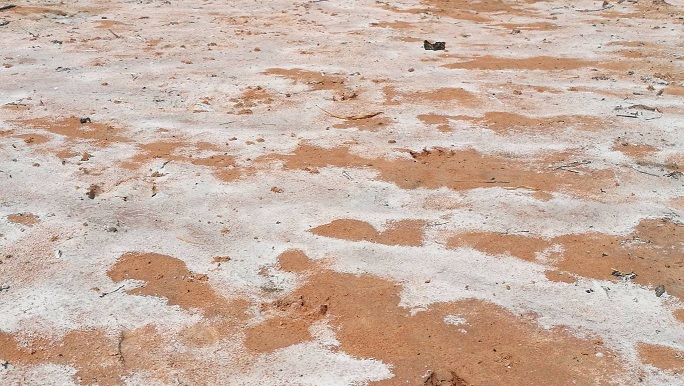
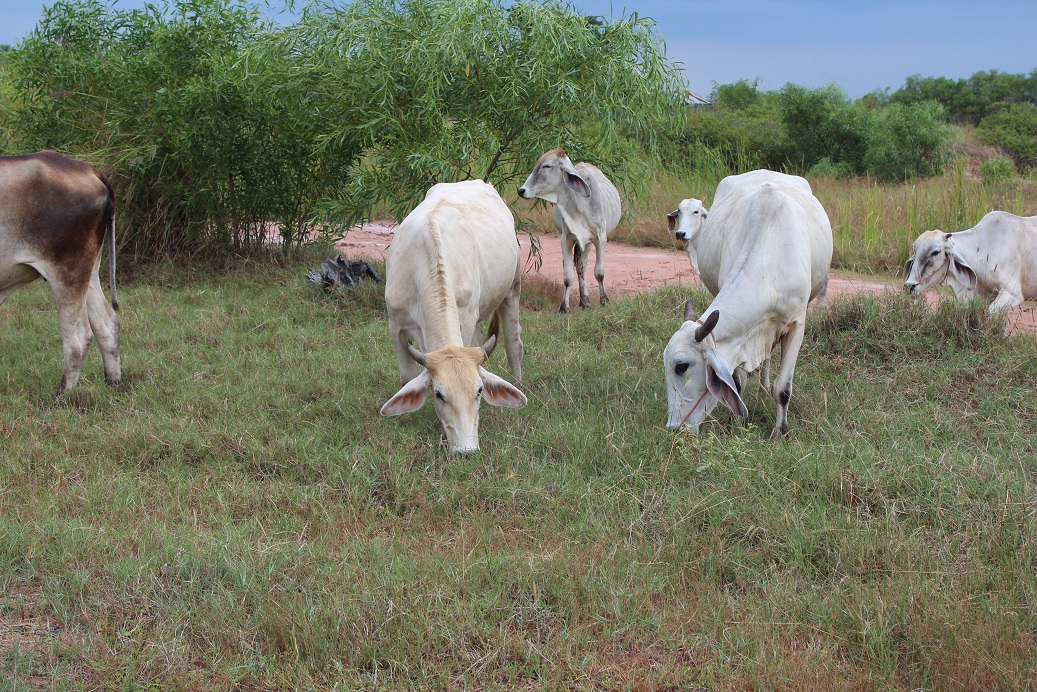
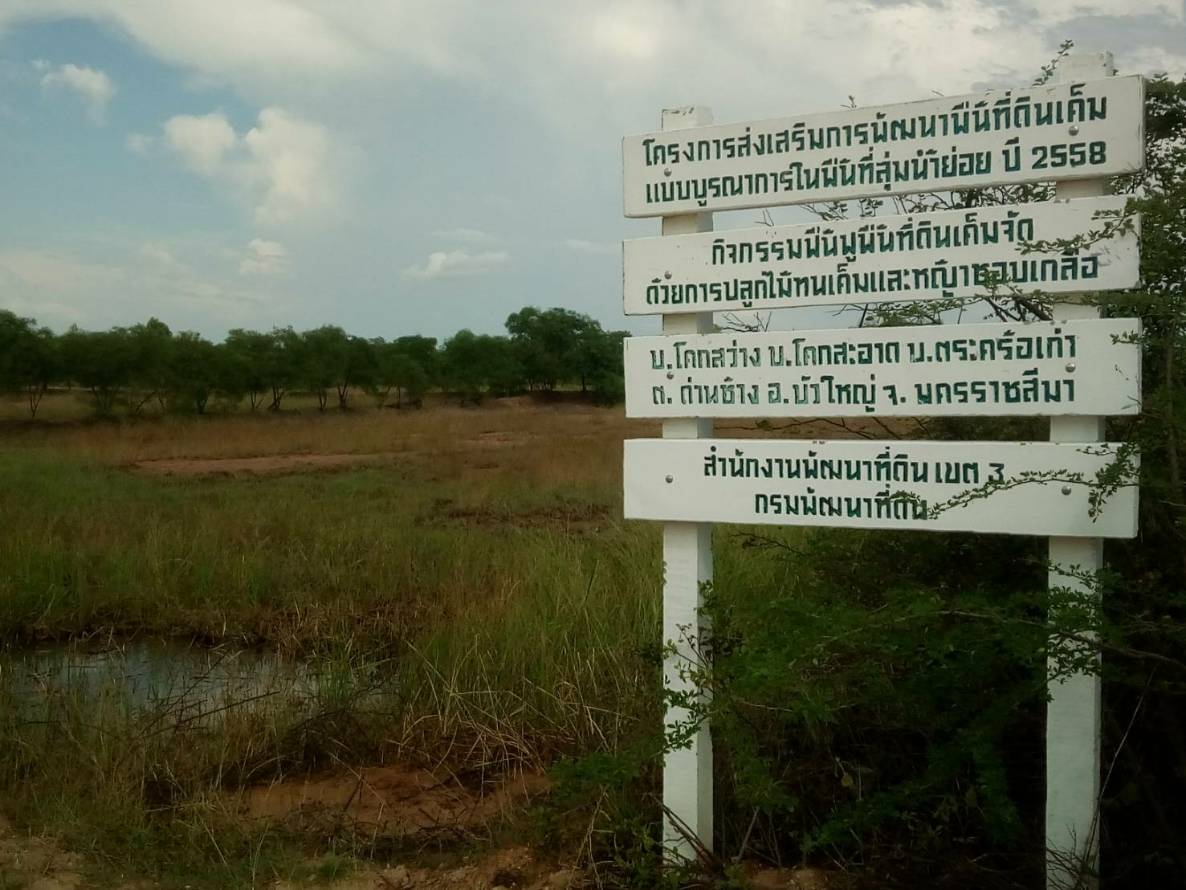
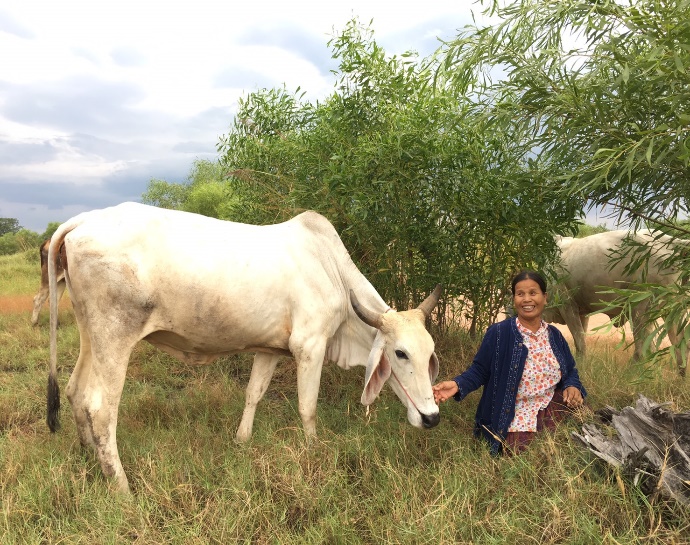
Acacia ampliceps (salt wattle, a leguminous Australian shrub), has been introduced in salt-affected areas in the Northeast of Thailand for the remediation of saline soils. It is a very salt-tolerant plant that grows well on severely salt-affected land. Leveling the land and furnishing with ditches and dikes is needed first, and then the trees are planted in the affected area, along an east-west orientation on the dikes. The technology is very well accepted by land users. Planting such trees in the severely salt-affected land in Kham Tale Sau, Nakhon Ratchasima Province is a subproject of the LDD project on "Planting Perennial Salt-tolerant Trees in Salt-affected Areas in the Northeast of Thailand", which started since 1997. In the subproject, Acacia ampliceps was grown on 68 rai (approx. 11 hectares) covering >50% of the salt patches in heavily salt-affected barren land owned by Mrs. Nurian Tathaisong at Ban Kok Sa-ad Village, Dansay Sub-district, Buayai District, Nakhon Ratchasima Province. In a recent study, after planting the acacia tree in 2015, her land had changed noticeably from its barren state to being covered with trees that provided shade; native grasses had returned to form a source of fodder for her 14 cattle. The purposes of the project have been to maximize the use of the land with a low level of inputs and to decrease salinity to the level that other less salt-tolerant plant species can survive - and crops can be grown for higher income. Eventually it is hoped that better soil properties will be created.
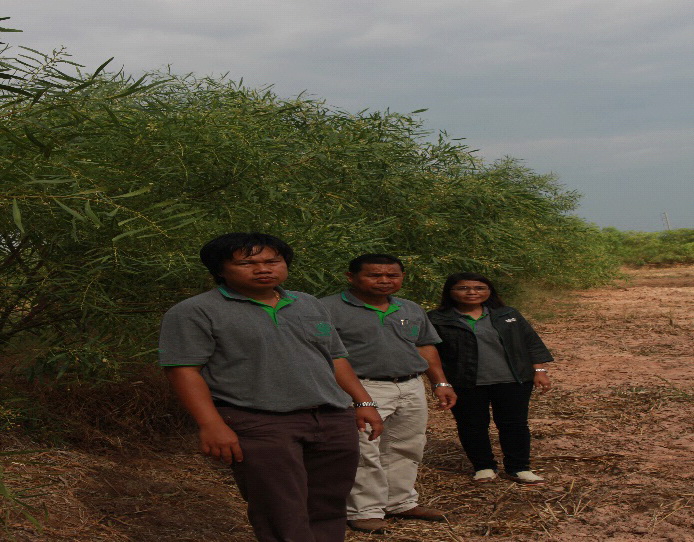
The technology started with locating severely salt-affected sites, leveling the land and furnishing it with ditches and dikes. Each dike is 2 m wide at its base, 0.5 m high, and 1.5 m wide on top. The ditch is 0.5 m deep and 1 m wide. Acacia ampliceps seeds are treated to break the dormancy by soaking in hot water (80°C) for 10 min before planting in the nursery. The 2-month-old seedlings are planted in pits of 0.3 x 0.3x 0.3 metres on the dike, with the addition of 1 kg each of compost and rice husks. Spacing between planting pits is 2 m as a single row in the middle of the dike. According to the land user, 1 year after planting native grasses had returned while the salt crusts had disappeared. At 2-years old, the average plant height was 1.65 m and continued growing, producing 8-10 coppices per tree, and leafy shade for cattle. Acacia ampliceps wood is used to produce charcoal. Three years after planting, the land user had converted 23 rai (approx. 3.7 hectares) of less saline land to paddy fields. After a period of 3 years, the technology induced a better microclimate and richer diversity of flora and fauna species, e.g. wild flowers, native grasses, frogs, dragonflies, earthworms, birds and rats. The fragrant Acacia ampliceps flowers attract bees, thus in the near future the land user intends to undertake apiculture as well as producing essential oil, and making charcoal. The only visible threat to Acacia ampliceps is a forest-fire risk due to its high oil content; fires could cause damage to crops.
Photos of the Technology
- 📍 Ban Kok Sa-ard, Moo 10 T. Danchang, A. Buayai, Nakhon Ratchasima, Thailand
- 📷 Chakkaphan Phaosrakhu
- 📍 Ban Kok Sa-ard, Moo 10 T. Danchang, A. Buayai, Nakhon Ratchasima, Thailand
- 📷 Chakkaphan Phaosrakhu
- 📍 Ban Kok Sa-ard, Moo 10 T. Danchang, A. Buayai, Nakhon Ratchasima, Thailand
- 📷 Chakkaphan Phaosrakhu
- 📍 Ban Kok Sa-ard, Moo 10 T. Danchang, A. Buayai, Nakhon Ratchasima, Thailand
- 🗓 2017-09-10
- 📷 Chakkaphan Phaosrakhu
- 📍 Ban Kok Sa-ard, Moo 10 T. Danchang, A. Buayai, Nakhon Ratchasima, Thailand
- 📷 Chakkaphan Phaosrakhu