
Organic Farming on a Moderate Hillside Slope
Type: Technologies
Creation: 2018-12-06 07:38 Updated: 2021-01-18 17:16
Compilers: Kukiat SOITONG
Reviewers: Rima Mekdaschi Studer, William Critchley
Country/ region/ locations where the Technology has been applied and which are covered by this assessment
- Country: Thailand
- Region/ State/ Province: Kanchanaburi
- Further specification of location (e.g. municipality, town, etc.), if relevant: Moo4 Ban Thungna Tambon Nongpet Srisawat District Kanchanaburi province
- Map: View Map
Description of the SLM Technology
Short description of the Technology
Organic farming on moderate hillside slopes protects the land, soil and water to produce sustainable and safe and natural farm products without the use of chemicals.
Detailed description of the Technology
Farming on sandy and gravelly sloping hillsides without soil and water conservation (SWC) measures causes erosion and thus reduces soil fertility. Any area grown to monocrops, such as maize, for a long time using high rates of chemical fertilizers and pesticides, will leave toxic residues in the products, becoming harmful to farmers’ and consumers’ health. Organic farming with the SWC measures is a solution. There are key elements to organic farming technology on sloping area. Soil fertility can be improved by growing leguminous green manures as well as applying compost. A farm should be divided by slope gradient for proper management in each zone. There should be ponds dug for water supply. An organic farm needs a buffer zone to help to control diseases and insects. Finally, weed control should be done by a mechanical method, leaving residues for mulching.
Organic farming in these areas restores soil fertility, balances the ecology and increases biodiversity, as well as reducing costs and generating more income. There are health benefits too. Procedures are as follows:
1. Increasing soil fertility: Grow green manure crops (jack bean and sunn hemp) alternately 6 times a year for 2 years. Incorporate the compost made from farm residues and the bio-fermented solution in the soil.
2. Zone management: The farming area should be divided by the slope zones for SWC measures and crop management. Grow vetiver grass on slopes to slow the flow of water, to trap sediment and to control insect pests. The farm should be divided into two parts. For moderately sloping hillsides area one should grow bamboo, fruit trees, and/or home-use forest, and for flatter areas one may grow bananas, papaya, vegetables, guava, herbs, fruits tree, etc.
3. On-farm water resources: Make an on-farm water resource by digging ponds and/or drilling groundwater for farming and home use. If a sprinkler system is installed; bio-fermented soil amendment solution is applied through the process of fertigation (nutrients in irrigation water).
4. The Buffer Zone is built by planting bamboo and trees to trap chemicals that might be blown through that space. The Buffer Zone width is 3-5 meters.
5. Pest control is carried out by using bio-fermented solution LDD 7.
6. Weed control is done by mechanical means, resulting in material to use for mulching and to increase organic matter.
7. Do farm accounting to know the cost of investment and of farm management.
To farmers there are some benefits from organic farming: soil becomes more fertile, cost of production is reduced, farm products are safe and meet the market’s demand, and the producers’ and consumers’ health is better. There is good cooperation among farmers, government and private agencies involved in the project. The use of the technology gives an opportunity to farmers to achieve the standard for certification. Organic farm products are under the government’s driven policy and there is good cooperation among public and private agencies which eventually increases farmers’ competitiveness.
Photos of the Technology
- 📍 Moo 4 Ban Thungna, Nongpet Sub-district, Srisawat District, Kanchanaburi Province, Thailand
- 📷 Mr. Daoyos Ninlanon
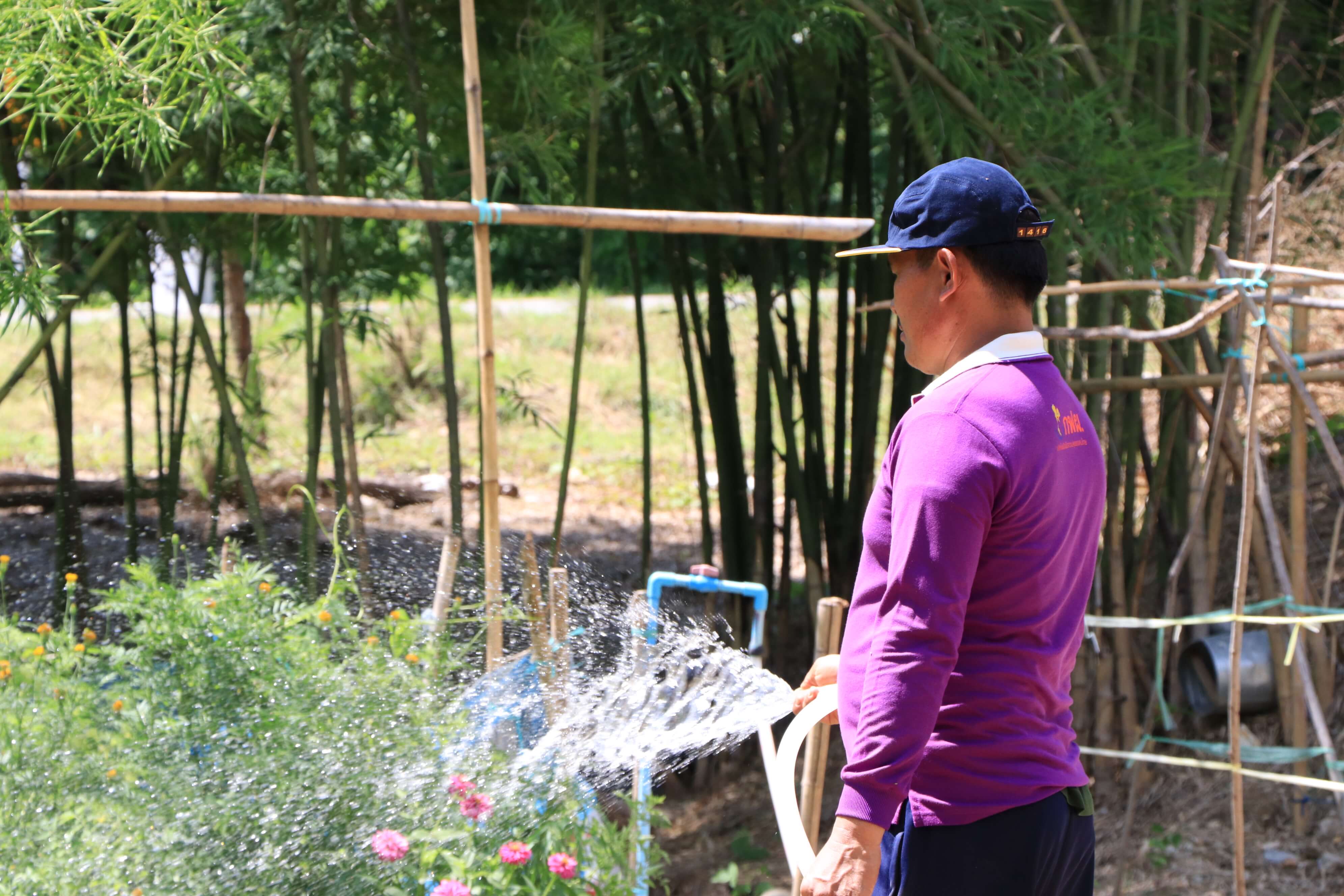
- 📍 Mr Phongphat Mongkolkankul(นายพงษ์พัฒน์ มงคลกอก) Moo 4 Ban Thungna, Nongpet Sub-district, Srisawat District, Kanchanaburi Province, Thailand
- 📷 Mr. Daoyos Ninlanon
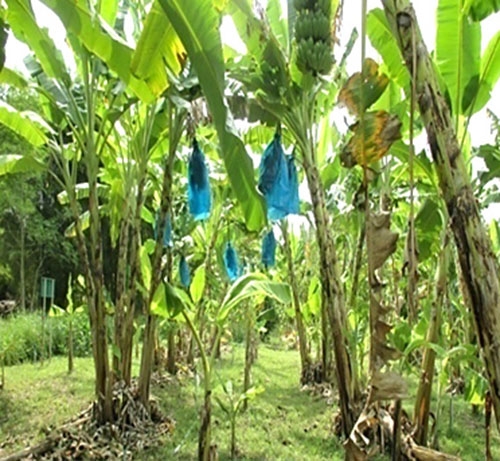
- 📍 Mr Phongphat Mongkolkankul(นายพงษ์พัฒน์ มงคลกอก) Moo 4 Ban Thungna, Nongpet Sub-district, Srisawat District, Kanchanaburi Province, Thailand
- 📷 Mr. Daoyos Ninlanon
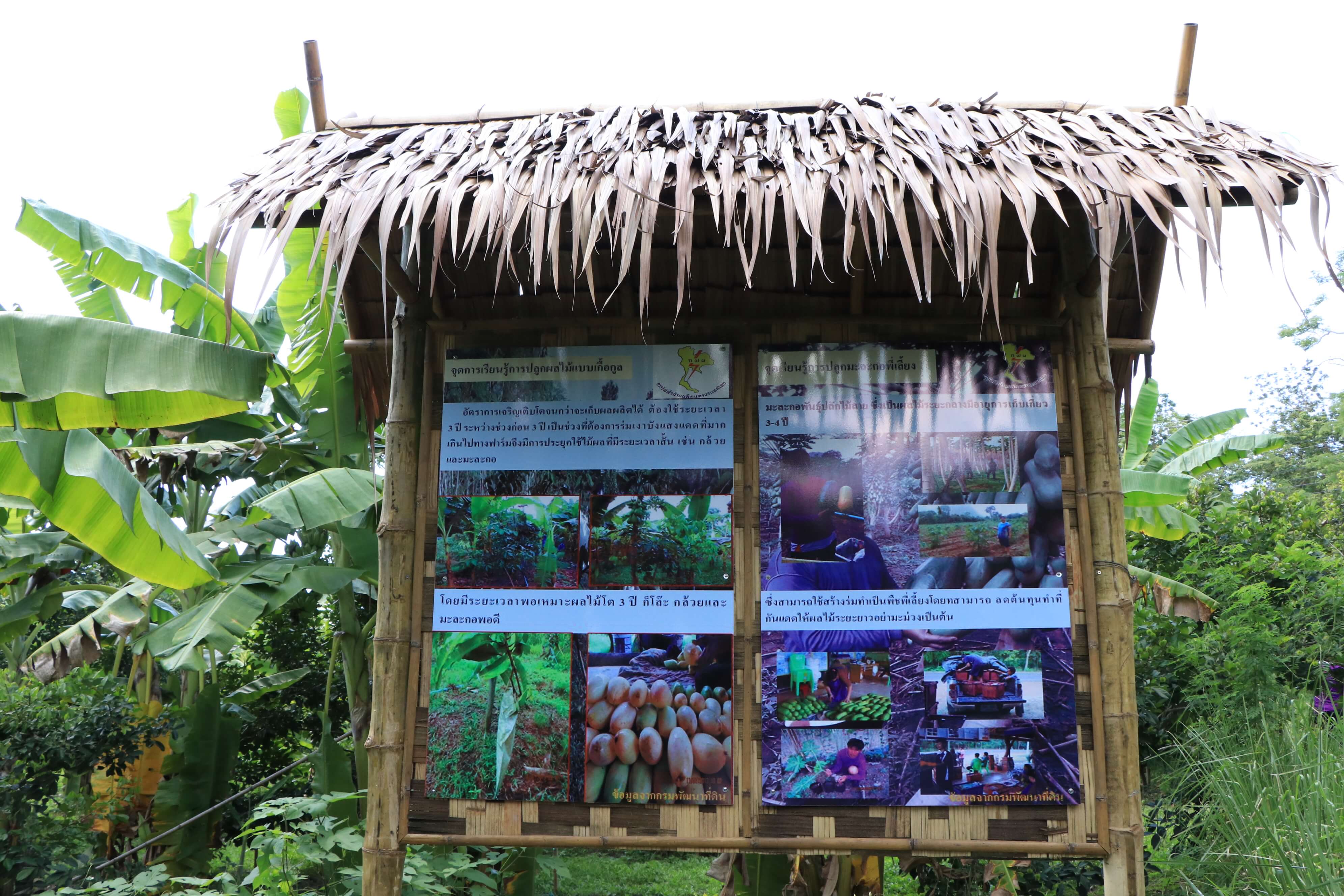
- 📍 Moo 4 Ban Thungna, Nongpet Sub-district, Srisawat District, Kanchanaburi Province, Thailand (หมู่ 4 บ้านทุ่งนา ต. หนองเป็ด อ. ศรีสวัสดิ์ จ. กาญบุรี)
- 📷 Mr. Daoyos Ninlanon
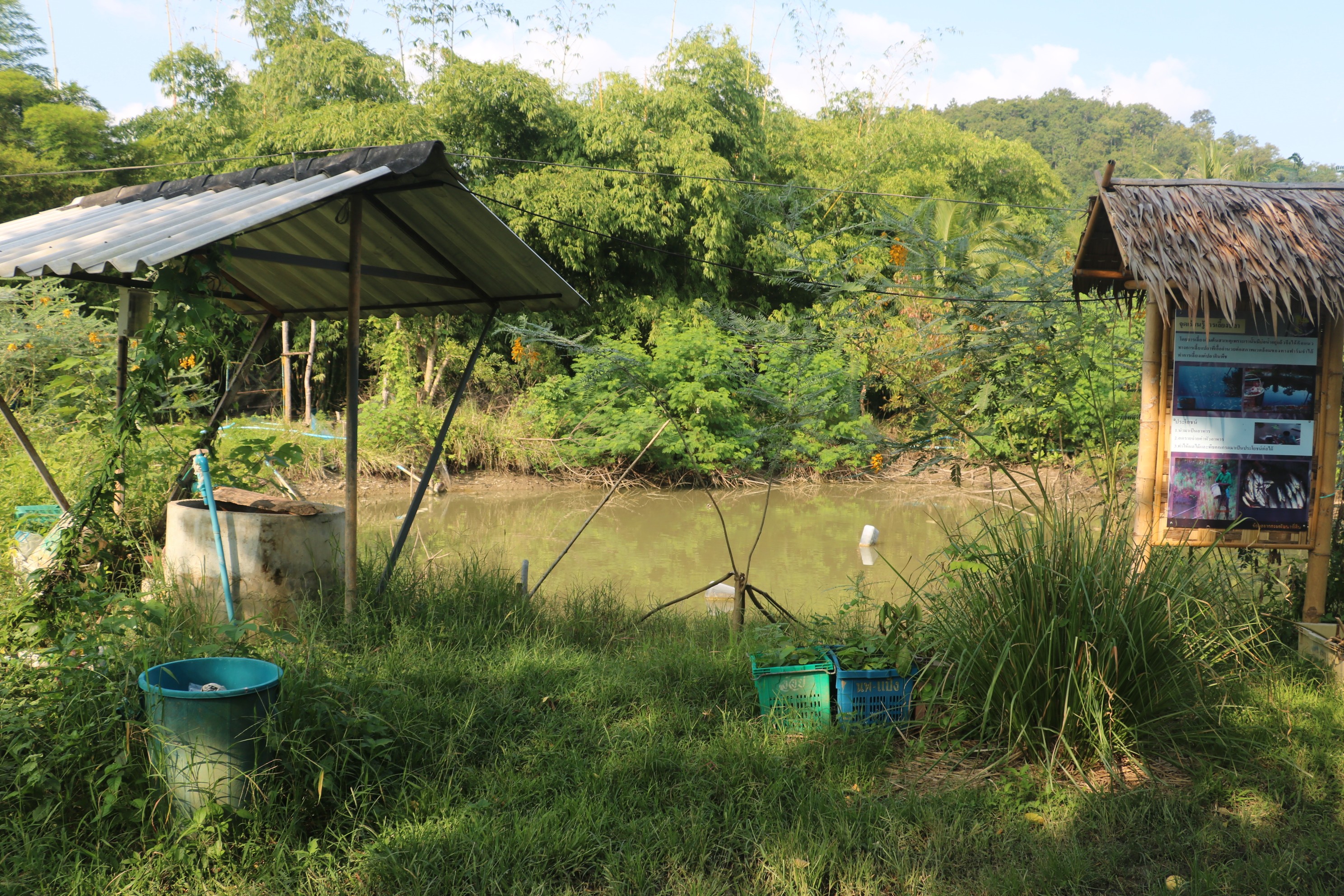
- 📍 Moo 4 Ban Thungna, Nongpet Sub-district, Srisawat District, Kanchanaburi Province, Thailand (หมู่ 4 บ้านทุ่งนา ต. หนองเป็ด อ. ศรีสวัสดิ์ จ. กาญจนบุรี)
- 📷 Mr. Daoyos Ninlanon
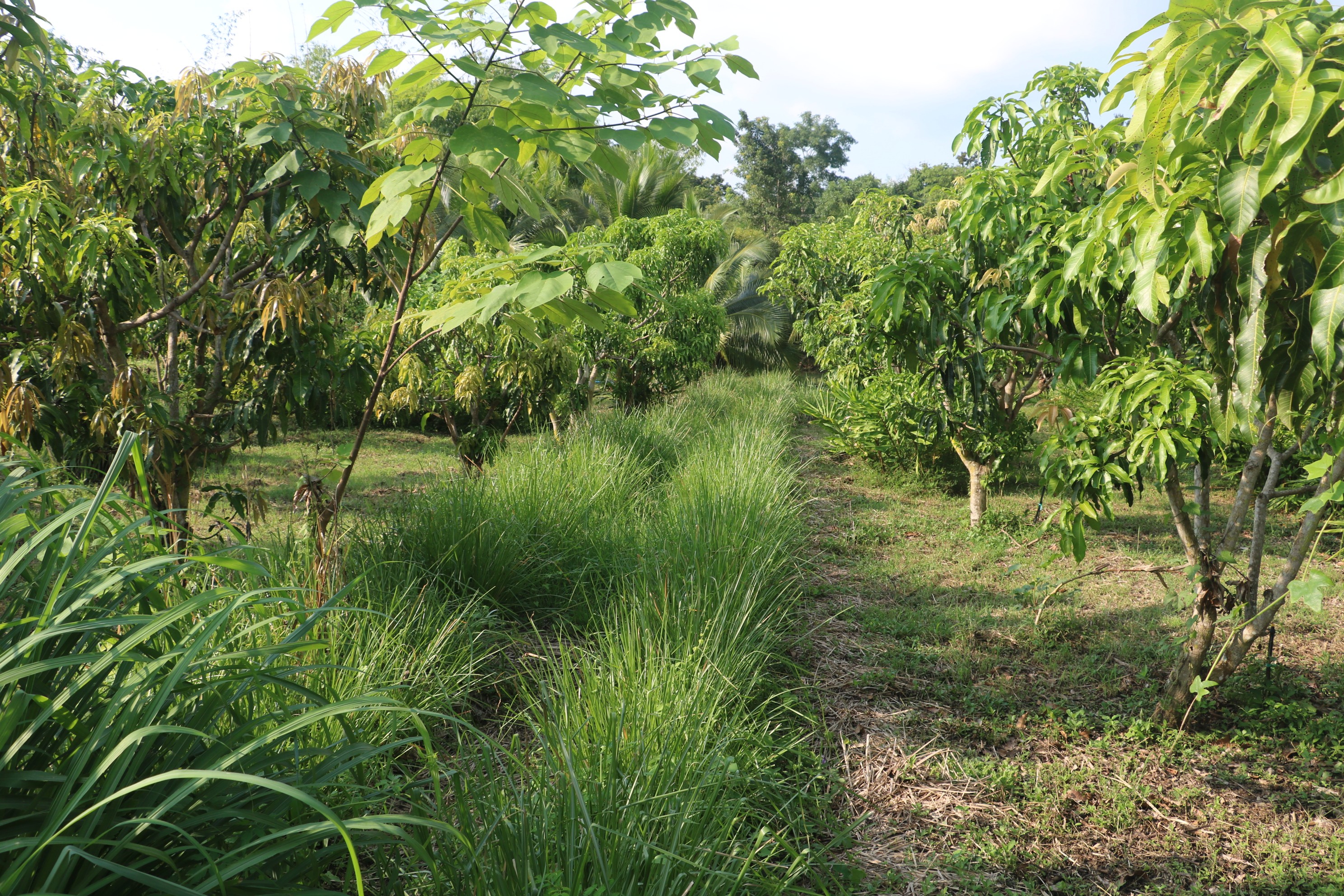
- 📍 Moo 4 Ban Thungna, Nongpet Sub-district, Srisawat District, Kanchanaburi Province, Thailand (หมู่ 4 บ้านทุ่งนา ต. หนองเป็ด อ. ศรีสวัสดิ์ จ. กาญจนบุรี)
- 📷 Mr. Daoyos Ninlanon
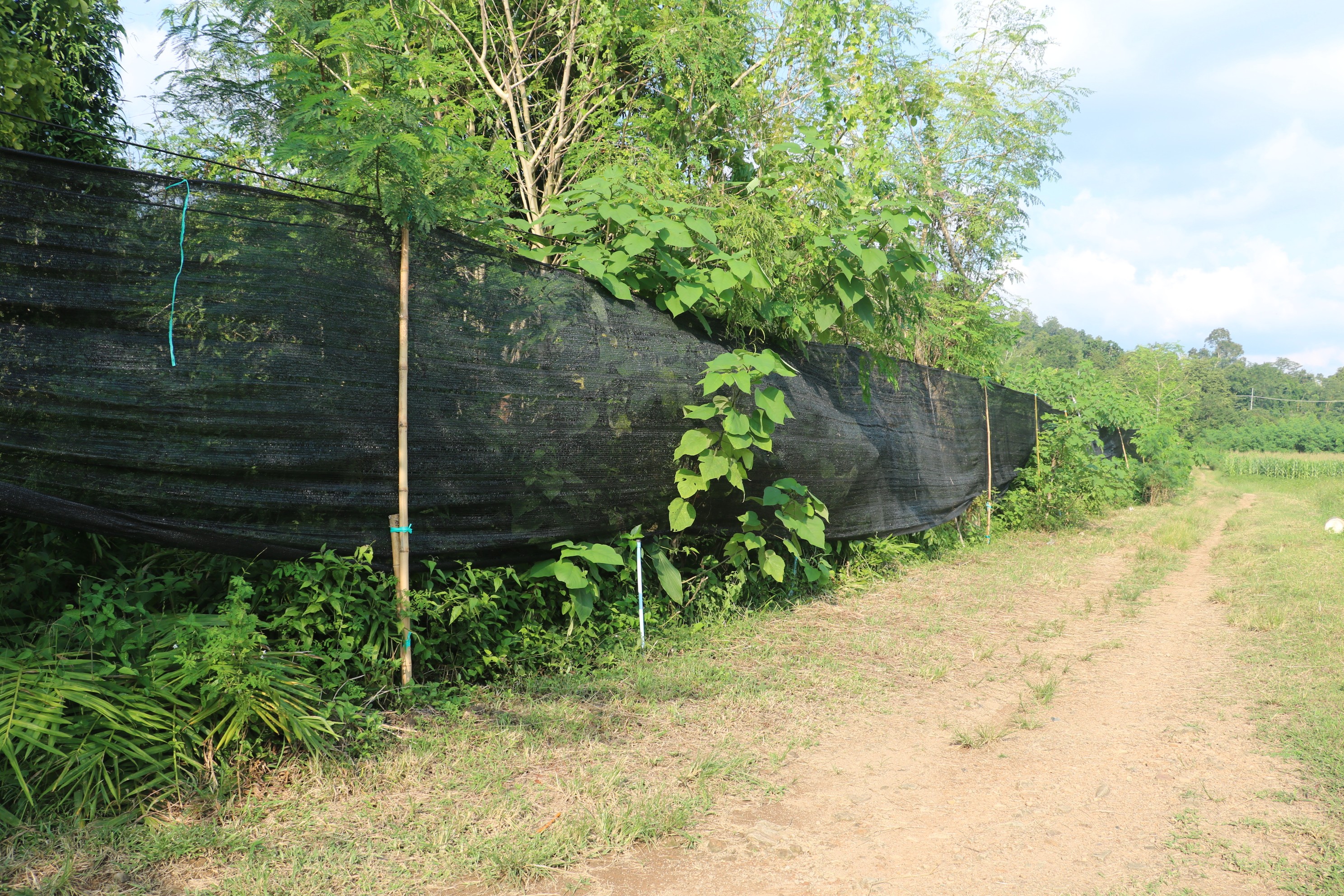
- 📍 Moo 4 Ban Thungna, Nongpet Sub-district, Srisawat District, Kanchanaburi Province, Thailand (หมู่ 4 บ้านทุ่งนา ต. หนองเป็ด อ. ศรีสวัสดิ์ จ. กาญจนบุรี)
- 📷 Mr. Daoyos Ninlanon