
Introduction of Crop Rotation
Type: Technologies
Creation: 2018-12-18 15:38 Updated: 2019-10-04 11:24
Compilers: Hanns Kirchmeir
Reviewers: Ursula Gaemperli
Country/ region/ locations where the Technology has been applied and which are covered by this assessment
- Country: Georgia
- Region/ State/ Province: Kakheti
- Further specification of location (e.g. municipality, town, etc.), if relevant: Dedoplistskaro
- Map: View Map
Description of the SLM Technology
Short description of the Technology
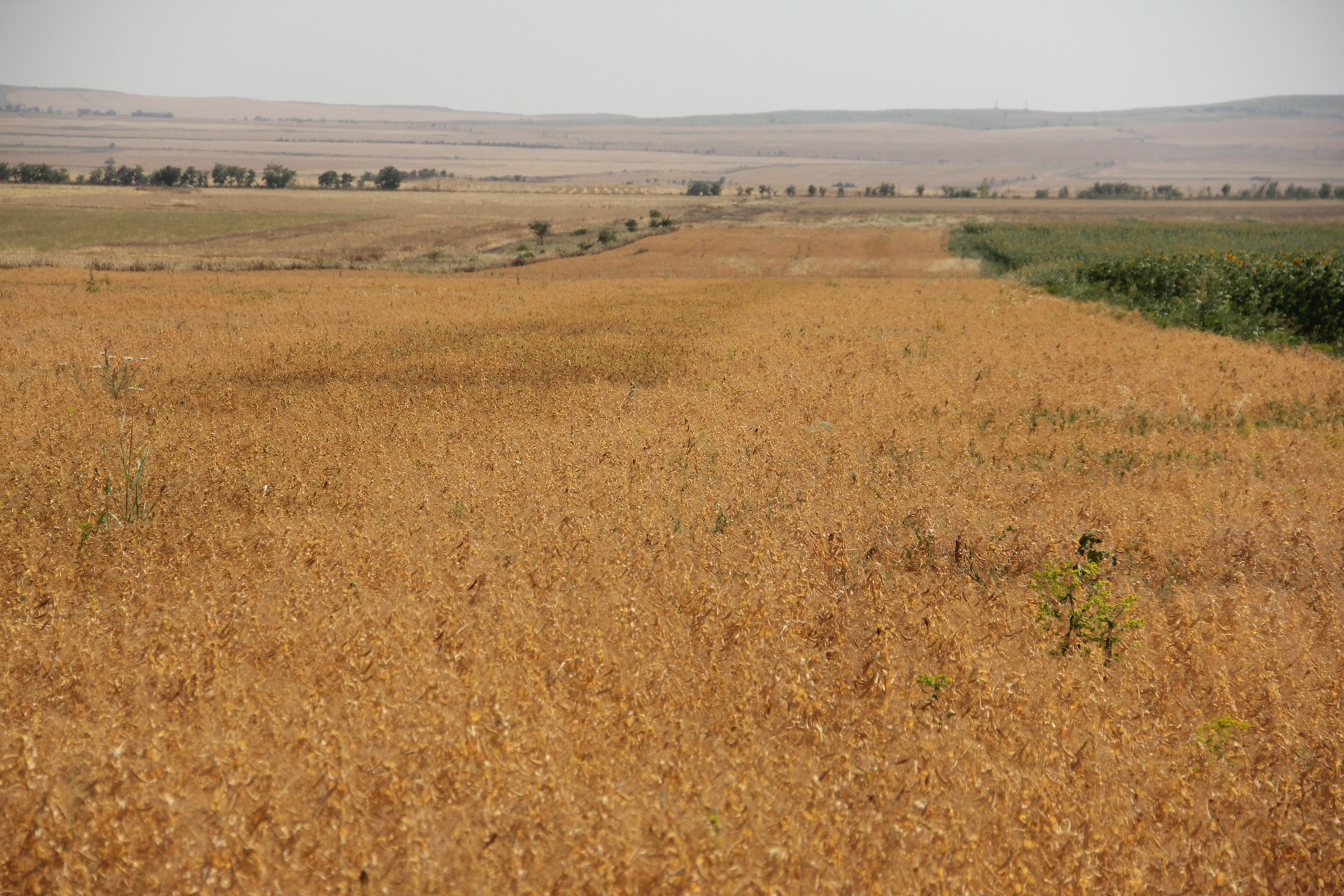
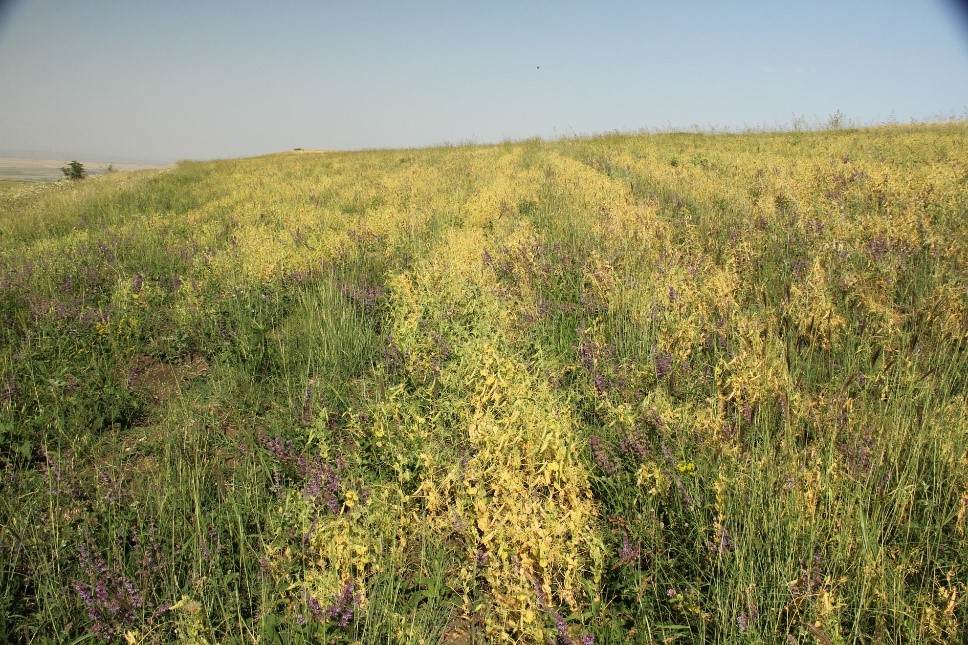
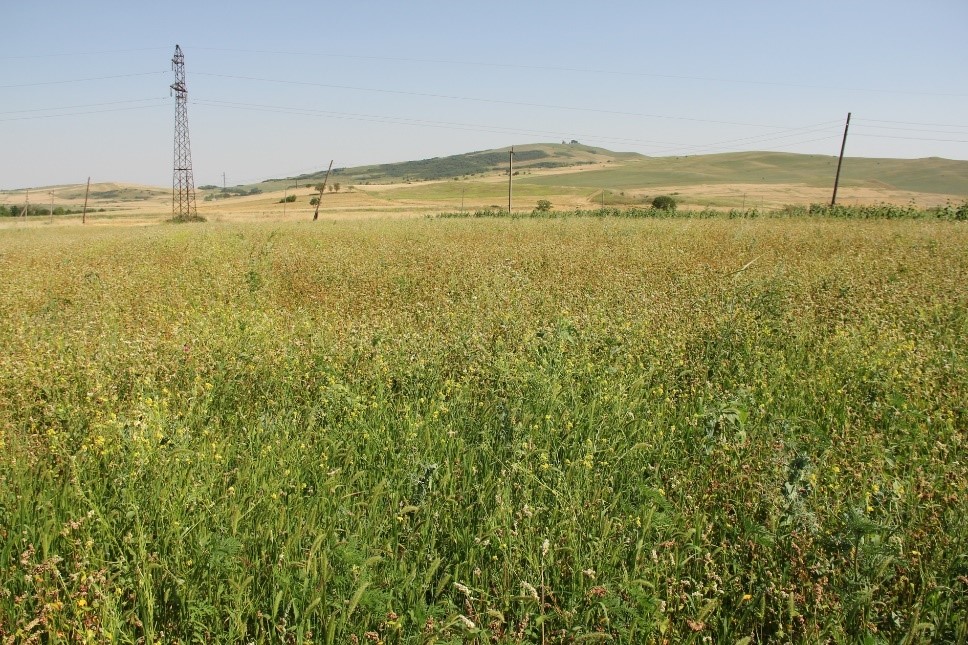
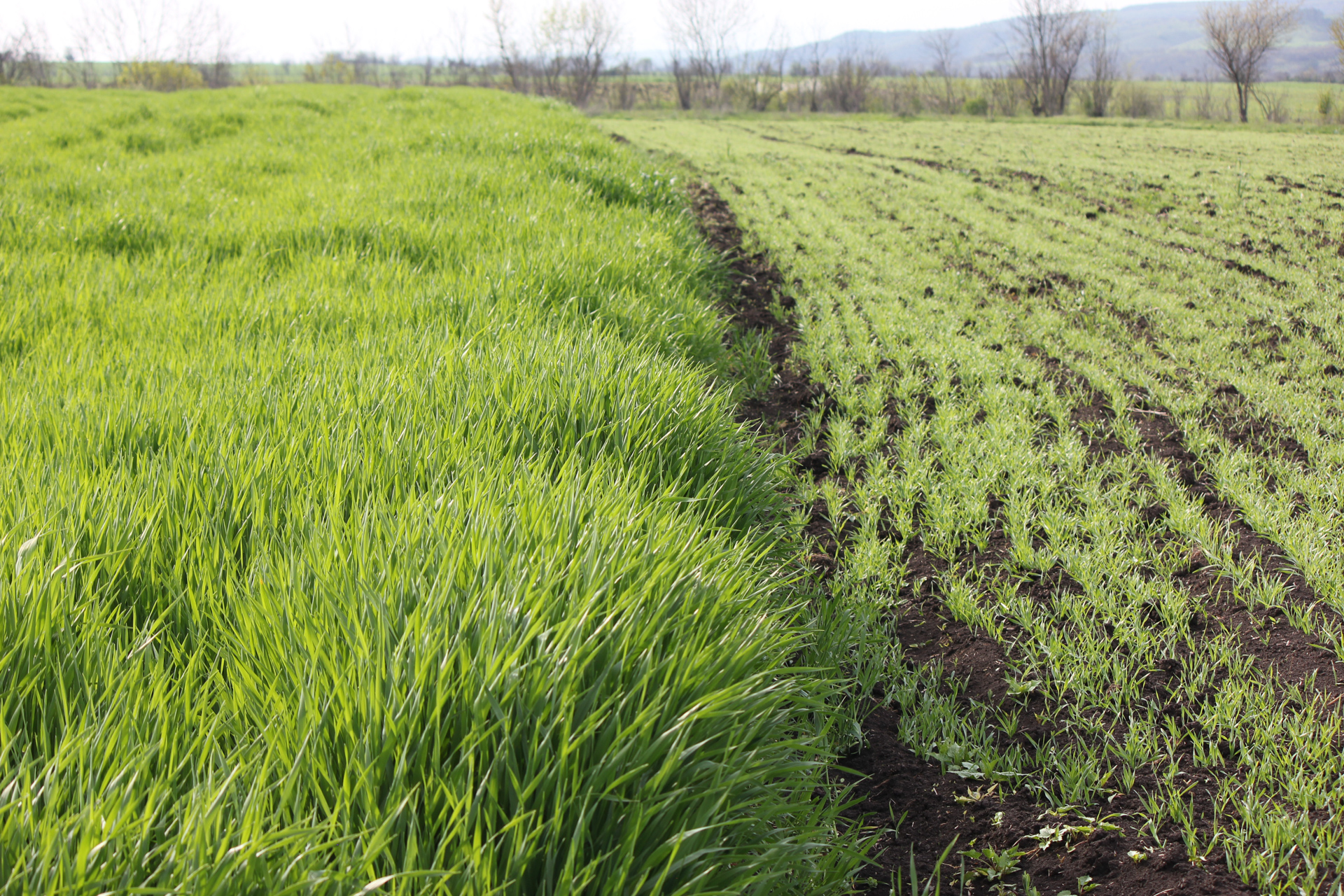
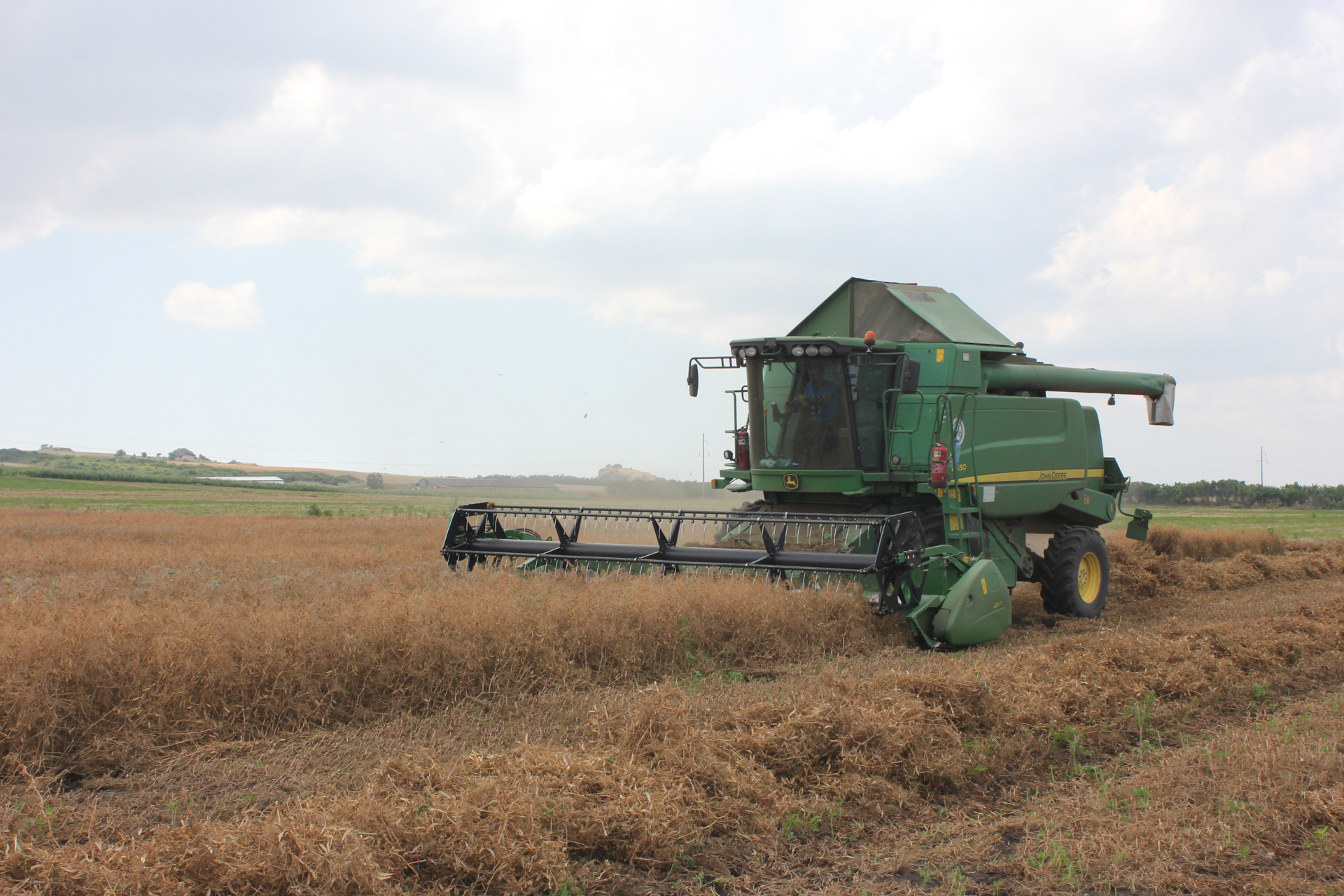
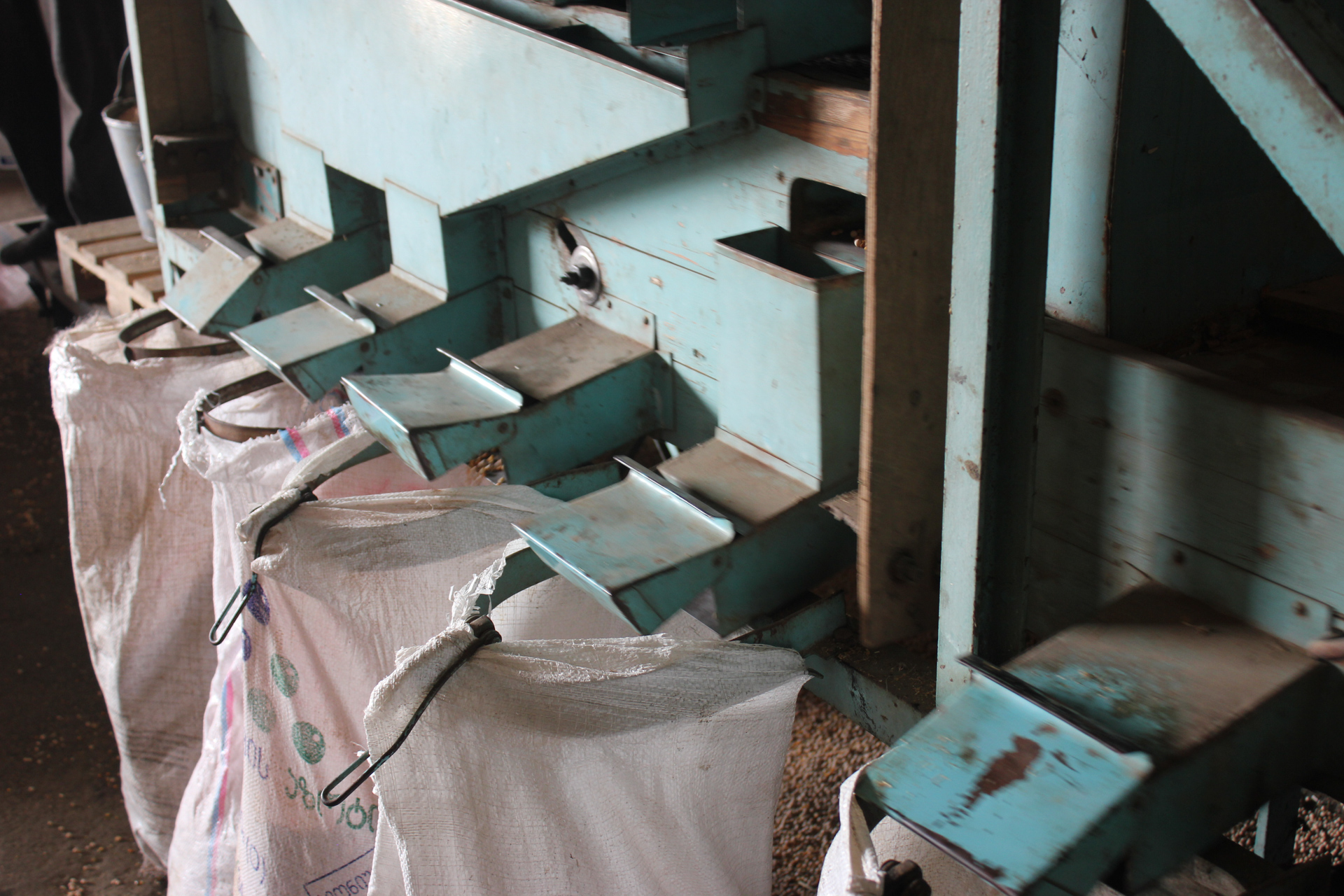
In the municipality of Dedoplistskaro, Georgia, 100 ha of land have been cultivated with peas on approx. 25 fields (each 1-10 ha in size). The introduction of peas as an alternative crop that is now used in rotation with wheat, helps to increase soil fertility sustainable and ecologically.
Detailed description of the Technology
Dedoplistskaro is located in the Shiraki Plain, in eastern Georgia, and consists of steppes, where grain crops are cultivated and livestock is grazed in the winter. The steppic soils are dominated by Chernozems and Kastanozems, the climate is warm and temperate and the small-scale land (2-5 ha) is in individual ownership. The labour including plowing, seeding and harvesting is fully mechanised, the machines are mainly borrowed from agricultural machinery cooperatives and less often from private machinery suppliers. For the inhabitants of Dedoplistskaro municipality, agricultural production is an important source of income. 74% of the Georgian wheat production is located in the Kakheti region. Shiraki valley has a great share of this. The area of wheat production in Dedoplistskaro is 13,693 ha (Census 2014). Securing the productivity of arable land and stopping degradation due to the loss of soil fertility is of local and national importance. The introduction of pea as an alternative crop, which can be used in rotation with wheat or other crops, should help to increase soil fertility in a sustainable and ecologically viable way. Pea is a plant from the legume plant family. The root system of Pea can thus fix nitrogen from air by symbiotic bacteria. This helps to increase the C/N ratio in the soil leading to higher decay rates of organic carbon (e.g. from straw residuals) and higher fertility of soils. Most farmers sowed on 23 and 24 March 2018 - some until 29 March 2018. Later sowing led to lower yields.
Photos of the Technology
- 📍 Dedoplistskaro
- 🗓 2018-01-07
- 📷 Hanns Kirchmeir
- 📍 Dedoplistskaro
- 🗓 2018-01-07
- 📷 Hanns Kirchmeir
- 📍 Dedoplistskaro
- 🗓 2018-01-07
- 📷 Hanns Kirchmeir
- 📍 Dedoplistskaro
- 🗓 2018-07-02
- 📷 Hanns Kirchmeir
- 📍 Dedoplistskaro, Shiraki Valley
- 📷 Amiran Kodiashvili
- 📍 Dedoplistskaro, Shiraki Valley
- 📷 Amiran Kodiashvili
- 📍 Dedoplistskaro, Shiraki Valley
- 📷 Amiran Kodiashvili