
Establishment of a paddock system and improvement of degraded pastureland.
Type: Technologies
Creation: 2018-12-18 15:44 Updated: 2020-03-31 07:42
Compilers: Hanns Kirchmeir
Reviewers: Rima Mekdaschi Studer
Country/ region/ locations where the Technology has been applied and which are covered by this assessment
- Country: Georgia
- Region/ State/ Province: Kakheti
- Further specification of location (e.g. municipality, town, etc.), if relevant: Municpalty of Akhmeta, Kasristskali village
- Map: View Map
Description of the SLM Technology
Short description of the Technology
In a pilot project, degraded pastureland near the settlement of Kasristskali was regenerated by introducing a fencing, mowing and grazing regime that favours the growth of forage plants instead of weeds and, where necessary, reseeding forage plants.
Detailed description of the Technology
This showcase is part of the project "Applying Landscape and Sustainable Land Management (L-SLM) for mitigating land degradation and contributing to poverty reduction in rural areas", implemented by the Regional Environmental Center for the Caucasus (REC C).
The implementation site was selected by national experts together with stakeholders from the village. This site is located close to the settlement Kasristskali. It is community pastureland, which was abandoned and not maintained for many years. The site had been dominated by thistles and weeds before the intervention took place and was not suitable for grazing. 30% of the area was previously used to store manure and is rich in nutrients. To reclaim the pastureland for cattle, an area of 6.1 ha was mowed twice and equipped with an electric fence (two lines of electric wire and a solar-powered energizer brand Voss). This was done to regenerate the area so that a grazing regime could be introduced later. An electric fence was chosen because wood is not available in the area and a wire mesh fence would be more expensive. Furthermore, an electric fence is flexibly adjustable, which is essential for a rotational grazing system. It is important to remove the residues after the mowing to reduce the amount of weed seed. The time of mowing should be before the flowering of the most common weed species. An ongoing mowing and grazing regime was set up to favour fodder plants instead of weeds: Since the cows only eat the fodder plants and leave the weeds standing, the weeds have a clear advantage. To counteract this, the weeds are mowed, and fodder plants are sown. Mowing is needed for the first 2 years and after that, it is enough to control the quality of pastureland by a grazing system. For maintenance purposes, the area was cut once in early spring and a second time in summer. The evaluation in September, after the pastureland was recultivated, showed that the northern and eastern parts now have a grass and herb cover suitable for grazing, while the central, western and southern parts are still overgrown by weeds. This is due to the fact that these parts were very rich in nutrients from the very beginning and consisted exclusively of thistles. In order to improve the productivity of the site, it is recommended to cut the vegetation again in autumn, remove the residues, open the soil with a harrow and sow a pasture seed mixture adapted to the climatic conditions in February.
The local community farmers were involved in all activities. They were participated in development of local pasture management plan. The plan was approved by the community members and they are ready to follow the applied methodology and maintain the pastureland after the project completion. The farmers acknowledged the benefit from the proposed methodology and they invested to rehabilitate the additional area (6 ha) of pastureland with their own financial sources.
The 6.1 ha plot which was restored as pastureland with this technology is planned to be used as a paddock for alternating grazing between free-range and the paddock.
Photos of the Technology
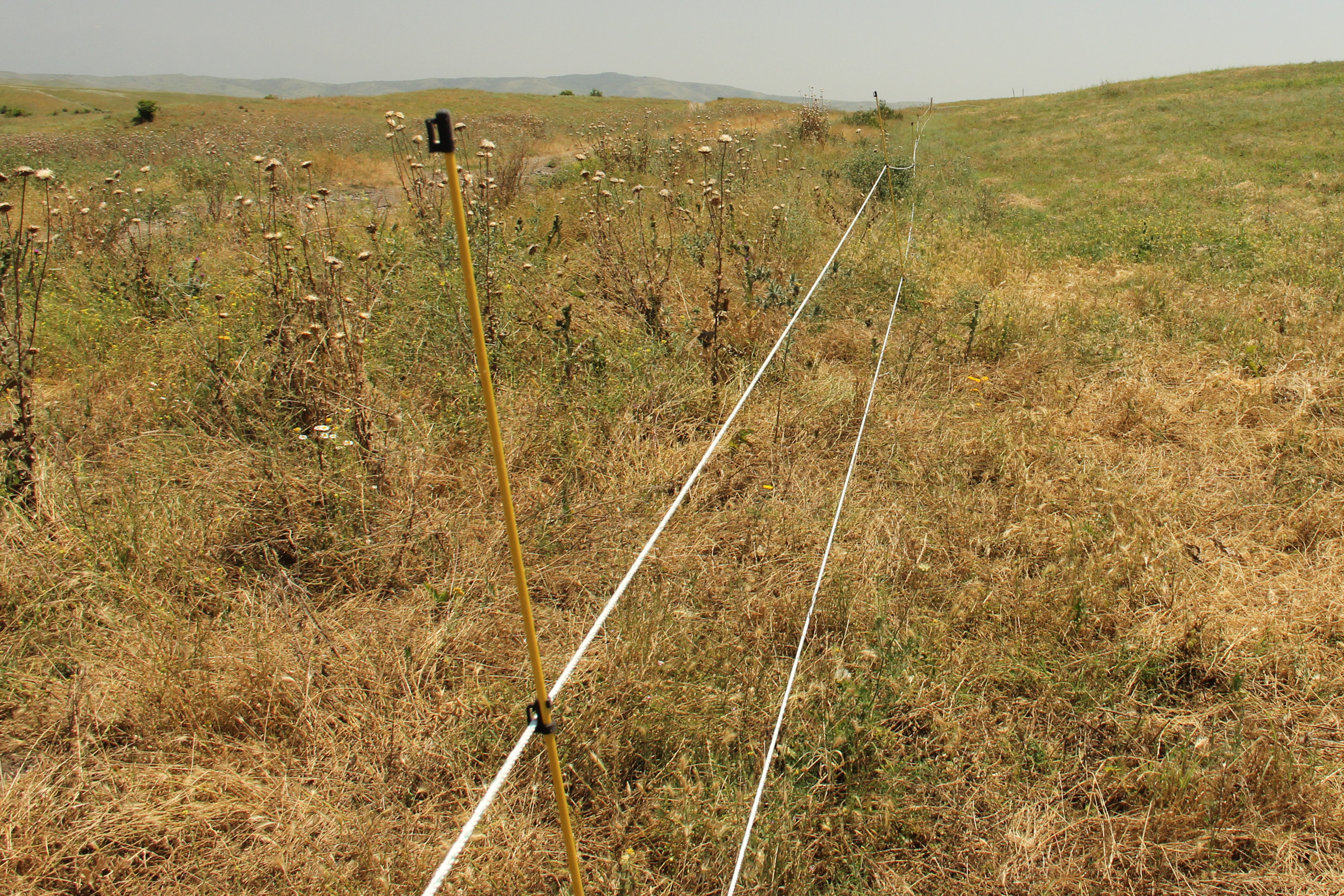
- 📍 Kaskritskali, Akhmeta municipality, Georgia
- 📷 Hanns Kirchmeir
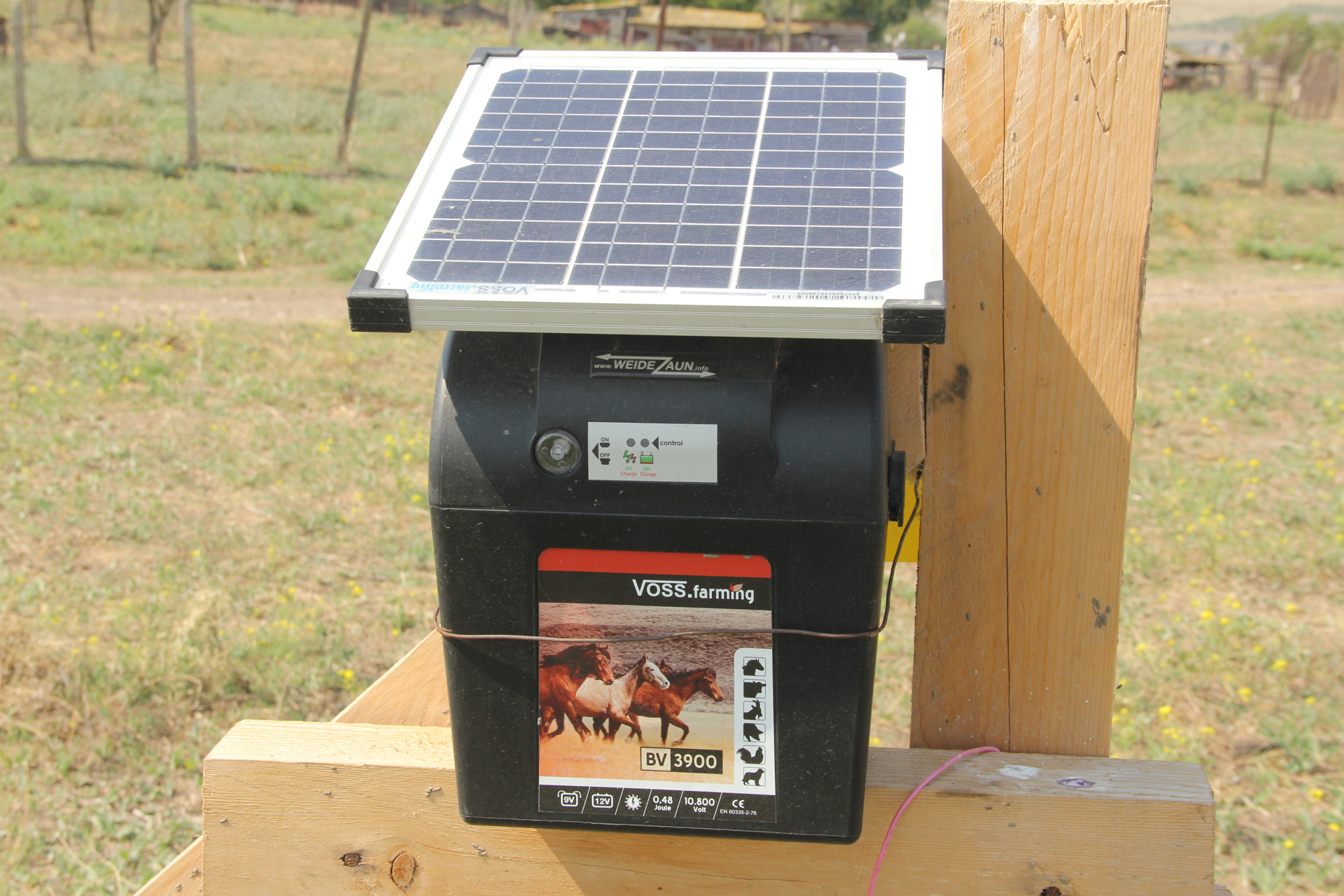
- 📍 Kasristskali, Akhmeta municipality, Georgia
- 🗓 2018-09-09
- 📷 Hanns Kirchmeir
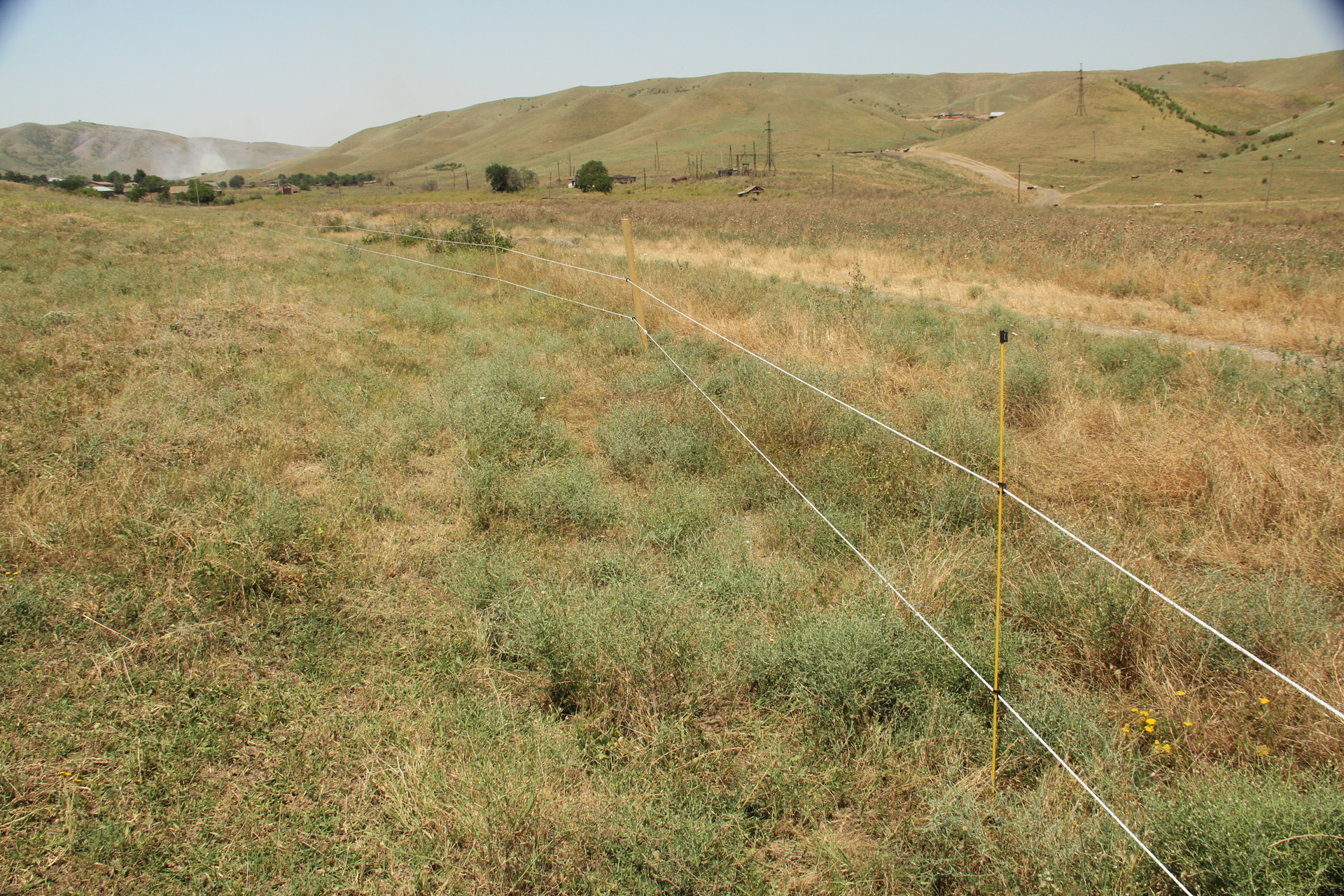
- 📍 Kasristskali, Georgia
- 📷 Hanns Kirchmeir