
Afforestation with mangrove plants to protect land degradation
Type: Technologies
Creation: 2019-01-06 10:30 Updated: 2020-05-04 16:38
Compilers: Fazlay Arafat
Reviewers: Nicole Harari, Rima Mekdaschi Studer, Ursula Gaemperli
Country/ region/ locations where the Technology has been applied and which are covered by this assessment
- Country: Bangladesh
- Region/ State/ Province: Chittagong division
- Further specification of location (e.g. municipality, town, etc.), if relevant: Moheskhali, Cox's Bazar
- Map: View Map
Description of the SLM Technology
Short description of the Technology
Mangrove afforestation in newly accreted land along cooastal regions accelerates the process of land stabilization, creates new forest resources, and enriches biodiversity.
Detailed description of the Technology
Maheshkhali is the only hilly island of Bangladesh and situated in northwest of Cox’s Bazar. This island has become a tourist destination for its mangrove plantation and ancient Adinath Temple situated at the hilltop. Historically the island had suffered from coastal erosion and structural measures like building blocks along the coast were implemented in some places to protect the Adinath hill from erosion. The Maheshkhali channel have deposited sediments in the near-shore zone and formed mud banks along the coast. This newly accreted land and other lands were used for mangrove plantations, which stabilized the land and provided protection against coastal erosion, storm damage, flooding, and siltation of adjacent seagrass beds. Mangrove plantations can provide a long-term and cost-effective solution to coastal erosion while at the same time improving the landscape aesthetically and increasing ecological habitats. Before the mangroves were planted, the existing shrub and tree vegetation along the coastline of Maheshkhali was scattered. The barren and exposed coastline is now converted to a green shelter-belt and protecting the soil. Bangladesh Forest Department is the land user and the mangrove plantation was carried out with the support from World Bank through "Forest Resource Management Plan (FRMP)" project in 1997. Later, some new plantation also carried out in 2016 on newly accreted land through "Climate Resilient Participatory Afforestation and Reforestation Project (CRPARP).
The mangrove plant species Baen (Avicennia officinalis) was used to create the plantation. Salinity in coastal regions increased as consequence of global warming and Avicennia officinalis is among the most salt tolerant species that prefer clay soil. The young tree forms a low, dense bushy crown. When it matures, it forms a columnar tree up to 15 m and may grow up to 30 m. The spreading root system of the plant also provides stability in shifting substrates. When planting mangroves, site selection and proper nursery management is crucial. Geo-morphological changes in coastal areas can be rapid and unpredictable, making it difficult to identify suitable sites correctly. Accreted land with grasses and crab burrows indicating a stable site, ideal for planting. The experience of field staff is a key factor in identifying suitable sites. Nursery management is carried out by forest department. Seed collection, site clearing, leveling and fencing, drainage arrangement, bed preparation, making overhead shed, poly-bag preparation, potting seeds, manuring, irrigation and weed control are the major activities of nursery management. Proper care of seedlings needs to be ensured while transporting from nursery to plantation site thorough boat. Gunny bags can be used to carry the seedlings while transporting. The spacing between each plant was 1.5m x 1.5m and 4444 seedlings/ha were planted in the visited site. Compost fertilizer was used both in nursery and while planting in pit. After planting, each seedling was tied up with a bamboo stick for support and to prevent from washing away in tides. The plantation activities were carried out by the staff of forest department. As mangrove afforestation is carried out in unstable environments, there is always a risk of losing some plantation during the time it takes for trees to reach maturity.
Coastal afforestation accelerates the process of land stabilization, and by creating new forest land it enriches biodiversity and natural resources. It also protects the lives and property of the coastal population against cyclones and tidal surges. The plantation develops suitable habitats for wildlife, fish and other estuarine and marine fauna. It produces timber for fuelwood and industrial uses. However, the local community people can only collect fuelwood and other non-timber forest products like honey, crabs and fishes from this plantation site. The mangrove plantation increased the aesthetic beauty of the area and also create employment opportunities for remote rural communities through eco-tourism.
Photos of the Technology
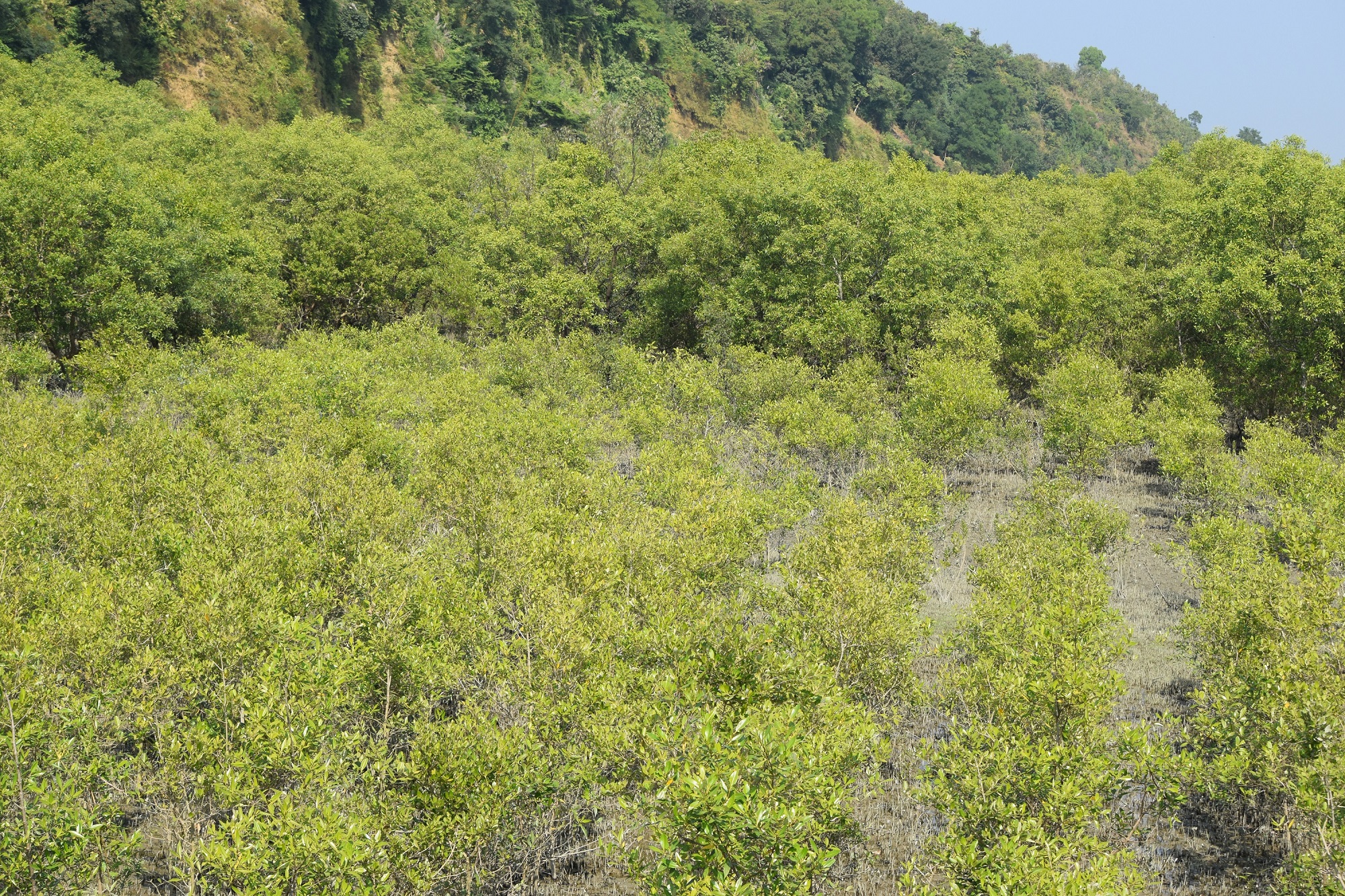
- 📍 Moheskhali, Cox's Bazar
- 📷 Md. Fazlay Arafat
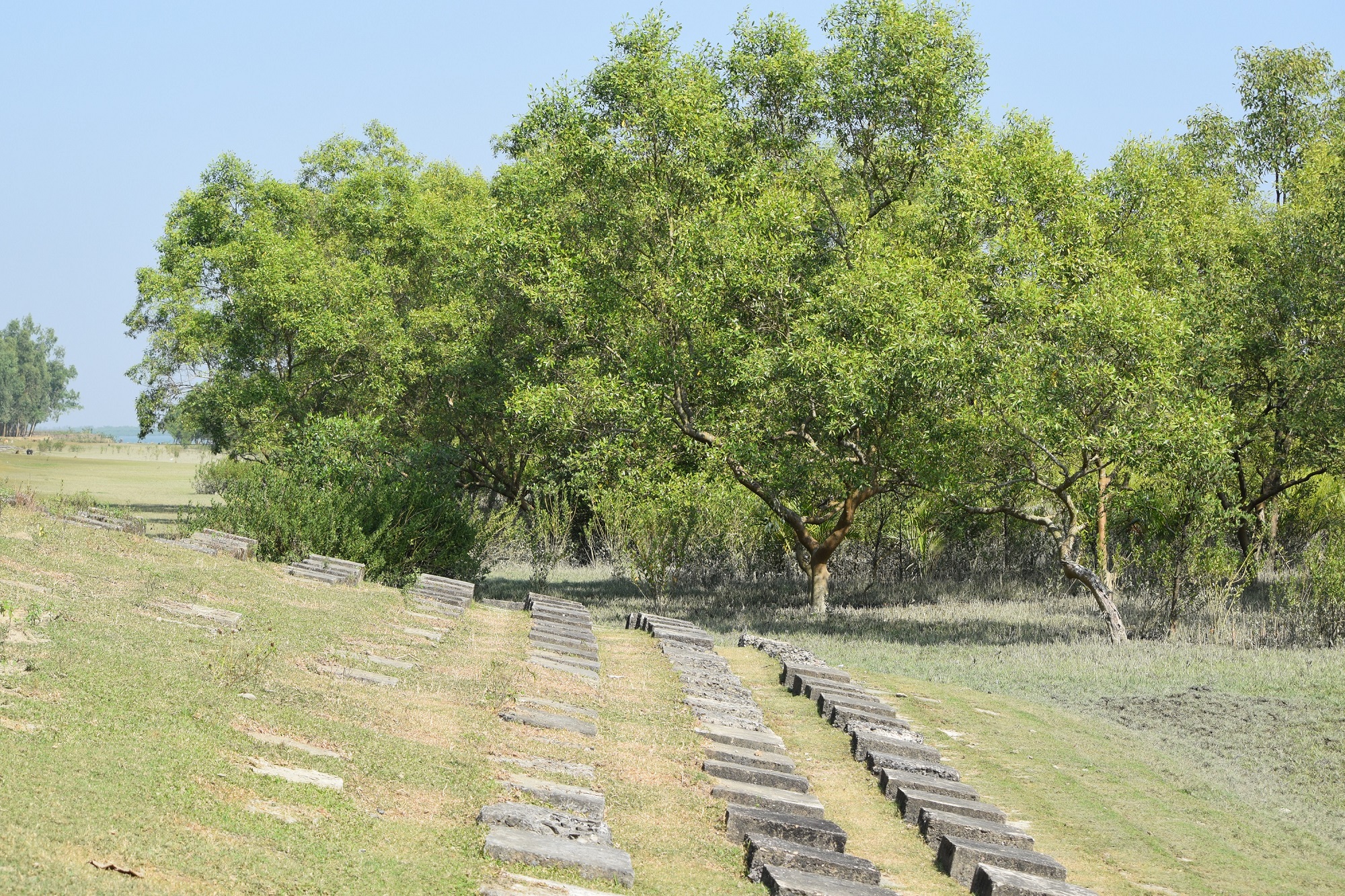
- 📍 Moheskhali, Cox's Bazar
- 📷 Md. Fazlay Arafat
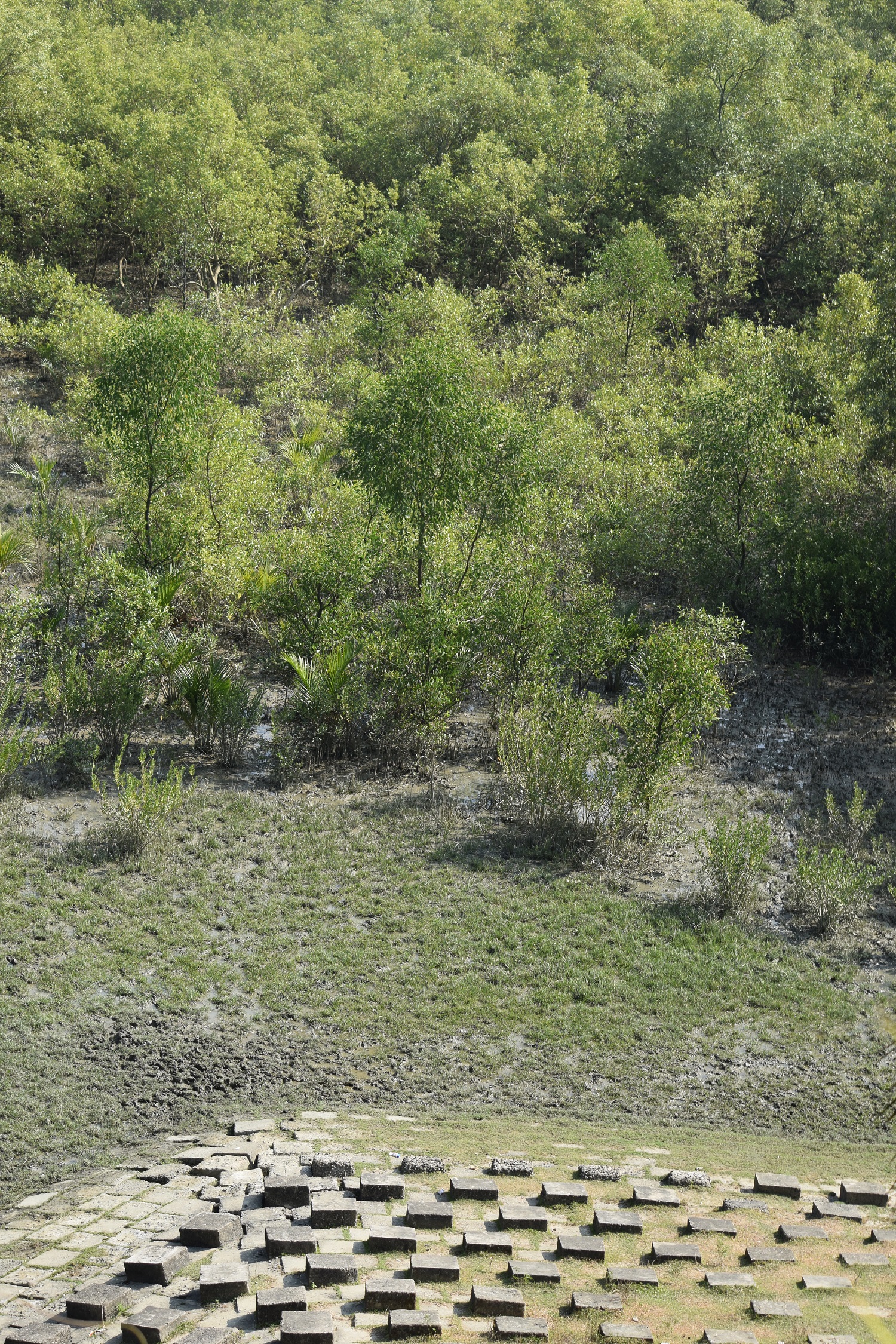
- 📍 Moheskhali, Cox's Bazar
- 📷 Md. Fazlay Arafat