
Using shallow wells for crops and lowering the saline groundwater table
Type: Technologies
Creation: 2019-02-19 20:28 Updated: 2022-12-05 09:29
Compilers: Kaewjai Oechaiyaphum
Reviewers: William Critchley, Pitayakon Limtong, Rima Mekdaschi Studer, Samran Sombatpanit, Joana Eichenberger
Country/ region/ locations where the Technology has been applied and which are covered by this assessment
- Country: Thailand
- Region/ State/ Province: Nakhon Ratchasima
- Further specification of location (e.g. municipality, town, etc.), if relevant: Ban Koksa-ard Moo 10 T.Danchang, A.Buayai
- Map: View Map
Description of the SLM Technology
Short description of the Technology
Pumping groundwater from shallow wells for agriculture can control the groundwater table in recharge areas. It helps to manage saline aquifers and reduce soil salinity. Such shallow wells range from 25 to 30 meters deep. This technology is very well-accepted by the land users.
Detailed description of the Technology
The shallow well is a structure created in the ground by digging or drilling to access water resources. This example of shallow wells is their use in recharge areas to lower groundwater tables. The technology is a subproject of a larger LDD initiative. The technology has been promoted by the Land Development Department at Bua Yai district Nakhon Ratchasima province since 2014. The objectives of the main project are (1) to provide water resources in recharge areas for agriculture: (2) to reduce the amount of saline groundwater and (3) to set up positive economic impact measures.
The process of technology establishment comprises 1) a recharge area survey in salt-affected areas, 2) drilling shallow wells to 25-30 meters depth, 3) installing 5.5 hp gasoline pumps and testing water quality, 4) pumping groundwater and distributing it to the cultivated areas.
Shallow well technology has been implemented on the fields of Mr. Boonchu Supho, Ban Nong Mek, Moo 9, T.Dan Chang, A. Buayai, Nakhon Ratchasima Province. Mr. Boonchu Supho has 21 rai (approx. 3.4 hectares), undulating area with a 2-5% slope, situated at approx. 200 meters above sea level, with a tropical climate, and soil which is classified as being in the series of Kula Ronghai (Ki). This area is upland, and located in the recharge area. Mr. Boonchu Supho has 13 rai (approx. 2 hectares) of lowland rice fields and one shallow well.
In the past, water scarcity was the main issue with his land. Droughts resulted in water scarcity and low productivity. After excavating a shallow well in 2014, groundwater was used for 19 rai of cultivation. Due to soil salinity reduction, rice yields increased to 590 kg/rai (approx. 3700 kg/ha: an increase of approx. 47.4%). Sugar cane yield increased to 30 ton/rai. Moreover, land users can use land more efficiently with mixed plantations of banana, pineapples, sweet bamboo, chilies, galangal and lemongrass to generate income. Even with a drought in 2018, his land had enough water for cultivation, while rice fields in the surrounding area faced water scarcity problem.
In conclusion, the benefits of the shallow well are 1) lowering the groundwater table and reducing salinity, 2) enhancing rice and sugar cane yields, 3) ability to cultivate throughout the year and 4) better soil properties and a better environment. However, the disadvantage of the shallow well is that farmers have to pay for electricity (around 1,200 THB/ 9 months or 10,800 THB/year).
Photos of the Technology
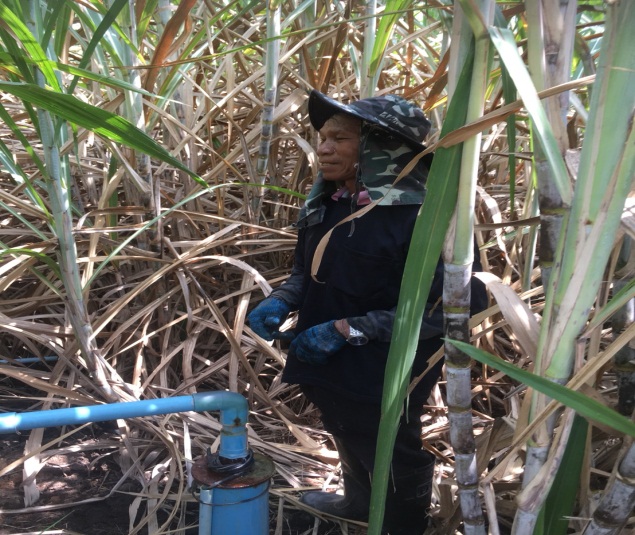
- 📍 Ban Nong Mek Moo 9 T.Danchanget, A.Buayai, Nakhon-Ratchasima
- 🗓 2018-03-09
- 📷 Jilayus Sommutram
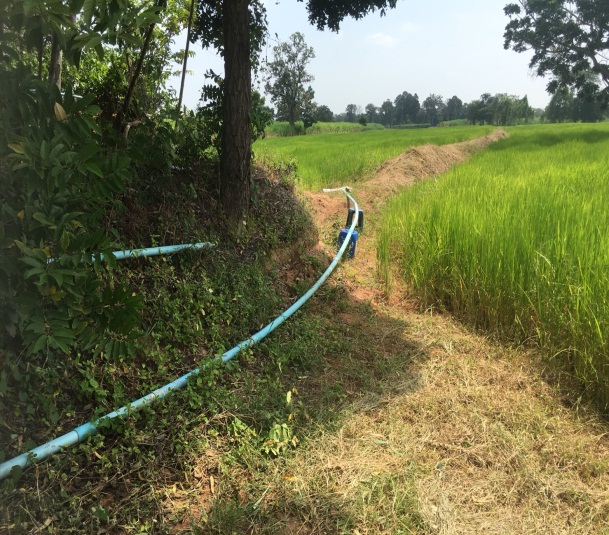
- 📍 Ban Nong Mek Moo 9 T.Danchang, A.Buayai Nakhon-Ratchasima
- 🗓 2018-03-09
- 📷 Jilayus Sommutram
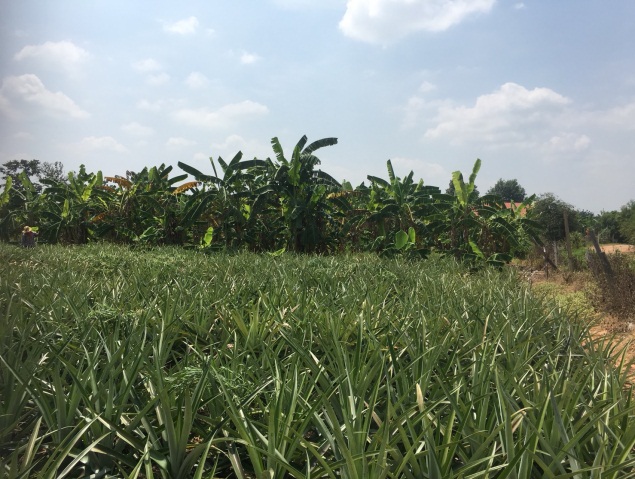
- 📍 Ban Nong Mek Moo 9 T.Danchang, A.Buayai,Nakhon-Ratchasima
- 🗓 2018-03-09
- 📷 Jilayus Sommutram
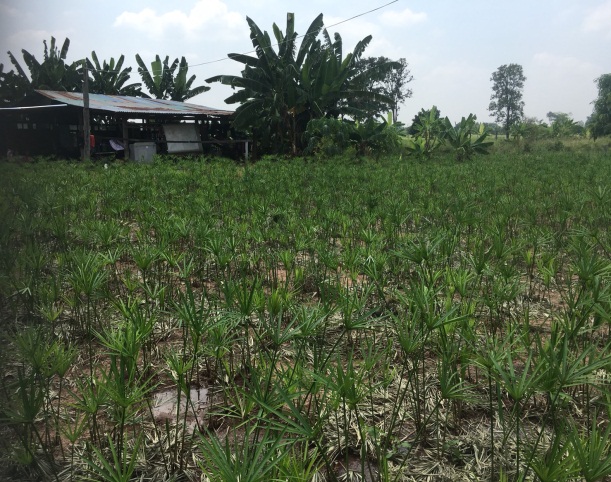
- 📍 Ban Nong Mek Moo 9 T.Danchang, A.Buayai,Nakhon-Ratchasima
- 🗓 2018-03-09
- 📷 Jilayus Sommutram