Gravity-Fed Multiple Use Water System (MUWS) : Odaltaal
Type: Technologies
Creation: 2019-07-06 09:28 Updated: 2019-12-03 15:58
Compilers: Jhuna Kattel
Reviewers: Renate Fleiner
Country/ region/ locations where the Technology has been applied and which are covered by this assessment
- Country: Nepal
- Region/ State/ Province: Province-6, Mid-Western Development Region
- Further specification of location (e.g. municipality, town, etc.), if relevant: Kunathari VDC-10, Odaltaal
- Map: View Map
Description of the SLM Technology
Short description of the Technology
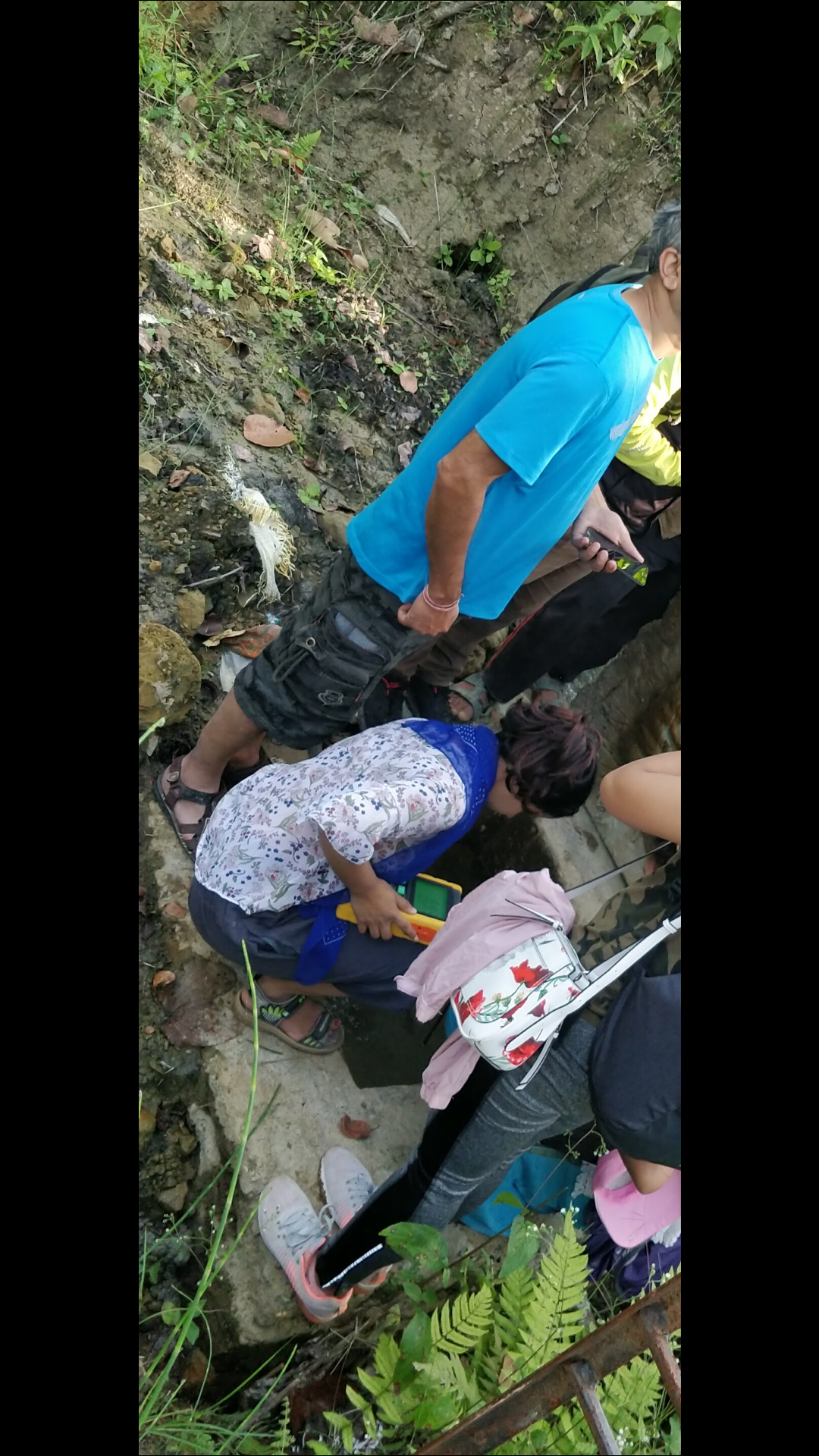
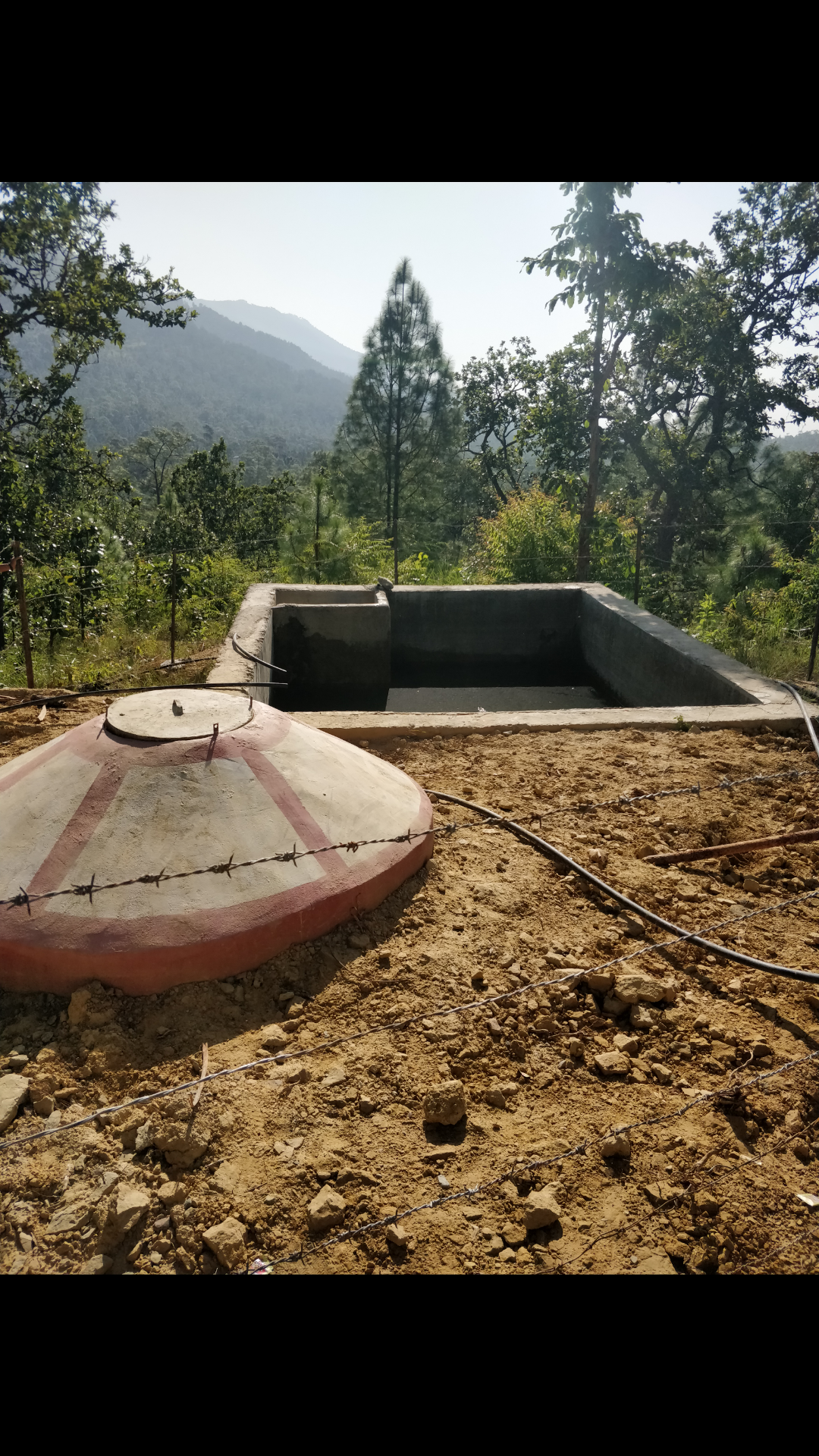
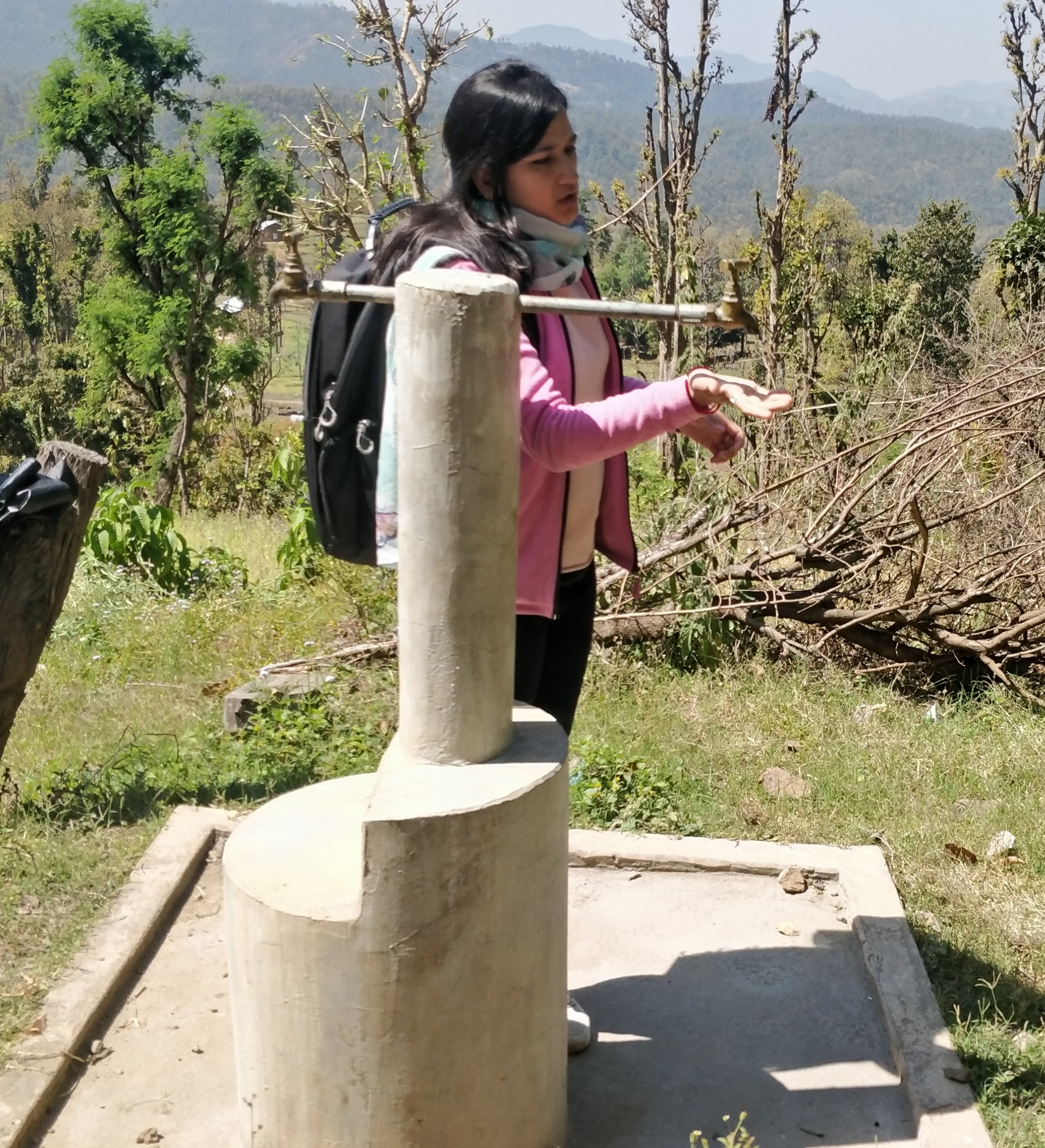
Water from source in hill top is collected in a small reservoir (to preserve natural source), then passes onto a Reservoir Tank (RVT) / Ferro-Cement Tank / "Ghaito" for drinking water with a capacity of 4000L. When the RVT gets filled, water overflows, is collected in another concrete irrigation pond (10,000L) for irrigation. From the ferro-cement tank (Ghaito) and concrete irrigation pond, two pipelines are fed and water supplied into individual tap-system or MUWS tap towers for multiple purposes.
Detailed description of the Technology
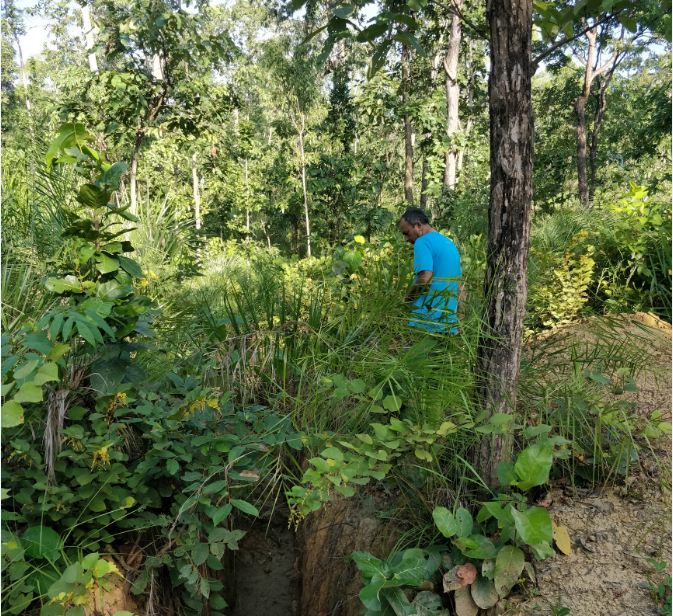
The technology is applied in a natural environment, i.e. natural water source. The source of water is a natural source of water that sits atop a small hill which is owned by the government. From the source, water is collected in RVT ( for drinking water) and concrete irrigation pond ( for irrigation). PVC pipes are fed onto the tanks to distribute the water for multiple purposes to 4 MUWS tap towers or tap systems or "Thaado". These MUWS tap towers consist of two faucets each- one for drinking and the other for irrigation and other purposes.The major purposes of this technology are to supply clean water for drinking and other multiple purposes through a cheap, effective and simple system. The natural source of water is locally maintained. Operation and maintenance works are not mandatory, however the locals are responsible for maintaining it should the need arise. The system was financed through a public-private-partnership (PPP) program; out of which some amount was funded by a Non-Governmental Organization (NGO)- Sundar Nepal ( NPR. 2,77,000 ), some amount by the Village Development Committee (VDC)- (NPR. 2,63,000), and the remaining amount was collected by a locals’ group (NPR. 60,000). For establishing the system, labor and construction materials were needed for building the tanks and pipeline systems. For the maintenance, manual labor is necessary. The quality of the water that is supplied to the households is good and the quantity seems sufficient for the 19 households. Sustainable use of water resources through a MUWS system, cheap and effective way to conserve water resources, ensuring availability of clean water even through dry seasons are some of the technology's advantages. Similarly, clean water, more water for irrigation for vegetable farming, simplifying day-to-day life are some of the strengths of the technology. Dislikes could be the limited availability of water during the dry season and that out of 4 systems only 2 are in operation and the other ones are in a non-working condition.
Management system in place for MUWS:
A separate committee is set up for the smooth operation of the system, which consists of 20 members- 10 males and 10 females. The head of the committee is Mrs. Kopila Sunar. The committee conducts a monthly meeting to discuss the problems and need of maintenance. During the initial setup, the connection of pipelines from the tap systems to the reservoir tanks was, however, done with the contribution of the locals. Every month, each family from the 19 households contributes NPR. 100 ( One Hundred Rupees) , which goes to a fund that is set up for the times of need. The labor contribution by the people of the VDC was dependent upon the number and availability of family members in the household. Similarly, the use of the MUWS system and water from it is also dependent upon the availability of family members. Little to no maintenance was done to the system till now from 2075 B.S. ( 1 years) . Equal number of male and female members are in the committee dedicated to the MUWS system.
Photos of the Technology
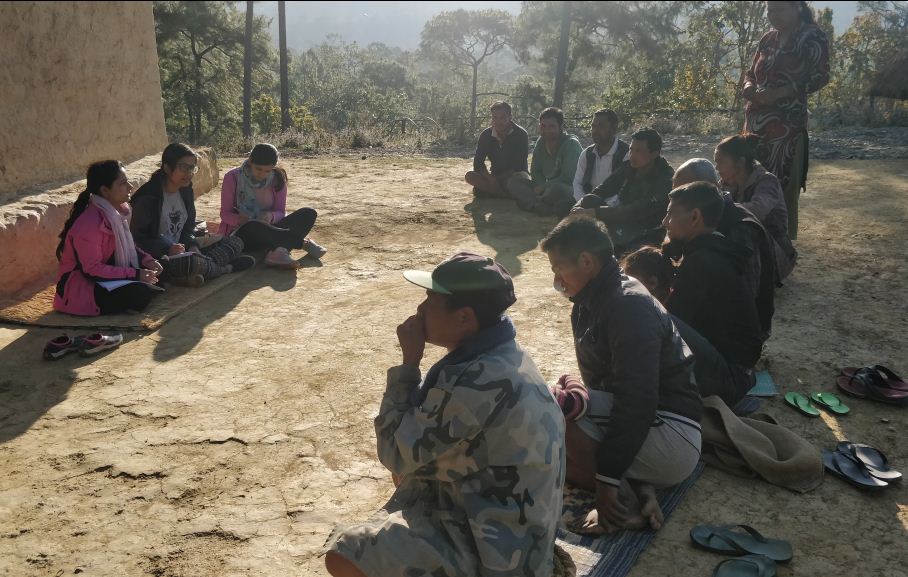
- 📍 Odaltaal-10, Kunathari VDC
- 📷 Jhuna Kattel
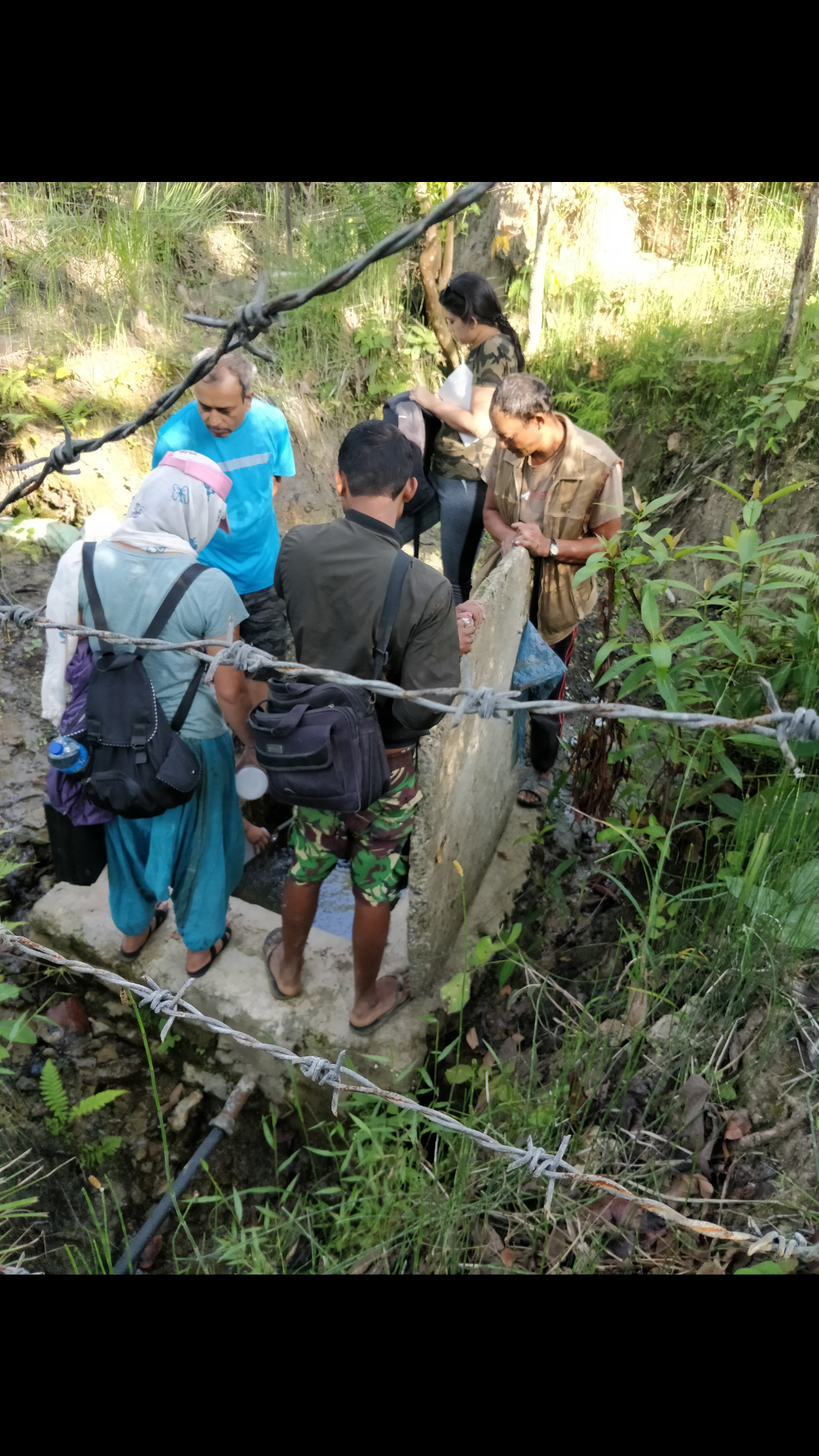
- 📍 Odaltaal-10, Kunathari VDC
- 📷 Jhuna Kattel
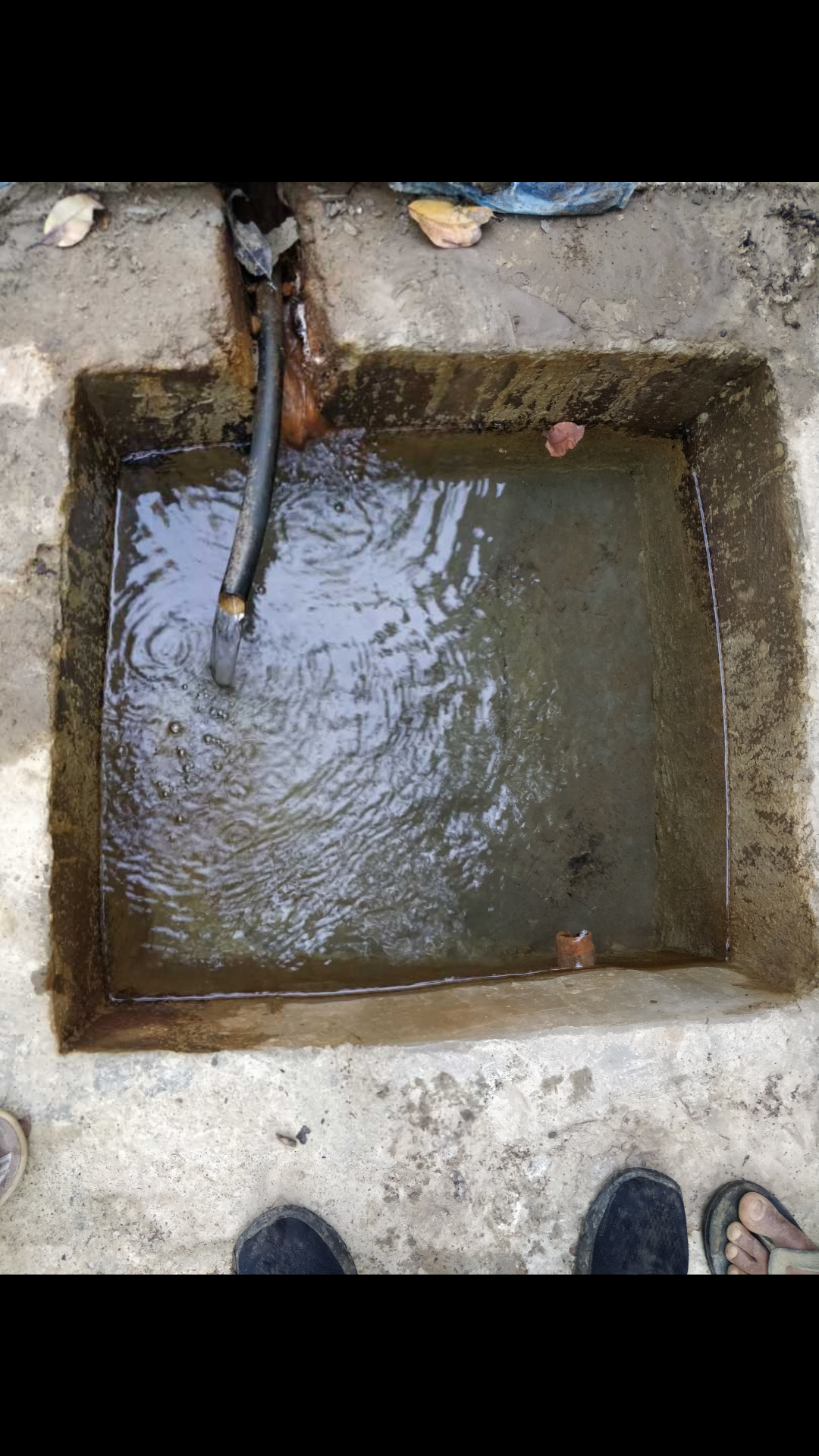
- 📍 Odaltaal-10, Kunathari VDC
- 🗓 2019-09-10
- 📷 Jhuna Kattel
- 📍 Odaltaal-10, Kunathari VDC
- 🗓 2019-09-10
- 📷 Jhuna Kattel
- 📍 Odaltaal-10, Kunathari VDC
- 🗓 2019-09-10
- 📷 Jhuna Kattel
- 📍 Odaltaal-10, Kunathari VDC
- 🗓 2018-10-10
- 📷 Jhuna Kattel
- 📍 Odaltaal-10, Kunathari VDC
- 📷 Jhuna Kattel