
Broadleaf Plantations, Assisted Tree Regeneration and Fodder Nurseries for Sustainable Forest Management
Type: Technologies
Creation: 2019-08-03 07:00 Updated: 2021-06-27 15:23
Compilers: Jaclyn Bandy
Reviewers: Hanspeter Liniger
Country/ region/ locations where the Technology has been applied and which are covered by this assessment
- Country: India
- Region/ State/ Province: Uttarakhand
- Further specification of location (e.g. municipality, town, etc.), if relevant: Nakina Village, Pithoragarh Bloc
- Map: View Map
Description of the SLM Technology
Short description of the Technology
Natural assisted regeneration of broadleaved species, a small oak plantation and a fodder nursery have been established in the Nakina community forest (intervention area: 10 ha), supporting fodder tree species such as Banj Oak and Falyaat, as well as various subtropical temperate fodder grass species. This has improved the livelihood of the land-users by supporting the health and productivity of the forest, increasing the availability of fuel wood, fodder and groundwater for spring restoration.
Detailed description of the Technology
1. The technology is applied in a natural environment and is located about 1km away from the settlement and the agriculture land of Nakina Village. The village has access to its own forest, which covers a geographical area of 114 hectare. Of this, 94 hectares come under the Village Forest Council, locally referred to as the Van Panchayat.
2. Characteristics of Technology:
a. Broadleaf species have been established over 7 hectares through natural assisted tree regeneration methods. These include Banj Oak (Quercus leucotrichophora), Falyaat (Quercus glauca), Koeraal (Bauhinia verigata), Bhimal (Grewia optiva), Padam Paaya (Prunus cerasoides), Haradh (Terminalia chebula), Reetha (Sapindus Mukorossi), Utees (Alnus napalensis), Ainyar (Lyonia ovalifolia), Khadik (Celtis australis).
b. Nakina Van Panchayat has made an oak plantation site of 2 hectares in collaboration with G.B. Pant Research Institute.
c. A fodder nursery covering 1 hectare hosts a variety of subtropical (Napier: Pennisetum purpureum, Aus, Ginni) and temperate grasses (Guchhi, Dolni, Italian rye: Lolium multiflorum). It was established with the assistance of the NGOs Swati Gramodyog Sansthan and the Himalayan Sewa Samiti. Extraction of fodder leaves and timber are restricted and regulations managed by the Van Panchayat (community forest council).
Purposes/functions:
-Increase trees and grasses to improve availability of fuel and fodder for community, as well as enrich biodiversity.
-Plantation is on a mountain slope (+25% slope), so it will help in preventing soil erosion and landslides.
-Improve soil and water conservation, prevention of surface run-off, support groundwater recharge and spring rejuvenation.
Major activities/Inputs needed to establish and maintain technology:
1. Activities for Assisted Natural Regeneration: protect and facilitate the growth of parent trees inherently present in the area and their regenerations, rather than establishment of entire plantation
2.Activities for the oak plantation: Selection and seed provision of appropriate tree species, clearing of vegetation and preparation of forest top soil, leveling of soil, digging of plantation pits, sowing weeding, watering, occasional pruning, propagation of trees from cuttings, dead sapling replacement, establishment of barrier/fencing for protection from fire.
3. Activities for fodder nursery:- Selection and seed provision of appropriate grass species and polypot materials, preparation of seedbeds; clearing of vegetation, removal of stones/large roots, ploughing/hoeing, mixing sand and compost on areas with poor soil, sowing seeds pre-monsoon, weeding and watering seedlings, propagation from seed or root cuttings, dead sapling replacement, establishment of barrier/fencing protection from fire.
Benefits/Impacts:
•Restores productivity and fodder/fuelwood availability
•Ecosystem stability
•Enhancement of biological diversity to degraded lands.
•Control landslide and soil erosion
•Control forest fire.
•Maintain wildlife habitat
•Increase livelihood of local people, decrease time spent collecting fodder
•Storage carbon on the forest help to reduce the CO2 in the atmosphere.
Likes:
This technology is properly functioning in the implementation area and local people have received many benefits from sustainable managing their natural resources rather than receiving incentives for institutional support, local people of the Nakina village are strongly active to protect the forest with their own coordination.
Dislikes:
1.Improve wildlife habitat, which may increase human wildlife conflicts as it is near to agriculture land and settlements.
2.Require regular maintenance activities, which require organization within the community and can increase periodic workload depending on level of participation
Photos of the Technology
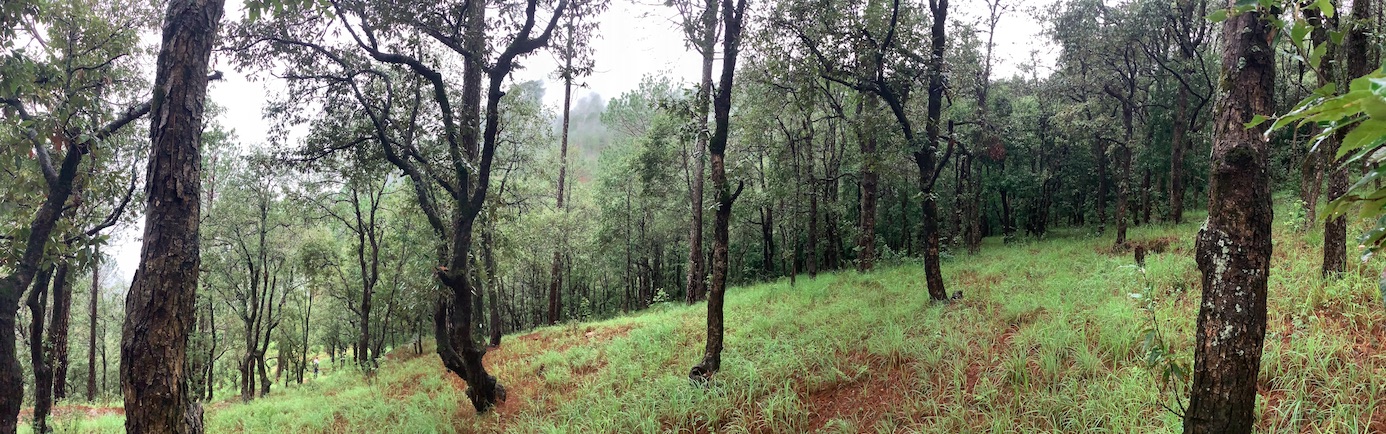
- 📍 Nakina Community Forest, Pithoragarh Bloc, Uttarakhand, India
- 📷 Jaclyn Bandy
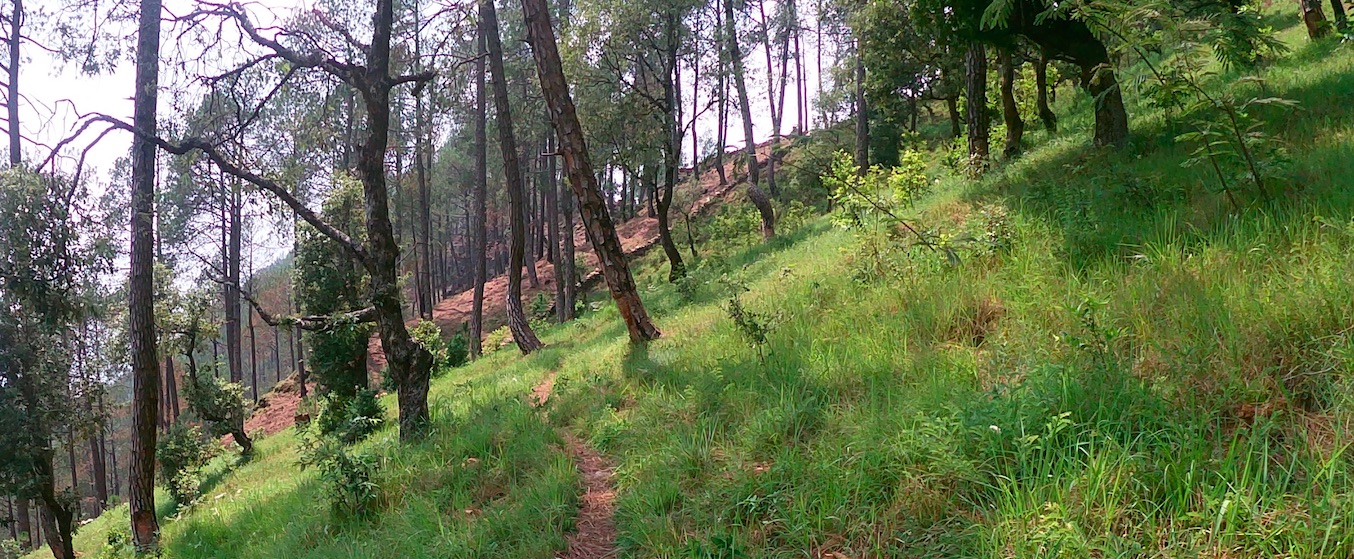
- 📍 Nakina Community Forest, Pithoragarh Bloc, Uttarakhand, India
- 📷 Jaclyn Bandy
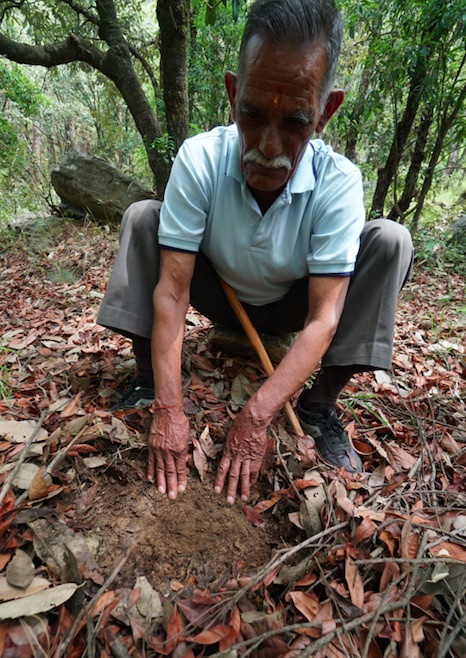
- 📍 Nakina Community Forest
- 📷 Hanspeter Liniger
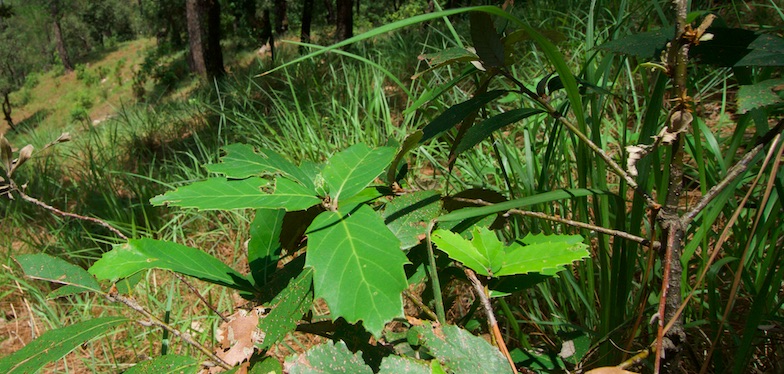
- 📍 Nakina community forest
- 📷 Hanspeter Liniger
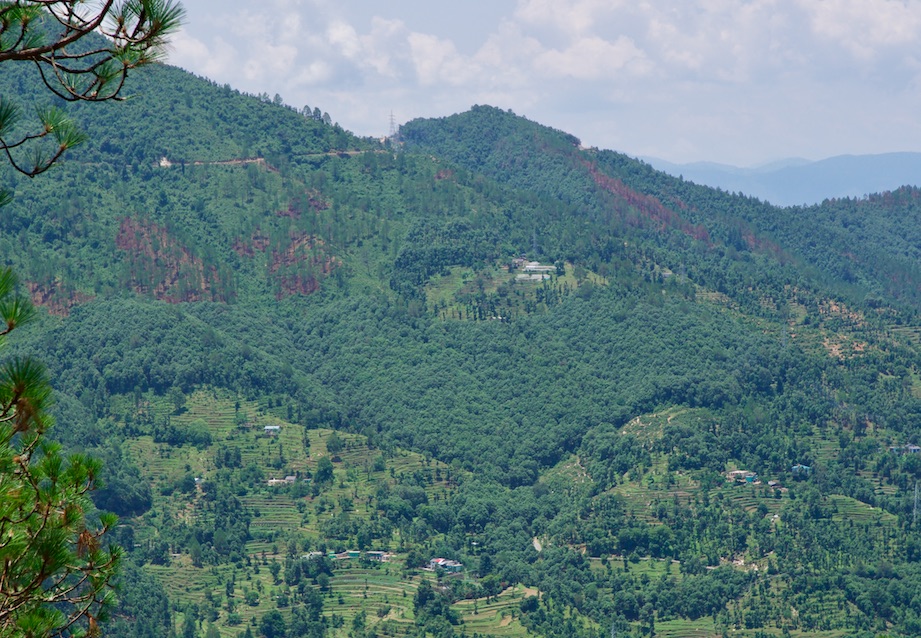
- 📍 Gorang Valley, Pithoragarh Bloc
- 📷 Hanspeter Liniger