
Tree windbreaks within irrigated agriculture in Central Asia
Type: Technologies
Creation: 2021-03-09 16:32 Updated: 2025-08-11 12:55
Compilers: Niels Thevs
Reviewers: William Critchley, Rima Mekdaschi Studer
Country/ region/ locations where the Technology has been applied and which are covered by this assessment
- Country: Kyrgyzstan
- Region/ State/ Province: Jalalabad Region, Chui Region, and Issyk Kul Region
- Map: View Map
Description of the SLM Technology
Short description of the Technology
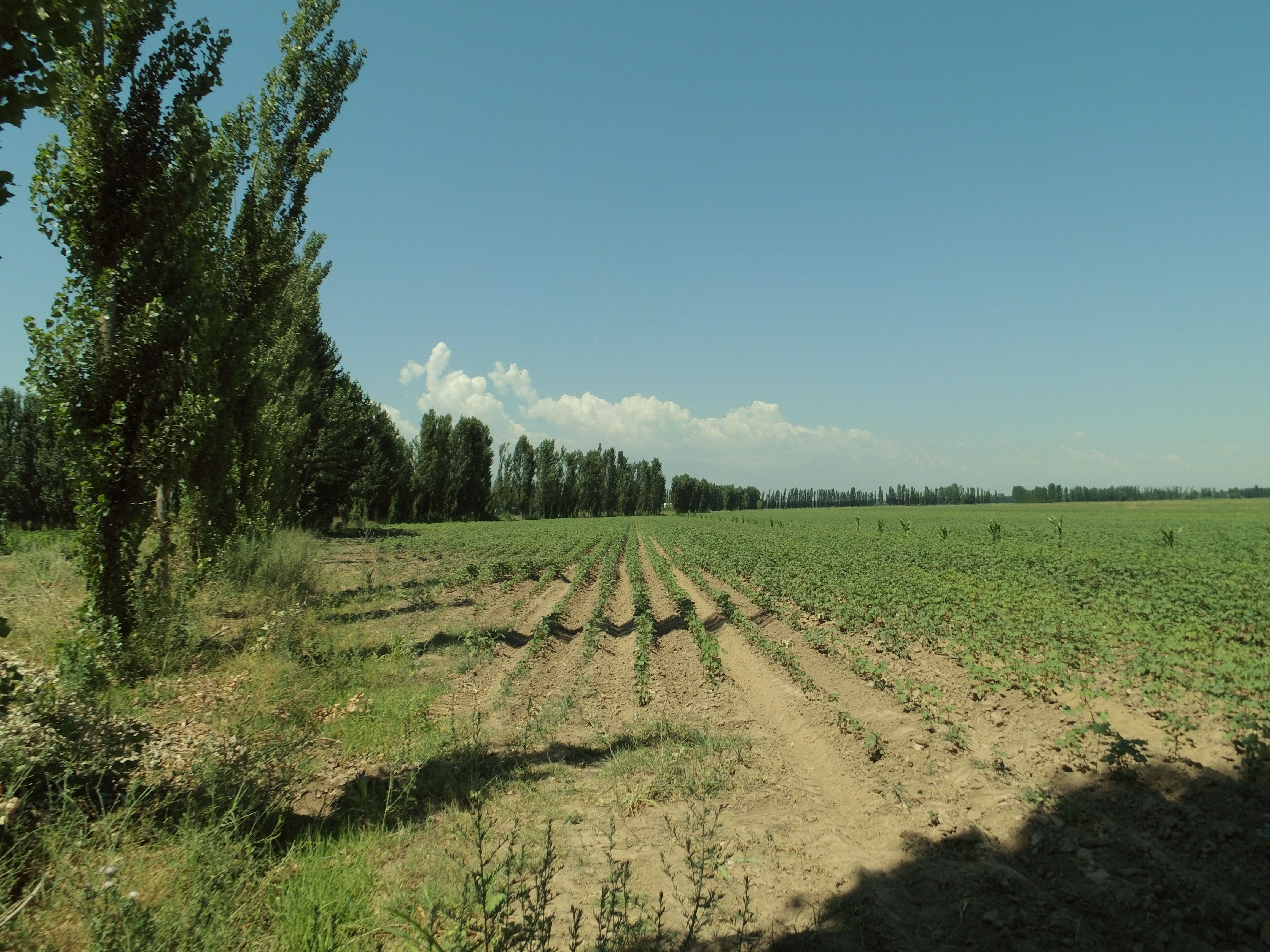
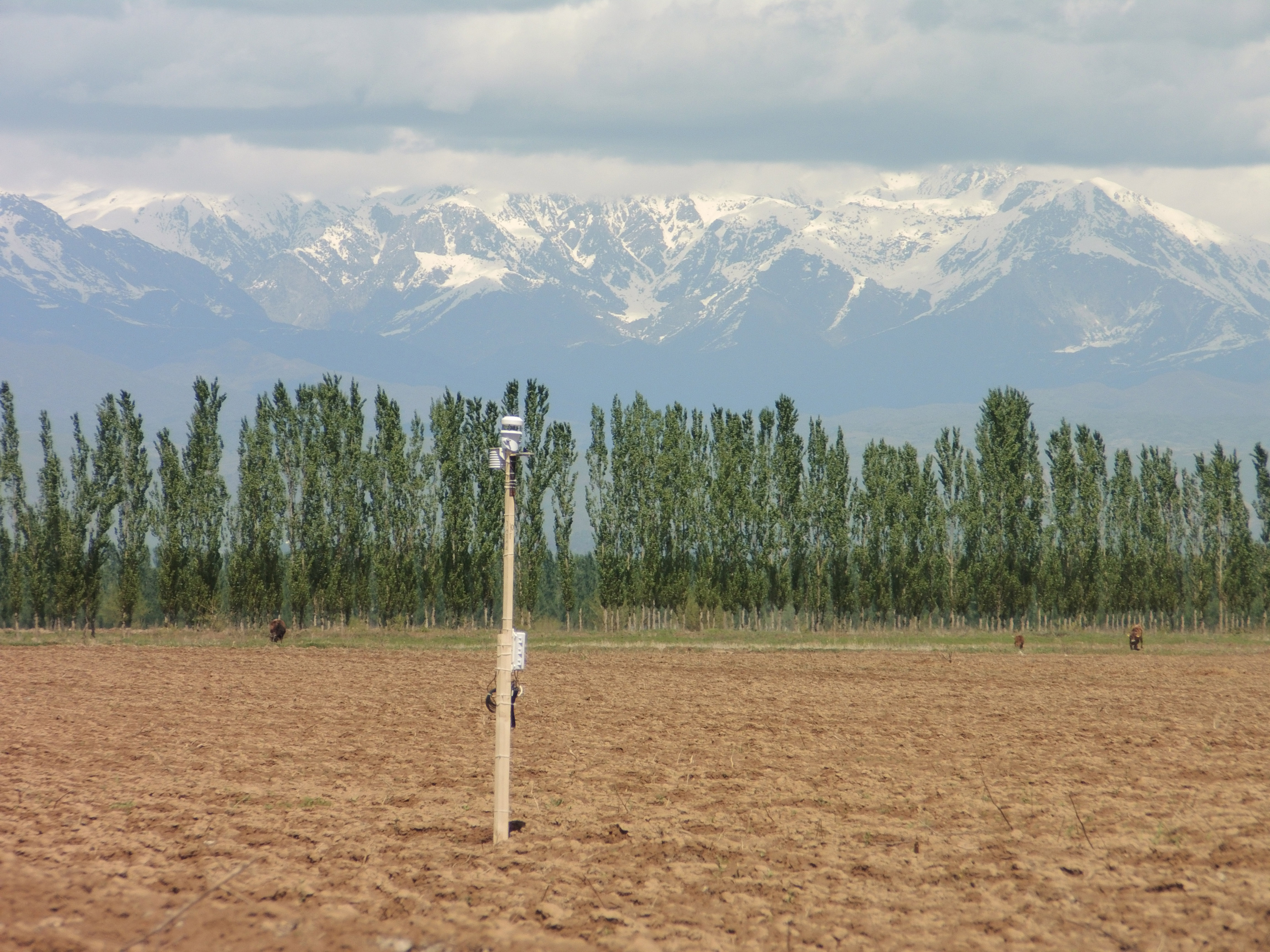
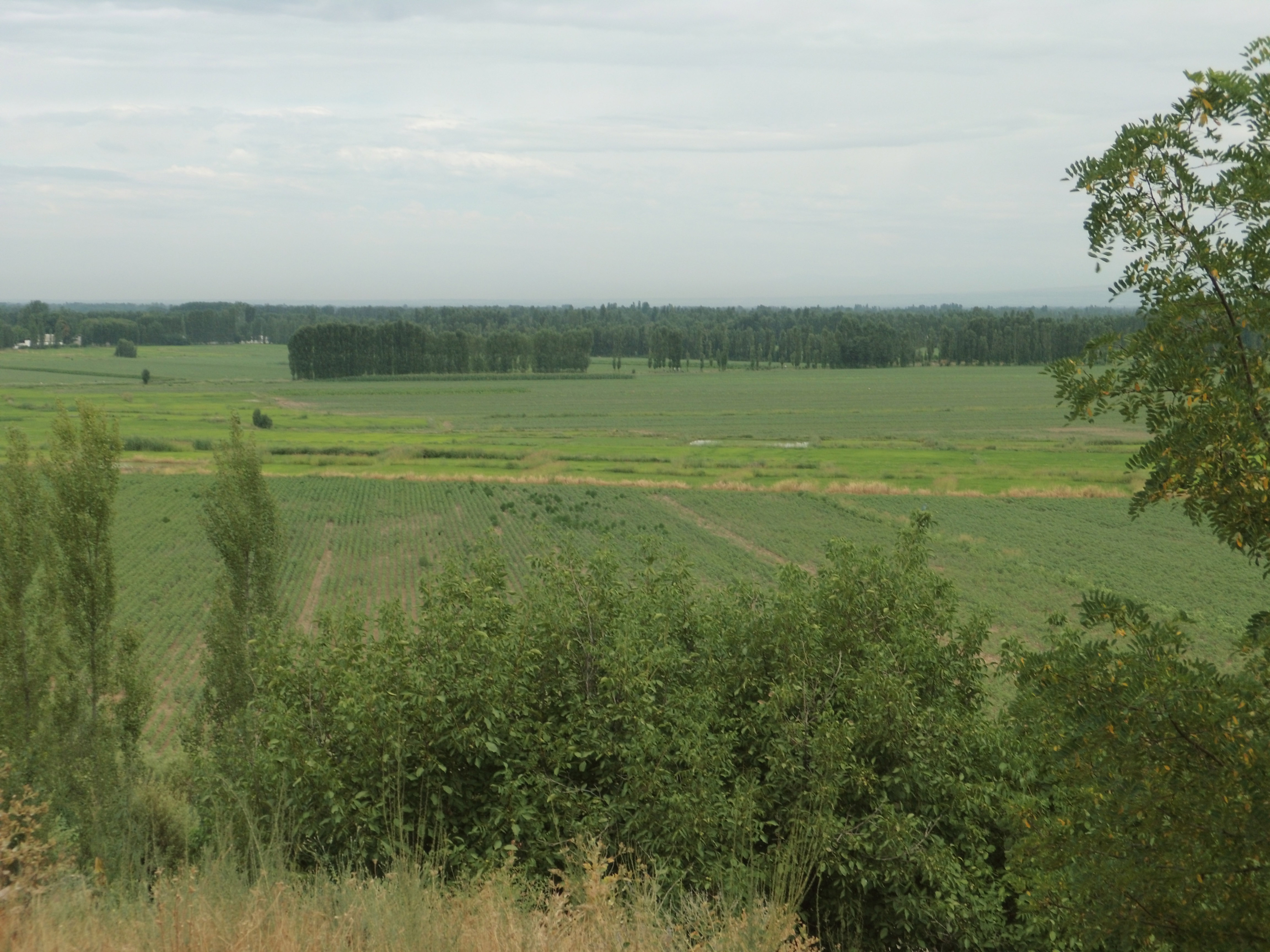
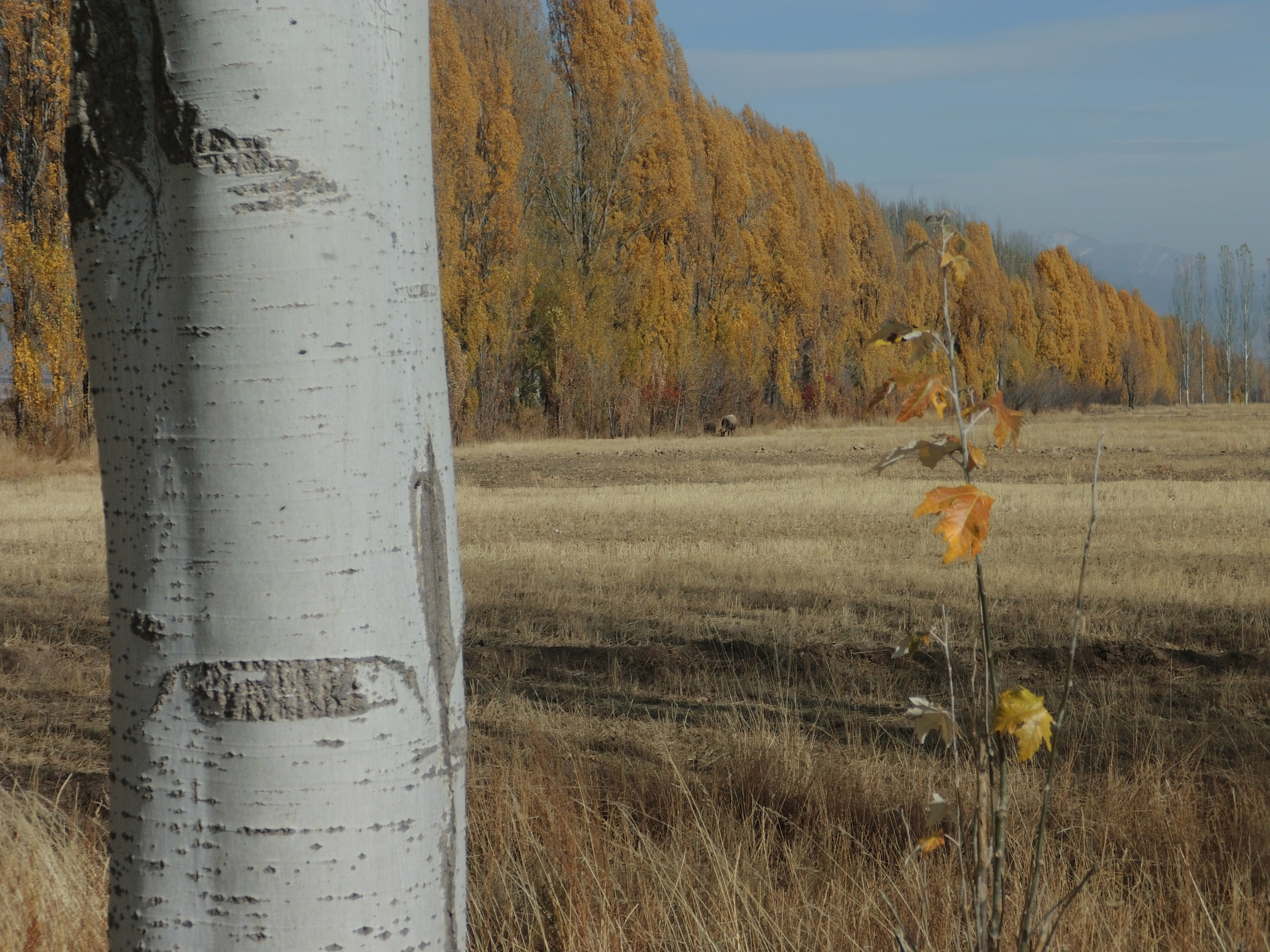
Windbreaks of poplar trees (Populus nigra pyramidalis) are a major agroforestry system in irrigated agriculture across Central Asia. Such windbreaks reduce the overall water consumption of irrigated agriculture by 10-20% and increase farm income by 10-15%.
Detailed description of the Technology
Windbreaks of trees are a major agroforestry system across Central Asia. The SLM technology presented here concentrates on windbreaks, chiefly of poplar trees (Populus nigra var. pyramidalis), within irrigated agriculture. These windbreaks of poplars have a long tradition as an agroforestry system in irrigated agriculture in the river basins of south and southeastern Kazakhstan, Kyrgyzstan, Tajikistan, Turkmenistan, and Uzbekistan. In Kazakhstan and northern parts of Kyrgyzstan, poplars are partly replaced by Elm (Ulmus minor) windbreaks.
After those five countries had become independent, a large share of the windbreaks was cut down primarily for fuelwood and secondarily for timber, as the energy supply system had broken down in the course of the disintegration of the Soviet Union. Such windbreaks reduce the overall water consumption of irrigated agriculture by 10-20% compared to open field conditions, depending on crops and tree spacing (Thevs et al., 2019: doi:10.3390/land8110167). The trees serve as an additional source of income, chiefly from sustainable harvest of the trees for timber. Windbreaks also help to increase crop yields. In total, farm income is increased by 10-15% over the rotation period of the trees (Thevs and Aliev, 2021: https://doi.org/10.1007/s10457-021-00617-7). The rotation period of poplars is between 12 and 20 years, depending on the climatic conditions, e.g. poplars in the Ferghana Valles reach DBH (diametre at breast height) values of 22-27 cm and tree heights of 18 m after 13 years.
In this recent assessment, it was found that windbreaks of single tree rows with distances between trees of 1 m had the best effects on water saving and increasing farm income. The most suitable spacing between windbreaks was found to be around 200 m.
Windbreaks are perceived differently by land users depending on the region and knowledge (Ruppert et al., 2020: doi:10.3390/su12031093). For example, land users in the Ferghana Valley perceived windbreaks positively and were planting them primarily with the aim to have wood resources in the near future. In contrast, land users in the northern part of Kyrgyzstan were afraid firstly that windbreaks shaded their crops, consumed space, and competed for water and nutrients, and secondly that planting windbreaks may cause conflicts with neighbours due to those negative connotations. Farmers with larger field plots were more open towards them.
Windbreaks are planted with 2-year-old poplar saplings, which are locally available. The preferred place to plant is along irrigation ditches or other existing field boundaries. If windbreaks are planted along irrigation ditches, they simply tap water from the moist soil or elevated groundwater adjacent to those ditches. Otherwise, the trees need to be irrigated like the crops. As furrow irrigation is the dominant irrigation practice throughout Central Asia, poplars can be integrated without further adjustments in the field of irrigation. Alongside irrigation ditches poplars can withstand high water levels in those ditches as they occur during irrigation periods. If farmers switch to drip irrigation, and irrigation ditches are no longer present, the trees will need to be supplied with a dripline as well. The locally available poplar cultivars do not need additional fertilizer, but profit from the fertilizer applied to the crop. Only if high yielding modern cultivars were to be used, additional fertilizer application to the trees would be needed to unfold their full potential.
Photos of the Technology
- 📍 Chek, Ferghana Valley, Kyrgyzstan
- 🗓 2017-04-07
- 📷 Niels Thevs
- 📍 Chek, Ferghana Valley, Kyrgyzstan
- 📷 Niels Thevs
- 📍 Chek, Ferghana Valley, Kyrgyzstan
- 🗓 2017-04-07
- 📷 Niels Thevs
- 📍 Ananievo, Issyk Kul, Kyrgyzstan
- 📷 Niels Thevs
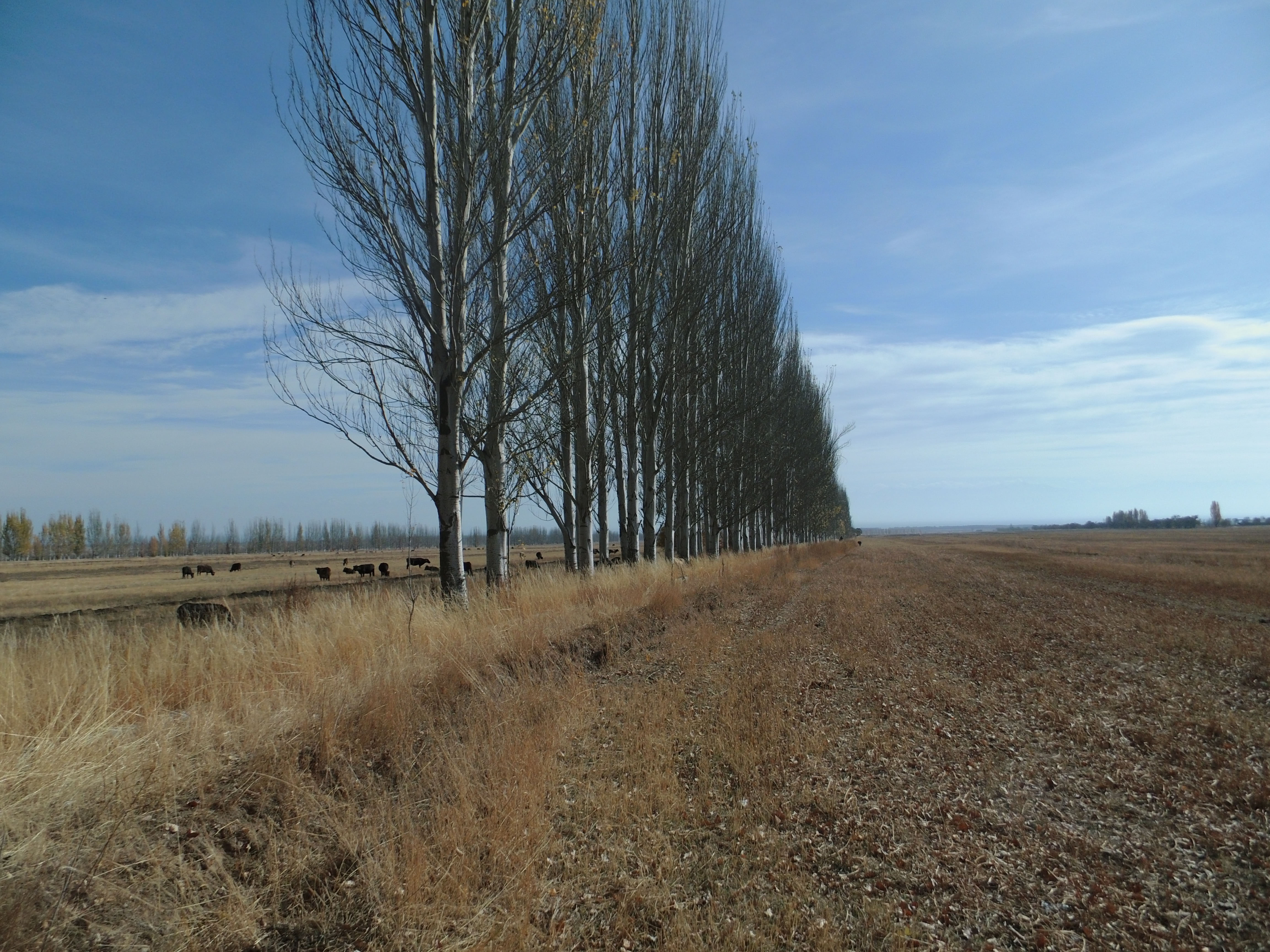
- 📍 Ananievo, Issyk Kul, Kyrgyzstan
- 📷 Niels Thevs