
Recycling rice husks in Sri Lanka as a biochar-based slow-release urea fertilizer
Type: Technologies
Creation: 2022-03-17 09:25 Updated: 2022-03-24 14:27
Compilers: Head Soil Science
Reviewers: William Critchley, Rima Mekdaschi Studer
Country/ region/ locations where the Technology has been applied and which are covered by this assessment
- Country: Sri Lanka
- Region/ State/ Province: North Central Province
- Further specification of location (e.g. municipality, town, etc.), if relevant: Mahakanumulla village, Thirappane
- Map: View Map
Description of the SLM Technology
Short description of the Technology
Rice husks, a waste product generated in rice mills, can release its carbon as a greenhouse gas (GHG) to the atmosphere through burning or decomposition. Converting it into biochar and intercalating (filled) with urea can produce a slow-release nitrogen (N) fertiliser that improves N-use efficiency while minimizing GHG emissions.
Detailed description of the Technology
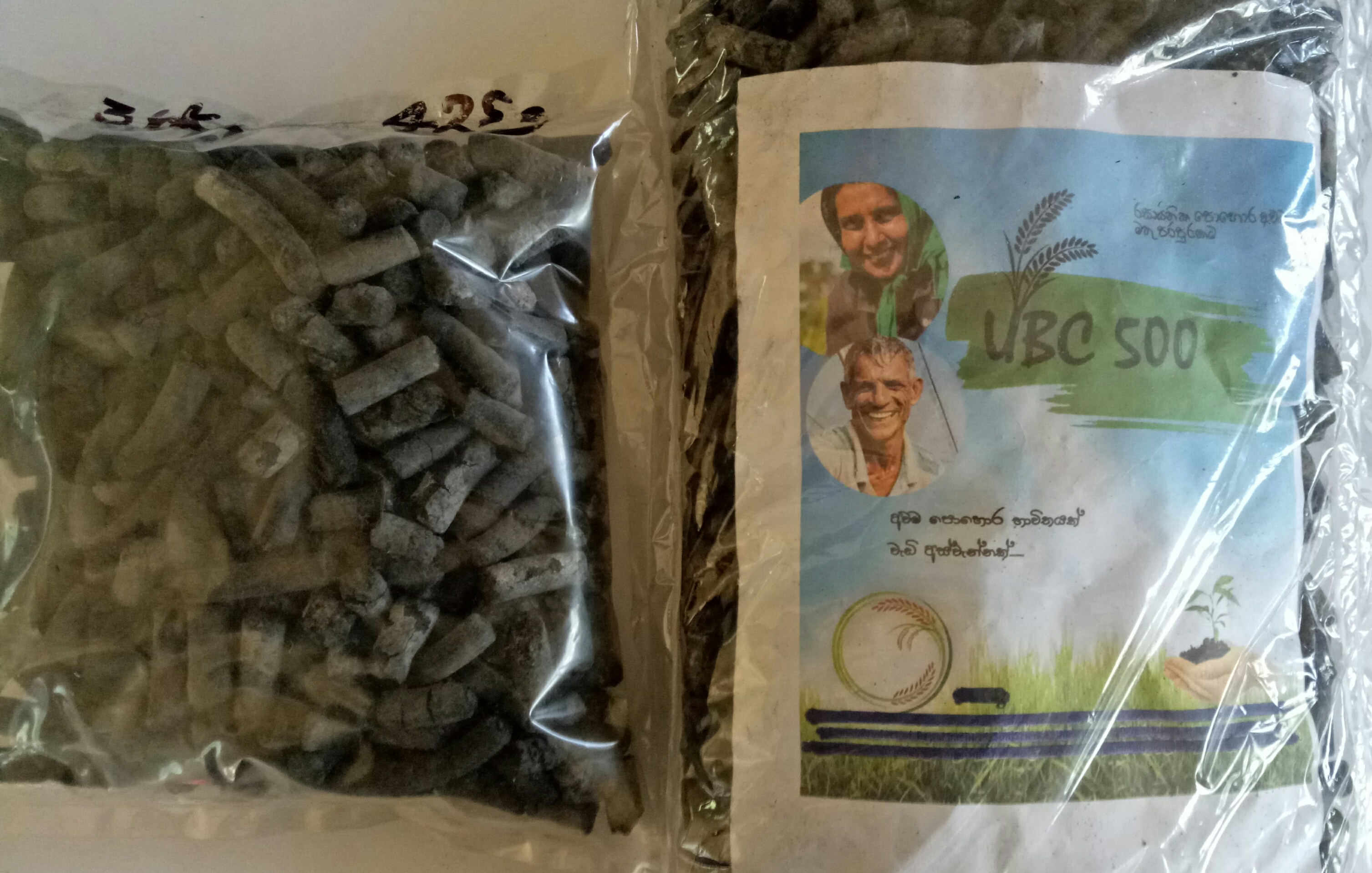
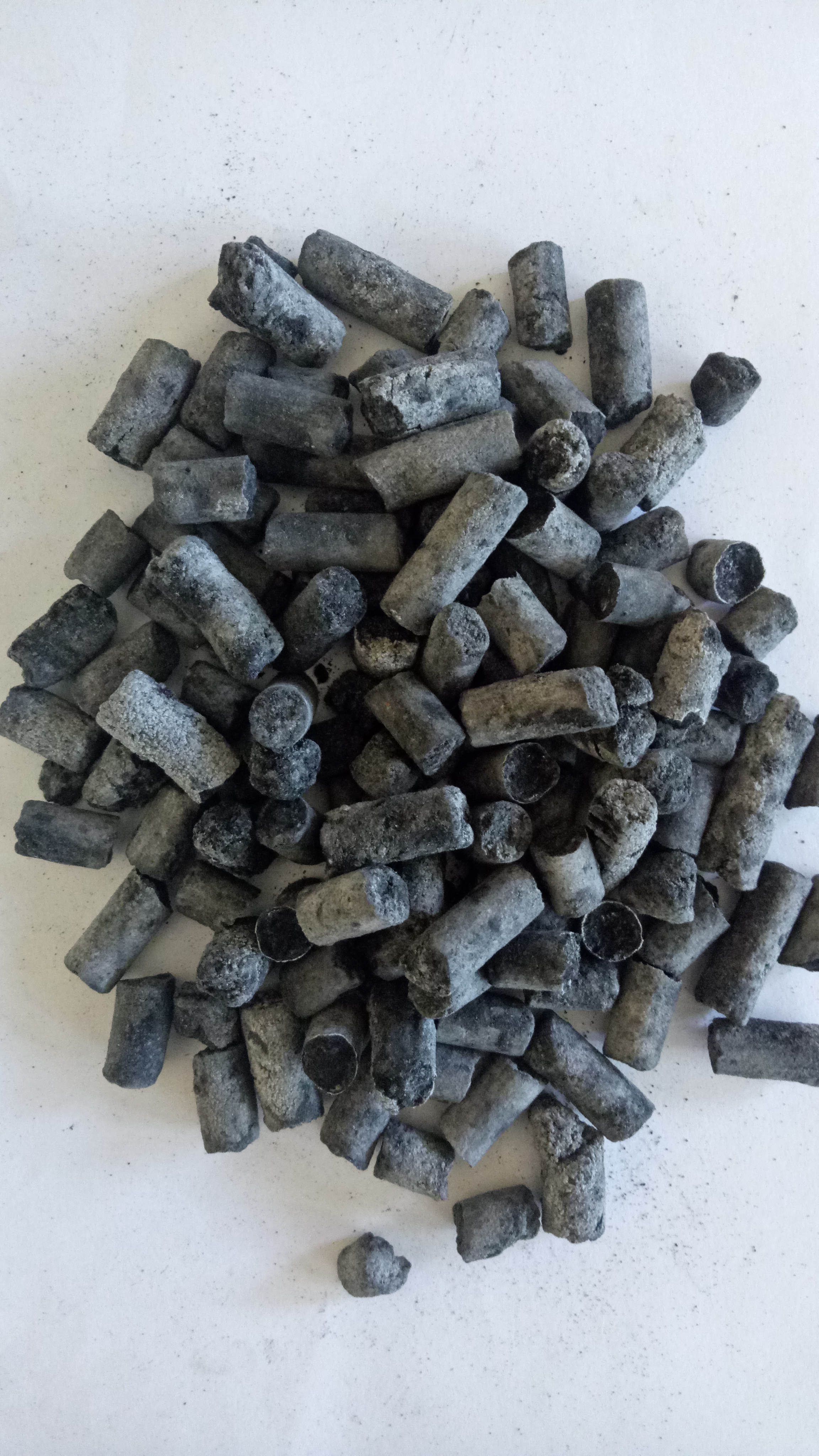
Rice husks are often considered as a waste, and its carbon is released to the atmosphere as carbon dioxide (CO2) which is a greenhouse gas (GHG) through either decomposition or burning as a biofuel. However, rice husks can be converted into biochar – where its carbon is stable - with a large number of micro and sub-micron size pores in a honeycomb-like structure. Rice husk biochar was produced using an improved batch pyrolizer, “Kunthaniya”, at a temperature of between 450°C and 650°C. Pore spaces in rice husk biochar can be intercalated (filled) with urea and then, slow-release fertilizer (SRF) pellets can be produced through the use of a suitable biodegradable binder. This SRF has found to be more efficient in improving the N-use efficiency, hence the urea requirement of paddy fields in Sri Lanka can be reduced by about 25%, further contributing to environment sustainability. It has been well documented that biochar can improve soil physical, chemical and biological properties in a sustainable manner. This process is a contribution to creative recycling of agricultural waste.
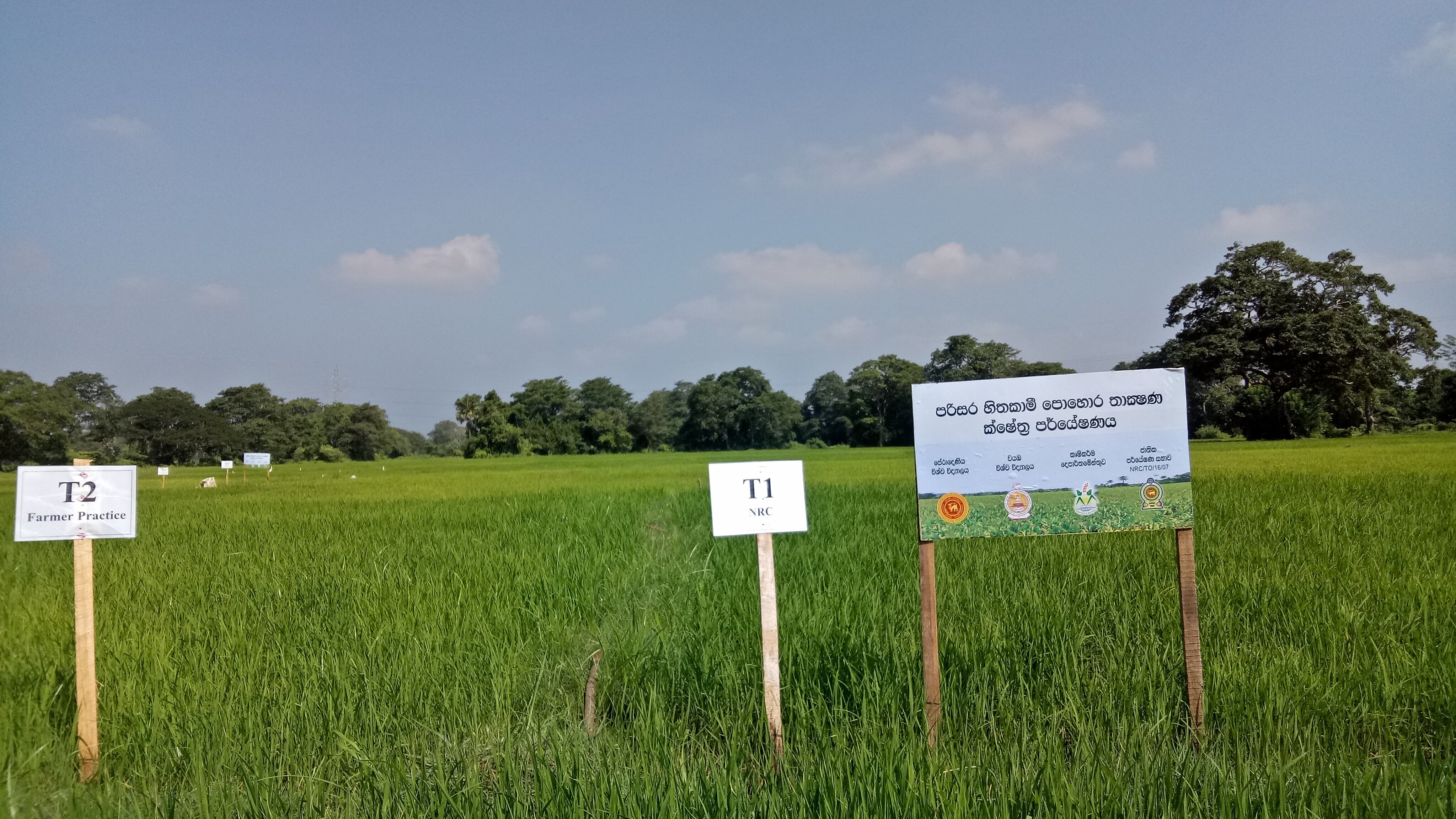
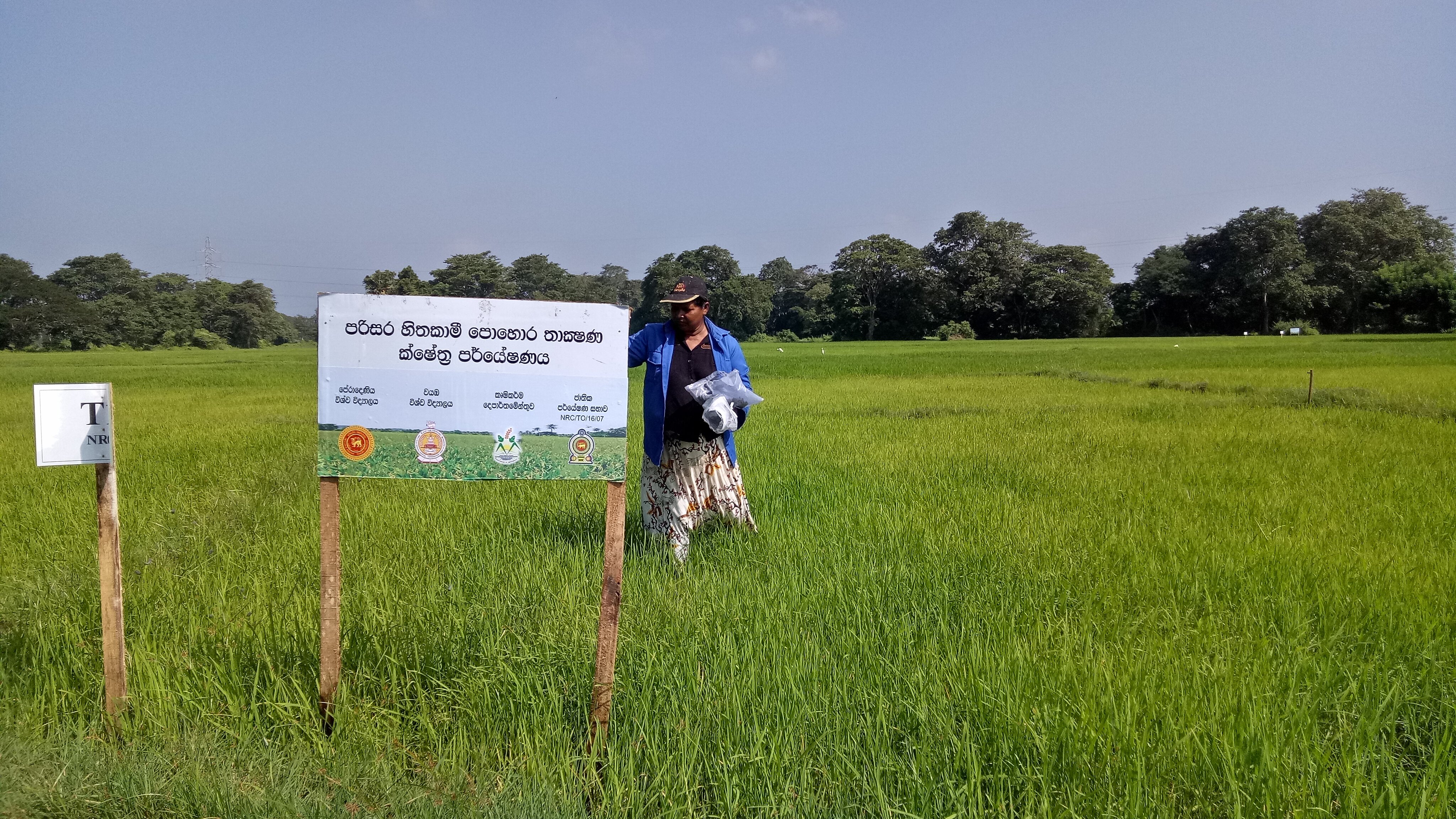
The SRF technology was evaluated against current farmer practice in rice cultivated area in Mahakanumulla village, Anuradhapura district, Sri Lanka. The area belongs to the Dry Zone of Sri Lanka (mean annual rainfall <1750mm). Rice is cultivated during two seasons, yala (May-September) and maha (December – February): the yala season is generally drier. Farmers rely on irrigation water supplied from a small village tank. The SRF was transported to farmers’ fields and applied at 2 weeks (@ 100 kg/ha), at 4 weeks (@ 170 kg/ha) and 7 weeks (@ 145 kg/ha) after direct seeding.
Farmers indicated that the granule size was large and light, hence they had some concerns about even distribution of fertilizer. They perceive that plants receive N slowly compared to granular urea - suggesting the slow releasing nature of the new technology. They did not observe any yield difference. Obtaining rice husks in large quantities from rice mills to produce biochar can sometimes be difficult in some areas of the country due to competition for use in the poultry industry. Some farmers may be discouraged to implement this technology due to lack of knowledge: this can be overcome through extension officers operating at field level.
This new technology qualifies as a sustainable land management practice in number of ways. First it increases N-use efficiency in paddy fields, second it reduces the urea requirement by 25% while sustaining productivity, third it recycles agricultural wastes in paddy fields, fourth, repeated application of SRF improves soil fertility through rice husk biochar, and finally it reduces GHG emissions.
Photos of the Technology
- 📍 Mahakanumulla, Thirappane
- 📷 H.PG.T.N. Kualasinghe
- 📍 Mahakanumulla, Thirappane
- 📷 H.PG.T.N. Kualasinghe
- 📍 Mahakanumulla, Thirappane
- 📷 H.PG.T.N. Kualasinghe
- 📍 Mahakanumulla, Thirappane
- 📷 H.PG.T.N. Kualasinghe