
Crop-livestock integration to enhance soil productivity
Type: Technologies
Creation: 2022-04-23 12:23 Updated: 2022-05-13 19:55
Compilers: Head Soil Science
Reviewers: William Critchley
Country/ region/ locations where the Technology has been applied and which are covered by this assessment
- Country: Sri Lanka
- Region/ State/ Province: Central province
- Further specification of location (e.g. municipality, town, etc.), if relevant: Dolluwa
- Map: View Map
Description of the SLM Technology
Short description of the Technology
Crop-livestock integration improves nutrient circularity and soil productivity: solid and liquid organic fertilizers prepared from cow manure are incorporated to soil or sprayed on leaves of vegetables and tea.
Detailed description of the Technology
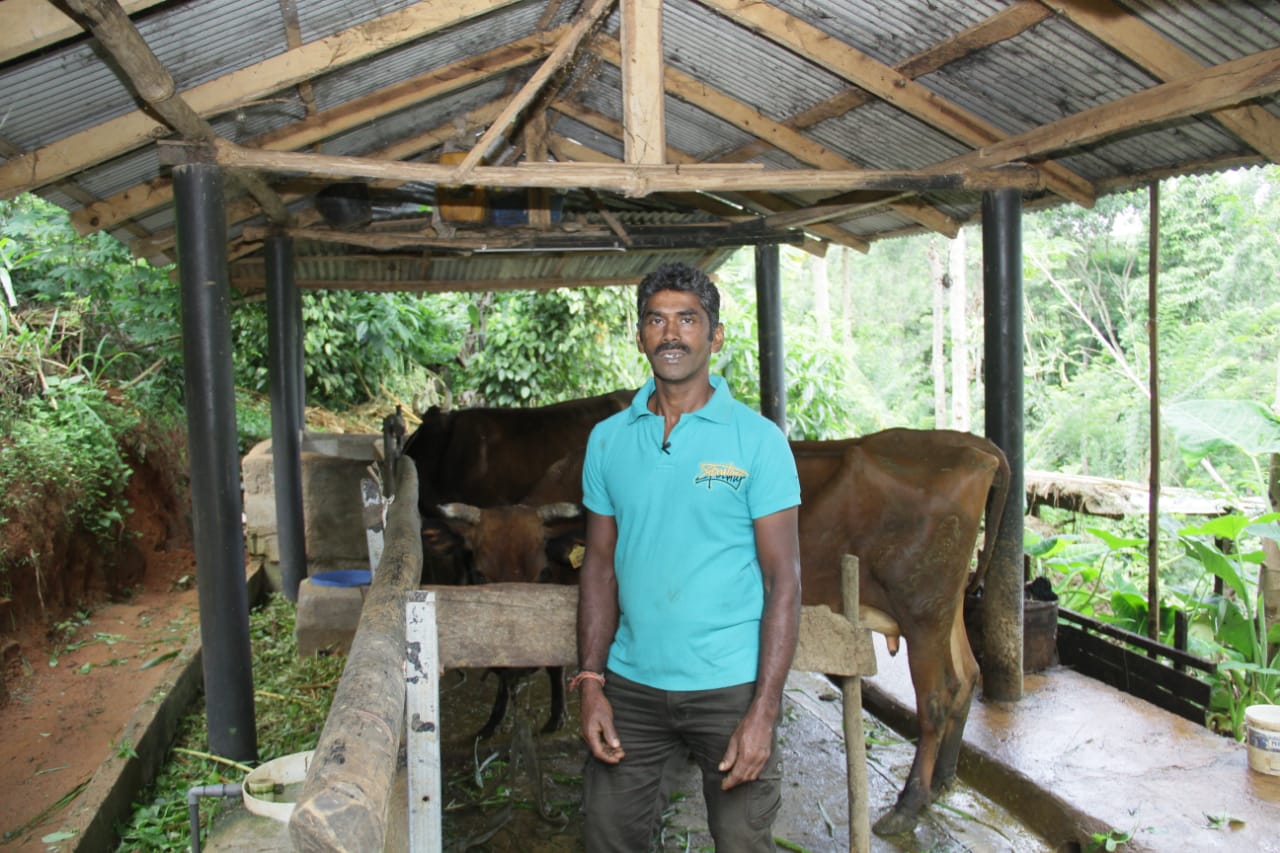
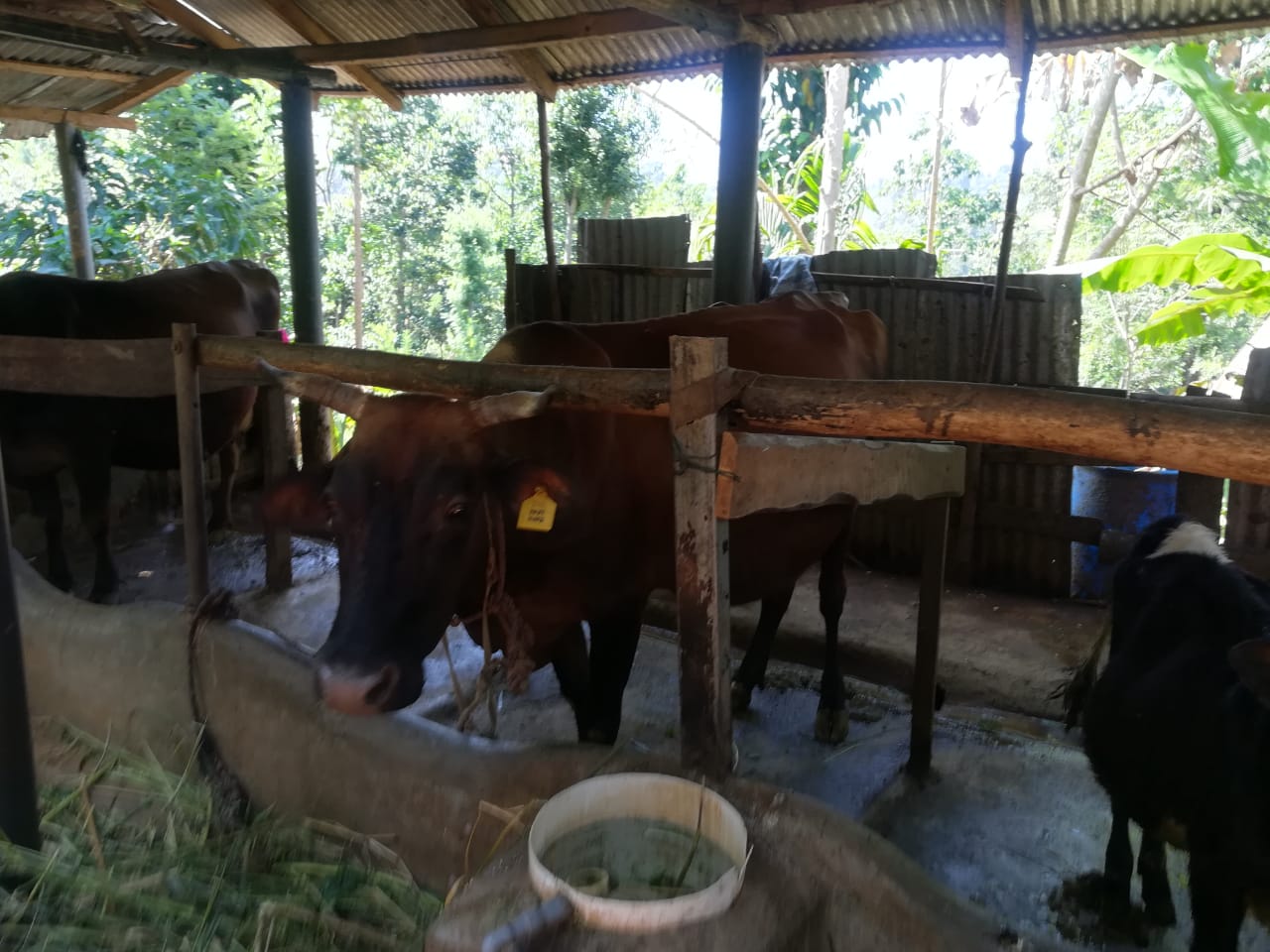
Dairy cattle farming is common in the Dolluwa area of the central province of Sri Lanka. Farmers typically have 3-4 cows on about 2-3 hectares for both milk consumption and sales. The landowner interviewed did not formerly adhere to best practices: cows were grazed in woodlands, and water and supplementary feed were not provided as needed. Housing was inadequate. Farm waste wasn’t properly recycled. The farm is located on steep land without adequate soil conservation for annual crops and tea. There was heavy dependence on chemical fertilizer. As a consequence, milk production was below average and crop yields had declined. Besides, there was reservoir pollution due to effluent washed downslope.
New technology was developed to increase milk and crop production by integrating animal–crop management strategies while enhancing nutrient circularity within the farm, and improving soil productivity and environmental quality.
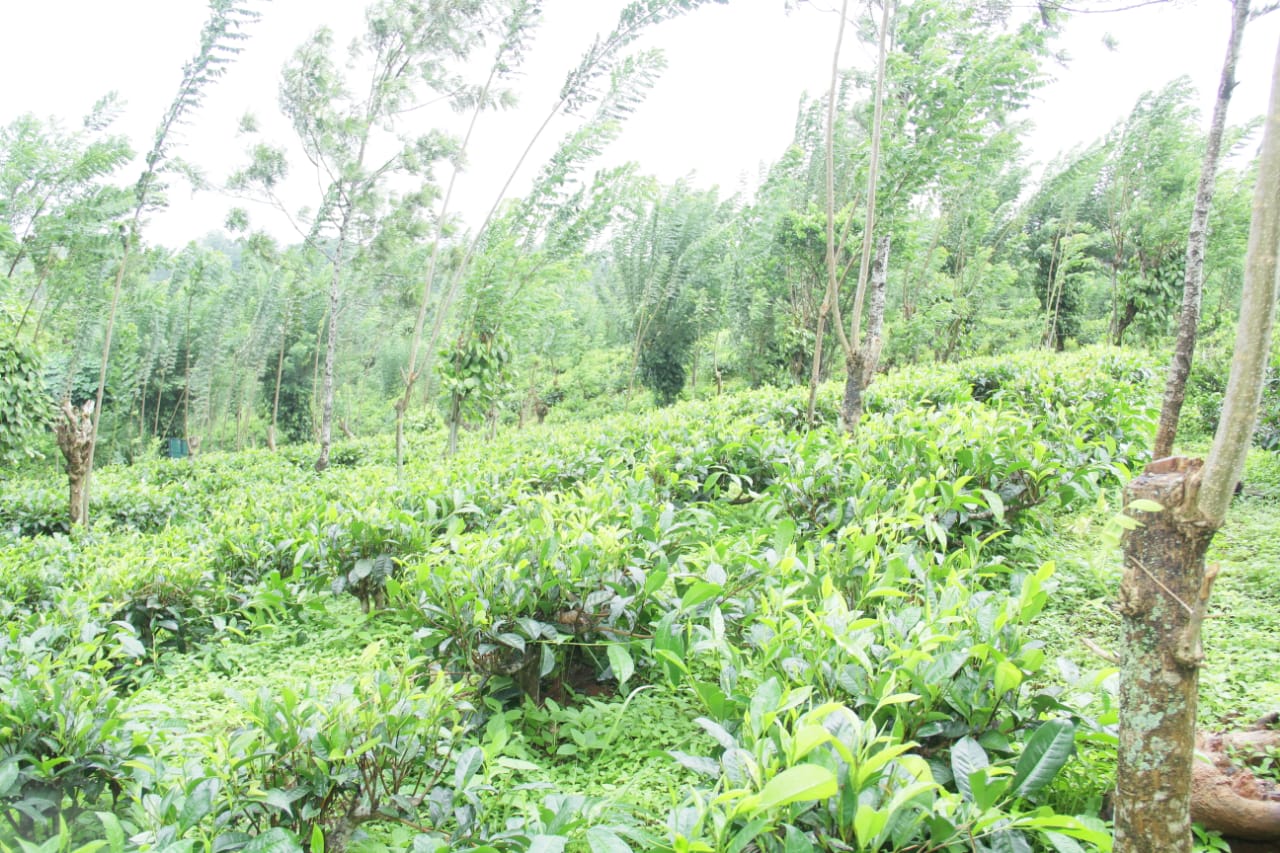
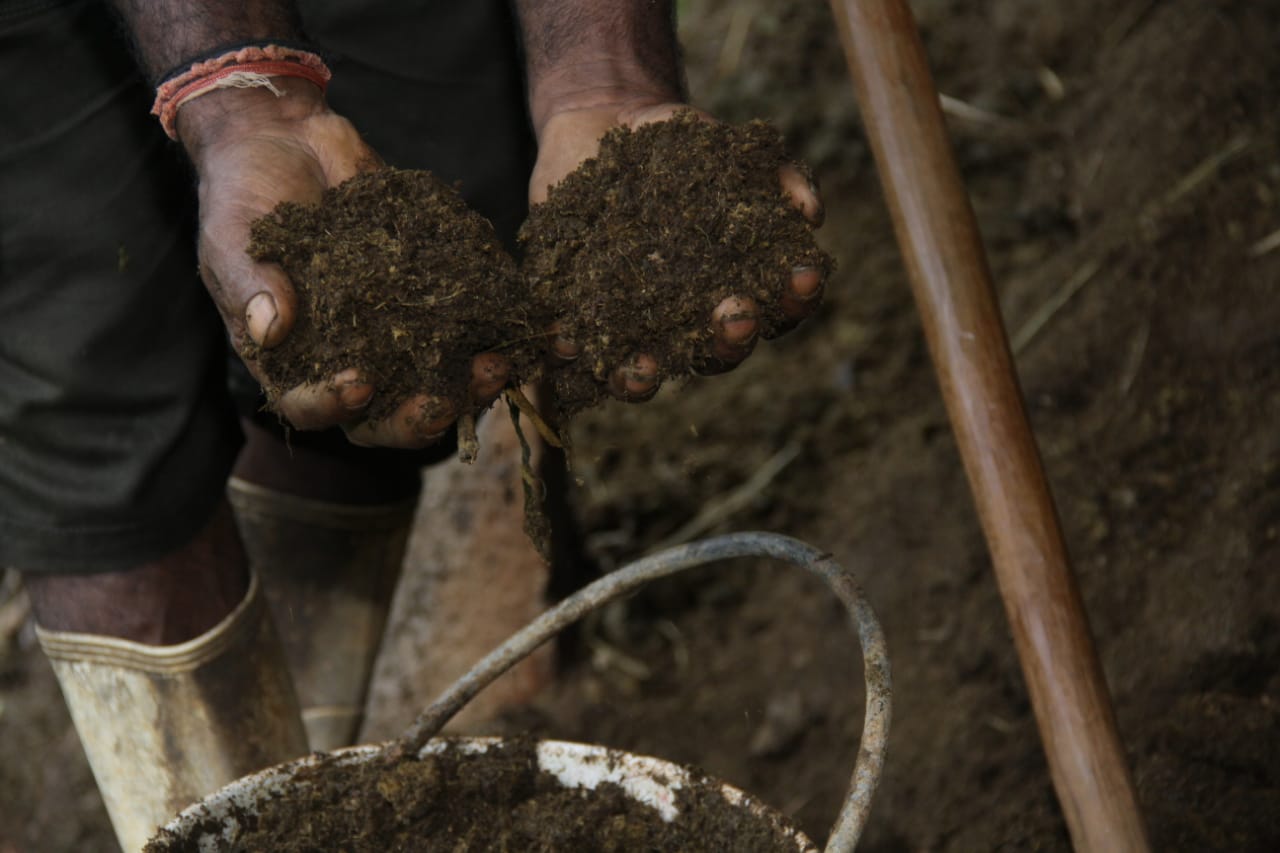
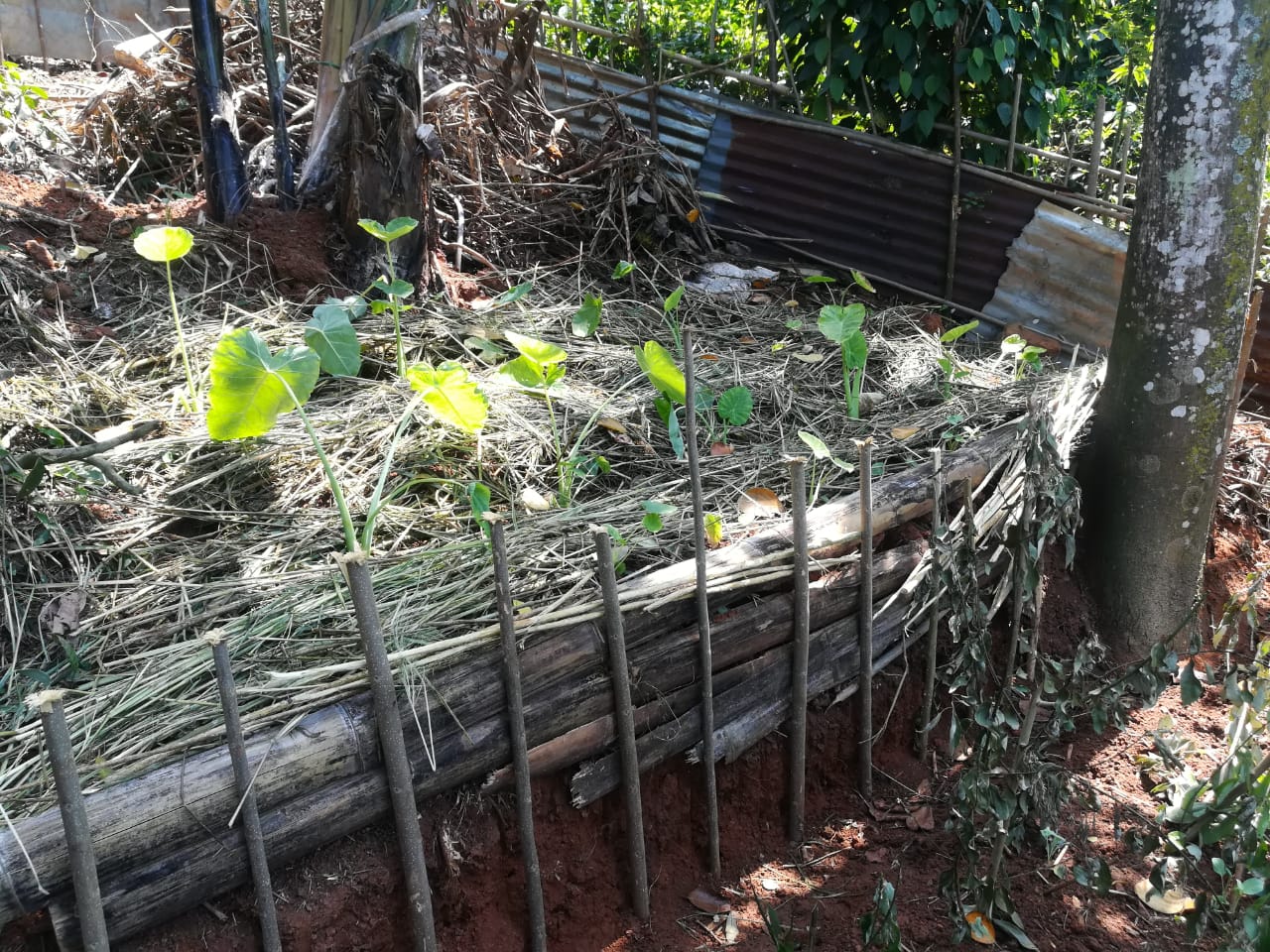
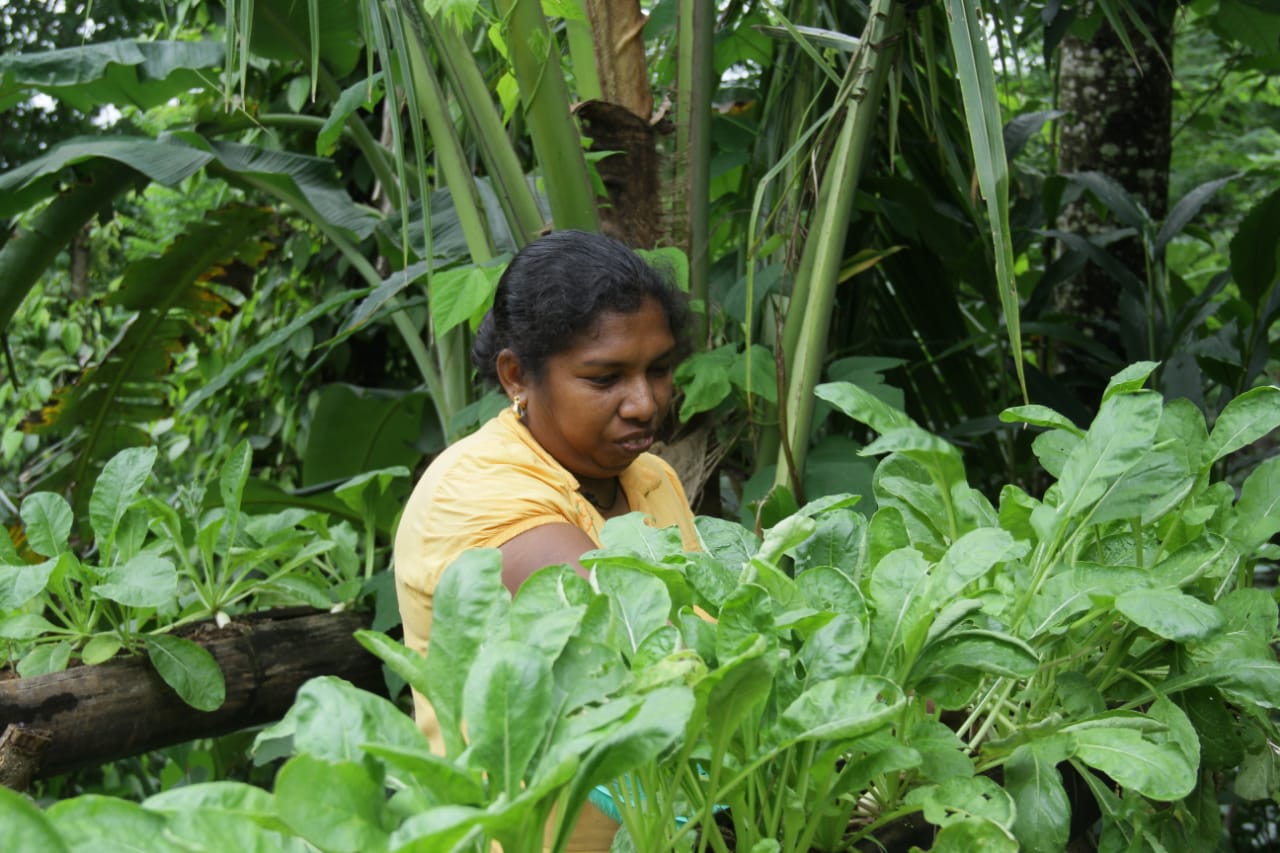
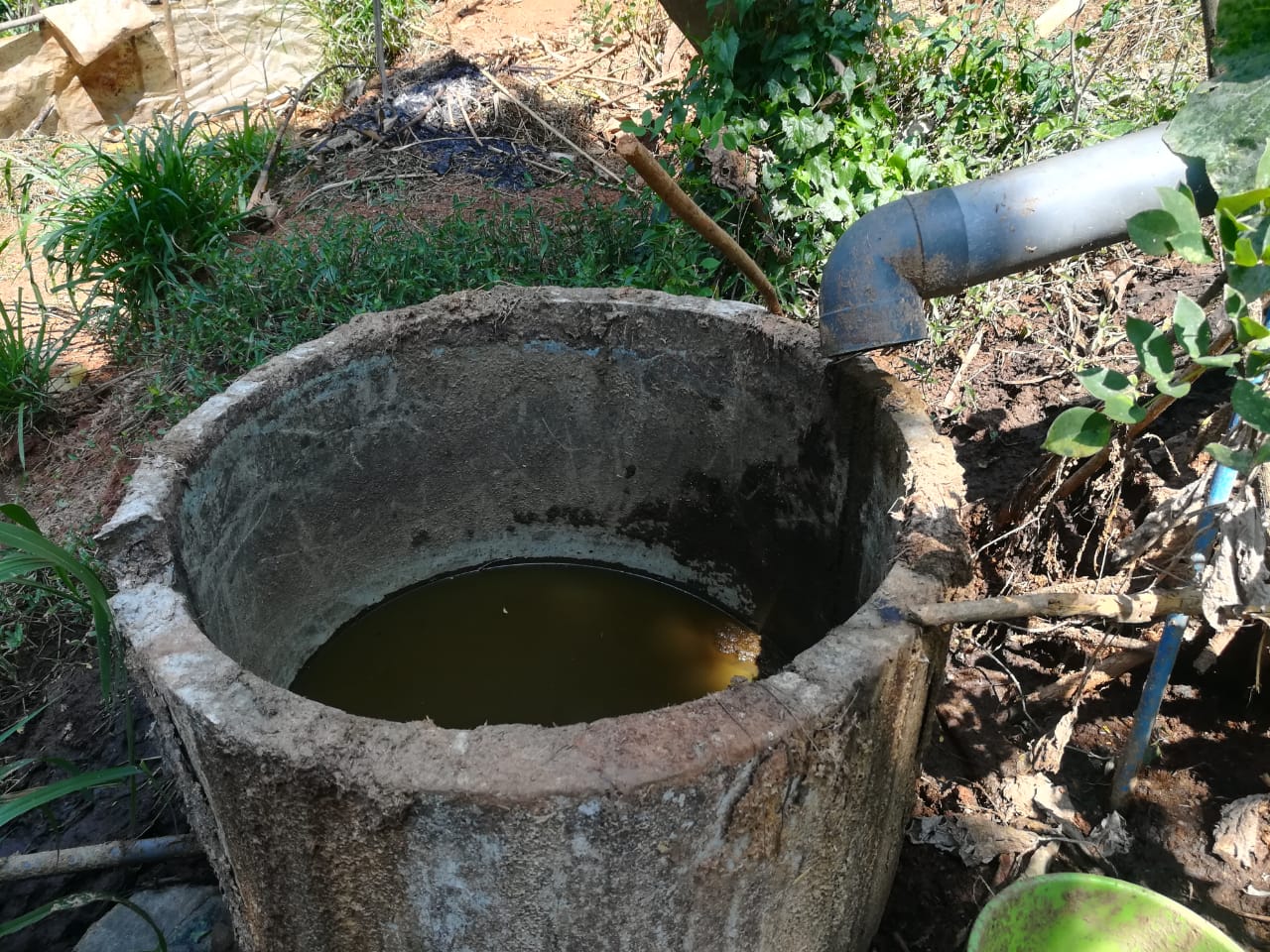
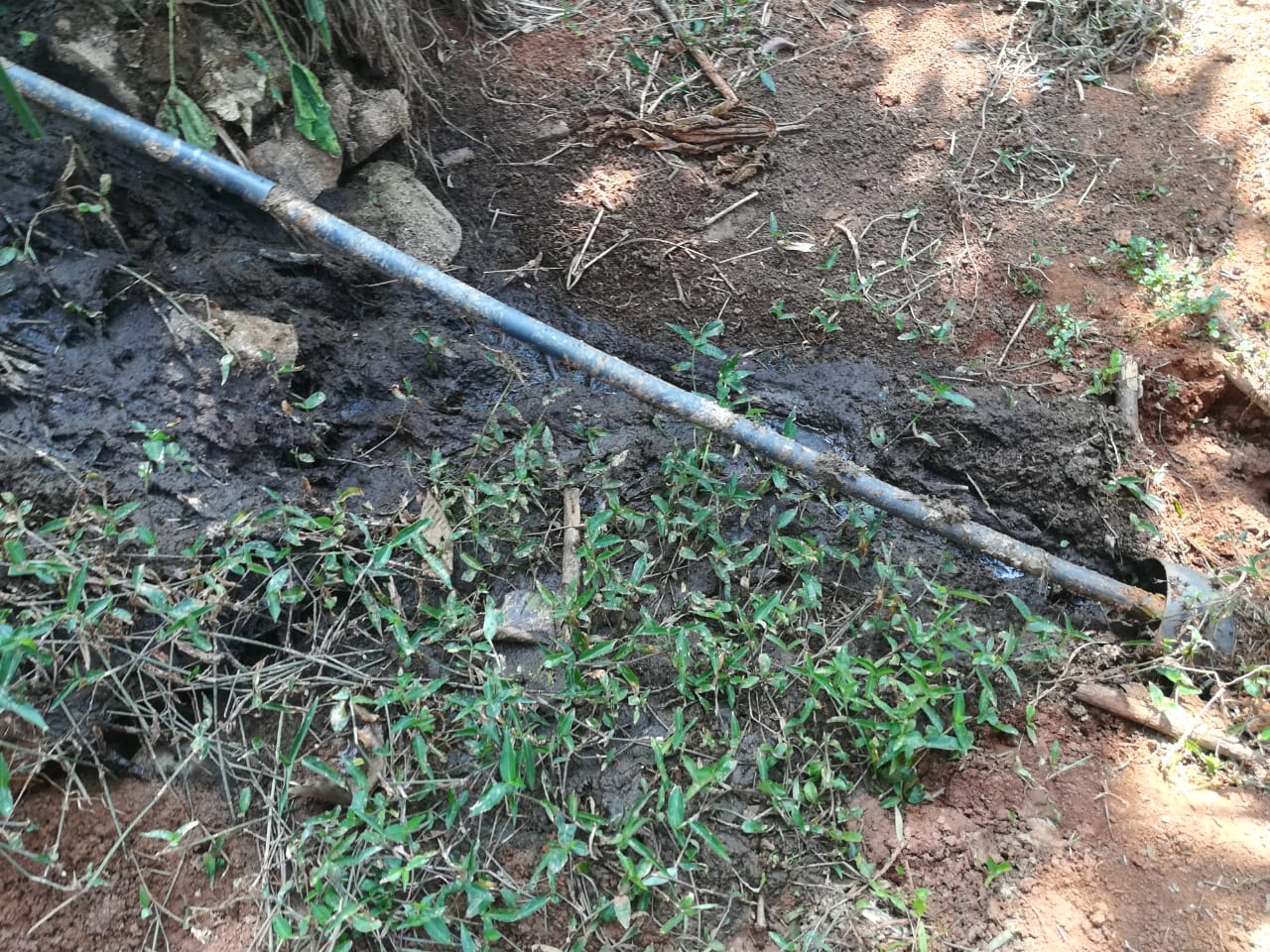
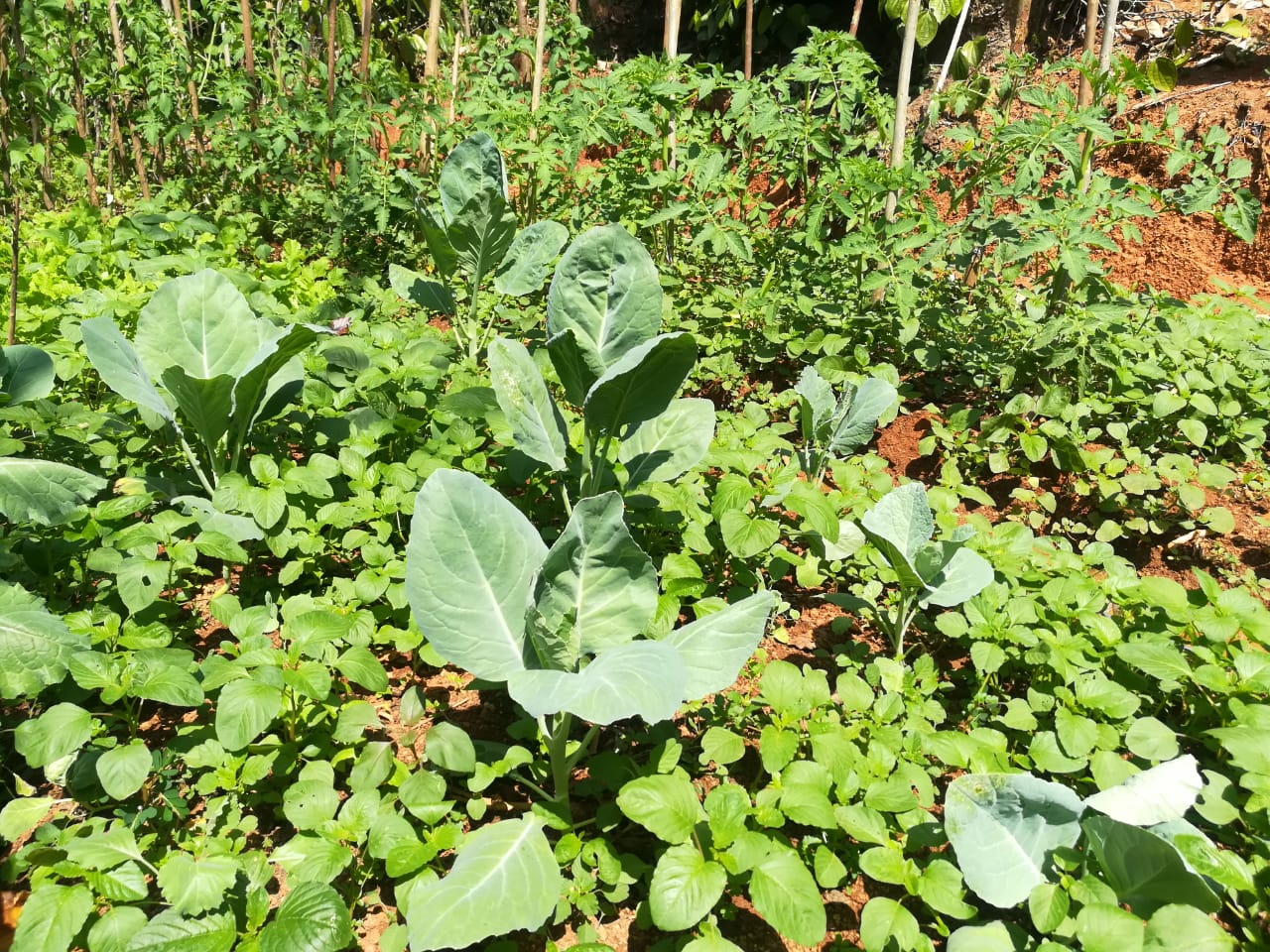
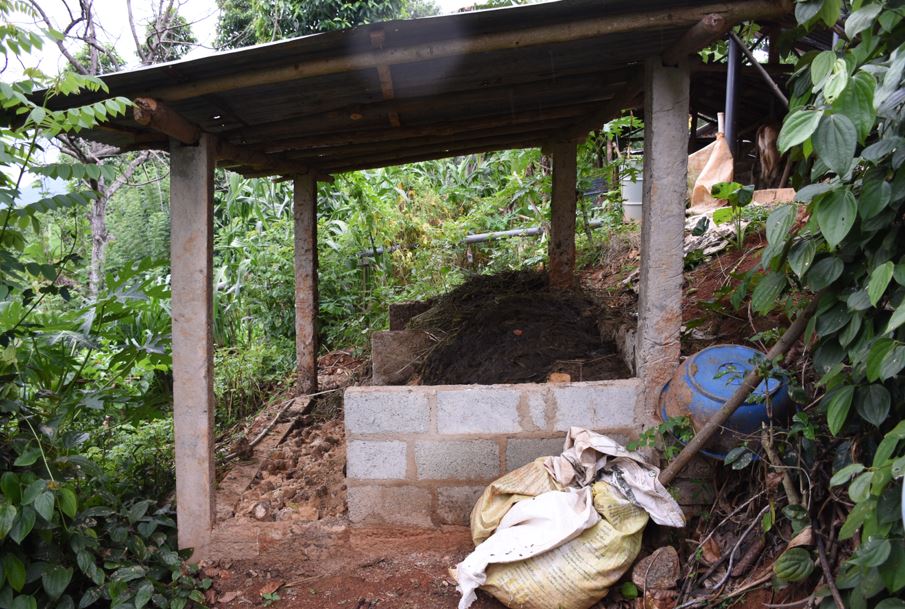
The landowner was first enrolled in the Rehabilitation of Degraded Agricultural Land Project (RDALP) of the UN’s FAO in 2018. The first priority was soil conservation for the steep areas under tea. SLM practices thus combined contour cropping and bunding. Following this, an integrated crop-livestock system was initiated. The RDALP and Fonterra Pvt. Ltd. helped the landowner to build a modern cowshed with infrastructure to provide feed and water. Thereafter, cows were stall-fed: grazing was completely stopped. Cow manure is collected and stored in heaps for 2-3 weeks before incorporating into soils. In the same shed, compost is prepared by mixing manure with crop residues and kitchen/ homegarden waste. Cattle urine and wastewater is directed to a cement tank where it is mixed with specific types of leaves; it is fermented and applied as liquid fertilizer and biopesticide. Manure is used mainly for fast-growing vegetables, while compost is applied to annuals, particularly at planting, and to tea once every three months. Liquid fertilizer is applied to tea seven days before harvesting.
This package requires adequate land for a cattle shed, and for a recycling system to prepare compost and liquid fertilizers. In addition, there must be enough labour for the whole process. The key inputs include materials for the shed, associated infrastructure, and a sprayer to apply liquid fertilizers.
The major benefit is recycling waste to generate useful products – while ensuring circularity of nutrients between crop and animal production systems: thus supporting a “bioeconomy”. Soil conservation practices and the nutrient sources described have improved soil fertility and productivity for overall sustainability. Milk yields have more than doubled, and the tea harvest more than trebled.
(1) Where is the Technology applied?
On steep terrain: tea is cultivated lower down and there are reservoirs in the valley.
(2) What are the purposes/ functions?
•Provide food security
•Increase efficiency of livestock production
•Promote overall nutrient cycling
•Partially substitute chemical fertilizers and pesticides with organic manure
•Generate high-quality organic manure and compost to improve soil fertility
•Control contamination of river water
(3) What are the benefits/ impacts of the Technology?
•Reduced susceptibility of crops to pests/ diseases
•Improved quality of food and water
•Slowed land degradation and restored soil fertility
•Reduced risks
•Economically feasible and rapid impact
(4) What do land users like/
•Reduced risk
•Increased income
•Reduction in cost of production
(5) ...dislike
•Damage to crops by wild animals.
•Higher cost for dairy farming (feed)
Photos of the Technology
- 📍 Gurukele, Nilamba
- 📷 Nimal Gunasena
- 📍 Gurukele, Nilamba
- 📷 Nimal Gunasena
- 📍 Gurukele, Nilamba
- 🗓 2022-06-02
- 📷 Nilanthika Beddegama
- 📍 Gurukele, Nilamba
- 📷 Nimal Gunasena
- 📍 Gurukele, Nilamba
- 📷 Nimal Gunasena
- 📍 Gurukele, Nilamba
- 🗓 2022-06-02
- 📷 Nilanthika Beddegama
- 📍 Gurukele, Nilamba
- 🗓 2022-06-02
- 📷 Achini Dias
- 📍 Gurukele, Nilamba
- 🗓 2022-06-02
- 📷 Nilanthika Beddegama
- 📍 Gurukele, Nilamba
- 🗓 2022-06-02
- 📷 Sachinthika Ranawana
- 📍 Gurukele, Nilamba
- 📷 Nimal Gunasena
- 📍 Gurukele, Nilamba
- 📷 Nimal Gunasena