
Traditional Cisterns
Type: Technologies
Creation: 2022-08-23 10:00 Updated: 2022-08-29 15:56
Compilers: Erhan Akca
Reviewers: William Critchley, Rima Mekdaschi Studer
Country/ region/ locations where the Technology has been applied and which are covered by this assessment
- Country: Türkiye
- Region/ State/ Province: Mediterranean Region, Turkey
- Further specification of location (e.g. municipality, town, etc.), if relevant: Göcük Village, Tarsus
- Map: View Map
Description of the SLM Technology
Short description of the Technology
Cisterns are water collection structures which form part of a cultural heritage dating back some 2000 years. While cisterns are commonly used to store drinking water, in the sloping fields of Tarsus they serve as a form of water insurance structure for orchards during dry periods.
Detailed description of the Technology
People have lived in Tarsus in the Northern Mediterranean Basin since the Neolithic period, and from that time they have modified their environment by constructing terraces to safeguard against erosion and cisterns to store water. Cisterns were constructed for two purposes: cisterns next to homes were designed for drinking water, and the cisterns in the fields were intended to supply vital supplementary irrigation to Mediterranean crops of figs, carobs, vines, and olives during the driest months of July and August. In the summer, a normal-sized cistern with a water volume of 150 cubic metres (150 tonnes) can supply water to a 1-hectare fig (150 tree.ha-1) or olive orchard (200 tree.ha-1) that are traditionally planted on a slightly inclined field (3-5% slope).
The historical field cisterns, which were built using roman cement to reinforce locally available hard limestone, have an average depth of 14 metres and a maximum diameter of 4 metres, narrowing towards the top like the neck of a bottle. One of the most important features is the design that keeps the water surface at about 2-3 meters below the intake hole. By making sure the water in the reservoirs does not receive sunlight, it is believed that the growth of algae and bacteria would be prevented in the cistern.
The Mediterranean climate forms a home for drought-tolerant crops like figs, grapes, olives and carob. However, by supplying small amounts of water to plants, such as one or two buckets, throughout the driest months of the year, particularly July and August, yields can be significantly increased. Cisterns are also utilized to provide sheep and goats, which have been farmed in the region for a very long time, with water for drinking.
Maintenance is needed to repair structural damage, which can be brought about by shifting stones or weakening of the cement. Additionally, the interior has to be cleaned because it may have been partially filled with stones and branches. Furthermore, certain plants must not be permitted to grow close to the cisterns, particularly figs, as their roots can penetrate the stone and undermine the framework.
Farmers continue to favor the technique since the frequency of droughts in the Mediterranean area is increasing. However, because the maintenance of the cisterns exceeds farmers' capabilities, they request, and receive, repair and cleaning assistance from the municipality.
Photos of the Technology
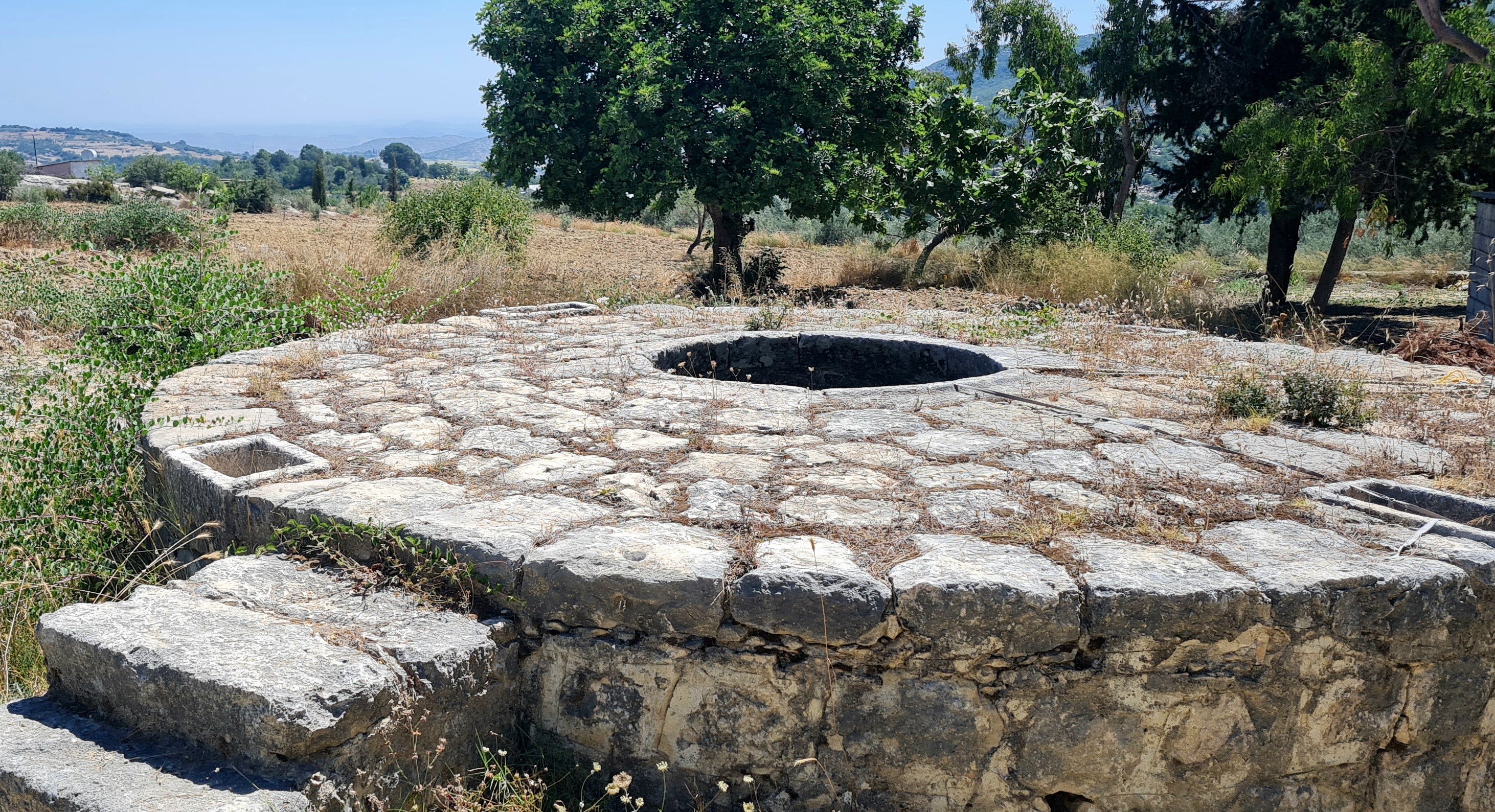
- 📍 Tarsus
- 📷 Erhan Akça
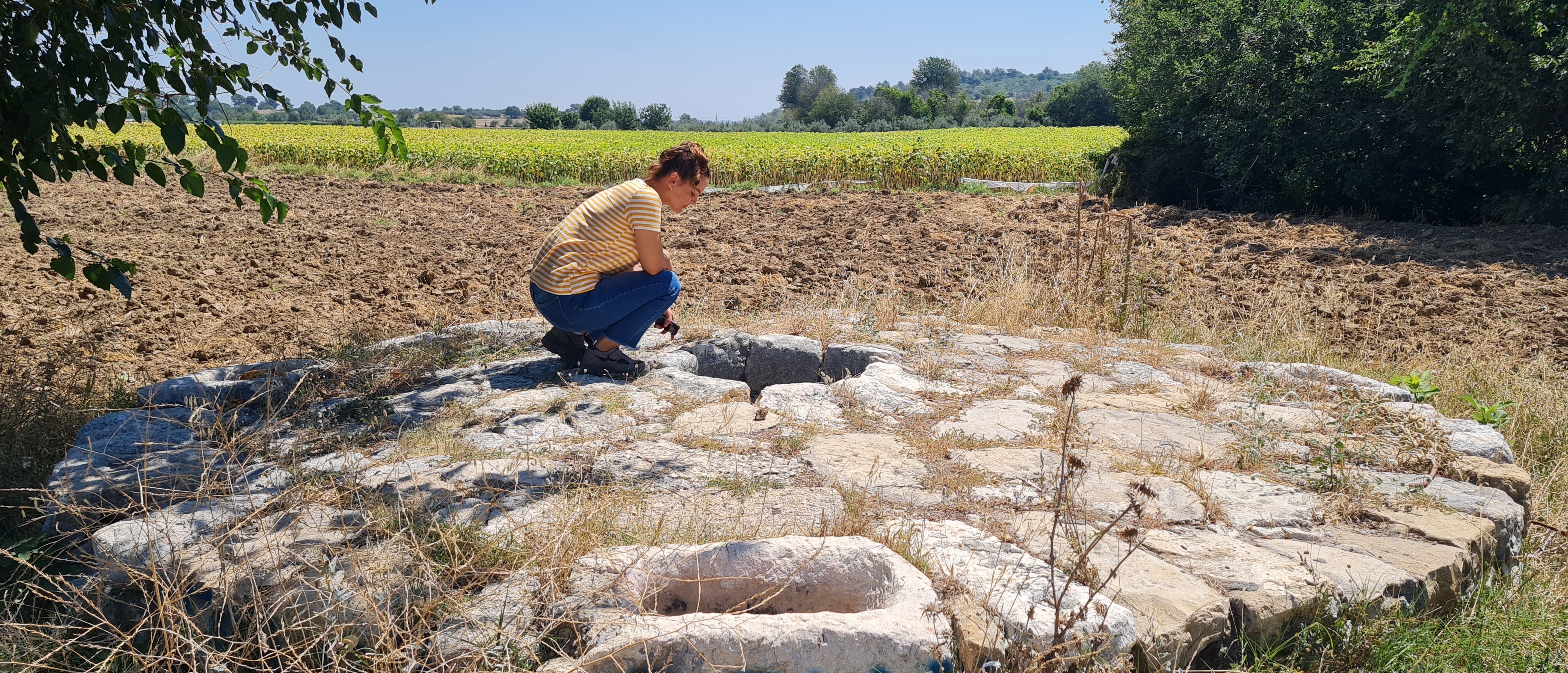
- 📍 Tarsus
- 📷 Osman Polat
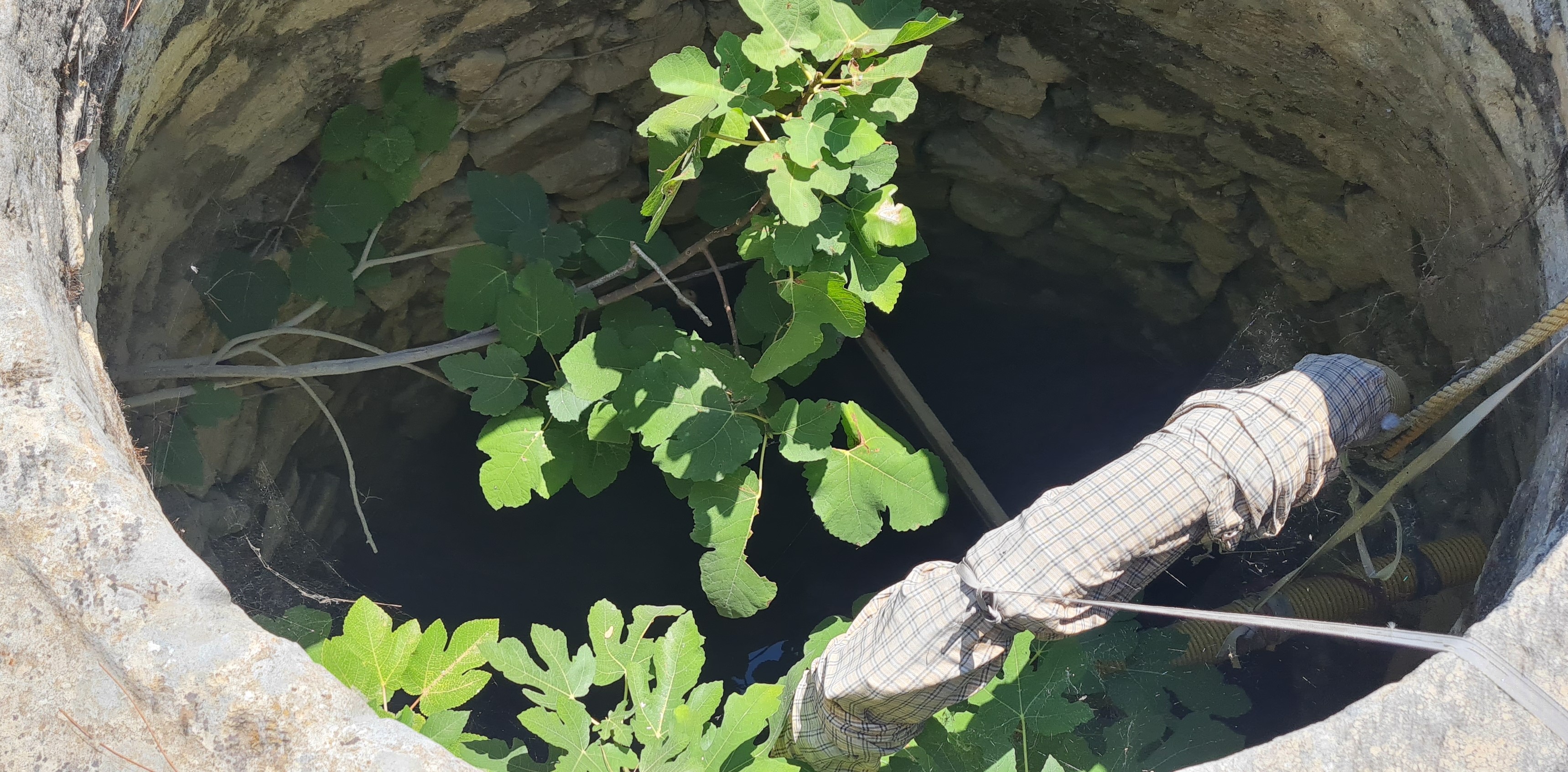
- 📍 Tarsus
- 📷 Bayram Saim
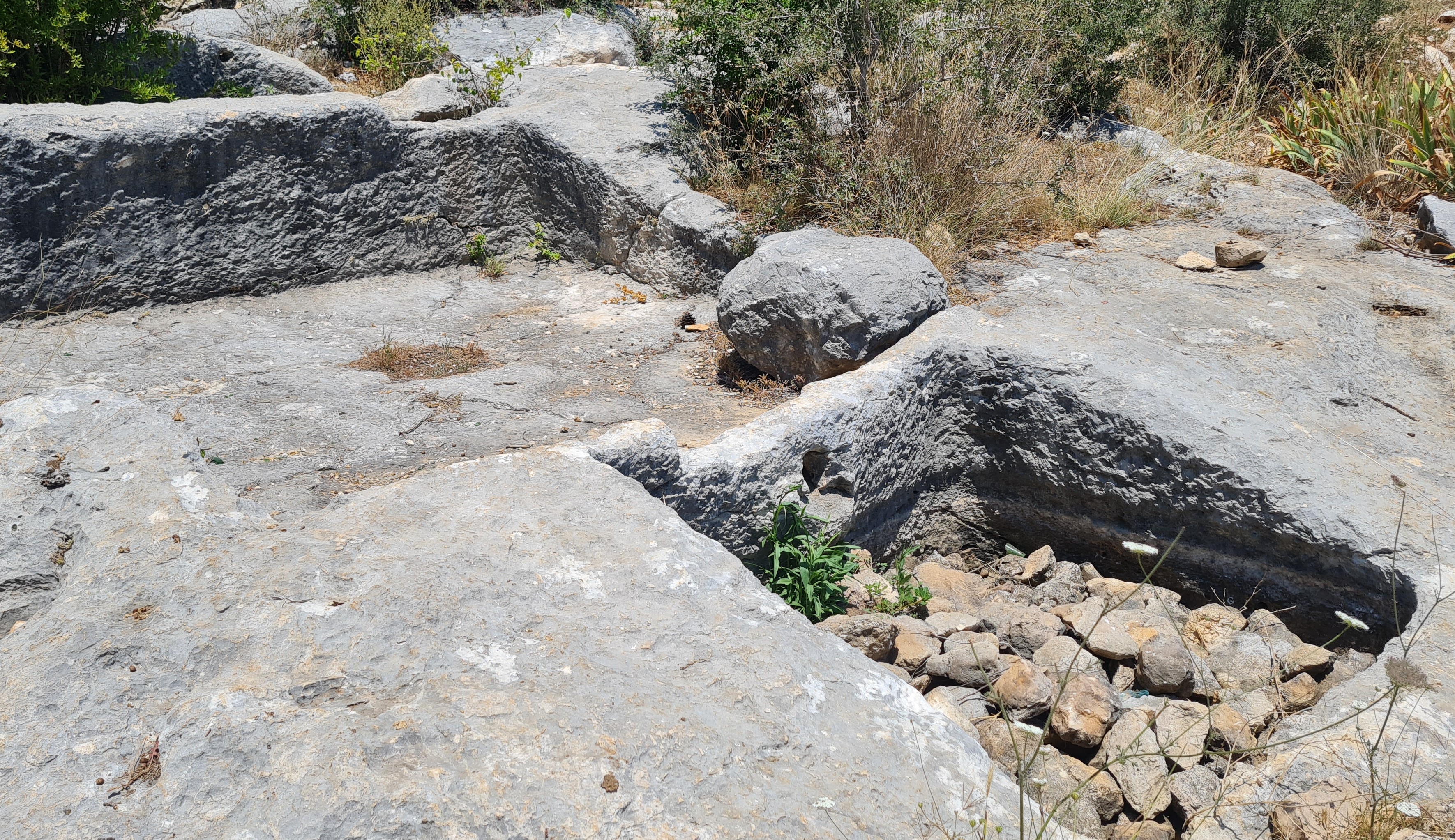
- 📍 Tarsus
- 📷 Bayram Saim