
Biochar Application on Homestead Land
Type: Technologies
Creation: 2023-03-17 01:05 Updated: 2024-04-15 15:28
Compilers: Santosh Gupta
Reviewers: Udo Höggel, Sally Bunning
Country/ region/ locations where the Technology has been applied and which are covered by this assessment
- Country: India
- Region/ State/ Province: Madhya Pradesh
- Further specification of location (e.g. municipality, town, etc.), if relevant: Mandla
- Map: View Map
Description of the SLM Technology
Short description of the Technology
Biochar is a carbon-rich solid formed from the organic residue by pyrolysis. Biochar is a stable, highly water and nutrient-retentive product that benefits microorganisms and has a very high carbon sequestration potential. Farmers in the project area have applied it to their homesteads or kitchen gardens.
Detailed description of the Technology
Biochar, a sustainable soil amendment, is produced through pyrolysis, where organic matter such as wood or agricultural waste is heated in a closed container under low-oxygen conditions. Applying biochar to soil has numerous benefits for improving soil health, such as enhancing soil fertility, reducing greenhouse gas emissions, improving soil microbiology, and reducing soil erosion. One of the most significant benefits of biochar is its ability to sequester atmospheric carbon dioxide into the soil, which can help mitigate climate change by reducing the amount of carbon dioxide in the atmosphere. Biochar can also remove contaminants from soil and water and serve as a compost component.
Biochar also reduces the emission of ammonia and carbon dioxide (Cabeza et al. 2018), lowers soil compactness, optimizes compost (Liang et al. 2010), improves water retention and the sorption of heavy metals, increases the availability of micronutrients for plants and increases the pH of soils (Van Zwieten et al. 2010). Biochar also stimulates the growth of rhizosphere microorganisms and mycorrhizal fungi (Głuszek et al. 2017). These bacteria and fungi may also promote plant growth (Compant et al. 2010). The pH values of biochars are positively correlated with the formation of carbonates and the contents of inorganic alkalis (Ding et al. 2014). The pH value of biochar ranges from 6.5 to 10.8. It is advisable to test the pH values of both soils and biochar to reach at the optimal quantity of biochar to be applied in the field.
In the Mandla district, agriculture is the backbone of the economy, and farmers are constantly adopting new farming technologies to increase their agricultural production. One such technology that has positively impacted more than a thousand farmers in the region is the application of biochar in homestead land under a GIZ-funded Soil protection and rehabilitation of degraded soil for food security in India (ProSoil) program. Biochar in this region is prepared using low cost Biochar Kiln units developed by Indian council of agriculture research institutions, traditional methods, such as digging soil pits and burning organic residue while covering its top with soil. Since the Mandla district is a high-rainfall region, most farmers broadcast biochar over their fields before growing rabi (winter) crops. Commonly grown rabi crops in this region are mustard, vegetables, and maize.
Farmers in the Mandla district use small units of biochar production. The recovery rate of biochar is 20%, with a capacity of 100kg of organic material. The application rate per unit area varies from farmer to farmer.
1. Landholding: Farmers with more extensive land holdings or generally rotationally applied biochar in the parcels.
2. The intervention of biochar application was introduced in this region in 2020. The new practice is evolving, and the application rate of biochar varies from farmer to farmer depending on the availability of raw materials and labour availability (family/hired)
The most suitable biochar application rate is 10 − 20 t/ha. Moreover, it is essential to consider the compatibility and complementarity between biochar, soil texture, and management factors such as Nitrogen (N) application rate, pH values and growing environment into consideration (Yang Gao et al., 2021). More scientific studies are needed to define the quantity of biochar needed based on the local soil conditions. However, the current quantity of applications is very low compared to suggested in secondary documents.
The immediate effects of biochar application on crop production have been significant, with farmers reporting an increase in crop yield by 20-25% across most crops. Simple indicators such as increased grain weight and improved grain quality imply that the crop produced is of higher quality. Another critical benefit highlighted by farmers of biochar application is the retention of soil moisture over a longer duration compared to non-treated fields. Biochar can help the farmers of the Mandla district increase their agricultural productivity while promoting sustainable land use practices.
Photos of the Technology
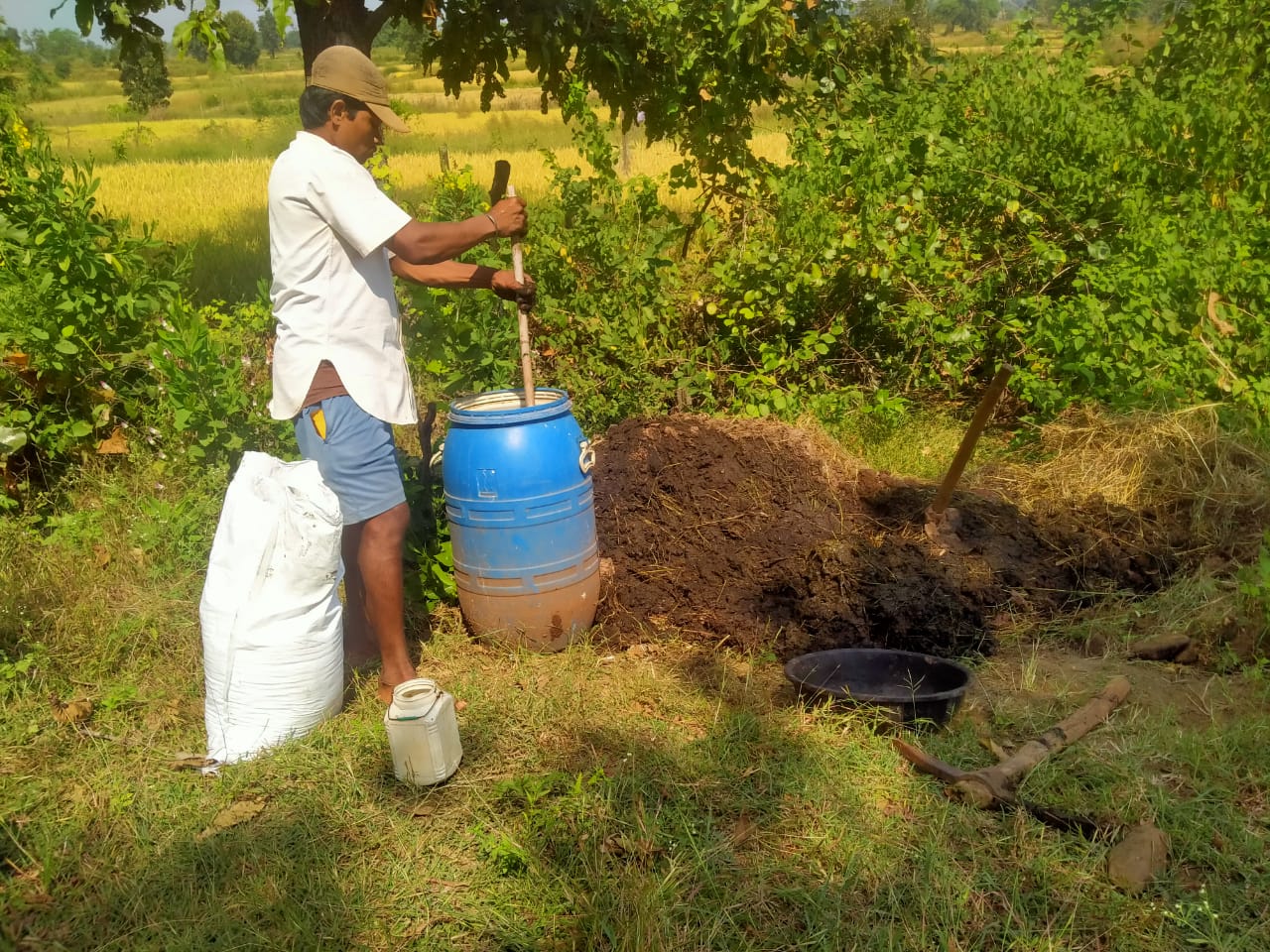
- 📍 Mandla, Madhya Pradesh
- 📷 Anoop Thakur, FES
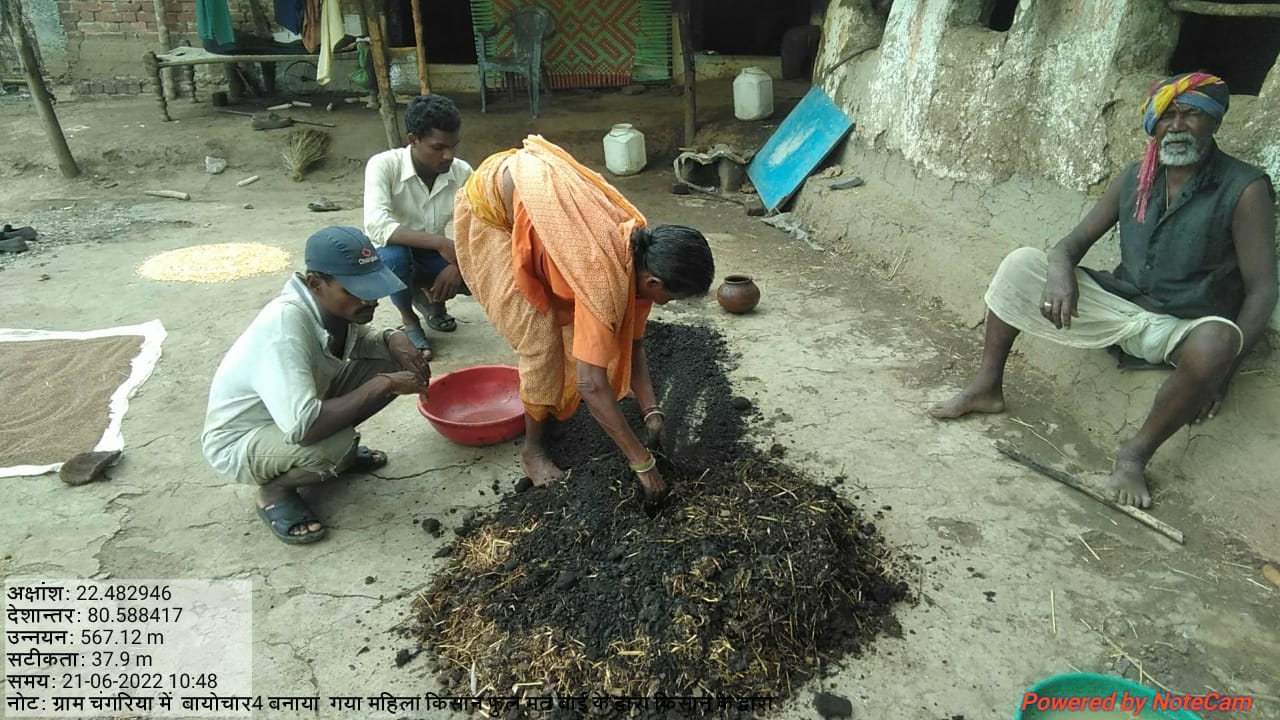
- 📍 Mandla, Madhya Pradesh, India
- 📷 Foundation for Ecological Security
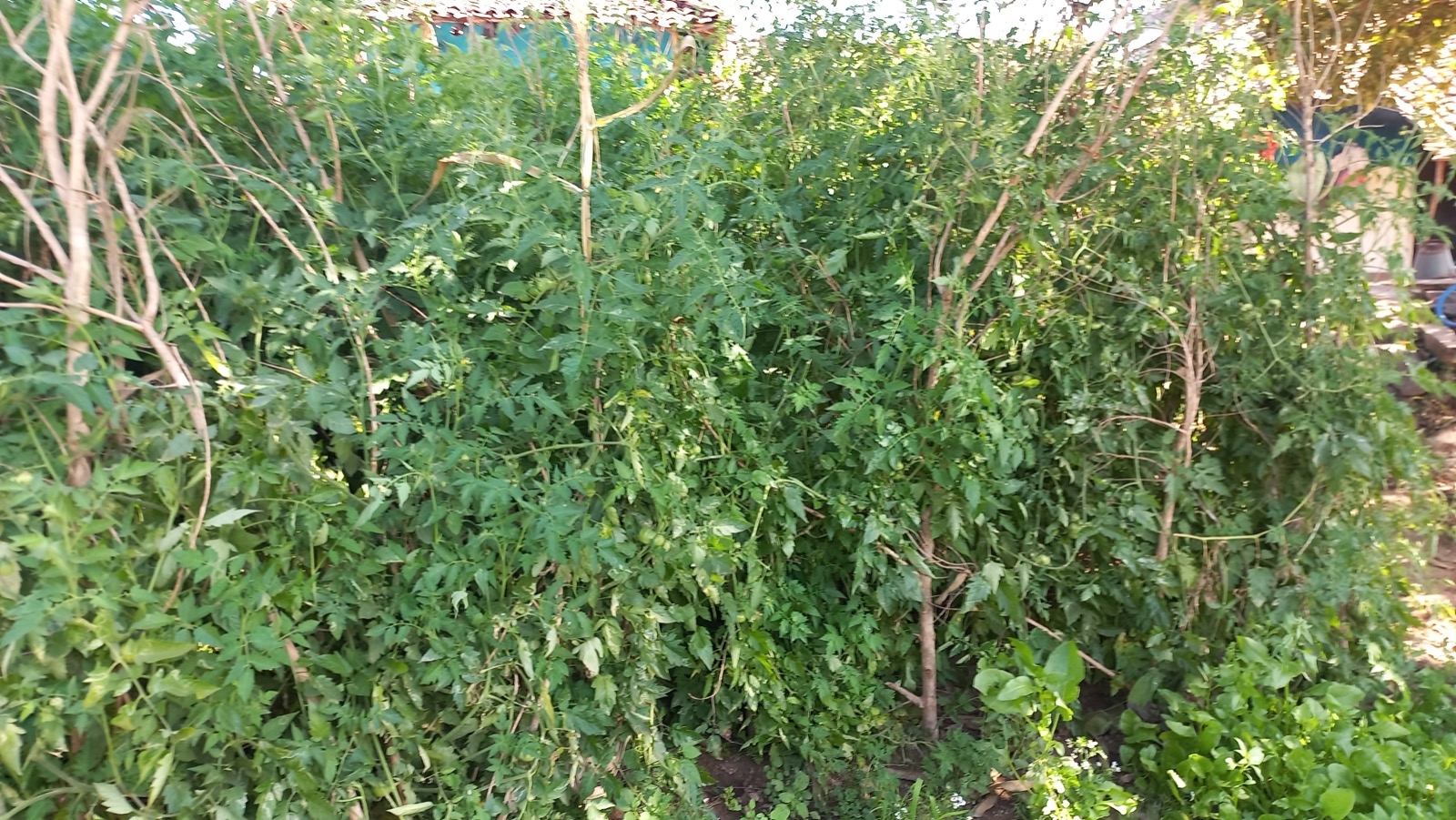
- 📍 Mandla, Madhya Pradesh, India
- 📷 Santosh Gupta