
Preparation of Bio-Inputs such as Vermicompost, Biofertilizers, and Biopesticides
Type: Technologies
Creation: 2023-03-17 11:05 Updated: 2024-04-17 10:52
Compilers: Santosh Gupta
Reviewers: Udo Höggel, Joana Eichenberger, Sally Bunning
Country/ region/ locations where the Technology has been applied and which are covered by this assessment
- Country: India
- Region/ State/ Province: Madhya Pradesh
- Further specification of location (e.g. municipality, town, etc.), if relevant: Bichhiya Block, Mandla District, Madhya Pradesh
- Map: View Map
Description of the SLM Technology
Short description of the Technology
Bioresource Center (BRC) is an enterprise model to promote the preparation and commercialization of bio-inputs to help farmers adopt natural and sustainable agriculture practices. The bio-inputs and composting material under such models are prepared using locally available material at very affordable prices.
Detailed description of the Technology
Bioresource Center (BRC) is a community-led enterprise to produce bio-inputs and compost from locally available bioresources for improving soil health and fertility, managing pest and disease, and meeting the nutrient requirement for the crops. BRCs have been envisaged as a potential enterprise solution to meet the requirements of small and marginal farmers who do not have time and resources to make their own bio-inputs and composting material. Such farmers can purchase the bio-inputs at very affordable prices from the BRCs being operated by either individual entrepreneurs or community-based institutions of male and female farmers.
Essentially it is an enterprise-led platform that can create the necessary conditions to scale the adoption of better farming practices. The technology for bioresource units is applied in both natural and human environments to promote sustainable agriculture and improve livelihoods in rural communities. The establishment and maintenance of a bioresource unit require inputs such as organic waste materials, earthworms, inoculants, and water, as well as activities such as vermicomposting, biofertilizer and biopesticide production, training and capacity building, and monitoring and evaluation.
The technological inputs produced include various type of tried and tested local formulations like microbial preparations such as Jeevamrut (Soil life elixir), Ghana Jeevamrith(compact and aggregated form of Soil Life Elixir), Beejamrut (Microbial Seed Dressing), Waste Decomposer, etc.; botanical decoctions like Panchagavya ( 5 cow based products formulation - Milk, Curd, cow-urine, cow-dung, ghee), Dashparni (Extract of 10 leaves available locally), Neemastra (Extarct of Neem leaves and seeds (Azadirachta indica), Brahmastra (Referes to the highly effective pest controlling material made out of chilli, garlic and other local materials), agniastra (Refers to the fire powering material for controlling pest), NSKE (Neem seed kernel extract) ; and biopesticides cultures like Beauveria, Verticillium, Trichoderma, Pseudo-monas, NPV formulations/cultures. Beyond this, the platform enables the supply of seeds of green manuring crops, vermiculture/compost, Neem / karanj cake, Cow dung/cow urine, briquets, seeds/seedlings of trap crops, etc. For a detailed list of different sub-technologies - preparations, their ingredients and processing one can refer to BIO-INPUT RESOURCE CENTER MANUAL FROM NATIONAL COALITION FOR NATURAL FARMING at: (https://indiaclimatecollaborative.org/wp-content/uploads/2022/09/BRC-Technical-manual.pdf)
This technology does not require much investment and material. 2-3 plastic containers of 200 litres and 2-3 containers of 100 litres or any other locally available utensil are good enough to make these bio-inputs. The preparation method for each of the inputs is a bit different from each other, while some of the inputs are being prepared by extracting the paste from leaves or other materials like chilli, garlic etc, others are prepared by mixing them with cow dung and cow urine. Cow urine is one of the most important substances for preparing these inputs. The urine of indigenous cows are considered more effective for preparing these inputs. The document shared above can be refereed to for the preparation method of each of the bio-inputs.
The bioresource unit technology has numerous benefits and impacts, including improved soil health, reduced dependence on synthetic inputs, increased crop yields, reduced environmental impact, enhanced biodiversity, reduced greenhouse gas emissions, and improved human health. Land users generally appreciate the benefits of the bioresource unit technology, particularly its cost-effectiveness, improved soil health, and reduced environmental impact. However, there are also challenges related to the labor-intensiveness of the technology, the need for technical knowledge, and the dependence on local resources.
By using natural inputs and locally available resources, this technology can help to create a more sustainable and equitable food system for people and for land also. These functions contribute to a healthier environment, healthier crops, and healthier communities.
Photos of the Technology
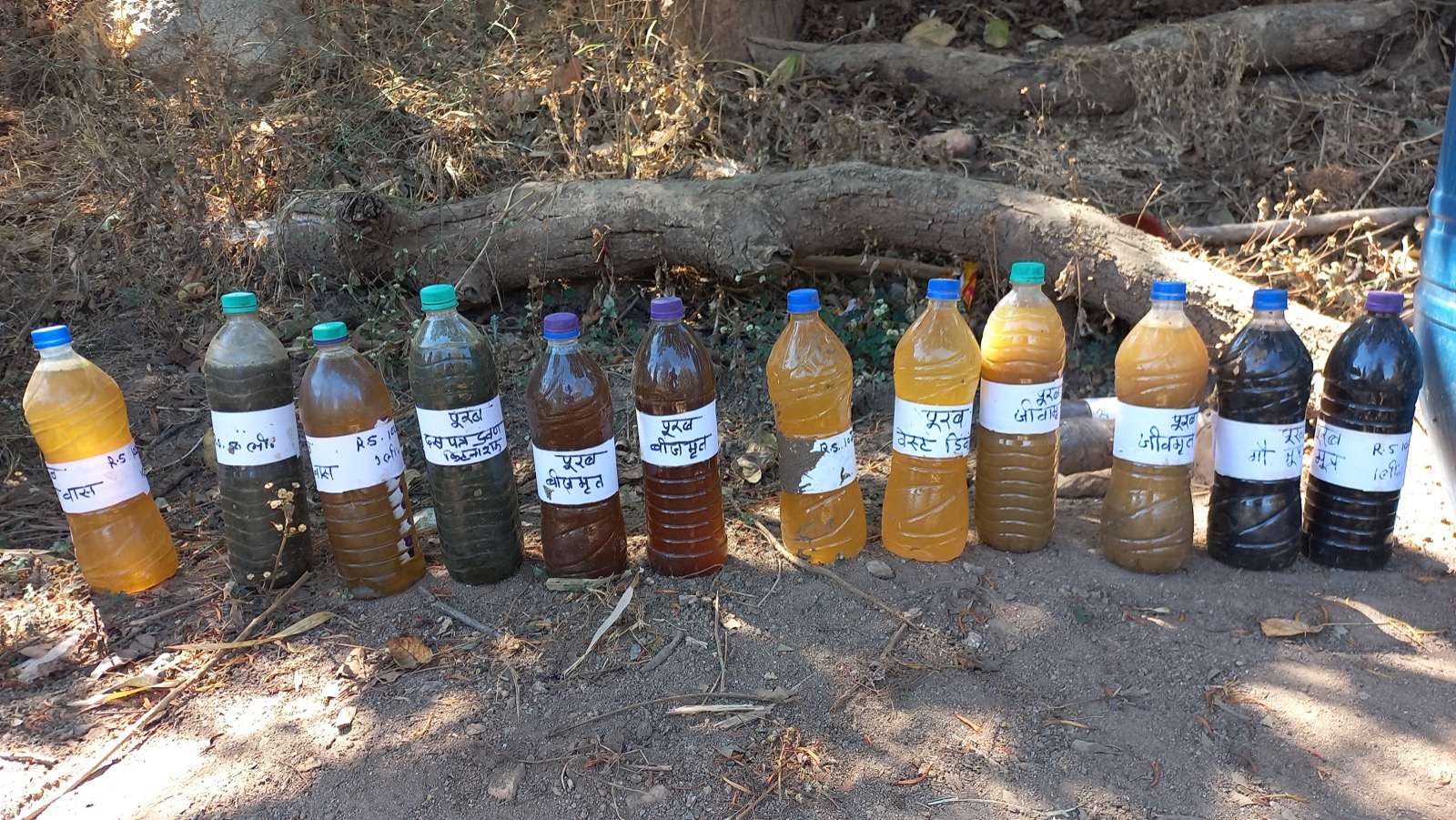
- 📍 Mandla, Madhya Pradesh, India
- 📷 Santosh Gupta
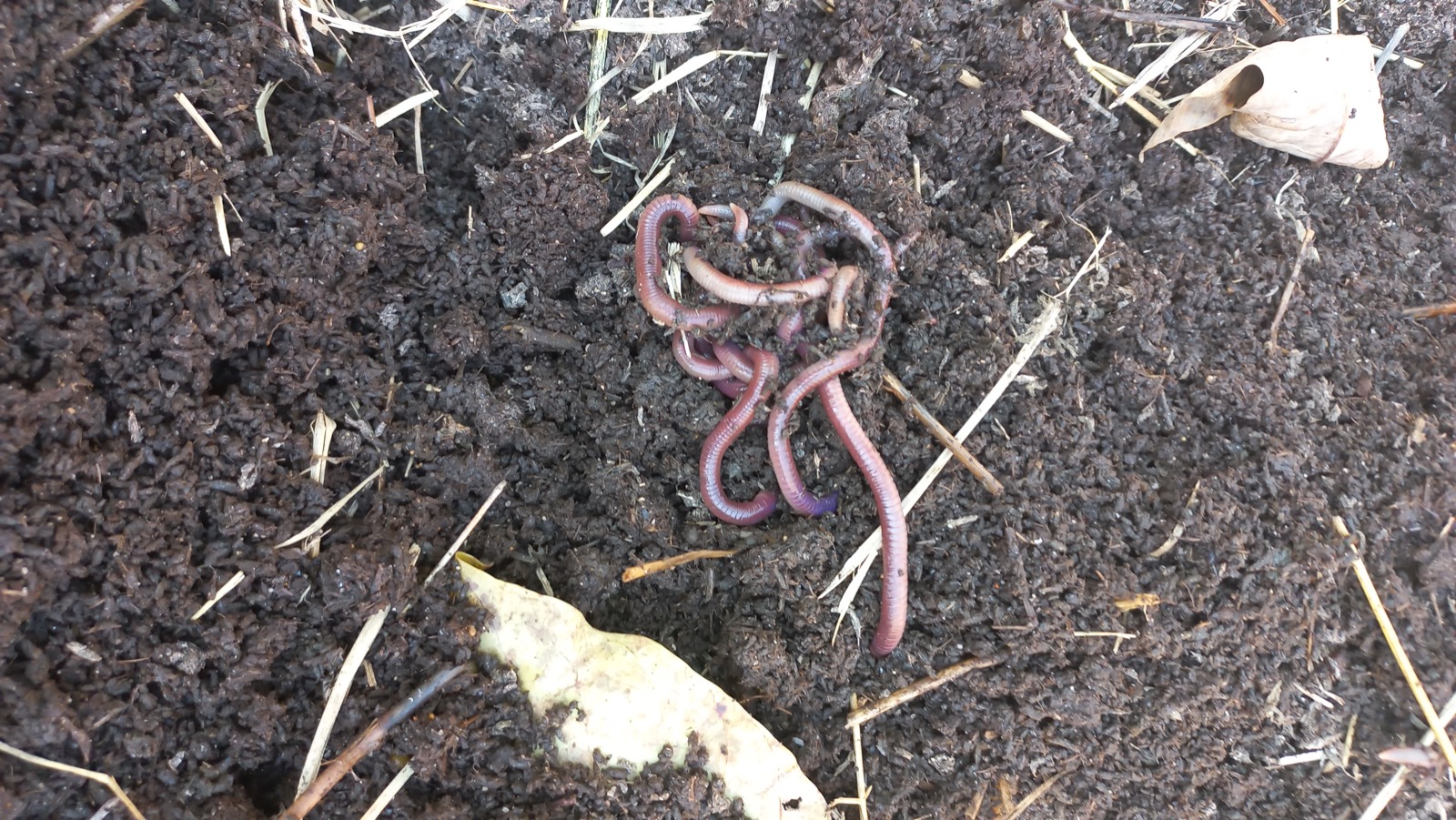
- 📍 Mandla, Madhya Pradesh, India
- 📷 Santosh Gupta
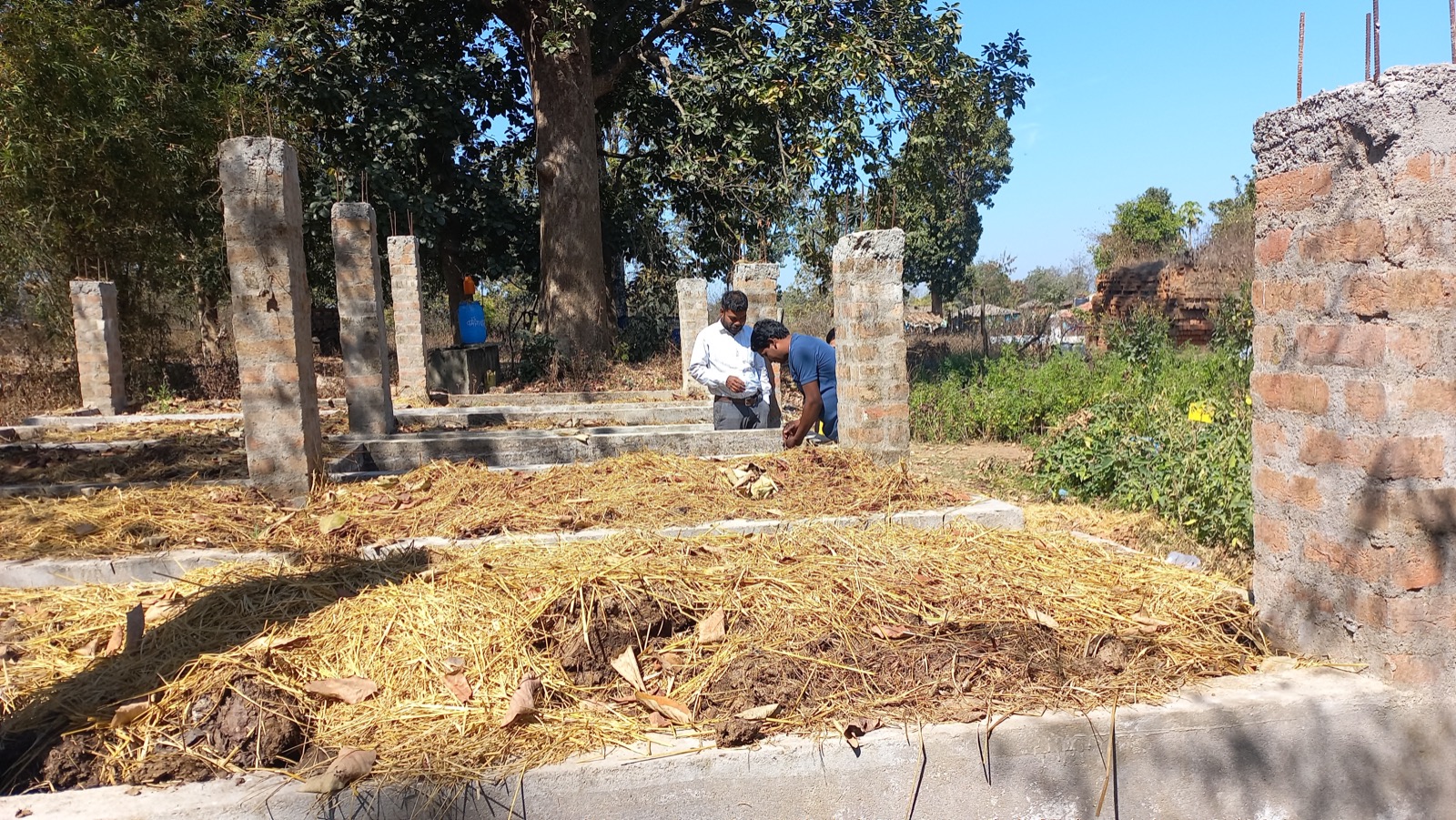
- 📍 Mandla, Madhya Pradesh, India
- 📷 Santosh Gupta