
Improved Cattle Shed Flooring for Conservation of Cow Dung and Urine for Biofertilizer Production at Farm Level
Type: Technologies
Creation: 2023-04-03 06:27 Updated: 2024-04-11 21:24
Compilers: Santosh Gupta
Reviewers: Udo Höggel, Joana Eichenberger, Sally Bunning
Country/ region/ locations where the Technology has been applied and which are covered by this assessment
- Country: India
- Region/ State/ Province: Madhya Pradesh
- Further specification of location (e.g. municipality, town, etc.), if relevant: Mandla District
- Map: View Map
Description of the SLM Technology
Short description of the Technology
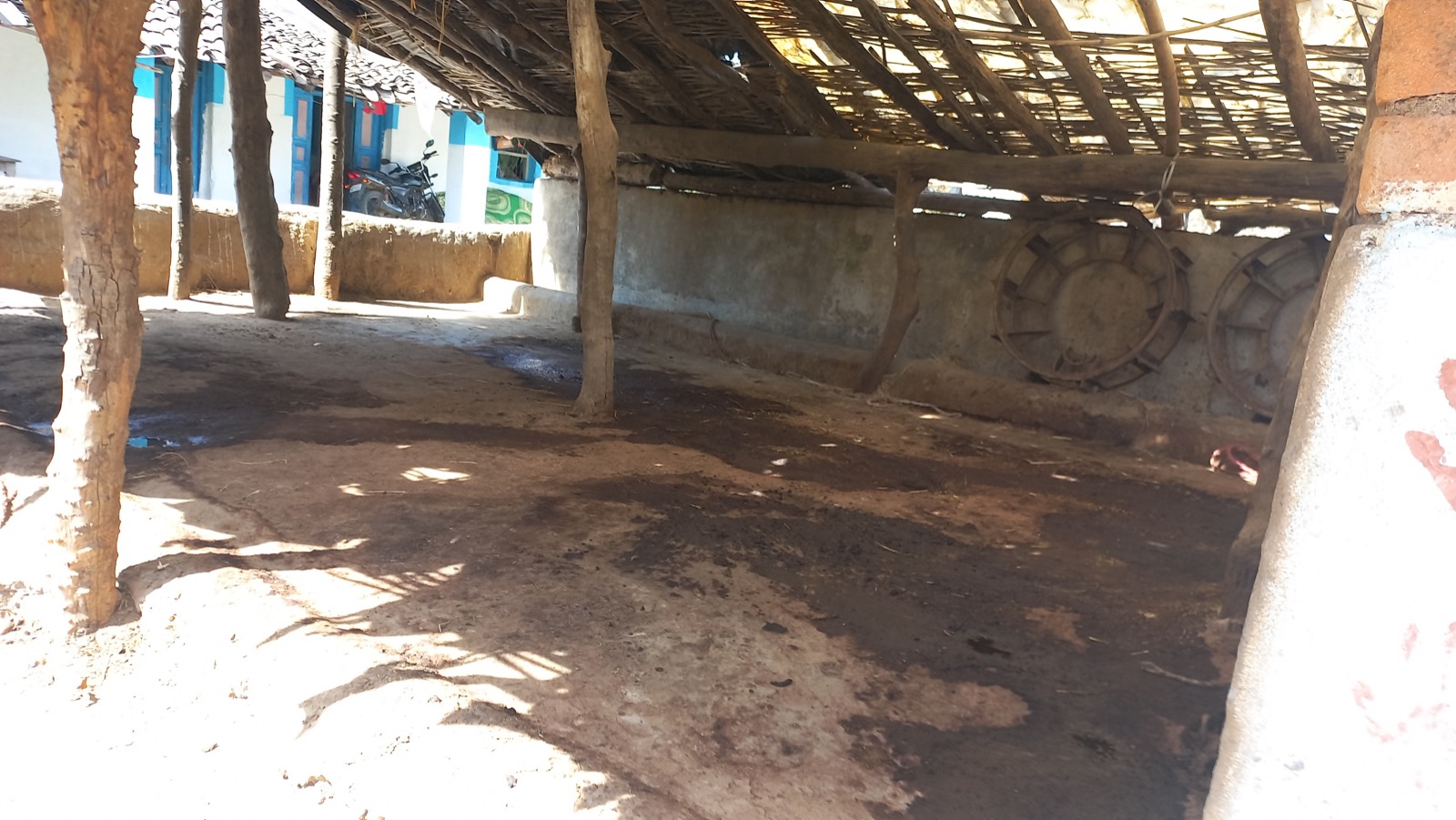
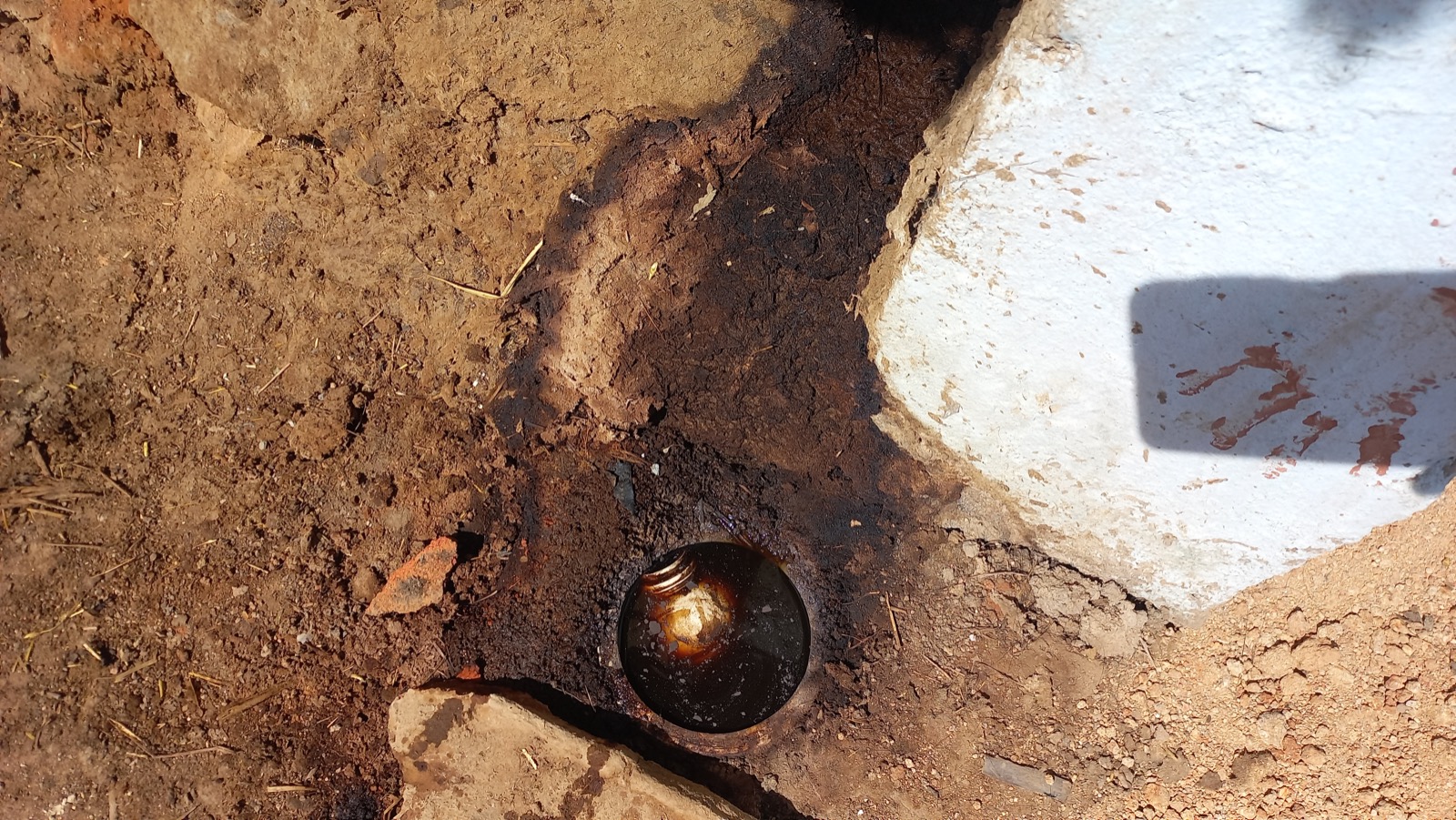
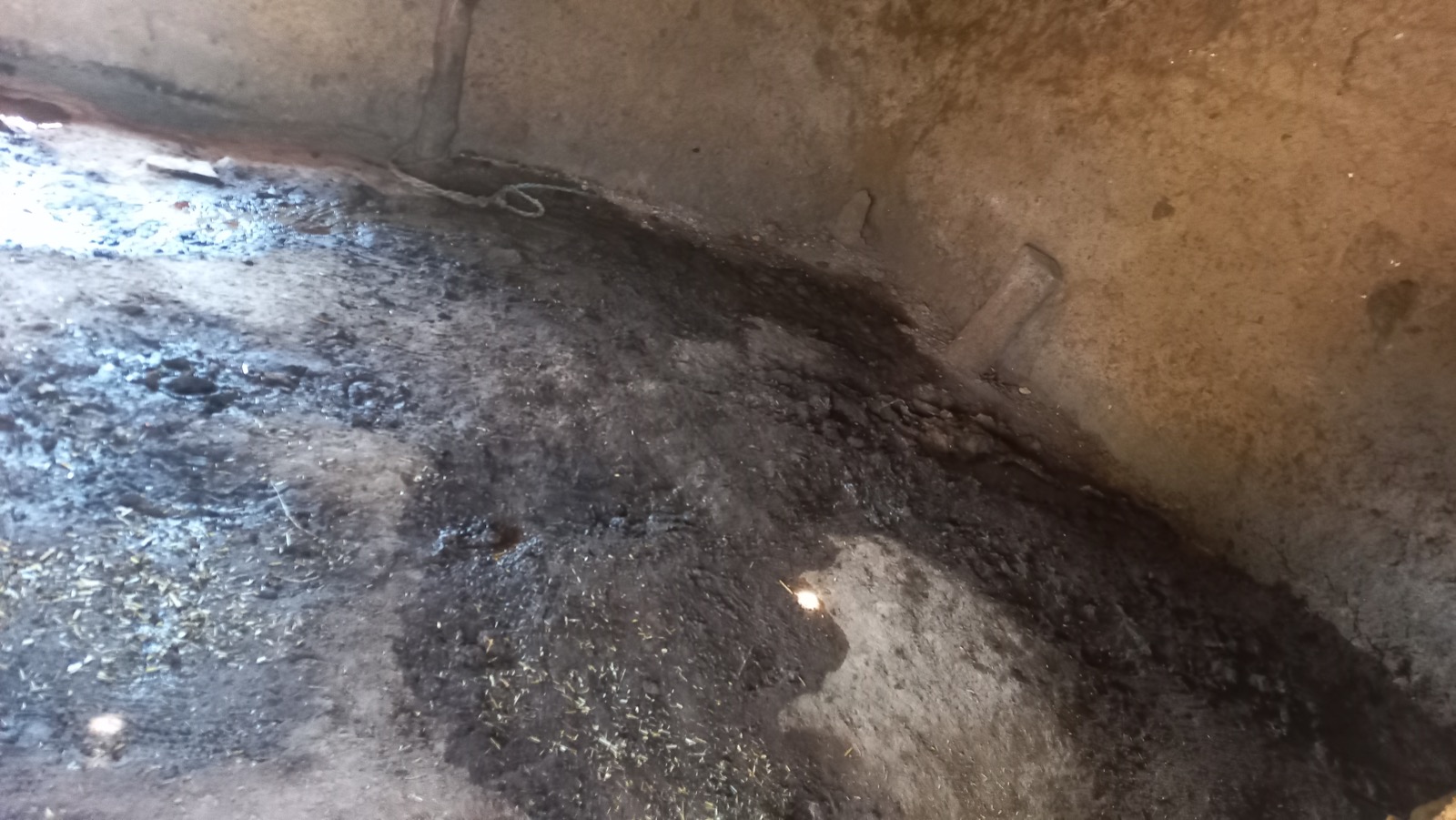
In the cattle shed management system, the cattle shed should be constructed with an elevated concrete floor that slopes slightly toward a cow urine collection point. The collection point should be equipped with a drainage system to easily remove cow dung and urine.
An elevated concrete floor for cow dung and urine collection can improve hygiene, and waste management, and reduce labour costs in cattle sheds. Collected cow urine and cow dung can be used to prepare biological inputs and compost for nutrient and pest management in agriculture.
Detailed description of the Technology
Cattle shed management technology, including the use of a concrete elevated floor for cow dung and urine collection, is a cost-effective and efficient technology to support the natural farming system. This technology can be applied in both natural and human environments. In natural environments, such as rural or agricultural areas, cattle sheds are typically used for dairy and farmyard manure production. The use of this technology can improve the hygiene of cattle and their environment, reduce waste and pollution, and promote the sustainable use of natural resources. The cow dung and urine so collected can be used as fertilizer to improve soil quality, and the improved hygiene of the cattle can reduce the risk of diseases spreading to other animals or humans. The use of this technology can help to reduce the negative impacts of cattle farming on the surrounding environment, such as odours and pollution. It can also improve the hygiene of the cattle and their environment, which is important for both animal welfare and public health.
Traditionally farmers were constructing the floors of cattle sheds using mud and soil. These floors absorb the cow urine and the movement of animals also makes holes in it because of that cow urine and cow dung are used to get filled in these halls. Which made the entire floor unhygienic for both animals and farmers. Because of such surfaces, it was very hard to clean these sheds. The use of an elevated floor made with cement-concrete and a waste management system can help to keep the cattle shed clean and dry, which can reduce the risk of disease and infection among the animals. The collection and disposal of cow dung and urine can help preventing environmental pollution, reducing the negative impacts of cattle farming on the surrounding area, and promoting sustainable use of natural resources. The use of a concrete elevated floor can make cleaning the cattle shed faster and easier, reducing labour costs and improving the efficiency of the farming operation.
Technical specifications for the construction of cattle sheds can vary depending on factors such as the size of the herd, local environmental regulations, and available resources. However, in general, the main characteristics and elements of cattle shed management technology are designed to promote animal welfare, hygiene, waste management, and sustainability. Proper cattle shed management technology can provide a comfortable and safe environment for the animals, which can reduce stress and promote animal welfare. Proper waste management and ventilation can help to minimize unpleasant odours from the cattle shed, which thus reduces negative impacts on the surrounding community.
Establishing and maintaining cattle shed management technology requires a combination of technical expertise, labour, and resources. By investing in these inputs, farmers can promote sustainable and efficient cattle farming practices and improve the health and welfare of their animals.
The collected cow urine and cow dung are the main resources for preparing the biological inputs and different types of compost for meeting the nutritional requirement of crops while also addressing the challenges of pest and disease management in a natural or organic farming system. The improved flooring of cow shed units has been a great intervention to replace and reduce the usage of synthetic fertilisers and pesticides in the project region.
The views of land users, such as farmers or livestock keepers, about cattle shed management technology, including the use of a concrete elevated floor for cow dung and urine collection, can vary depending on their experiences and perceptions. The interviewed land user liked or appreciated, cattle shed management for improving animal health and productivity, increasing farm profitability, cleaning the cattle shed easier and faster, reducing labour costs, improving efficiency, and for environmental benefits.
Photos of the Technology
- 📍 Mandla, Madhya Pradesh, India
- 📷 Payal Dewangan
- 📍 Mandla, Madhya Pradesh, India
- 📷 Santosh Gupta
- 📍 Mandla, Madhya Pradesh, India
- 📷 Santosh Gupta
- 📍 Mandla, Madhya Pradesh, India
- 📷 Santosh Gupta