
Creation of sown cultural pastures for summer-autumn use in the conditions of the foothill zone of south-eastern Kazakhstan
Type: Technologies
Creation: 2023-05-15 14:13 Updated: 2025-08-27 10:43
Compilers: Kulyash Iskandarova
Reviewers: Olga Andreeva, Rima Mekdaschi Studer
Country/ region/ locations where the Technology has been applied and which are covered by this assessment
- Country: Kazakhstan
- Region/ State/ Province: Uyghur district, Almaty region
- Further specification of location (e.g. municipality, town, etc.), if relevant: Shoshanai village
- Map: View Map
Description of the SLM Technology
Short description of the Technology
Creation of cultivated pastures for summer-autumn use with sowing of perennial drought-resistant forage crops (sainfoin under barley cover - for summer use, izen - for autumn use) in the conditions of the foothill zone of south-eastern Kazakhstan
Detailed description of the Technology
Beef cattle breeding is one of the main activities in the Sumbe rural district of Uighur District, Almaty Region, Kazakhstan. Pastures are used extensively without adherence to regulated grazing practices or consideration of permissible stocking rates, which has led to their degradation. The low productivity of forage lands does not meet the feed requirements of the existing livestock herd.
Within the framework of the FAO/GEF project “Integrated Natural Resources Management in Drought-Prone and Salt-Affected Agricultural Production Landscapes of Central Asia and Turkey” (CACILM-2), a Pasture Management and Utilization Plan was developed for the “Sayat” farm, located in the Sumbinsky rural district of Uighur District, Almaty Region, in southeastern Kazakhstan. The Plan serves as the primary guiding document for the sustainable management of pasture resources at the local level and forms part of the district’s integrated plan. This is legally defined in Article 9 of the Law of the Republic of Kazakhstan “On Pastures” and the Law of the Republic of Kazakhstan “On Local Government and Self-Government in the Republic of Kazakhstan.” Implementation of the Plan will support the rational use of pastures, including the proper and timely seasonal movement of livestock.
During the development of the Plan for the rational use of pastures, a feed deficit was identified. To address this, seasonal use with rotational grazing was proposed. To restore low-productivity natural pastures, a technology was applied involving the creation of cultivated summer–autumn pastures through the sowing of drought-resistant forage crops: sainfoin (Onobrychis viciifolia, variety Shabyndyk) under a barley cover crop on 10 hectares for summer use, and Kochia prostrata (locally called izen) on 1 hectare for autumn use.
1. Natural and Socio-Economic Conditions
The “Sayat” farm is located in Uighur District, Almaty Region, approximately 34 km south of the Chundzha village.
The territory lies within two geomorphological zones: the Ketmen mountain ridge and the adjoining piedmont plain. The mountain zone occupies the southern part of the landholding.
The climate is sharply continental: winters are unstable but with normal precipitation; springs are early; summers are hot; and autumns are long and cool. The average January temperature is –10 to –15 °C (with extremes reaching –40 °C in some years), and the average July temperature is 25–27 °C (with maxima up to 45 °C). Average annual precipitation is 260 mm, with no more than 110 mm falling during the growing season. Stable snow cover lasts 80–100 days, with depths of 15–30 cm, and water reserves in the snow range from 35 to 70 mm.
Soils are diverse, reflecting vertical zonation. On the piedmont plain, soils range from stony-gravelly, gray-brown, and light sierozems to chernozems.
Natural pasture types include sagebrush–feather grass–bluegrass, feather grass–sagebrush, and sagebrush–ephemeral associations. The vegetation cover is dominated by sagebrush, feather grass, fescue, bluegrass, fenugreek, sedge, brome, ebelek, and izen.
Pastures are grazed by local non-breed cattle. The farm owns 68 head of cattle, for which the available pastures are insufficient. To fully cover forage needs while maintaining the current herd, the farm would require an additional 247 hectares of pasture. Consequently, the creation of 11 hectares of high-productivity sown pastures was proposed.
Shoshanay village, part of the Sumbe rural district, Uighur District, Almaty Region, has a population of 735 people in 121 households. The main livelihoods are livestock husbandry and crop farming. Agricultural lands comprise 350 ha of cropland and 3,520 ha of pastures. Crops cultivated include barley and perennial grasses. Livestock herds include 9,449 sheep, 515 goats, 726 cattle (including 412 dairy cows).
2. Key Characteristics of the Technology (including technical specifications)
The technology combines forage crops for summer and autumn use (sainfoin and izen) and is relatively low-cost, since sainfoin is reseeded approximately once every 5 years and izen once every 10 years. Implementation doubles pasture productivity and contributes to establishing a stable forage base for livestock husbandry.
The technology has been applied on 11 hectares.
3. Objectives and Functions of the Technology
Establishment of high-productivity cultivated pastures through the sowing of perennial drought-resistant forage species (sainfoin and izen).
4. Main Activities and Resources Required for Implementation and Maintenance
Moldboard plowing (PLN-3.5 m plow), disking to a depth of 5–10 cm (LDG-5), harrowing (zig-zag harrow), and rolling;
Sowing perennial grasses (SZT-3.6 seeder), followed by rolling (ZKKSh-6 ring rollers). Sowing method: continuous row sowing, row spacing 15 cm, seeding rate 70–80 kg/ha sainfoin (seed depth 4–5 cm);
Sowing barley (SZT-3.6 seeder), followed by rolling (ZKKSh-6 ring rollers). Sowing method: continuous row sowing, seeding rate 100 kg/ha (seed depth 5–6 cm);
Manual sowing of izen;
Harvesting of barley.
In the first two years, until full plant development, the fields are not used as pastures. In the second year, mowing for hay is possible.
Where necessary, plots are fenced to protect against livestock damage.
Implementation costs:
The cost of establishing 1 ha of pasture with perennial forage crops (sainfoin under barley cover and izen), including soil preparation, seed purchase, and sowing, is 108,820 KZT (USD 243.91).
Maintenance costs:
Annually: early spring harrowing to conserve soil moisture, with labor and fuel costs of 1,480 KZT (USD 3.32);
Every 5 years: reseeding of sainfoin (optionally under barley cover). Including seed costs, labor, machinery operation, and fuel, total costs are 84,320 KZT (USD 189);
Every 10 years: manual reseeding of izen, with seed costs of 24,500 KZT/ha (USD 55).
5. Advantages and Impacts of the Technology
This technology is recommended for the piedmont zone of southeastern Kazakhstan.
Advantages over natural pastures:
Provides forage in both summer (sainfoin) and autumn (izen) grazing seasons;
Cultivated sown pastures supply nutritionally balanced feed;
Sowing drought-resistant perennials increases pasture productivity more than twofold compared to natural pastures;
The use of legumes (sainfoin) improves soil fertility through nitrogen fixation;
Both sainfoin and izen are highly drought-resistant.
6. Farmers’ Perceptions of the Technology
As noted by the land user, the positive aspects include:
Efficient use of land resources;
Reliable forage yields even in dry years;
Improved feed nutritional value;
Reduced production costs of final livestock products (beef).
Photos of the Technology
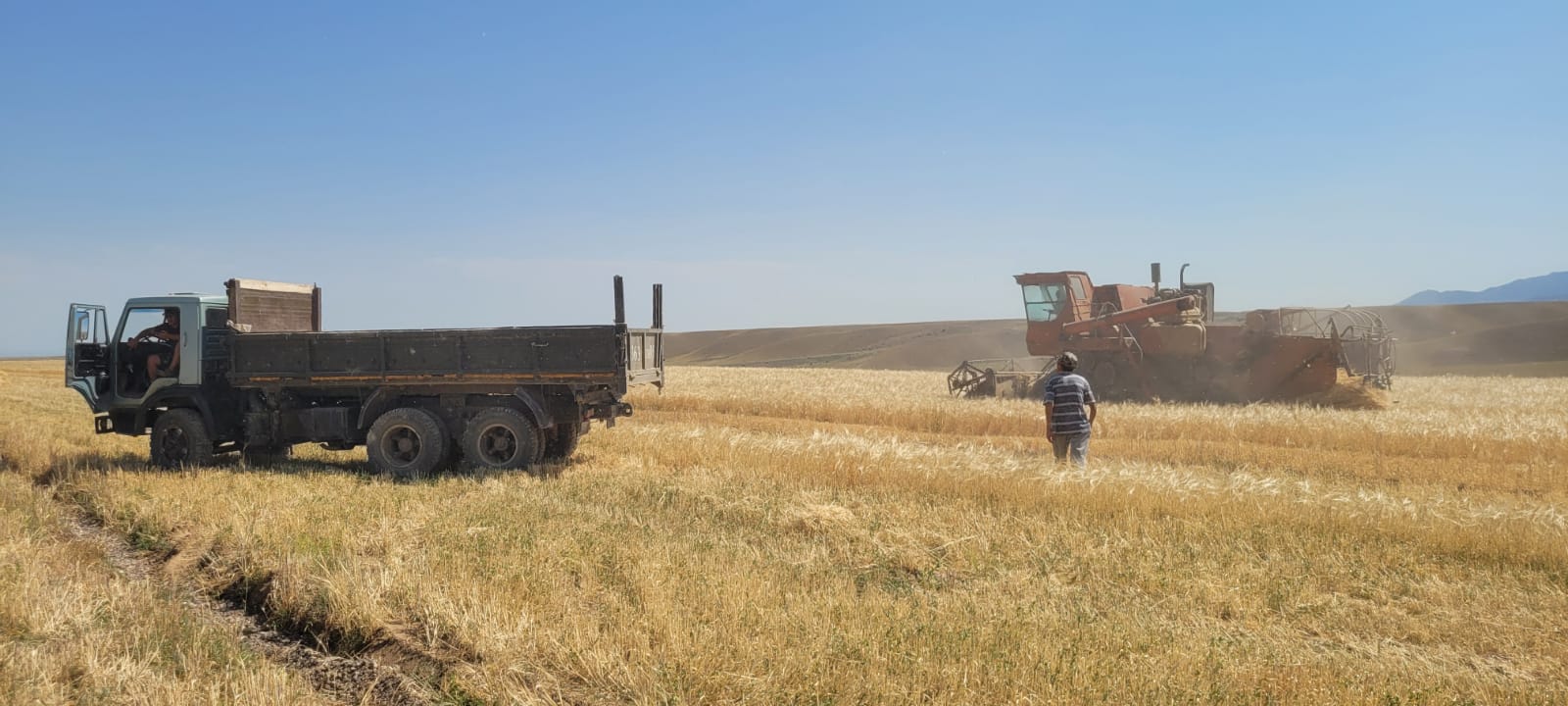
- 📍 Farm "Sayat", Shoshanay village, Uyghur district, Almaty region, Kazakhstan
- 🗓 2022-10-07
- 📷 Kanat Shanbaev
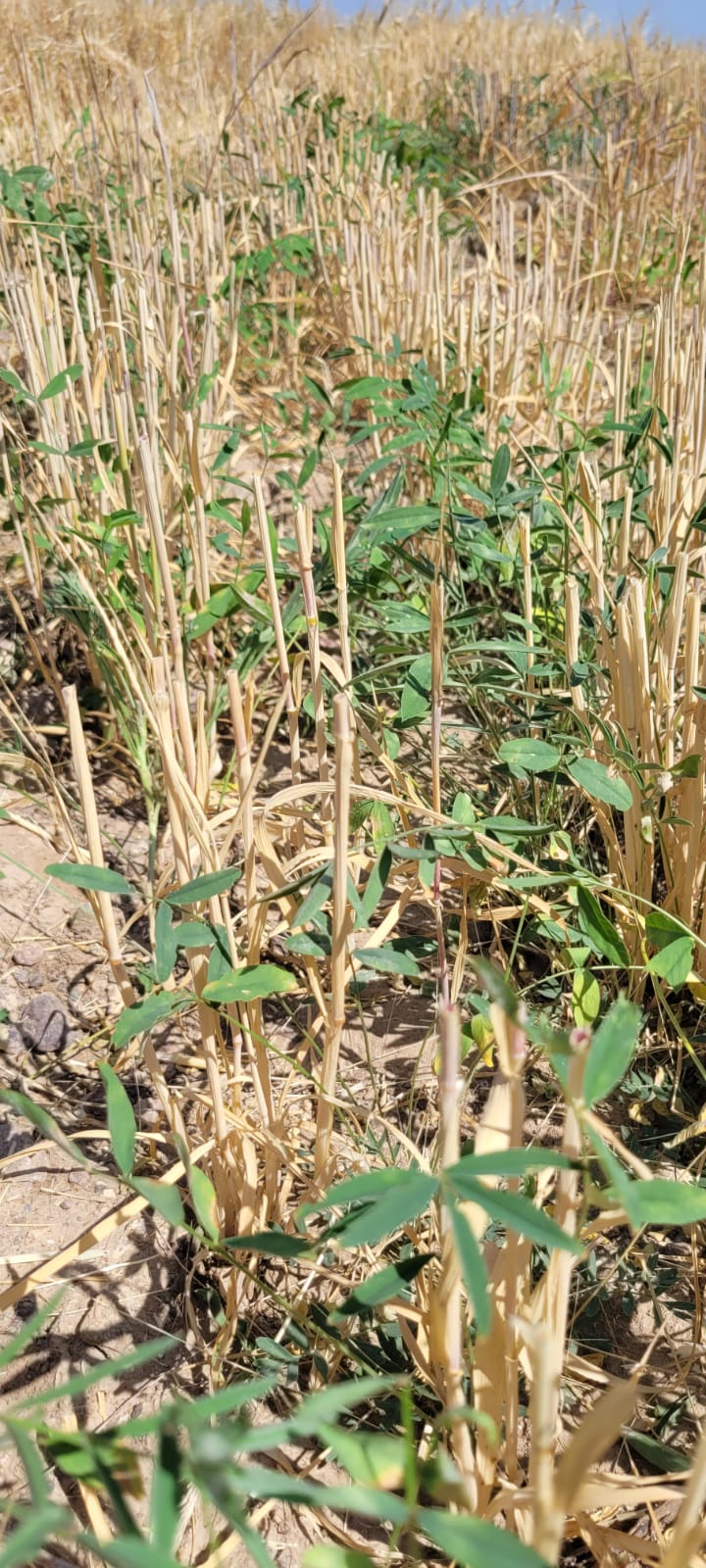
- 📍 Farm "Sayat", Shoshanay village, Uyghur district, Almaty region, Kazakhstan
- 🗓 2022-10-07
- 📷 Kanat Shanbaev
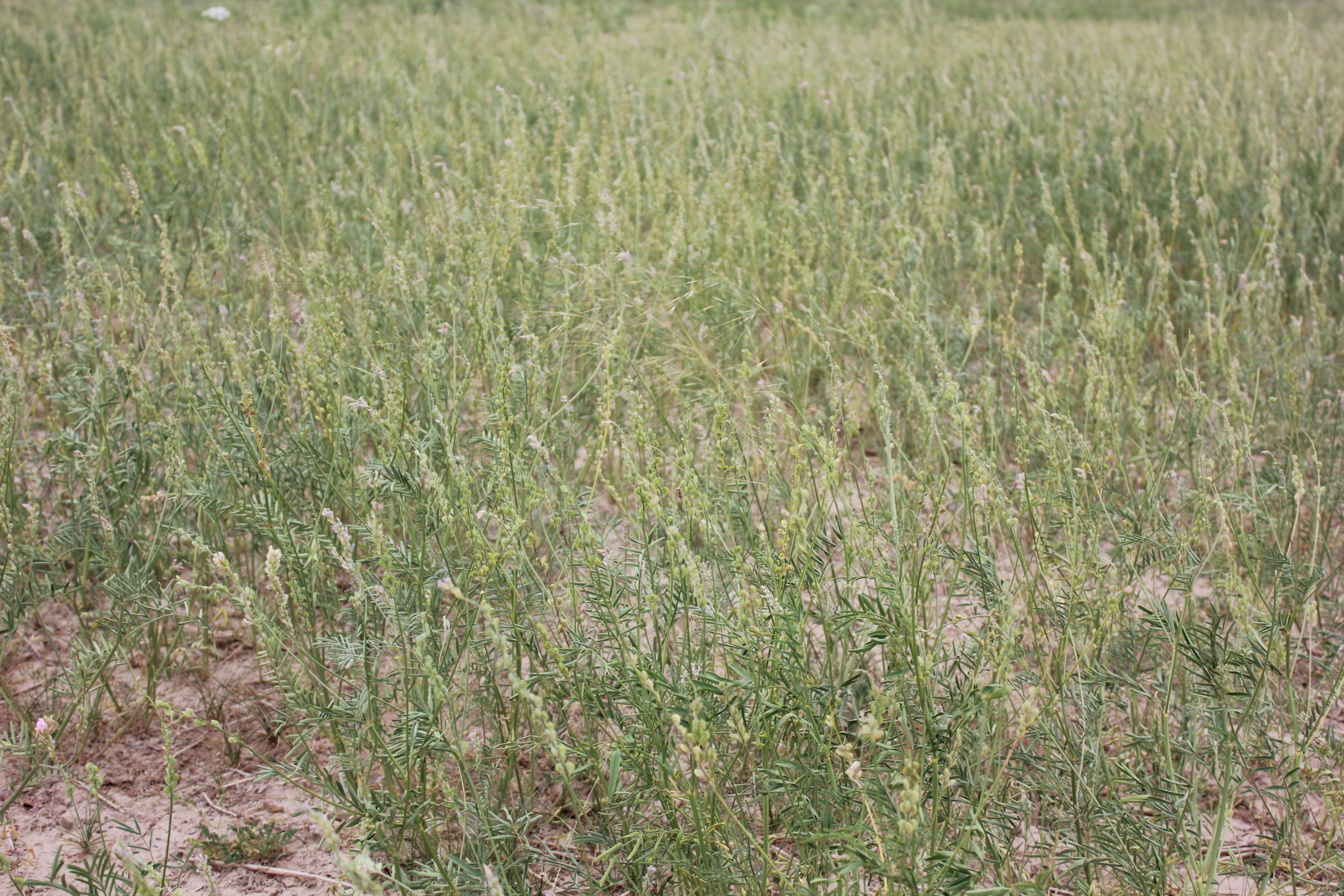
- 📍 "Sayat" Farm, Shoshanay village, Uyghur district, Almaty region, Kazakhstan
- 📷 Kulyash Iskandarova
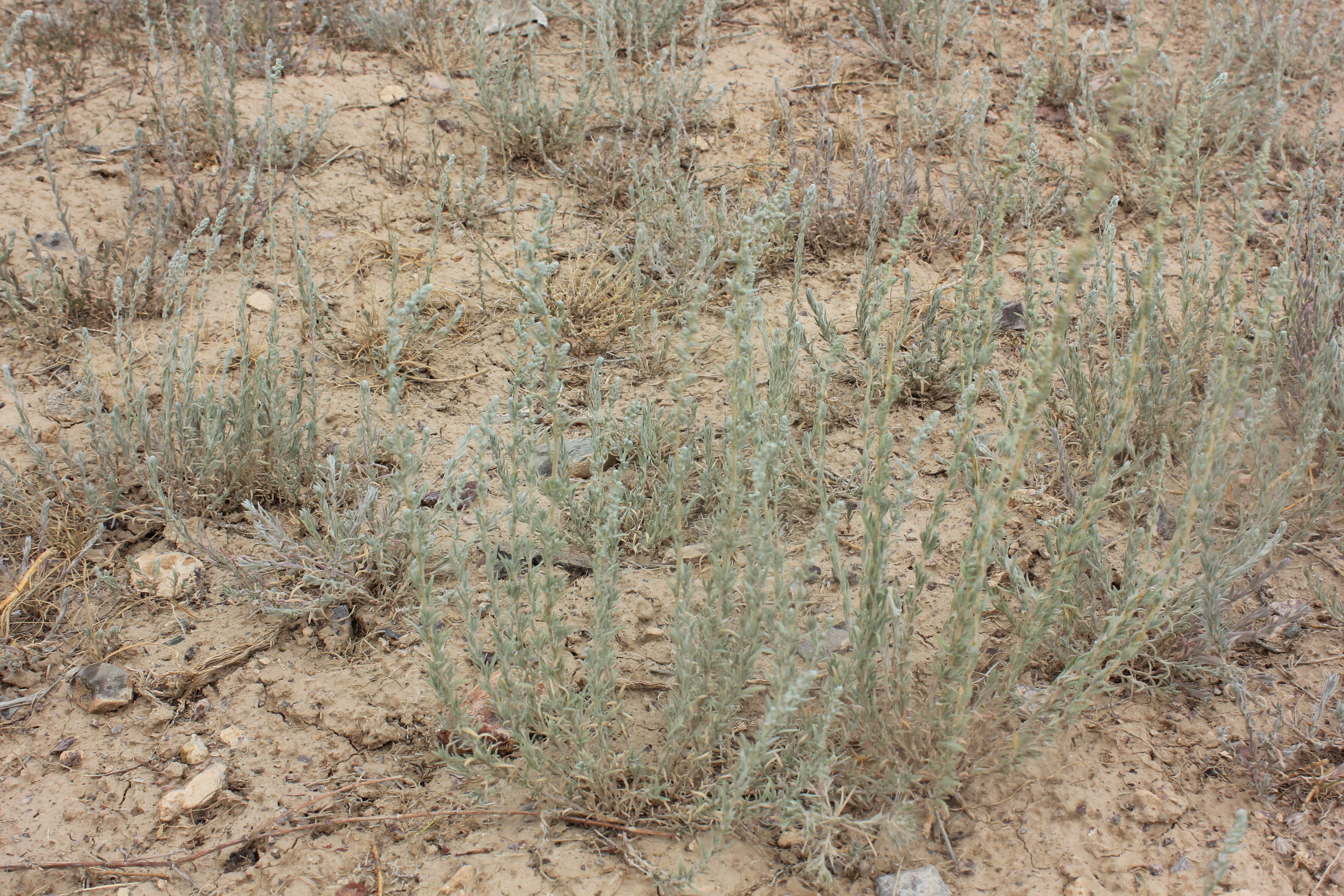
- 📍 "Sayat" Farm, Shoshanay village, Uyghur district, Almaty region, Kazakhstan
- 📷 Kulyash Iskandarova