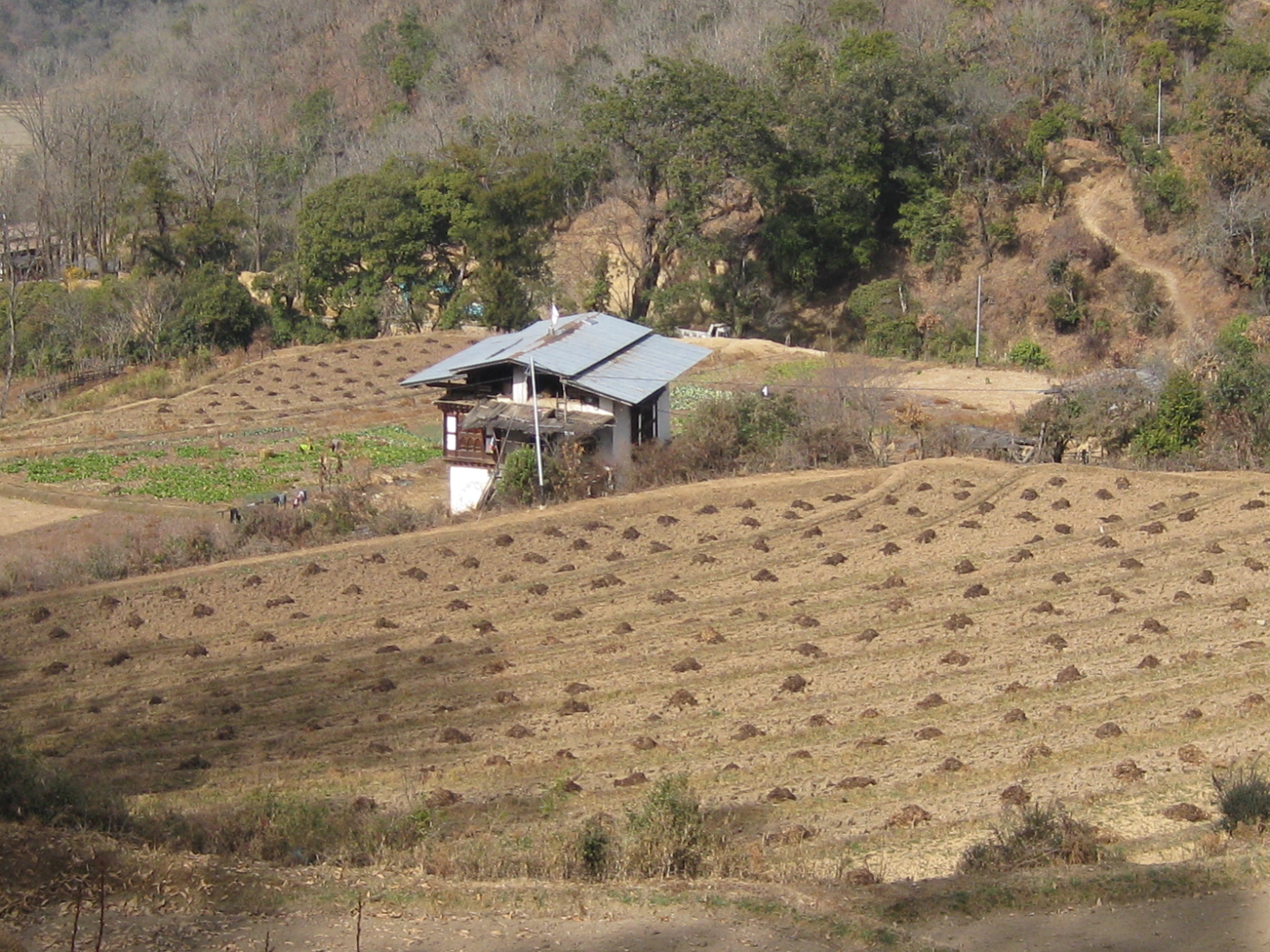
Traditional Soil Fertility Management through FYM Application
Type: Technologies
Creation: 2023-07-06 17:27 Updated: 2024-06-04 14:35
Compilers: Karma Wangdi
Reviewers: William Critchley, Rima Mekdaschi Studer, Joana Eichenberger
Country/ region/ locations where the Technology has been applied and which are covered by this assessment
- Country: Bhutan
- Region/ State/ Province: Bhutan
- Further specification of location (e.g. municipality, town, etc.), if relevant: Nahi, Wangdue Phodrang, Bhutan
- Map: View Map
Description of the SLM Technology
Short description of the Technology
Traditional soil fertility management refers to the practice of improving and maintaining soil fertility using organic amendments, specifically farmyard manure (FYM). Other organic materials and crop residues can be effectively utilized through process of decomposition, fermentation and pyrolysis to produce compost, bokashi and biochar respectively.
Detailed description of the Technology
Traditional soil fertility management refers to the practice of improving and maintaining soil fertility using organic amendments, specifically farmyard manure (FYM). Farmyard manure is a mixture of livestock excreta, bedding materials, and other organic wastes accumulated in the farmyard. It is typically left to decompose, or it is composted, before being applied to agricultural fields.
FYM application enhances soil fertility by replenishing essential plant nutrients, improving soil structure and moisture retention, increasing microbial activity, and promoting overall soil health. The organic matter in FYM serves as a nutrient source for plants, while also enhancing the soil's ability to retain water and nutrients, reducing erosion, and promoting beneficial microbial activity (Hossain et al., 2021).
Bhutan, a landlocked country nestled in the eastern Himalayas, has a predominantly agrarian economy. Farming practices in Bhutan often involve smallholder farmers who rely on traditional methods of soil fertility management, including the application of farmyard manure. According to Dorji et al., (2018) traditional soil fertility management through FYM application is very common in Bhutan. The use of FYM helps support sustainable agricultural production in the country.
Soil fertility management through FYM application in Bhutan, is conducted as follows. First and foremost, the collection of farmyard manure is essential, which involves the accumulation of livestock excreta, bedding materials, and organic waste in the farmyard. Then the collected material needs to be properly managed and decomposed through composting to ensure the production of high-quality farmyard manure. Adequate storage facilities for the composted manure should be established to prevent nutrient loss and maintain its quality. Additionally, farmers need to be trained and educated on the proper techniques of FYM application, including the optimal timing, rate, and method of application to maximize its effectiveness. Regular monitoring and assessment of soil fertility parameters are crucial to evaluate the impact of FYM application and make necessary adjustments to the management practices (Wangmo, 2020).
Traditional soil fertility management through FYM application in Bhutan offers numerous benefits and positive impacts as already noted. Furthermore, the use of FYM helps to reduce the dependency on synthetic fertilizers, thereby contributing to sustainable agriculture and minimizing the risk of environmental pollution. Overall, traditional soil fertility management through FYM application supports long-term soil health, sustainable agricultural production, and environmental conservation in Bhutan (Gyeltshen, 2020).
Photos of the Technology
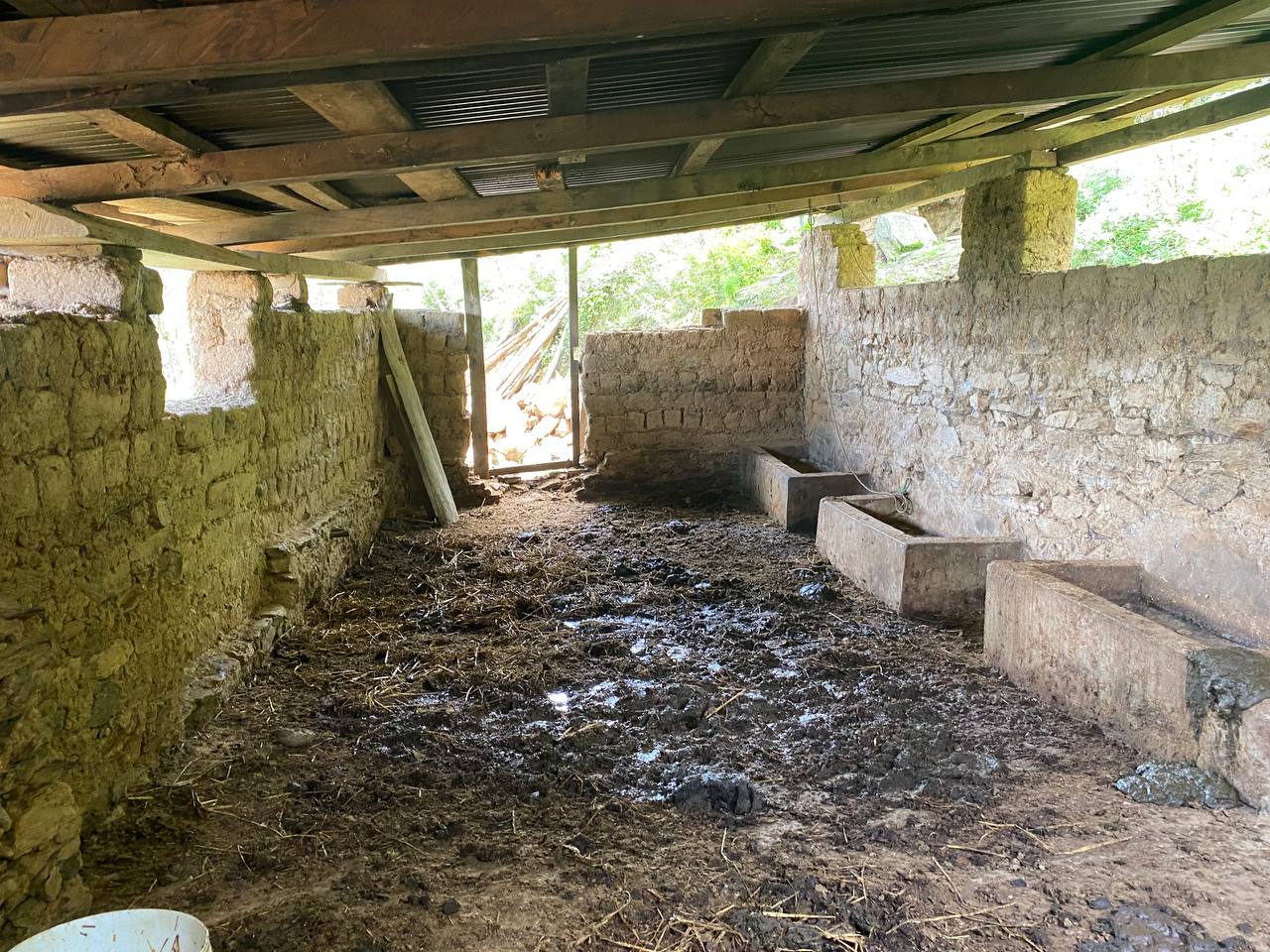
- 📍 Khujula, Tshokhorthangkha, Nahi, Wangdue phodrang
- 🗓 2023-09-07
- 📷 Niki Rai

- 📍 Khujula, Tshokhorthangkha, Nahi, Wangdue phodrang
- 🗓 2023-09-07
- 📷 Niki Rai