
Securing Food Through Electric Fencing
Type: Technologies
Creation: 2023-07-08 03:15 Updated: 2024-05-30 15:21
Compilers: Nima Dolma Tamang
Reviewers: William Critchley, Rima Mekdaschi Studer, Joana Eichenberger
Country/ region/ locations where the Technology has been applied and which are covered by this assessment
- Country: Bhutan
- Region/ State/ Province: Sarpang Dzongkhag
- Further specification of location (e.g. municipality, town, etc.), if relevant: Laptsakha Village, Senggye Gewog
- Map: View Map
Description of the SLM Technology
Short description of the Technology
The Electric Fencing System in Bhutan serves as a non-lethal approach to safeguarding crops from wild animals, aligning with the principles of Gross National Happiness (GNH). GNH emphasizes values such as compassion, non-killing, and harmonious coexistence with nature and its elements.
Detailed description of the Technology
The Electric Fencing System in Bhutan serves as a non-lethal approach to safeguarding crops from wild animals, aligning with the principles of Gross National Happiness (GNH). GNH emphasizes values such as compassion, non-killing, and harmonious coexistence with nature.
The National Plant Protection Centre (NPPC), Department of Agriculture (DoA), Ministry of Agriculture and Livestock (MoAL) has been facilitating the application and installation of electric fence systems nationwide. This is achieved through the provision of comprehensive guidelines to help the public comprehend the fundamental components and installation procedures.
In essence, the electric fence system consists of three major parts: Energizers, Insulators, and Earth return. The energizer is responsible for generating high-voltage pulse electricity (ranging from 9-12 KV), which is then delivered along the fence wires. The majority of energizers are directly connected to the electricity line, while in some isolated cases, solar panels and batteries are used as alternative power sources. Insulators are typically crafted from a non-conductive material and serve as a barrier between the electrified wire and the wooden post. In the Bhutanese market, these insulators are not readily available, thus as an alternative, high-density polyethylene (HDPE) pipe has been found to be effective and cheap. The electric fence earth return serves as an essential pathway in the electric circuit, collecting high voltage and current from the earth and returning it to the energizer.
The loss of crops to wild animals leads to increased production costs in Bhutan (time spent in crop guarding) and the expansion of fallow lands. Farmers often resort to illegal and fatal methods of electric fencing, tapping electricity directly from the main line. To address these issues, the implementation of electric fencing, utilizing imported IEC-certified energizers and locally fabricated fencing materials, has proven to be successful. This electric fencing system, introduced after five years of pre-testing across the country, covers various locations targeting different problem species of animals. Not only is this technology effective in controlling wild pests, but it also enjoys high social acceptance among Bhutanese farmers due to its cost-effectiveness and being non-lethal to wild pests.
A recent study on the impact of electric fencing on food security focused on the Laptsakha community in Senggye Gewog, Sarpang Dzongkhag. They faced threats to food security from elephants, boar and stray cattle from neighboring communities in India. Crop production in Laptsakha was negligible before the introduction of electric fencing: resettled households contemplated returning, fertile lands were left fallow, and incomes shrank. The turning point came in 2013 with the introduction of electric fencing. This intervention successfully mitigated wildlife attacks on crops, ensuring food security and contributing to a harmonious ecosystem and improved livelihoods for the people of Laptsakha.
The electric fence, covering a distance of 7 km, protects a total of 60 households in all, safeguarding about 60 (24 ha) acres of vulnerable lands. Electric fences have various benefits including:
•Harmonious Approach: they do not cause harm to animals beyond a repellent shock.
•Economical and Easy to Build: they are cost-effective and relatively easy to construct.
•Learning and Deterrence: animals quickly learn to respect electric fences.
•Durability: they have an extended service life.
•Versatility: they offer a variety of designs and can control a wide range of wild animals.
The installation of an electric fence involves a participatory approach and several key steps:
•Location and Length: determine the location and approximate length of the electric fence either by manual measurement, or remote technologies for larger expanses.
•Material Estimation: estimate the required materials per kilometre based on the identified area, including wooden poles, HDPE pipe, and GI wire.
•Additional Materials: Consider other essential materials like energizers, solar panels, charge controllers, and batteries, depending on the specific requirements.
•Cost Estimation: Calculate the cost of installation, which varies regionally. For example, to instal one kilometre of an electric fence is estimated at about Nu. 7,450 (USD 95) excluding labour costs and cost of wooden poles which is sourced locally.
The implementation of electric fencing in the community has brought significant advantages, particularly in securing food. Prior to this intervention, the community faced severe challenges in harvesting crops, with approximately 70% of fertile lands being left fallow due to constant human-wildlife conflicts. Crop guarding became routine & risky.
With the introduction of electric fences, the community's agricultural landscape has undergone a positive transformation. Crop diversification has been enhanced, encompassing maize, ginger, paddy, mandarin fruit trees and areca nut. The frequency of wild elephant attacks has significantly decreased, leading to a notable increase in crop production. This has resulted in secured food sources and improved livelihoods. Additionally, the community has successfully revived previously fallow lands.
While the electric fencing has proven effective, there are challenges faced by the land users, notably the frequent damage to energizers, primarily attributed to thunderstorms. This has resulted in higher maintenance costs. In one specific instance, the community had to mobilize approximately Nu. 145,000 (USD 1800) independently to replace damaged energizers and other materials, supplementing the continued support from the government.
Photos of the Technology
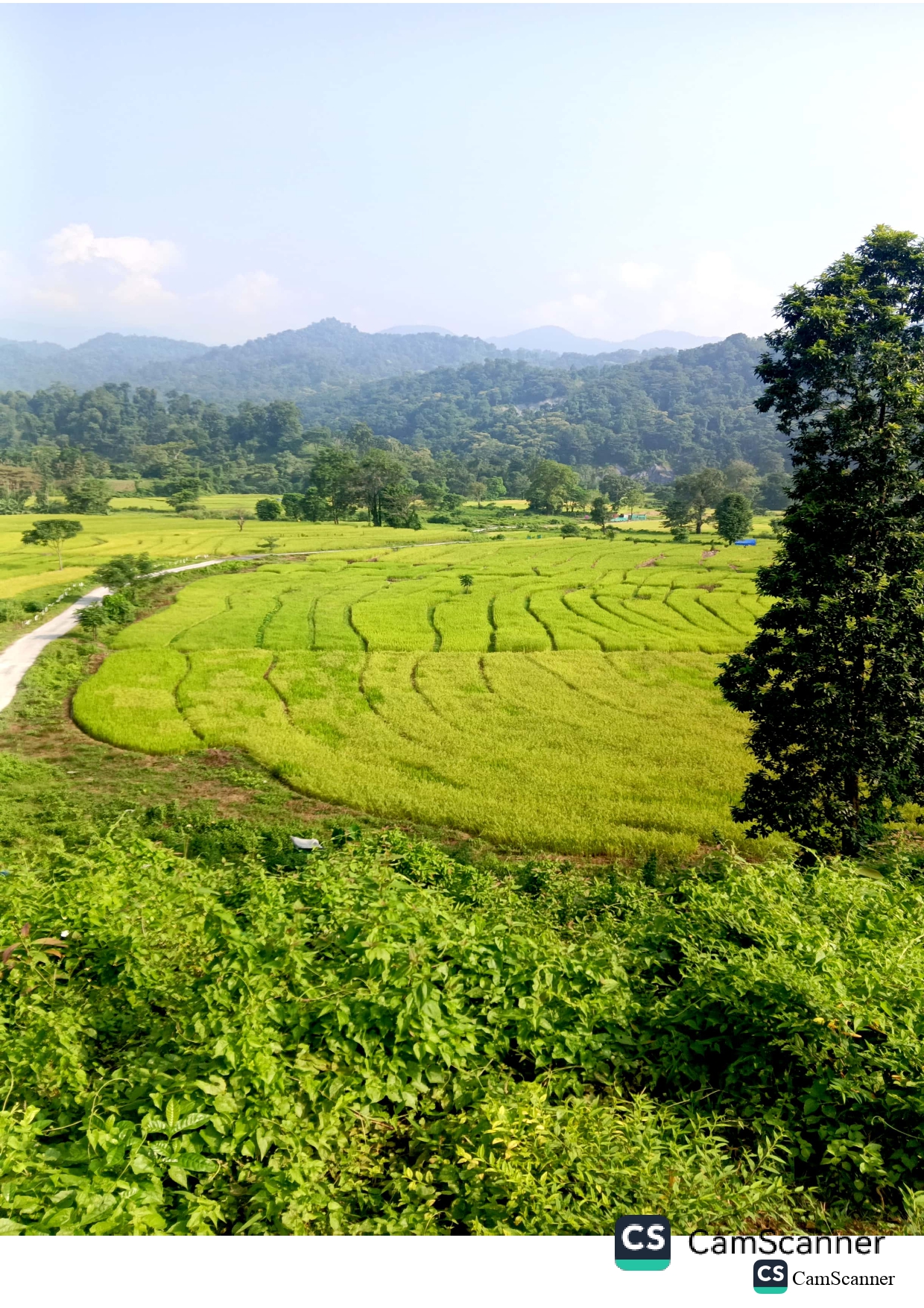
- 📍 Senggye Gewog, Sarpang Dzongkhag
- 🗓 2023-07-07
- 📷 Sangay Lhendup
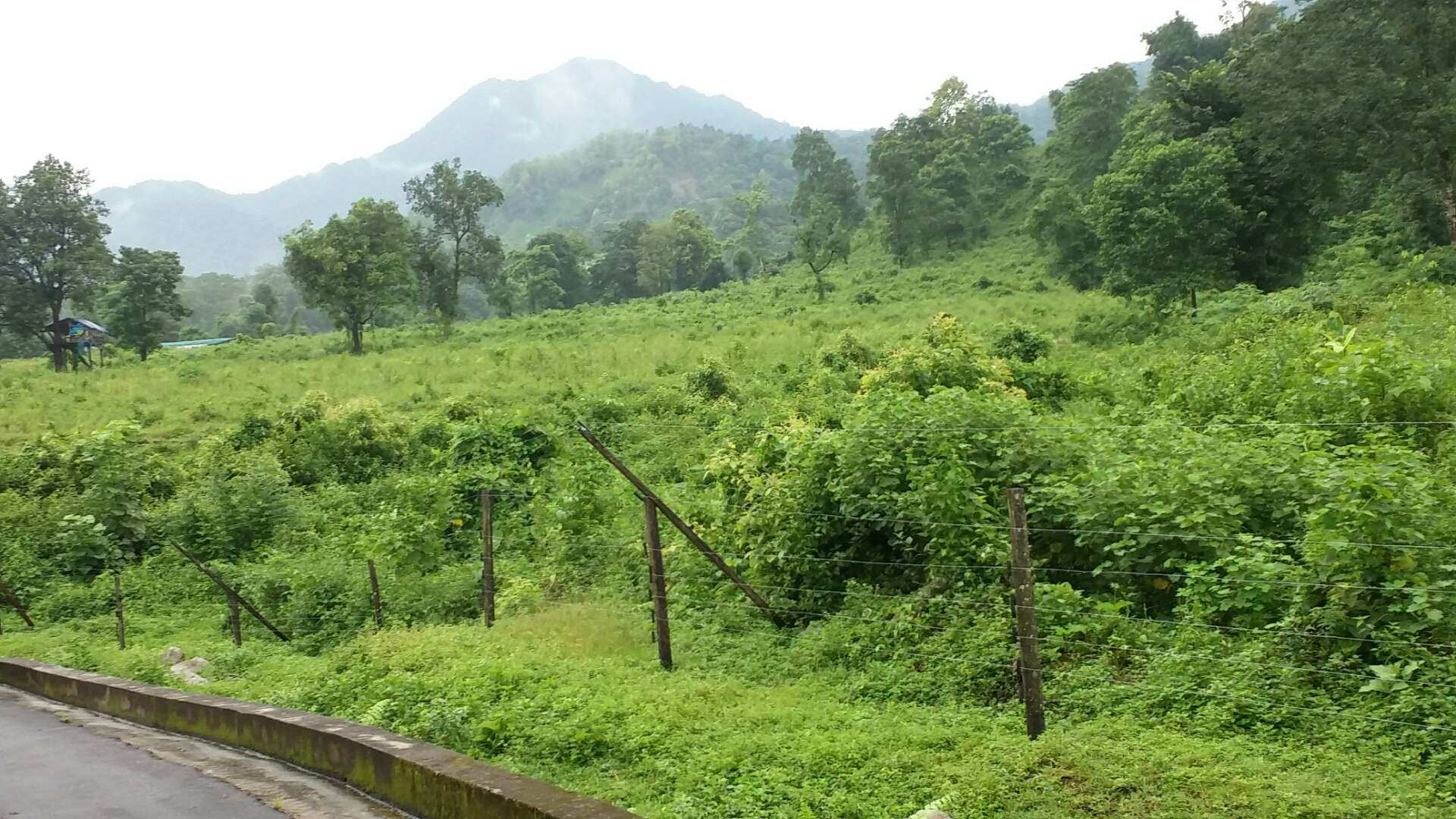
- 📍 Senggye Gewog, Sarpang Dzongkhag
- 📷 Sangay Lhendup
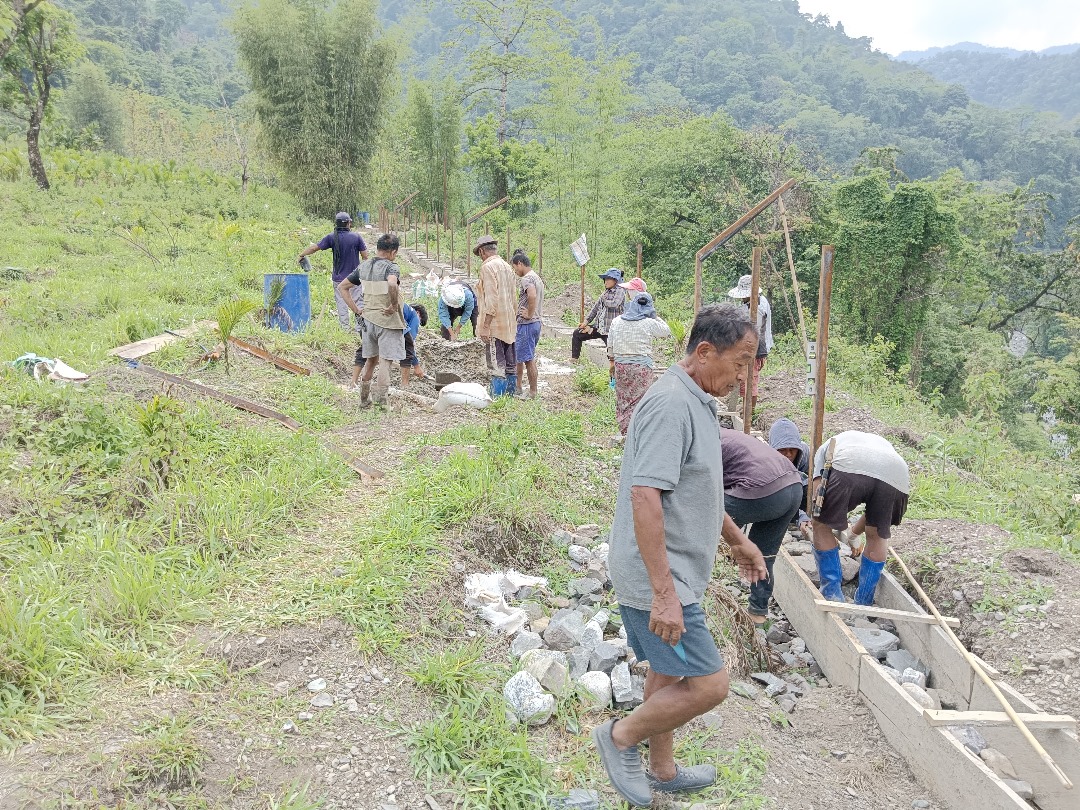
- 📍 Senggye Gewog, Sarpang Dzongkhag
- 📷 Sangay Lhendup
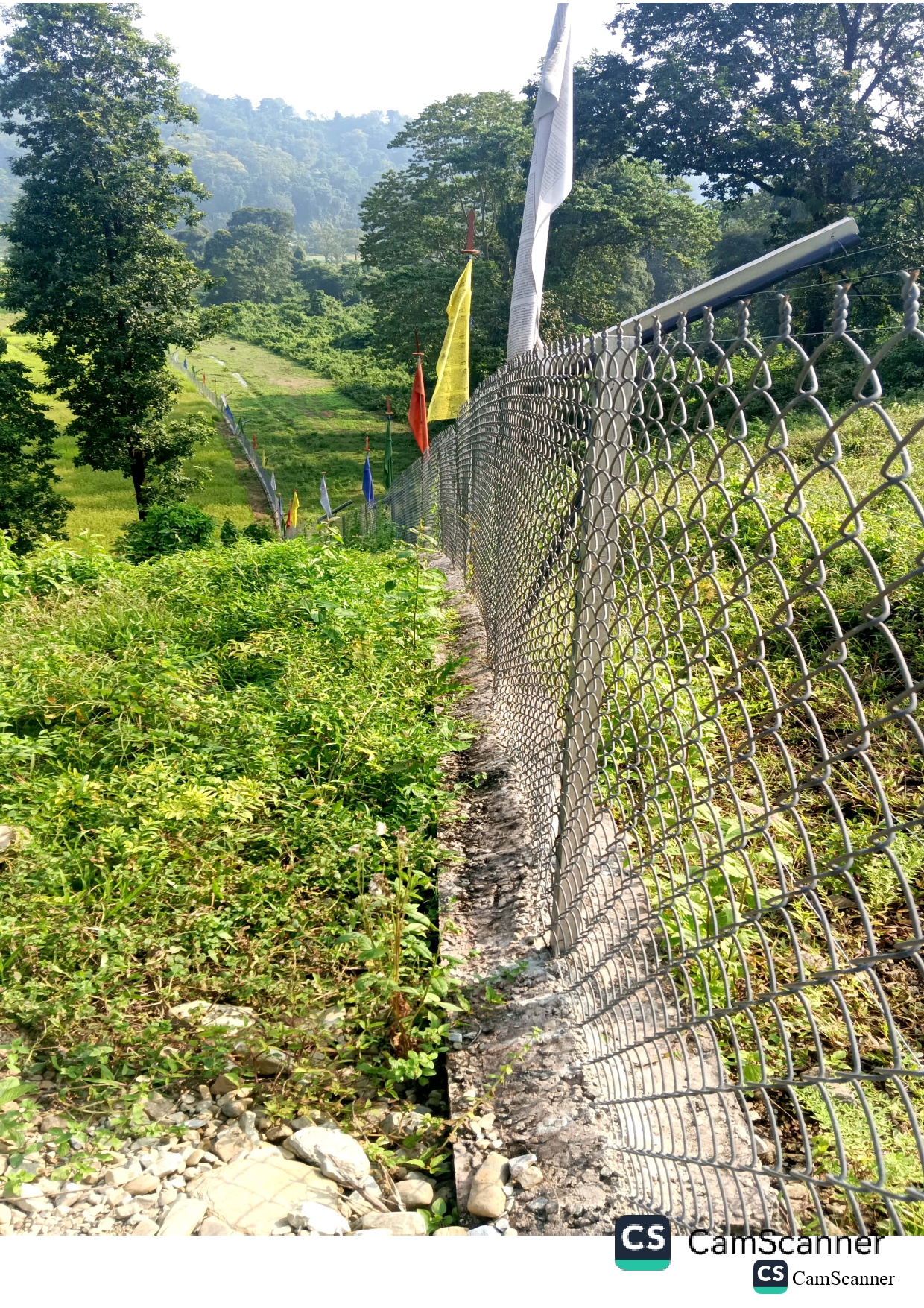
- 📍 Senggye Gewog, Sarpang Dzongkhag
- 📷 Sangay Lhendup