
Protected Agriculture for High Value Crops
Type: Technologies
Creation: 2023-07-12 09:42 Updated: 2024-05-30 15:25
Compilers: Nima Dolma Tamang
Reviewers: William Critchley, Rima Mekdaschi Studer, Joana Eichenberger
Country/ region/ locations where the Technology has been applied and which are covered by this assessment
- Country: Bhutan
- Region/ State/ Province: Dagana Dzongkhag
- Further specification of location (e.g. municipality, town, etc.), if relevant: Tsendagang Gewog
- Map: View Map
Description of the SLM Technology
Short description of the Technology
Protected agriculture (controlled environment agriculture) is the use of technology to modify the growing environment for crops to extend the growing period and increase yields. It can include greenhouses, shade nets or polytunnels. This technology is moderately expensive therefore it is used only for the cultivation of high-value crops and raising seedlings in winter.
Detailed description of the Technology
Protected agriculture, also known as controlled environment agriculture, refers to the practice of growing crops within an enclosed structure that provides controlled environmental conditions. There are various structures that can be employed, such as greenhouses, shade nets, polytunnels and glasshouses. This documentation focuses on greenhouses. These are commonly used for cultivating high-value crops that yield a higher economic return per unit area compared to traditional field crops. Technical specification for a 20 m x 5 m greenhouse set consists of a galvanized tubular frame, two doors, UV stabilized 120 GSM cross-laminated clear plastic sheet, channels and a nylon belt for holding the plastic sheet. Construction activities include clearing, levelling the ground and ensuring drainage. Installation of water lines, electrical connections, heating systems and ventilation systems is required.
Greenhouses are typically designed with a framework made of materials like metal, wood, or PVC. The structure must be sturdy enough to support covering materials and withstand environmental loads such as wind and snow. Coverings are transparent or translucent materials that allow sunlight to enter the structure. Common options include glass, polycarbonate panels, or plastic film. The choice of covering material depends on factors such as light transmission, insulation properties, durability, and cost. Greenhouses require adequate ventilation to control temperature, humidity, and air circulation. Vents, louvres, or roll-up side walls can be used to regulate airflow and prevent heat buildup. Exhaust fans or natural ventilation methods help remove excess heat, humidity, and carbon dioxide from the structure. Efficient irrigation systems, such as drip irrigation, and micro-sprinklers, are used to deliver water directly to plants' root zones. Raised beds of 1.2 m width and 30 cm height and planting distance of 60 cm are applied for (for example) watermelon.
Greenhouses allow for the cultivation of plants throughout the year, regardless of the external weather. By maintaining a stable and favourable climate inside, growers can start plants earlier in the spring, extend the growing season into the fall, or even grow plants year-round in certain regions. It shields plants from adverse weather conditions such as frost, heavy rain, wind, or hail, which can damage or destroy crops. Greenhouses provide a physical barrier that safeguards plants from external threats, minimizing the risk of disease, pests, and other environmental stresses.
Greenhouses provide a range of benefits and impacts, including increased food production by extending the growing season and improving food security. They produce higher crop yields by providing optimal growing conditions and conserving water through efficient irrigation systems. Greenhouses also contributes to reduced pesticide use, energy efficiency, local and seasonal produce, employment opportunities, research and innovation, and serves as an attractive space for recreation and education. Overall, greenhouses offer sustainable and efficient solutions for agriculture while enhancing environmental stewardship and community well-being.
Protected agriculture through the use of greenhouses offers land users the ability to control environmental factors, leading to optimal conditions for plant growth and higher crop yields compared to open-field cultivation. It protects from adverse weather conditions, reducing crop losses due to frost, rain, or wind. Additionally, the controlled environment minimizes the risk of pests and diseases, resulting in fewer losses and reduced reliance on pesticides. Overall, greenhouses enhance productivity, profitability, and sustainability for land users. On the other hand, setting up a greenhouse requires a significant initial investment, including the construction or purchase of the structure, equipment, and environmental control systems. Operating a greenhouse involves ongoing costs for utilities, maintenance, and replacement of equipment, which can impact profitability. The cost can be reduced by establishing a low cost greenhouse with locally available materials such as bamboo.
Photos of the Technology
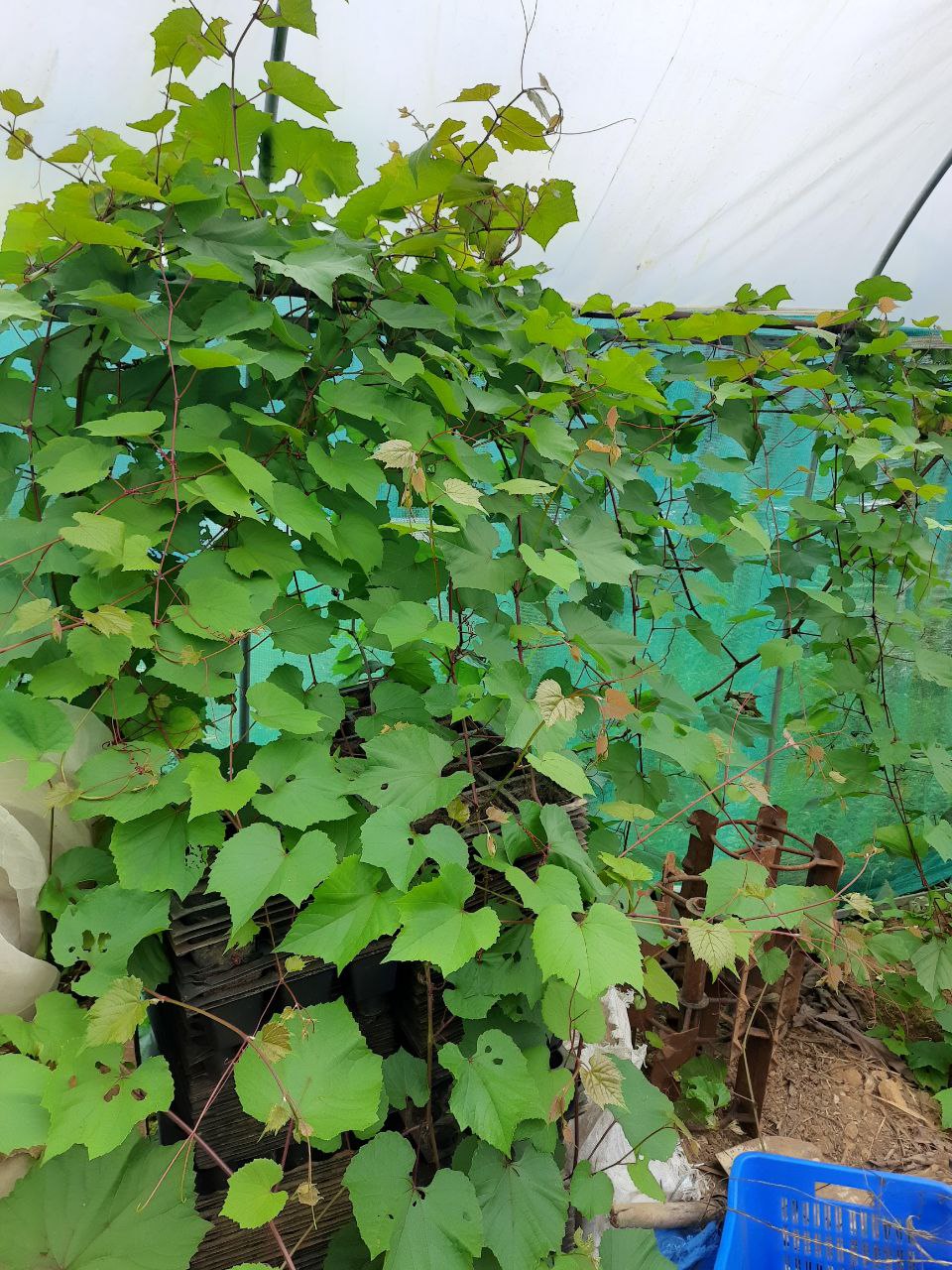
- 📍 Tsendagang Gewog, Dagana Dzongkhag
- 🗓 2023-12-07
- 📷 Chimi Yangki