
Springshed Revival through Trenches and Checkdams
Type: Technologies
Creation: 2023-07-14 07:29 Updated: 2024-06-04 15:19
Compilers: Karma Wangdi
Reviewers: William Critchley, Rima Mekdaschi Studer, Joana Eichenberger
Country/ region/ locations where the Technology has been applied and which are covered by this assessment
- Country: Bhutan
- Region/ State/ Province: Paro
- Further specification of location (e.g. municipality, town, etc.), if relevant: Shaba, Lholing.
- Map: View Map
Description of the SLM Technology
Short description of the Technology
Springshed revival through trenches and check dams is associated with a nature-based solution approach to reviving more than 20 springsheds. These were widened with the occasional construction of check dams to prevent rill erosion from the newly revived spring waters.
Detailed description of the Technology
Trenches and check dams play a vital role in the implementation of the springshed revival technology in the picturesque hilly village of Lholing. This innovative approach to rejuvenating springsheds has extended its reach from the lush pasturelands above the village all the way down to the very first household of Lholing, resulting in the construction of approximately 20 ponds of varying sizes, replenished by springsheds. In some instances, the creation and expansion of these springsheds required the utilisation of mechanical excavators, emphasising the magnitude of the project.
The revitalised springsheds now produce an array of springs, each contributing water that eventually converges into a common tributary meandering towards the village. This valuable water is collected and stored in purposefully constructed water harvesting ponds, serving as a reliable source for kitchen garden irrigation and cattle feeding. While the primary objective was to address the pressing issue of drinking water scarcity in the community, it also yielded secondary benefits. These encompassed the provision of a drinking water source for the wildlife inhabiting the area, as well as supporting the irrigation needs of the kitchen garden. The implementation of check dams yielded additional advantages by mitigating rill and gully erosion and serving as effective filters for muddy spring water. This sustainable land management strategy was accomplished through a series of distinct activities. Firstly, an exhaustive survey and assessment of the springshed area was conducted to identify suitable locations for trenches and check dams. This process took into account factors such as the topography of the terrain, the hydrological dynamics, and the composition of the soil. Subsequently, a comprehensive plan and design was developed for the trenches and check dams, including their dimensions, spacing, and alignment. The involvement of experts and stakeholders during this stage ensured that the chosen design was optimal in terms of its effectiveness (Sameul, 2008).
The execution phase involved the excavation and shaping of the trenches according to the design, followed by the construction of check dams. Trenching are required in open areas (where there is no vegetation cover) to trap surface runoff and enhance infiltration. Trenches can be dug along contour lines in a staggered or continuous pattern. However, the size of the trench is determined based on the site conditions. The number of trenches/pits depends on size, annual precipitation and the slope gradient of the recharge area in smaller area. Wedge shaped trenches are recommended for open areas while staggered or continuous trenches are recommended on slopy areas. Trenches are recommended in larger open area, while pits these check dams were specifically devised to retain water and control its flow. As part of gully treatment and to increase water infiltration, check dams are constructed. Typically, walls or barriers were built using locally available materials such as stone, wood, or concrete.
The advantages and benefits derived from this technology are manifold. In addition to the aforementioned advantages associated with springsheds, the implementation of trenches and check dams significantly contributed to the preservation and conservation of the fertile topsoil, preventing its degradation and erosion. The land users in the village expressed contentment with the successful revival of the springsheds, recognising their multifaceted contributions. Furthermore, they were duly impressed by the check dams' efficacy in preventing soil erosion and their ability to filter muddy water, ensuring a reliable and clean water supply (RSPN, 2023).
The creation of the ponds was especially appreciated as they served as a convenient water source for grazing cattle in the nearby jungle. However, despite the numerous benefits, there was a sense of dissatisfaction among many villagers due to the increasing number of wild animals, including wild boar and deer that frequented the ponds to quench their thirst. This unexpected influx of wildlife posed a significant threat to farms located in close proximity to the open springsheds.
Photos of the Technology
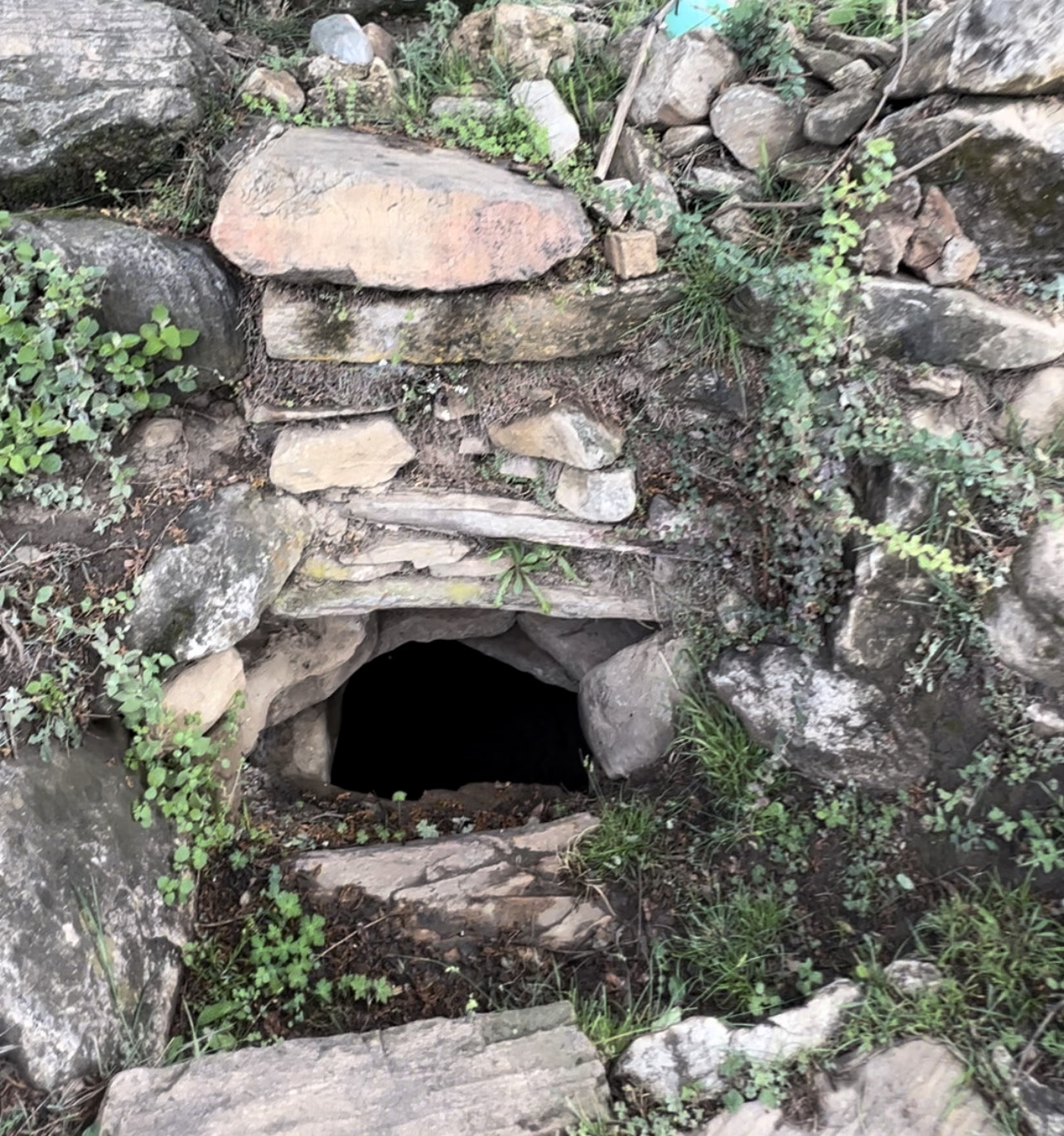
- 📍 Lholing, Shaba, Paro.
- 📷 Tshering Gyeltshen
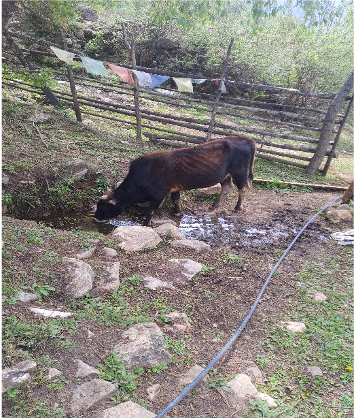
- 📍 Lholing
- 📷 Thinley Tshering
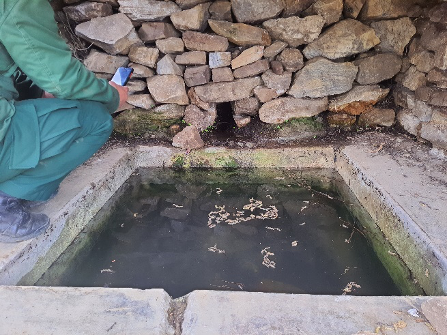
- 📍 Lholing
- 📷 Thinley Tshering