
Cane and Bamboo Plantation to Sustain Raw Materials
Type: Technologies
Creation: 2023-07-17 13:14 Updated: 2024-05-30 15:21
Compilers: Tshering Yangzom
Reviewers: William Critchley, Rima Mekdaschi Studer, Joana Eichenberger
Country/ region/ locations where the Technology has been applied and which are covered by this assessment
- Country: Bhutan
- Region/ State/ Province: Jangbi, Wangling and Phrumzur villages under Jangbi Chiwog, Langthel gewog, Trongsa Dzongkhag
- Map: View Map
Description of the SLM Technology
Short description of the Technology
Cane and bamboo plantations are managed by land users and indigenous communities to sustain these valuable raw materials for making handicraft items. Tsharzo (bamboo craft), is one of the main sources of income for land users. Tsharzo makes use of cane and bamboo to weave products such as backpacks, baskets (for winnowing, for carrying fodder, fruits, shoots, etc.), and mats. These plantations are effective in conserving land and water.
Detailed description of the Technology
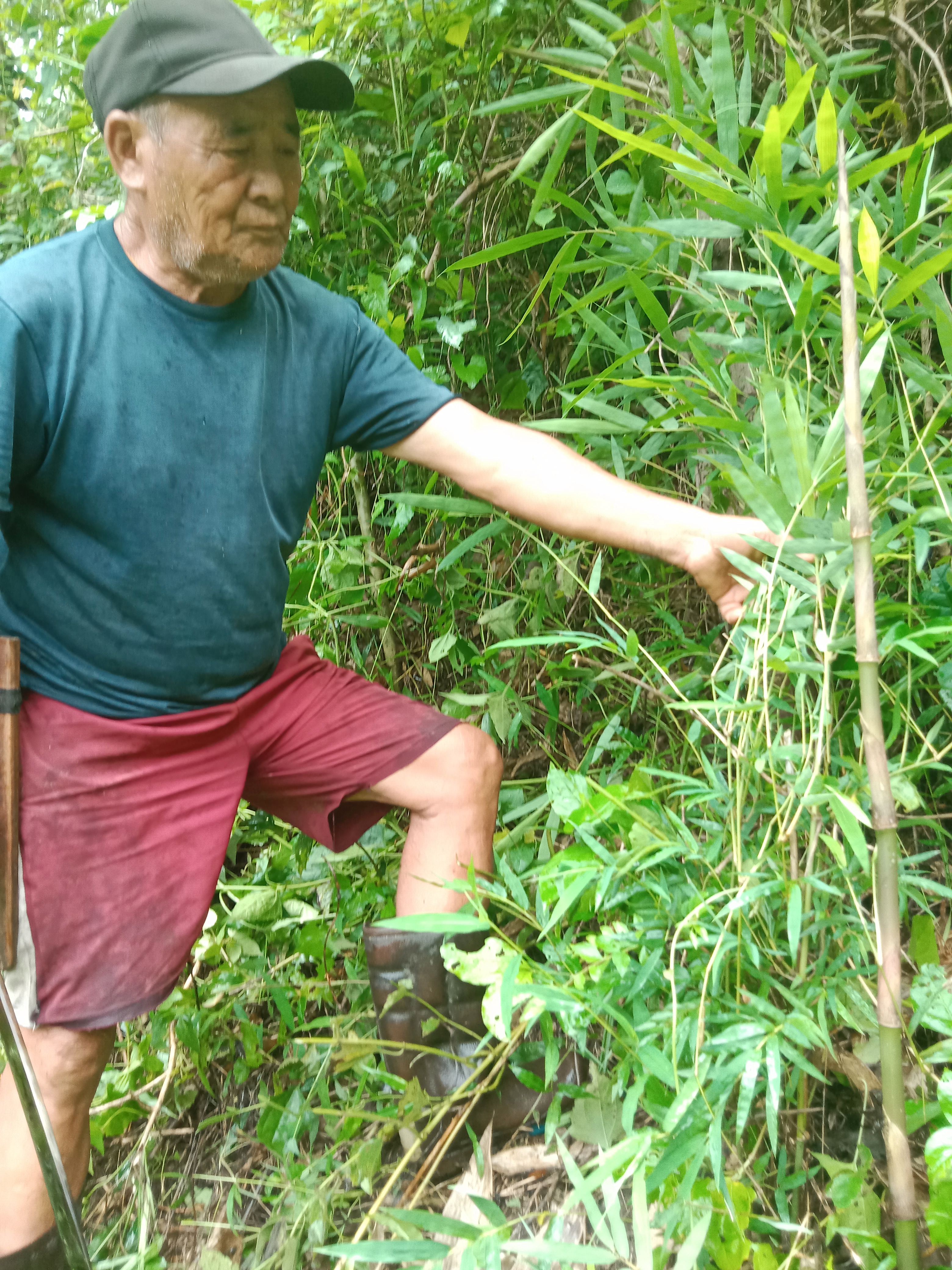
Tsharzo (bamboo craft), is one of the main sources of income, besides agriculture, for the land users of the Monpa community of Jangbi, Wangling, and Phrumzur in Trongsa. Tsharzo makes use of cane (“rattan”: Calamus spp.) and bamboo to weave products such as orongbhazib (backpacks), lapchu (hand baskets), chungchu (baskets), bechab (winnowing baskets), tsew (baskets to carry fodder, fruits, shoots etc.) and pari (mats). The technology of maintaining bamboo and cane plantations has been adopted by the land users to ensure a sustainable harvest of natural raw materials and to maintain germplasm for bamboo and cane. This helps to uphold ancestral arts and crafts skills, and to improve livelihoods.
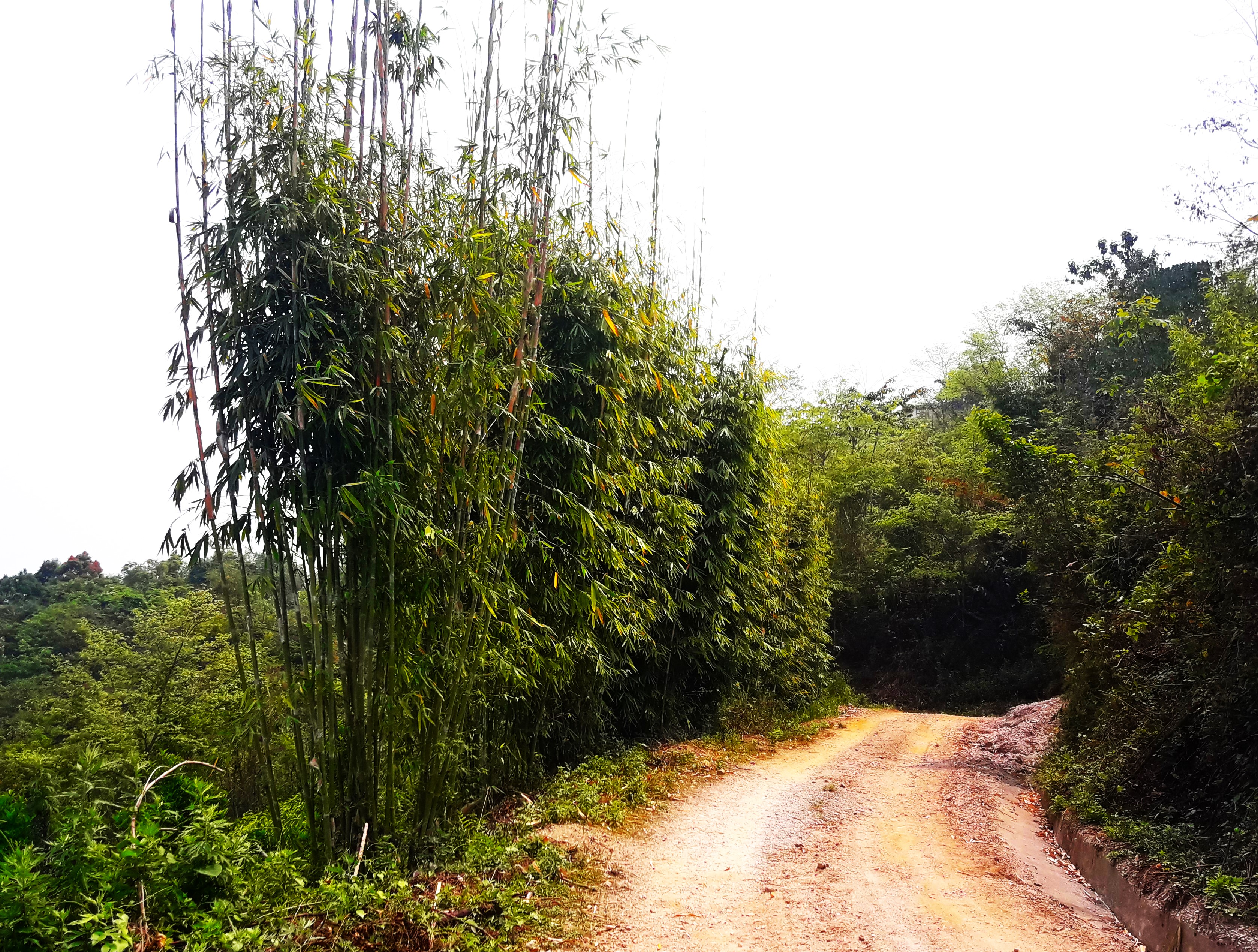
Jangbi chiwog has 59 households (HH). The land users are members of Monpa Selwai Yoezer Tshogpa, a Community Forest Management Group which was formed to sustainably manage bamboo and cane resources, to preserve and promote age-old cane and bamboo handicraft skills and increase household income. The group is one of the most successful in promoting Tsharzo in the country. The group was formed under the United Nations Development Programme (UNDP) on 14 April 2000, and officially came into play in 2007, upon drafting bylaws. The bylaws were revised after the need for further improvement in the year 2018. The group received initial support from UNDP and Bhutan Orchids, a non-governmental organization (NGO). The government has given a total of 45 acres (18 ha) of land to the land users of Jangbi Chiwog to plant bamboo and cane. Out of the total, 15 acres (6 ha) are collectively managed as a nursery. About 10 acres (4 ha) are managed by each village as a plantation. The land users have planted three varieties of bamboo on the land.
The benefits of the technology include the establishment of dedicated germplasm for bamboo and cane, sustainable harvest of natural raw materials, conservation and promotion of ancestral arts and crafts skills, social cohesion through group formation, and employment opportunities.
Bamboo and cane plantations play a great role in preventing soil degradation. Bamboo and cane have extensive root systems that help prevent erosion, stabilize soil, and reduce landslide risks. They are excellent for revegetation as they quickly establish themselves. Bamboo is also an efficient carbon sink, absorbing significant amounts of carbon dioxide from the atmosphere. This helps mitigate climate change by reducing greenhouse gas concentrations. Bamboo and cane provide habitats for various organisms thereby increasing biodiversity. Products made from bamboo and cane are biodegradable, minimizing any potential environmental impact.
Photos of the Technology
- 📍 Jangbi, Langthel Gewog, Trongsa Dzongkhag
- 📷 Kuenzang Nima
- 📍 Jangbi, Langthel Gewog, Trongsa Dzongkhag
- 🗓 2021-01-08
- 📷 Haka Drukpa