
Plastic mulching for cash crops
Type: Technologies
Creation: 2023-07-19 13:18 Updated: 2024-05-30 15:17
Compilers: Tshering Yangzom
Reviewers: William Critchley, Rima Mekdaschi Studer, Joana Eichenberger
Country/ region/ locations where the Technology has been applied and which are covered by this assessment
- Country: Bhutan
- Region/ State/ Province: Sergithang, Tsirang
- Map: View Map
Description of the SLM Technology
Short description of the Technology
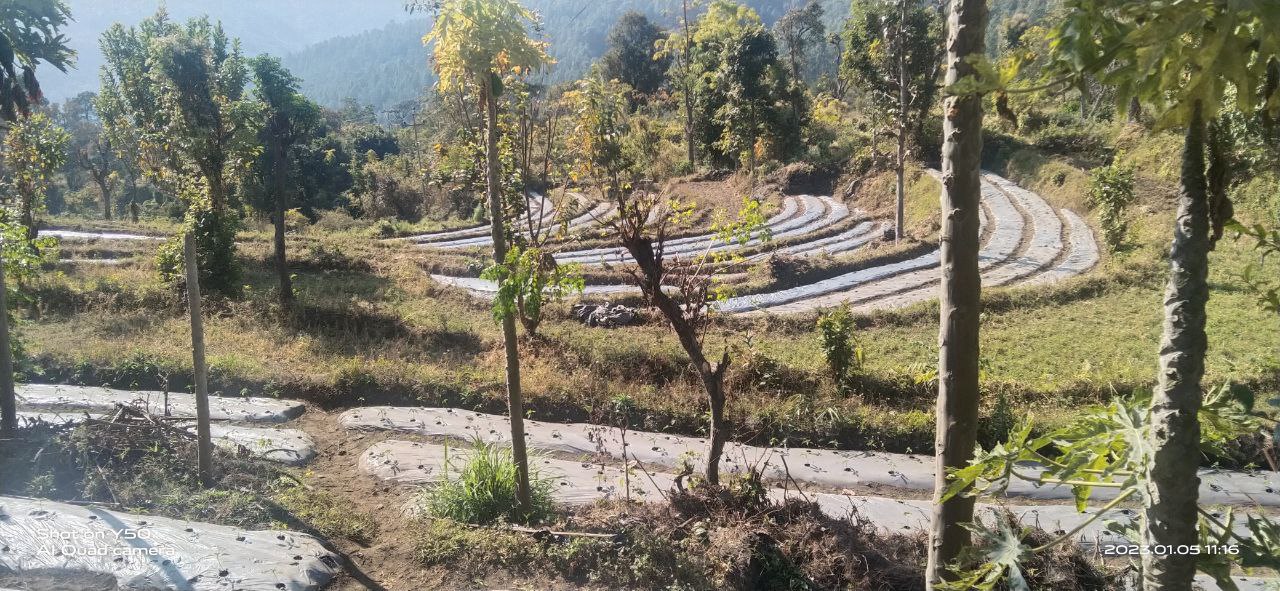
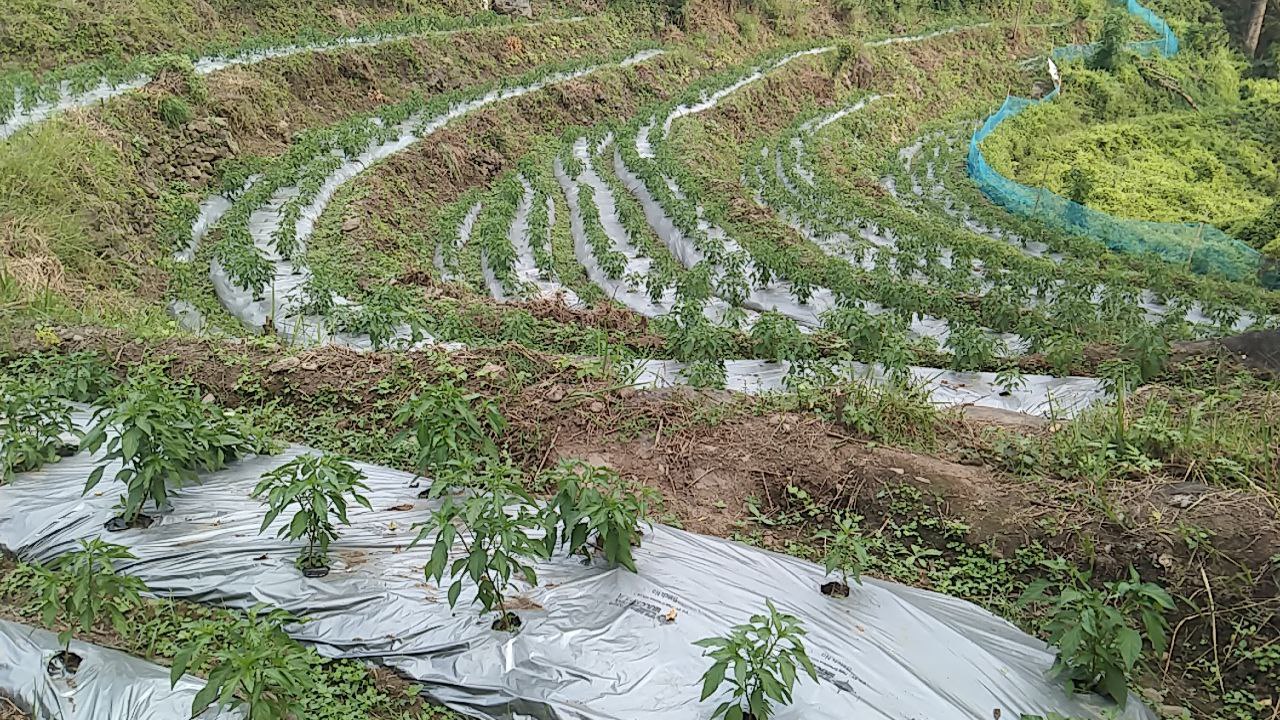
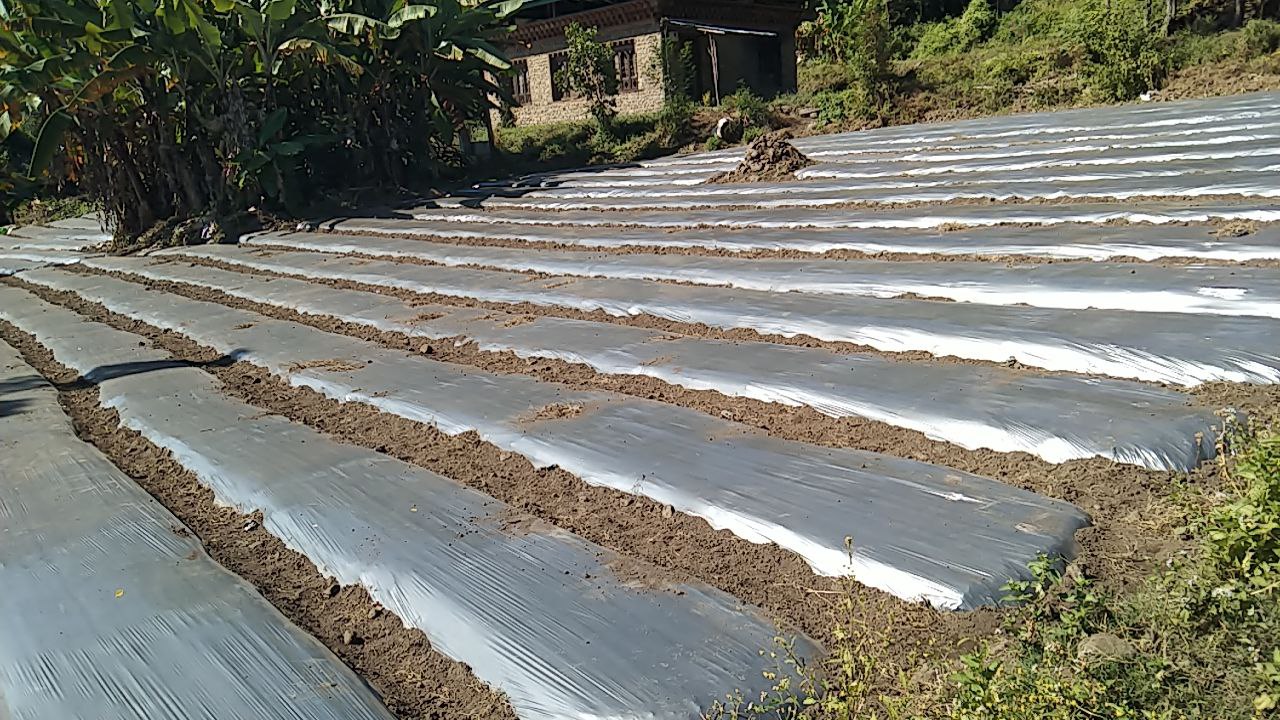
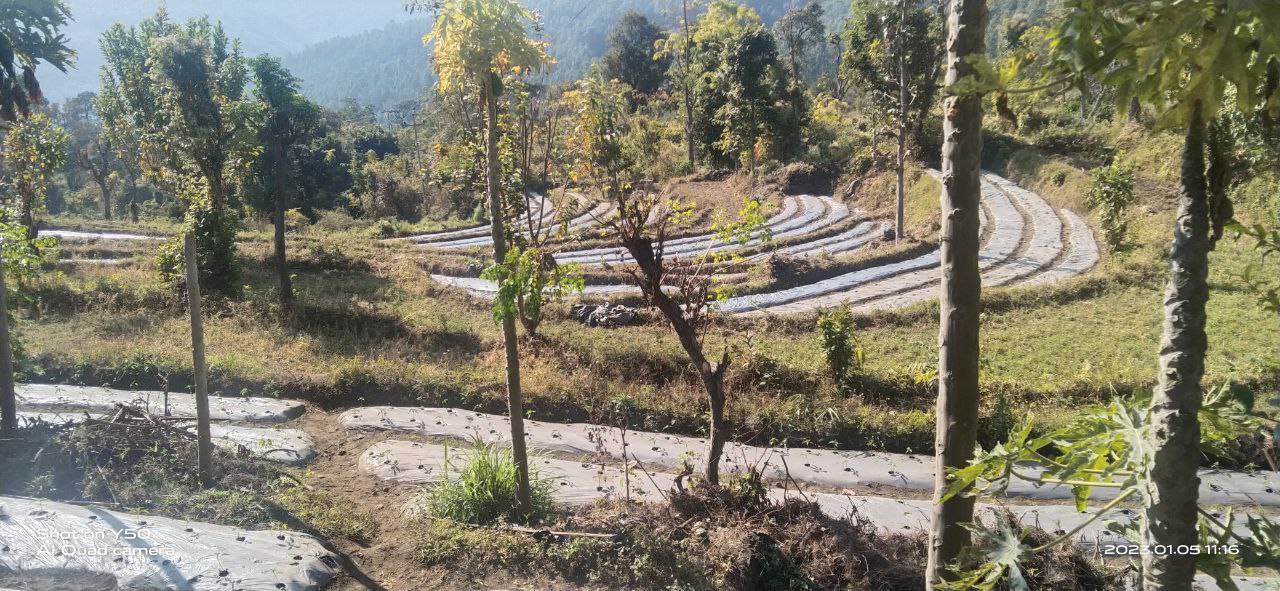
Plastic mulching comprises thin plastic sheets laid out on raised soil surfaces around plants to help conserve soil moisture, prevent water and wind erosion, control weeds, and regulate soil temperature. It is used in agriculture to increase crop yields. However, there are environmental concerns about soil contamination and waste disposal.
Detailed description of the Technology
Plastic mulching is a widely used agricultural practice in Bhutan, primarily employed in the cultivation of cash crops. Farmers have adopted plastic mulching to enhance crop production and address specific agricultural challenges. It allows farmers to optimize water usage by reducing evaporation and maintaining soil moisture levels, which is crucial in regions where water resources are limited. It also helps suppress weed growth, minimizing competition for nutrients and ensuring healthier crop growth. Additionally, the regulation of soil temperature through plastic mulching can extend the growing season and improve crop quality and yields. These benefits are particularly valuable in Bhutan's mountainous terrain and varied climatic conditions.
However, the application of plastic mulching can have both direct and indirect impacts on the natural environment. Improper disposal or management of plastic mulch can lead to environmental pollution, including soil contamination and plastic waste accumulation. Therefore, sustainable practices and appropriate waste management techniques are crucial to minimize the potential negative effects on the natural environment.
Plastic mulching serves several purposes and functions in agricultural practices. One of its primary functions is moisture conservation, as it helps prevent water evaporation from the soil surface by acting as a barrier. Additionally, plastic mulch controls weeds by blocking sunlight and inhibiting weed seed germination, reducing competition for nutrients. Another important function is soil temperature regulation, as plastic mulching traps heat from the sun, raising soil temperatures in cooler climates and promoting faster plant growth. Overall, plastic mulch contributes to enhanced crop performance.
Furthermore, it helps prevent soil erosion by protecting the soil surface from wind and water erosion, thus maintaining soil structure and fertility, and creating a barrier between plants and the soil, reducing the risk of soil-borne pests and diseases affecting the crops. It can also deter certain pests by disrupting their habitat and limiting access to plants.
Plastic mulching involves the use of thin sheets or films made of polyethylene or similar materials, which come in various colours and thicknesses. Manual tools are utilized to lay the sheets evenly over the prepared soil. Before laying the plastic mulch, the soil is typically ploughed, levelled, raised, and cleared of debris to create a smooth surface. To prevent displacement by wind or other factors, the plastic mulch needs to be securely anchored to the ground. Plastic mulching can be combined with drip irrigation systems to provide water and nutrients directly to the plant roots.
Some specific advantages pointed out by the land user include the opportunity to achieve higher returns on agricultural investments. It reduces the need for manual weeding or herbicide application, saving time, labour, and resources. Additionally, it reduces the frequency of irrigation. It also extends the growing season expanding options and potential profits. There are many advantages of mulching but there are some serious disadvantages of the technology. Plastic mulching poses environmental concerns related to soil contamination and waste accumulation. Plastic mulches are a significant source of microplastic pollution in agricultural soils and these microplastics negatively affect soil health. The disposal of plastic mulches is a challenge as recycling options are limited resulting in waste accumulation on farms. These accumulated wastes are eventually burned and release greenhouse gases, contributing to climate change and global warming. Additionally, the residues left behind after burning plastic mulches can persist in the soil for extended periods thereby contaminating the soil. Also, the cost of purchasing plastic mulch can prove to be too high for farmers if the land area is huge. Though mulching helps increase crop yields, it has negative effects on the natural environment - thus the use of mulching necessitates careful consideration.
Photos of the Technology
- 📍 Sergithang, Tsirang
- 🗓 2023-09-11
- 📷 Dhan Gallay
- 📍 Sergithang, Tsirang
- 📷 Dhan Gallay
- 📍 Sergithang, Tsirang
- 🗓 2023-10-11
- 📷 Dhan Gallay
- 📍 Sergithang,Tsirang
- 🗓 2023-10-11
- 📷 Dhan Gallay