
Conservation agriculture to restore abandoned cropland
Type: Technologies
Creation: 2023-10-25 08:07 Updated: 2024-05-15 13:29
Compilers: Otgontsetseg Davaanyam
Reviewers: Mandakh Nyamtseren, Rima Mekdaschi Studer, Joana Eichenberger
Country/ region/ locations where the Technology has been applied and which are covered by this assessment
- Country: Mongolia
- Region/ State/ Province: Khentii province
- Further specification of location (e.g. municipality, town, etc.), if relevant: Kherlen soum, Takhilgat bag
- Map: View Map
Description of the SLM Technology
Short description of the Technology
This technology aimed to restore abandoned cropland which was used for crop and fodder production during the 1970s-1980s. Since 2016, the farmer applied conservation agriculture and mixed cropping to reduce land degradation, revive cropping practices, increase land productivity for agriculture and enhance soil health.
Detailed description of the Technology
The land in Kherlen soum, Khentii province, spanning 500 hectares, was used for crop production and later for producing fodder for livestock. However, since 1984, it has been left abandoned. To rehabilitate the area and revive cropland, conservation agriculture combined with mixed cropping was introduced in 2014.
Mixed cropping encompasses various agrotechnical practices that involve the cultivation of different crops together, making use of their ability to interact with each other. The aim is to sustain crop yield in regions with limited moisture, protect the soil surface, regulate soil moisture levels, and enhance the availability of micro and macro-nutrients. In Kherlen soum, Khentii province, mixed cropping was implemented by planting seed mixtures of different proportions, taking into consideration the specific requirements and differences among various crops. Presently, annual crops such as mustard, peas, Cape rice, and wheat, rye along with rapeseeds, are successfully cultivated mixed and/or in rotation in the area.
Conservation agriculture in soil protection agriculture offers several advantages, including the enhancement of soil, its resilience to external factors such as erosion by wind, regulation of soil fertility and microorganism populations, avoidance of highly toxic substances in agriculture, and increased productivity. One significant aspect of conservation agriculture is using no-till and direct sowing techniques to minimize soil disturbance. During harvesting, only the crop heads are collected, while the remaining rootsystems and stems are left in and above the soil contributing to increasing soil organic matter. Other residues and parts of plants, such as straw/ stalks and leaves, are shredded and spread across the field to reduce soil moisture evaporation and protect it from the sun and wind. Soil erosion by wind can be mitigated by covering the soil as much and long as possible either by leaving the crop residues on the soil and/or including cover crops into crop rotations. Furthermore, this technology improves the soil health and microenvironment/ microclimate.
To initiate and implement this technology, the land user leased most of his land through a proposal, aimed at improving the soil quality of abandoned land, to the local government, and also purchased a certain amount of land through a land auction announced on the government website. Initial preparation of land for sowing consisted of removing stones from the field and spraying herbicides to get rid of weeds and their seeds. A minimal dose of herbicides with low toxicity is used to control the growth and spread of weed plants commonly found in abandoned fields. Later on mustard was incorporated into mixed cropping and rotations suppressing the growth of weed.
In the first year, the farmer planted a mixture of mustard, oilseed rape and lucerne to enhance soil penetration and break up compacted soil, as well as wheat in a 40 cm strip on stony soil with low fertility. First few years 2014-2018), the farmer didn’t harvest all the yields to keep the soil covered and improve the soil quality.
In 2019 the farmer built a fence to protect against grazing and yields significantly improved. Moreover, various equipment such as direct seeder for no till or minimum tillage crop cultivation, combine harvester, tractor, herbicide spraying machine and seed sorting machines to improve the quality of produce for the market (clean and separate seeds of different sizes and different types of crops) were bought with a bank loan.
A comprehensive knowledge of the interactions and symbiotic relationships between different crops is also essential to plan for crop mixtures and rotations. Crop morphology such as root system, competition for nutrients and water should be considered. Mustard-pea mixture facilitates harvesting as pea is difficult to harvest in monoculture and mustard can provide biological weed control.
He divided the land / field into 12 plots, which were planted with different crop mixtures and in rotation, maintaining soil fertility, limiting pests and diseases, and increasing crop yields. Legumes can improve soil fertility by adding nitrogen to the soil. The farmer practiced five-field rotation in his cropland using legumes including pea, bean, lentils and alfalfa. The rotation plan depends on climate conditions.
The levels of potassium and phosphorous in the soil were monitored and regularly measured. Only when a deficit occurred the land user used mineral fertilizers.
According to farmers who practice conservation agriculture and mixed farming, these technologies effectively maintains soil stability, ensuring its long-term sustainability.
Photos of the Technology
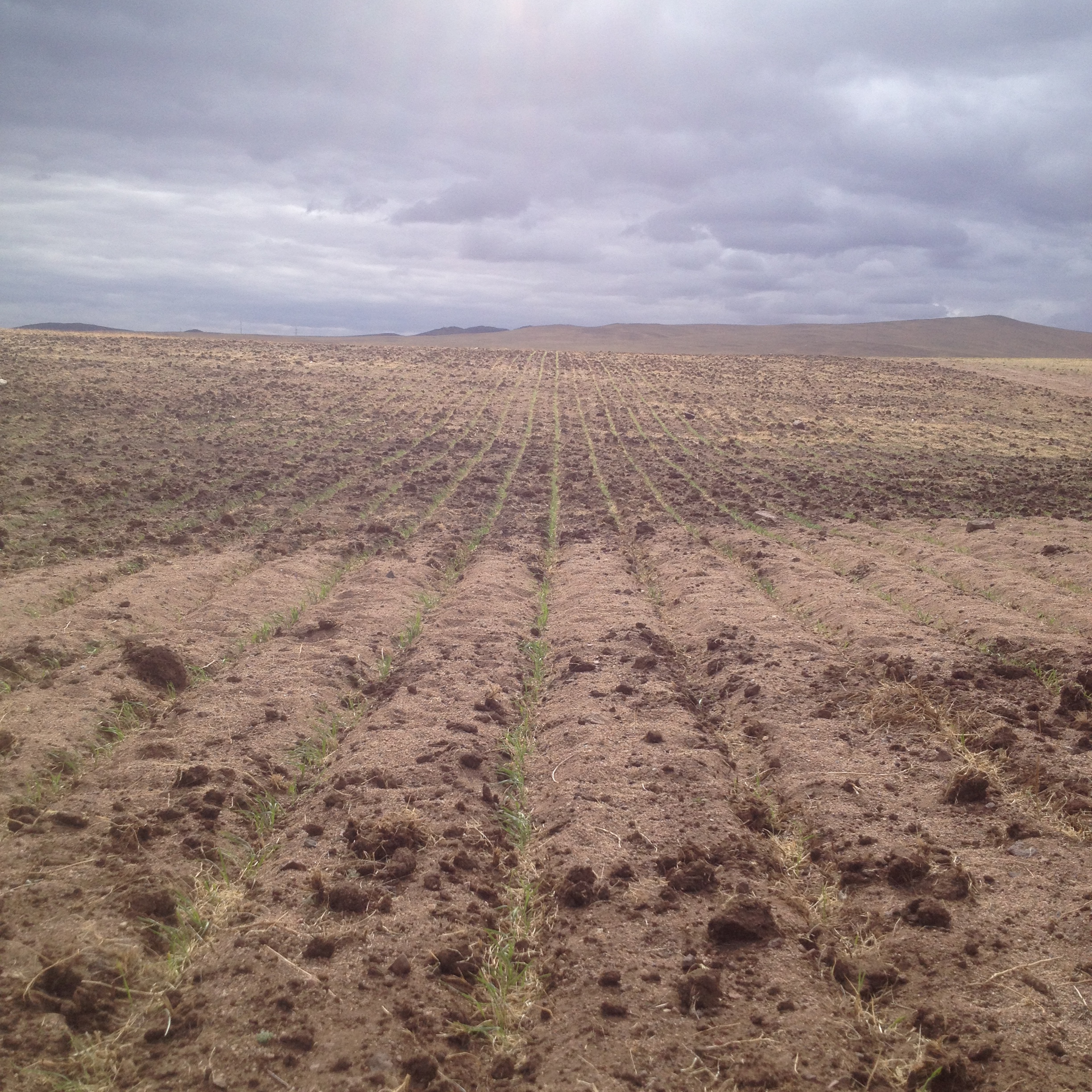
- 📍 Kherlen soum, Khentii province
- 📷 Batnaran B.
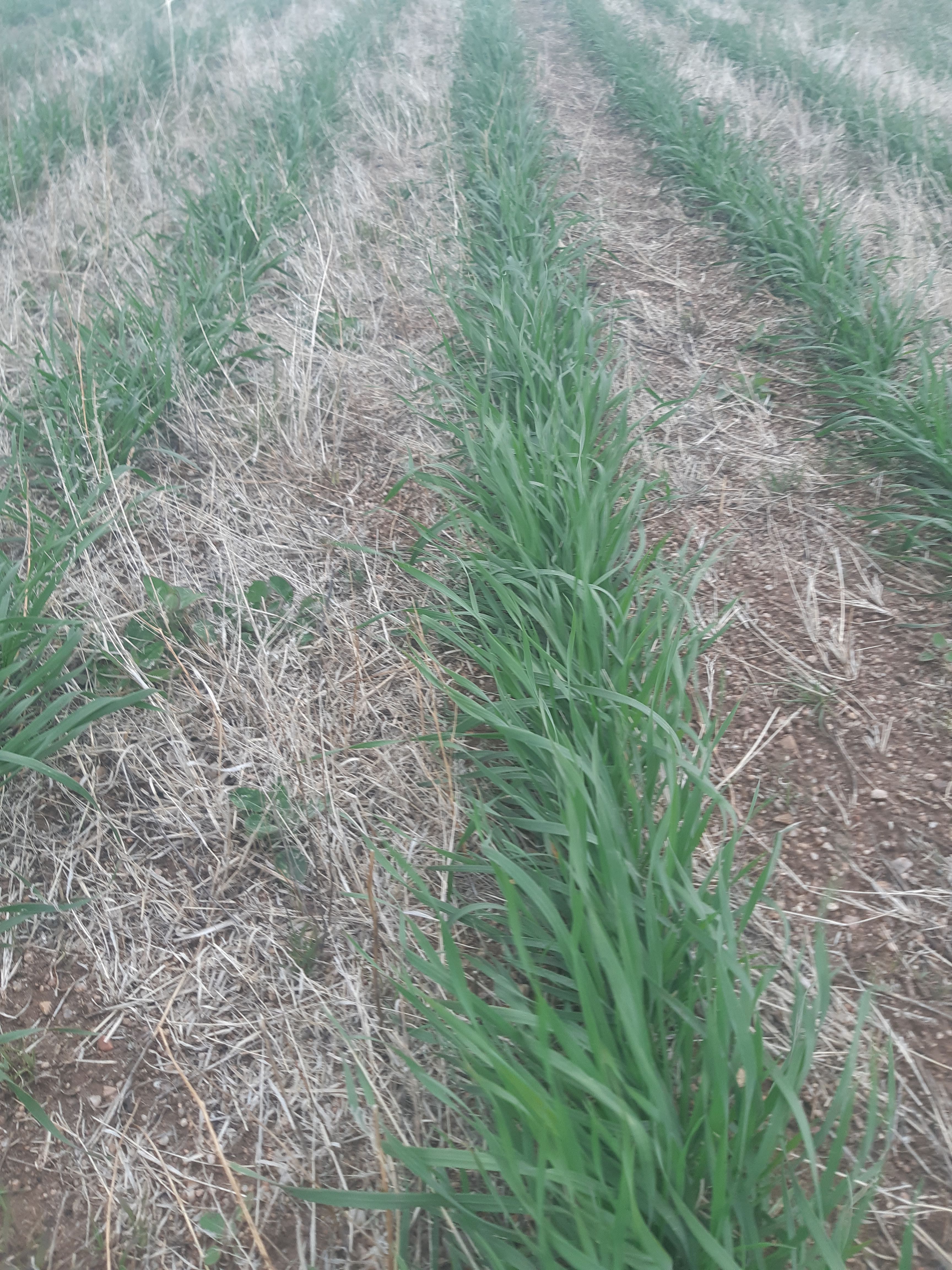
- 📍 Kherlen soum, Khentii province
- 🗓 2021-03-06
- 📷 Batnaran B.

- 📍 Kherlen soum, Khentii province
- 🗓 2020-01-07
- 📷 Batnaran B.

- 📍 Kherlen soum, Khentii province
- 🗓 2023-03-10
- 📷 Otgontsetseg D.
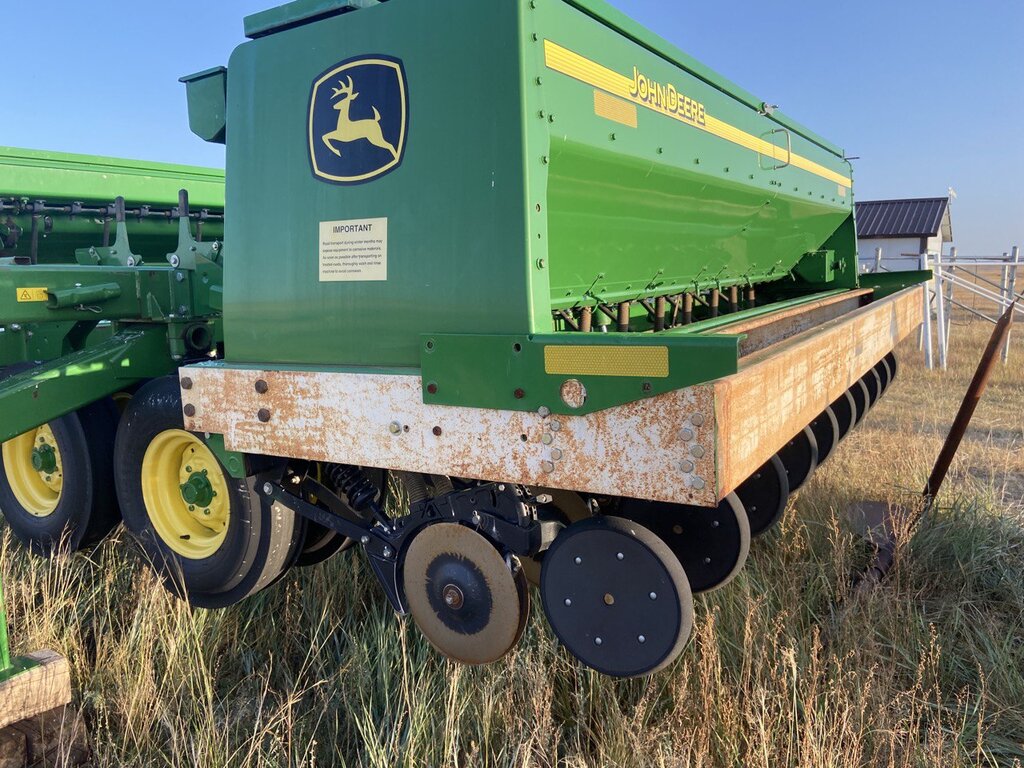
- 📍 Kherlen soum, Khentii province
- 🗓 2023-03-10
- 📷 Mandakh N.
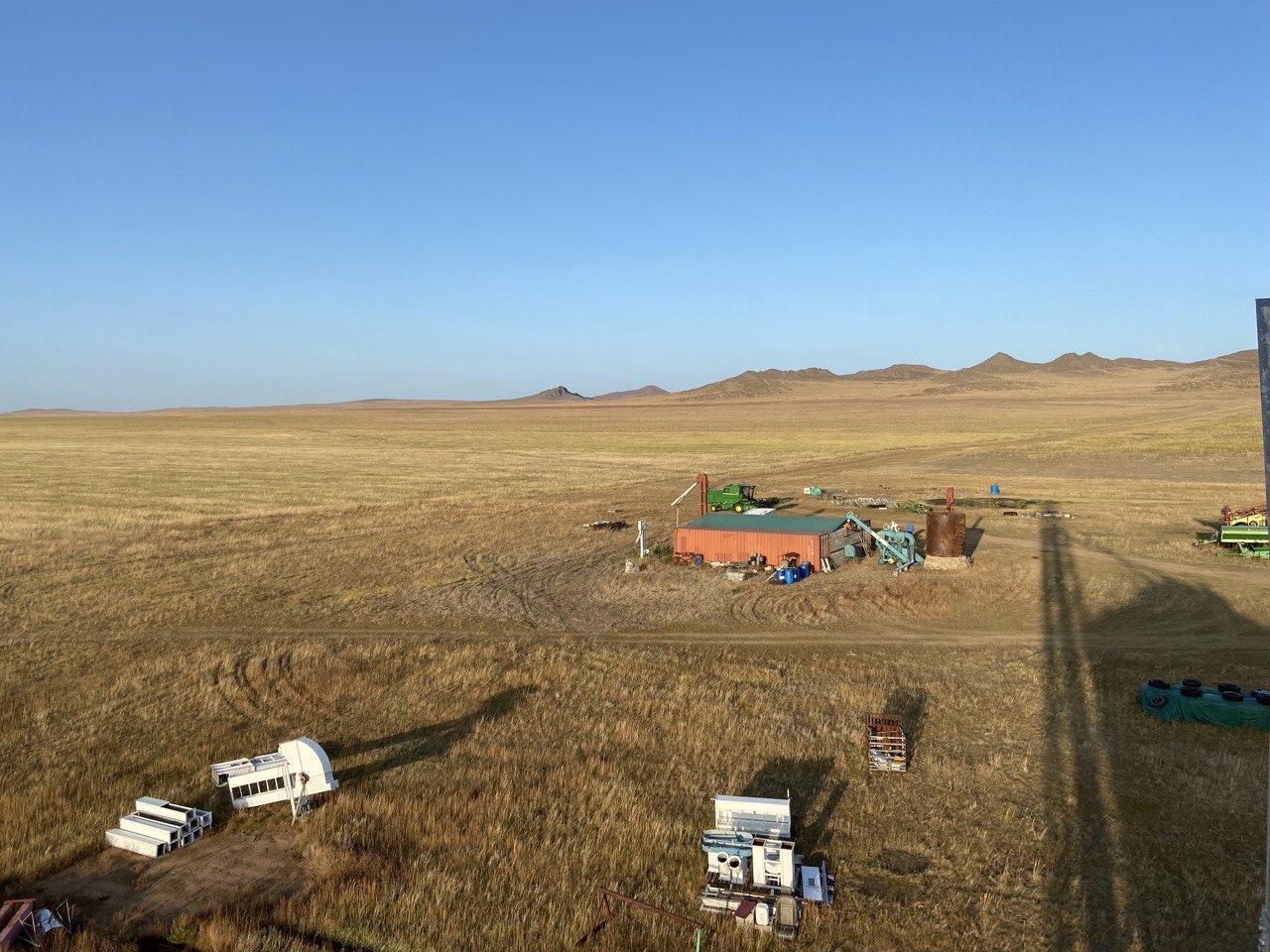
- 📍 Kherlen soum, Khentii province
- 📷 Mandakh N.