
River training dam
Type: Technologies
Creation: 2016-11-02 12:03 Updated: 2020-08-05 15:00
Compilers: Margaux Tharin
Reviewers: Alexandra Gavilano, Alvin Chandra, Rima Mekdaschi Studer
Country/ region/ locations where the Technology has been applied and which are covered by this assessment
- Country: Tajikistan
- Region/ State/ Province: Khatlon Region, Muminabad District
- Further specification of location (e.g. municipality, town, etc.), if relevant: Kulchashma Jamoat, Kulchashma village
- Map: View Map
Description of the SLM Technology
Short description of the Technology
The river training dam is a disaster mitigation structure protecting downstream areas from flash floods and mudflows. It consists of a channel dug and wire net gabions built to train the river and is hence cheap to establish and maintain. There is a substantial community contribution as labour is an important part of the input costs. The dam enables the rehabilitation of unproductive land in the downstream catchment areas, reduction of crop pests, increase in crop diversity and land productivity, and an overall improvement of livelihoods for downstream communities through reduced vulnerability to disasters.
Detailed description of the Technology
The river training dam is a disaster mitigation structure constructed in the middle zone of the watershed of Obishur (Southern Tajikistan), at 1400 metres above sea level. It is diverting the water from the river fan naturally flowing through Kulchashma village into a different direction and river outlet (Yakhsu river). The dike is a simple structure consisting of a 400m-long and 4m-high channel dug by bulldozer consolidated by a 60m-long and 3m-wide gabion protecting a sharp curve of the river. The material needed is limited to stones and wire net, and the construction as well as maintenance costs are hence low and don't need a too high amount of labour, provided by the communities as in-kind contribution. The structure is built to resist a pressure of up to 72 m3/sec. Given the annual frequency and strength of the local floods, the Kulchashma river training dam has an estimated life expectancy of 30 years. The land users proposed to establish the dam in order to protect the 250 households and 270 ha of land downstream being regularly affected by the floods. In particular, people, houses, roads and other infrastructure, crop and pasture land as well as animals and other assets were highly exposed to the risk of flood. The agricultural production, constituting the main part of people’s income was hindered by the regular occurrence of disasters. The establishment of the river training dam resulted in the rehabilitation of unproductive land in the river fan and its use as pasture and arable land which the community mainly uses for agroforestry. The occurrence of crop pests decreased, the crop diversity was increased, the crop and land productivity improved, thereby enhancing the land users’ food security and overall income. The dam also allowed vulnerable community members to access land and build houses. The construction of buildings behind the dam is however risky and communities tend to forget or ignore that a risk of failure of the dam persists, and that its life expectancy is limited. But first of all, the personal safety of the community members is now improved and they are happy to be able to sleep without the fear of regular floods.
Photos of the Technology
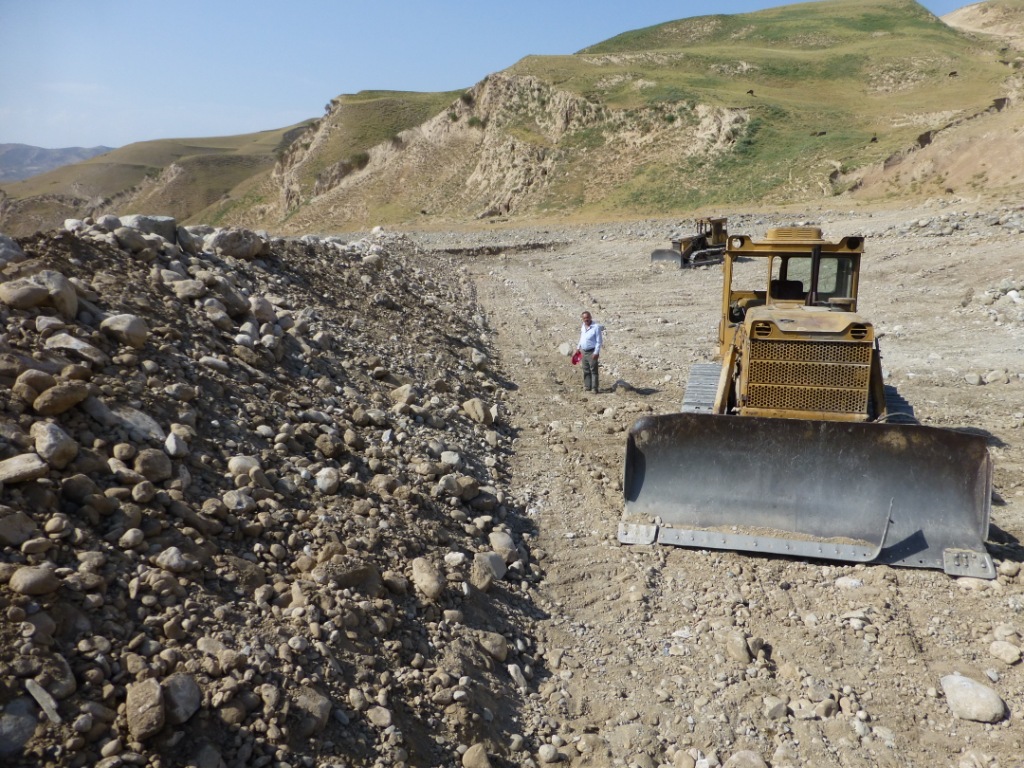
- 📍 Kulchashma village, Kulchashma Jamoat, Muminabad District, Khatlon Region, Tajikistan
- 📷 Sa'dy Odinashoev
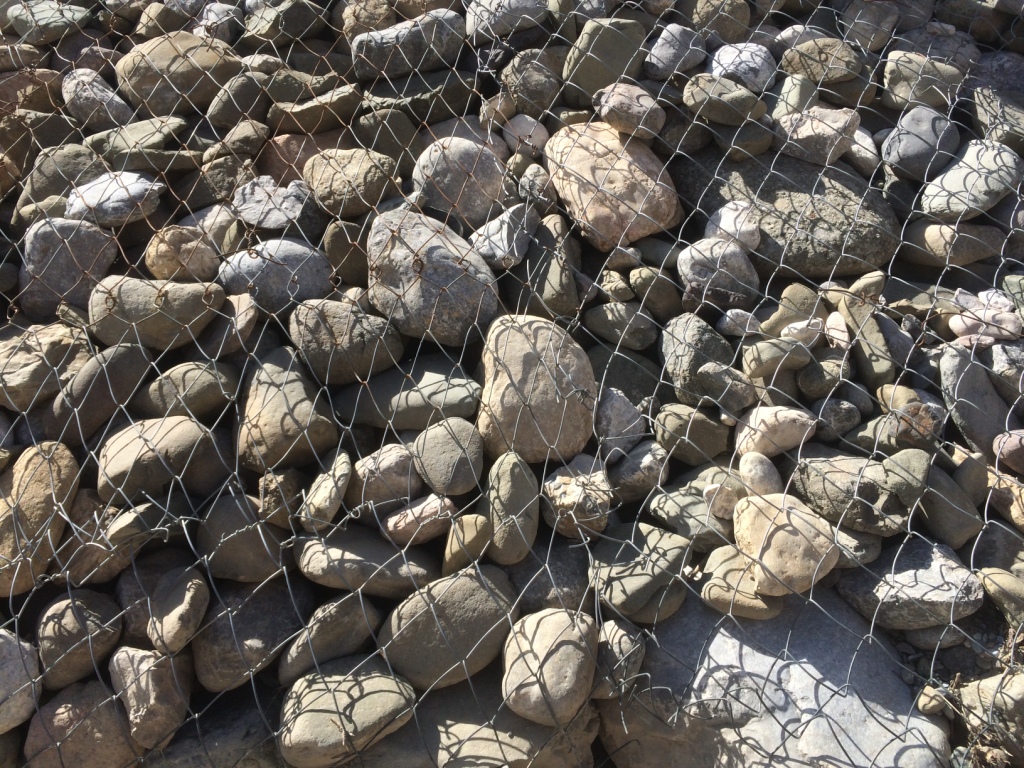
- 📍 Kulchashma village, Kulchashma Jamoat, Muminabad District, Khatlon Region, Tajikistan
- 🗓 2016-11-10
- 📷 Margaux Tharin