
Floating Vegetable Garden Using Water Hyacinth as Planting Medium
Type: Technologies
Creation: 2024-01-03 03:28 Updated: 2024-02-27 09:43
Compilers: Philippine Overview of Conservation Approaches and Technologies
Reviewers: Rima Mekdaschi Studer
Country/ region/ locations where the Technology has been applied and which are covered by this assessment
- Country: Philippines
- Region/ State/ Province: Province of Agusan Del Sur
- Further specification of location (e.g. municipality, town, etc.), if relevant: Talacogon municipality
- Map: View Map
Description of the SLM Technology
Short description of the Technology
Floating vegetable garden as a climate change adaptation strategy for the indigenous communities living in the wetland of Agusan del Sur to grow vegetables during the flooding season.
Detailed description of the Technology
Agusan Marsh is considered one of the wetlands in the Philippines that experiences flooding all year round, and most areas are flooded, making it impossible to grow food for the communities living in the area. In order to address this issue, the construction of floating gardens were initiated by the Department of Agriculture CARAGA supported by various government agencies and Non Government Organizations (NGOs).
The floating garden technology and initiative, developed by the Foundation for the Development of Agusanons, Inc. (FDAI), was enhanced by the Department of Agriculture CARAGA and carried out by the Agricultural Program Coordinating Office (APCO) with the aim of establishing a sustainable agricultural system that promotes biodiversity and resilient farming practices. By using decomposed water hyacinth as a medium for growing crops, the technology helps mitigate its negative effects and transforms it into a valuable resource. Water hyacinths have a variety of negative impacts such as clogging waterways hampering boating and fishing, reducing local aquatic biodiversity and obstructing river flows which can aggravate flooding. The technlogy is being adopted by the Adaptation and Mitigation Initiative in Agriculture (AMIA) as a mitigation strategy against the impacts of climate change, enabling communities to better manage and adapt to climate-related risks. It also provides means for communities in flood-prone or coastal areas to engage in sustainable agri-fishery activities, ensuring food security and enhancing biodiversity and ecosystem health.
The components of the floating garden include a floater, a base (batangan), flooring (salug), growing substrate composed of layers of water hyacinth and layers of soil. Thewater hyacinths are collected from the river, chopped, and then mixed with the soil for composting before being used as a growing substrate in the floating garden. It is applied in layers as follows: composted hyacinth/soil mix, soil, composted hyacinth/ soil mix, and soil. The use of water hyacinth as substrate for the compost addresses the community’s concern about its proliferation, which causes obstruction in rivers, resulting in the destruction of boats and houses.
The standard dimension of a floating garden is 8 meters (length) by 4 meters (width), but this could be increased depending on the needs and financial capacity of the landusers. Crops planted are high-value vegetables such as pechay (pak choi), string beans, bitter gourd, tomato, bell pepper, cucumber, and eggplant, which were provided by the Department of Agriculture.
The FDAI played a pivotal role in project implementation, overseeing the construction of floating gardens and the provision of supplemental seedlings. The Binus-Ugan Farmers Association (BFA), as the recipient of the project, received 50 units of floating gardens through the Department of Agriculture's Adaptation and Mitigation Initiative in Agriculture (AMIA) Program.
Floating gardens were instrumental to the community in growing crops as their source of food and nutrients during the COVID-19 pandemic, where movement from barangay to barangay was restricted. A barangay is the smallest administrative division in the Philippines. The floating gardens became a source of income as the excess produce was sold to neighbors. The floating garden initiative did not only enhance economic conditions but also attracted local avian species, locally referred to as "pari-pari." Furthermore, it strengthened women's involvement in the community, particularly through their active participation in maintaining the gardens.
Photos of the Technology
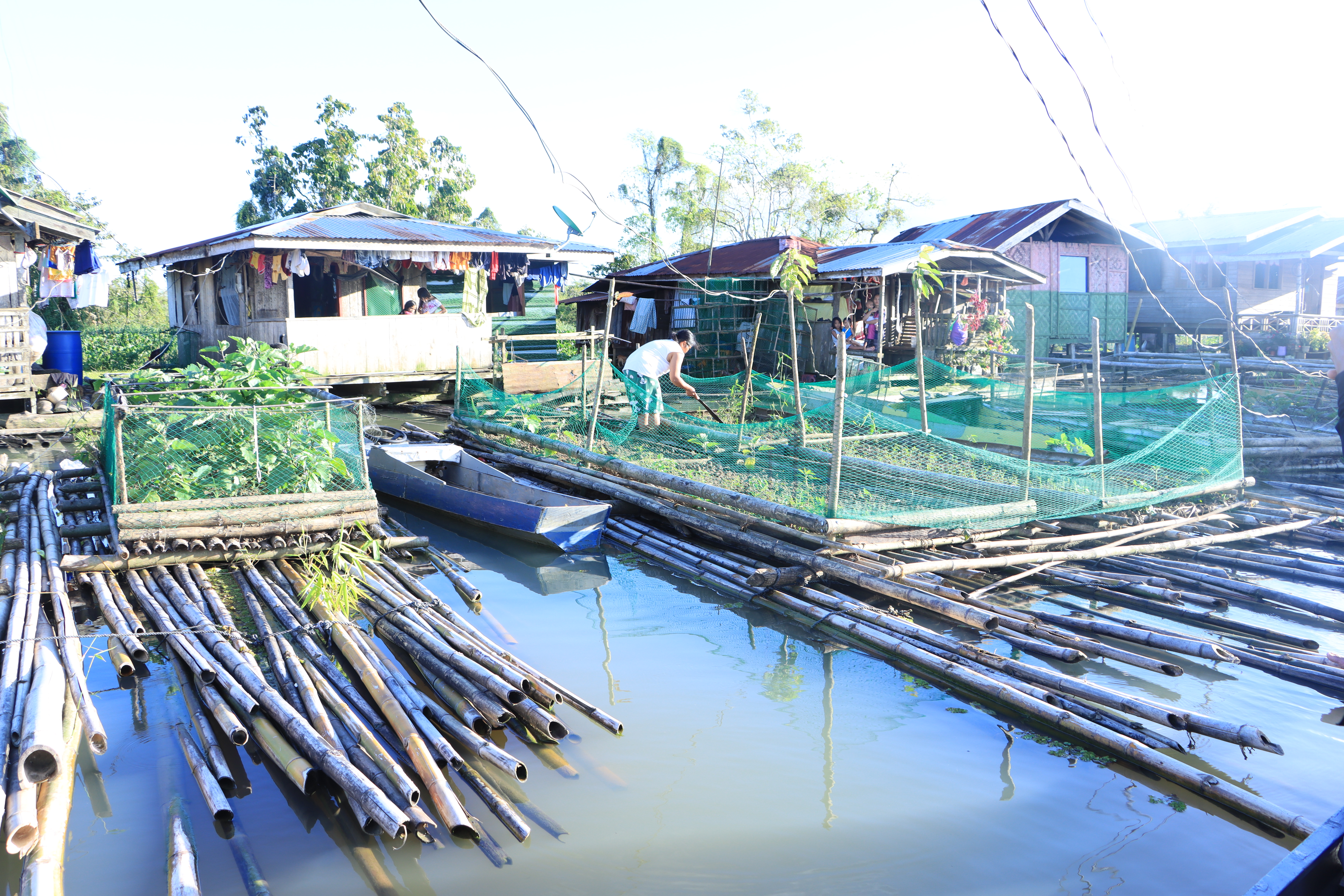
- 📍 Barangay Sabang Gibong, Talacogon, Agusan del Sur
- 🗓 2023-12-12
- 📷 Romer Amante
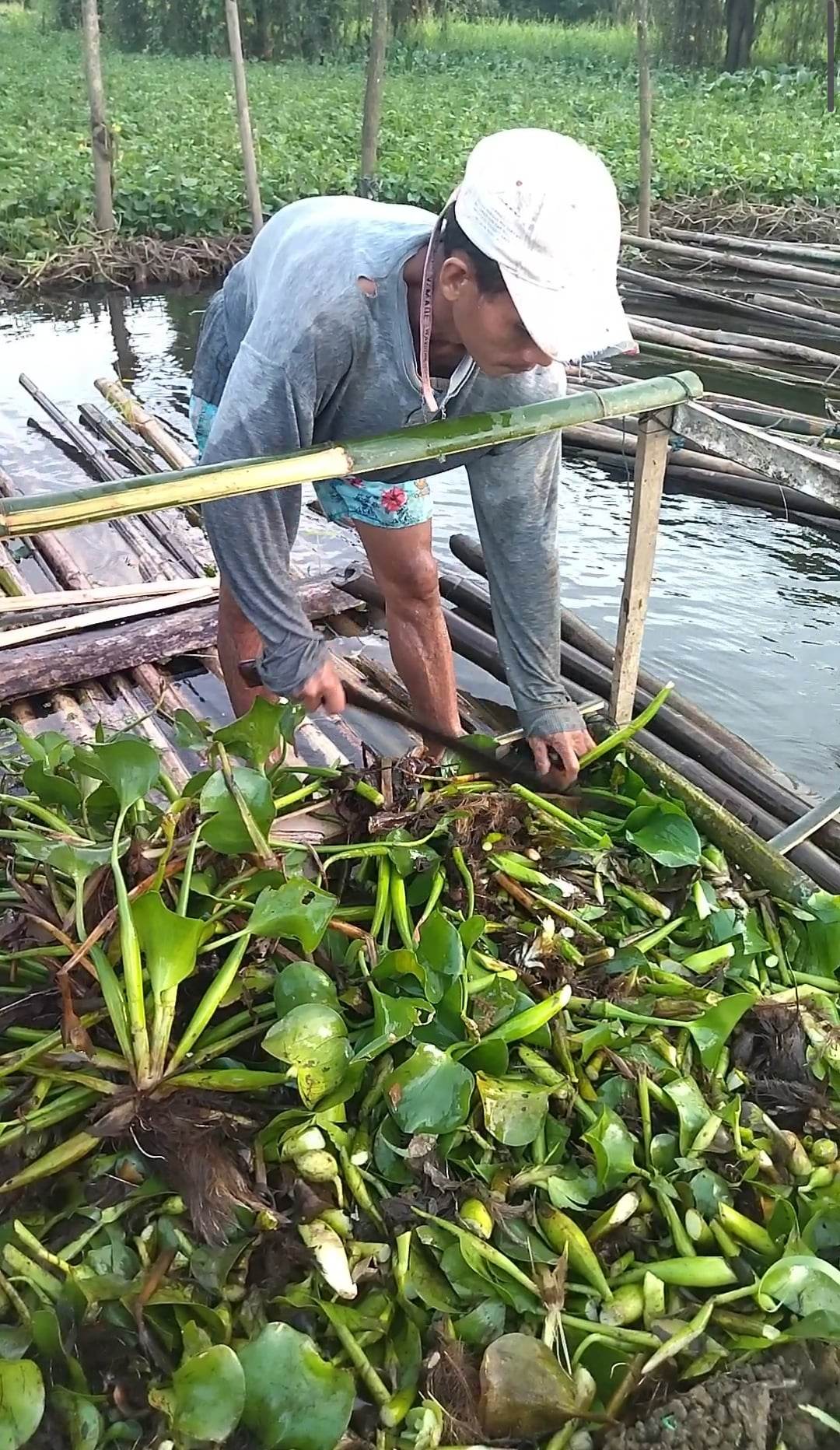
- 📍 Brgy. Sabang Gibong, Talacogon, Agusan del Sur
- 🗓 2023-12-12
- 📷 Romer Amante
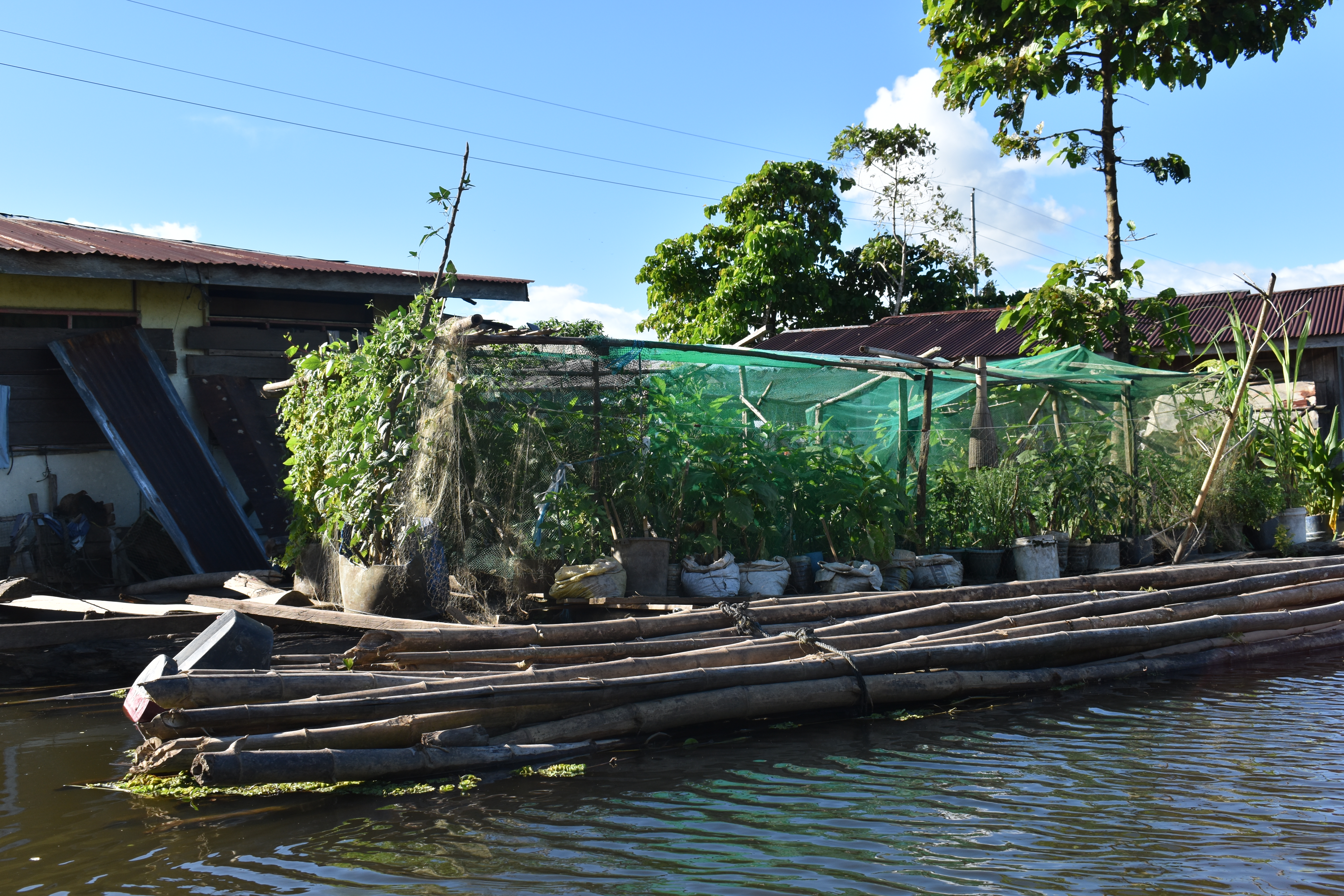
- 📍 Barangay Sabang Gibong, Talacogon, Agusan del Sur
- 🗓 2023-12-12
- 📷 BSWM-SCMD