
Transforming a coconut monocrop into a multi-storey food forest
Type: Technologies
Creation: 2024-10-30 11:31 Updated: 2024-12-01 15:03
Compilers: Praveena Sridhar
Reviewers: William Critchley, Joana Eichenberger
Country/ region/ locations where the Technology has been applied and which are covered by this assessment
- Country: India
- Region/ State/ Province: Tamil Nadu
- Further specification of location (e.g. municipality, town, etc.), if relevant: Pollachi
- Map: View Map
Description of the SLM Technology
Short description of the Technology
Transforming a monocrop coconut farm into a resilient food forest can sustainably enhance soil health, biodiversity and productivity while reducing labour and external input requirements. This demonstrates the potential to increase yields and provide long-term economic and ecological stability for farmers.
Detailed description of the Technology
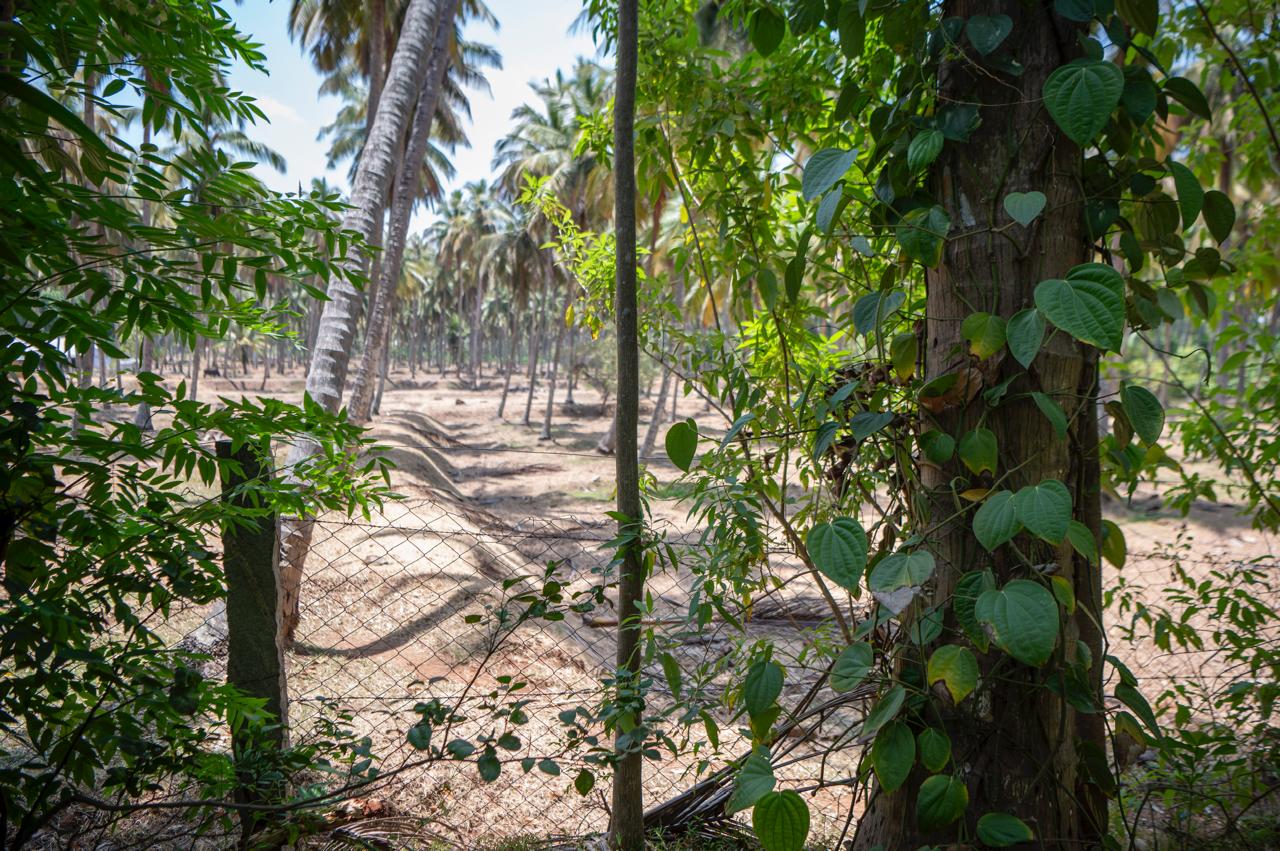
Transforming a monocrop coconut farm into a resilient food forest can sustainably enhance soil health, biodiversity, and productivity while reducing labour and external input requirements. This demonstrates the potential to increase yields and provide long-term economic and ecological stability for farmers. Experience was gained from implementation in 2008 on a monocrop coconut farm in Pollachi, Tamil Nadu. The stages were as follows:
1) Rainwater management: Trenches were dug throughout the farm to retain rainwater and prevent runoff, thus enhancing soil moisture. This was critical given the limited rainfall in the region. A drip irrigation system was installed for efficient watering.
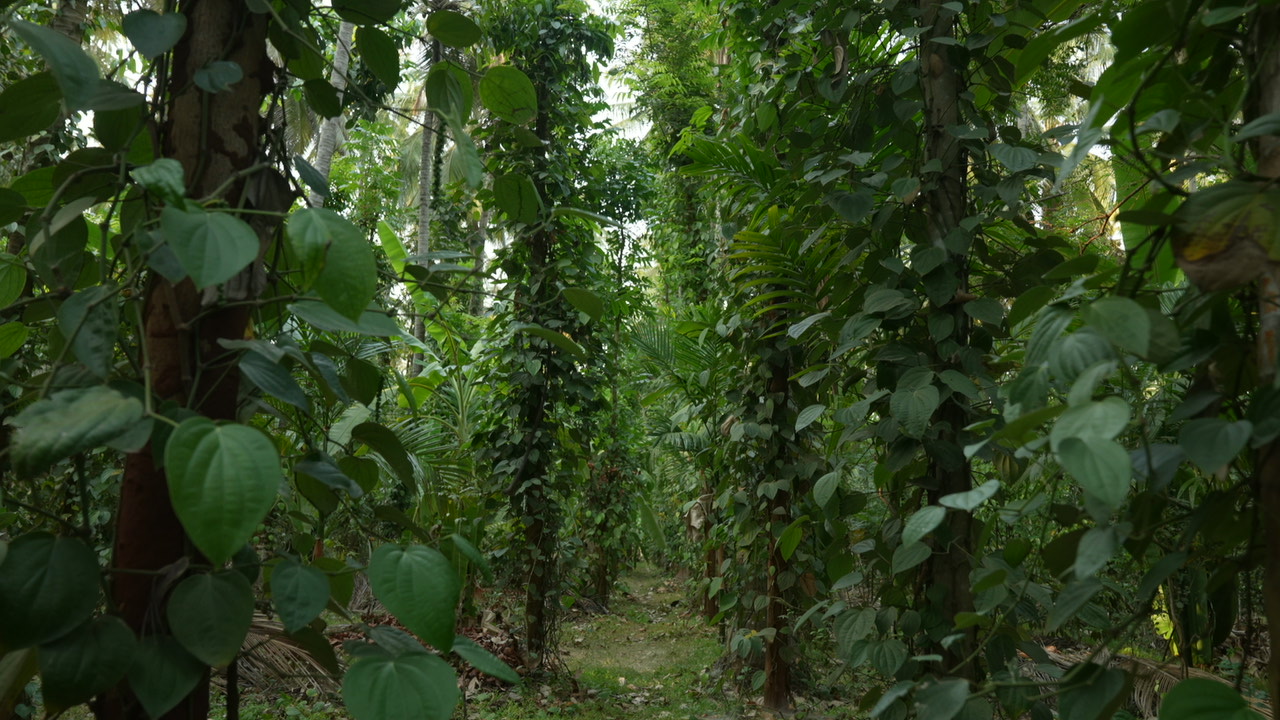
2) Plant diversity: Various crops were introduced. Nutmeg, intercropped among coconut trees, provides 3 - 4 times the income of coconuts after 15 to 20 years. Timber trees extract micronutrients from deeper soil layers via deep tap roots: micronutrients are concentrated in the leaves which are used as mulch to enrich the soil nutrient profile. Banana and papaya provided early income, shade for plants, and added biomass. This diversity also ensures a steady income, reducing dependency on external markets.
3) Biomass and soil fertility improvement: Fast-growing crops were planted to generate additional biomass. Leaves were pruned and added to the water-retaining trenches as mulch. Nitrogen-fixing plants were cultivated extensively to improve soil fertility, eliminating the need for chemical fertilizers.
4) Mulch and bio-input application: Mulch in the trenches was decomposed by the bio-inputs from Cows (Earlier 2, now 1) applied via drip lines, which increased soil organic matter through enhanced microbial decomposition. The irrigation and sprinklers were used judiciously to achieve soil moisture rather than over-watering, as trees primarily needed stable moisture conditions.
5) Minimal maintenance approach: After establishing this system, the farm required minimal maintenance. There was no need for tilling, weeding, or other intensive practices, just monitoring of, and maintaining, moisture levels. This low-maintenance approach reduces farmers’ workloads and improves their quality of life.
6) Enhanced biodiversity and pest management: To further enhance biodiversity, flowering plants to attract pollinators and predatory insects can be planted along the farm's boundaries - though this was not done at this particular site. Nonetheless, the increased biodiversity already fostered here brought in earthworms, birds, and beneficial insects for natural pest management.
After 12 years of minimal maintenance, soil organic matter content increased from 0.5% to 3.36%, and both production quantity and quality increased. The farm retained high soil moisture despite periods of low rainfall. Land users liked the use of minimal inputs, crop diversification as a financial safety net, and the visible impact on soil health and yield, as well as the increase in land value. There was initial fear about time and money invested and doubts about the feasibility of a technology that challenged the status quo of the region. Digging trenches and planting saplings were physically demanding. The initial pest pressure was also a concern before a stable ecosystem was established. The transformation of this coconut monoculture into a diverse food forest has demonstrated a sustainable model of enhanced resilience, productivity, and biodiversity. This model can be replicated across similar regions to help minimize labor and improve farmers’ livelihoods while restoring land and ecosystems.
Photos of the Technology
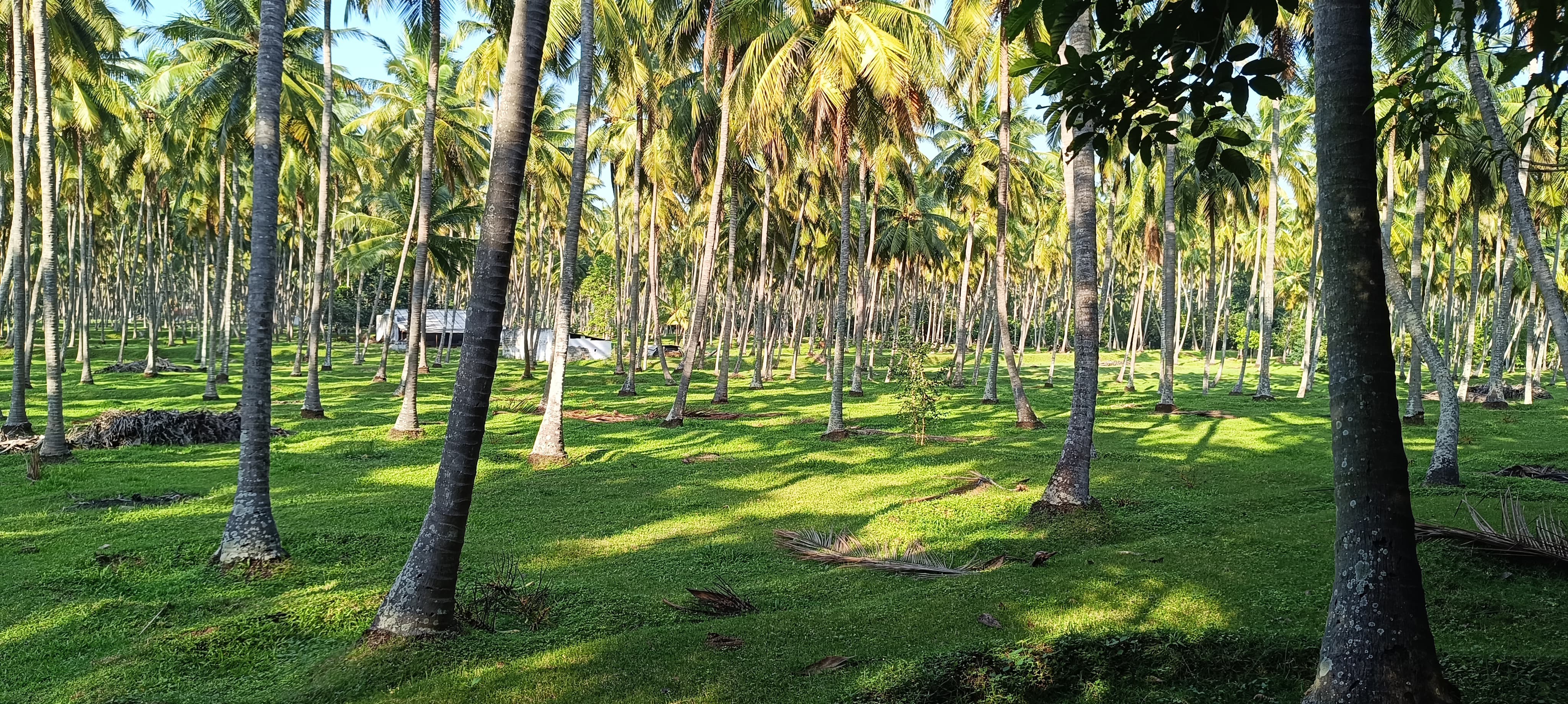
- 📍 Pollachi, Tamil Nadu
- 📷 Save Soil Media team
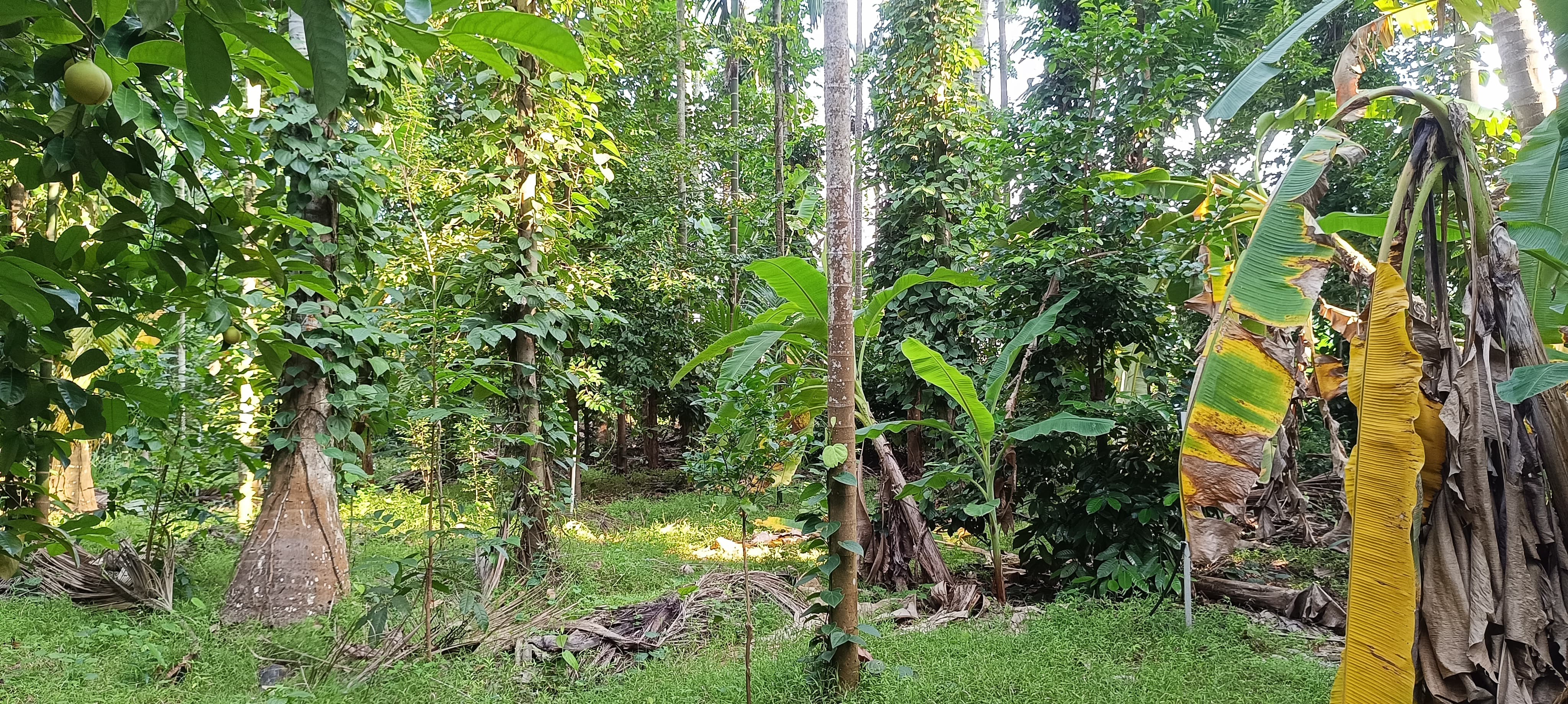
- 📍 Pollachi, Tamil Nadu
- 📷 Save Soil Media team
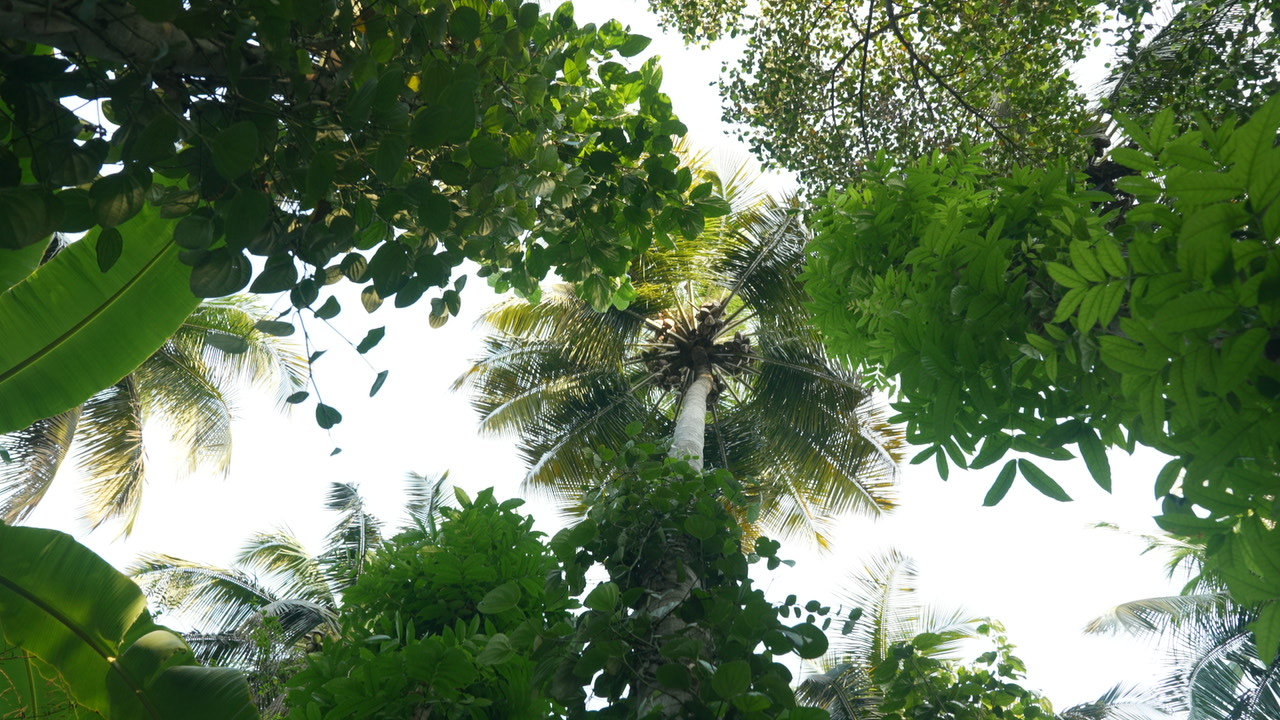
- 📍 Pollachi, Tamil Nadu
- 🗓 2024-05-04
- 📷 Save Soil Media team
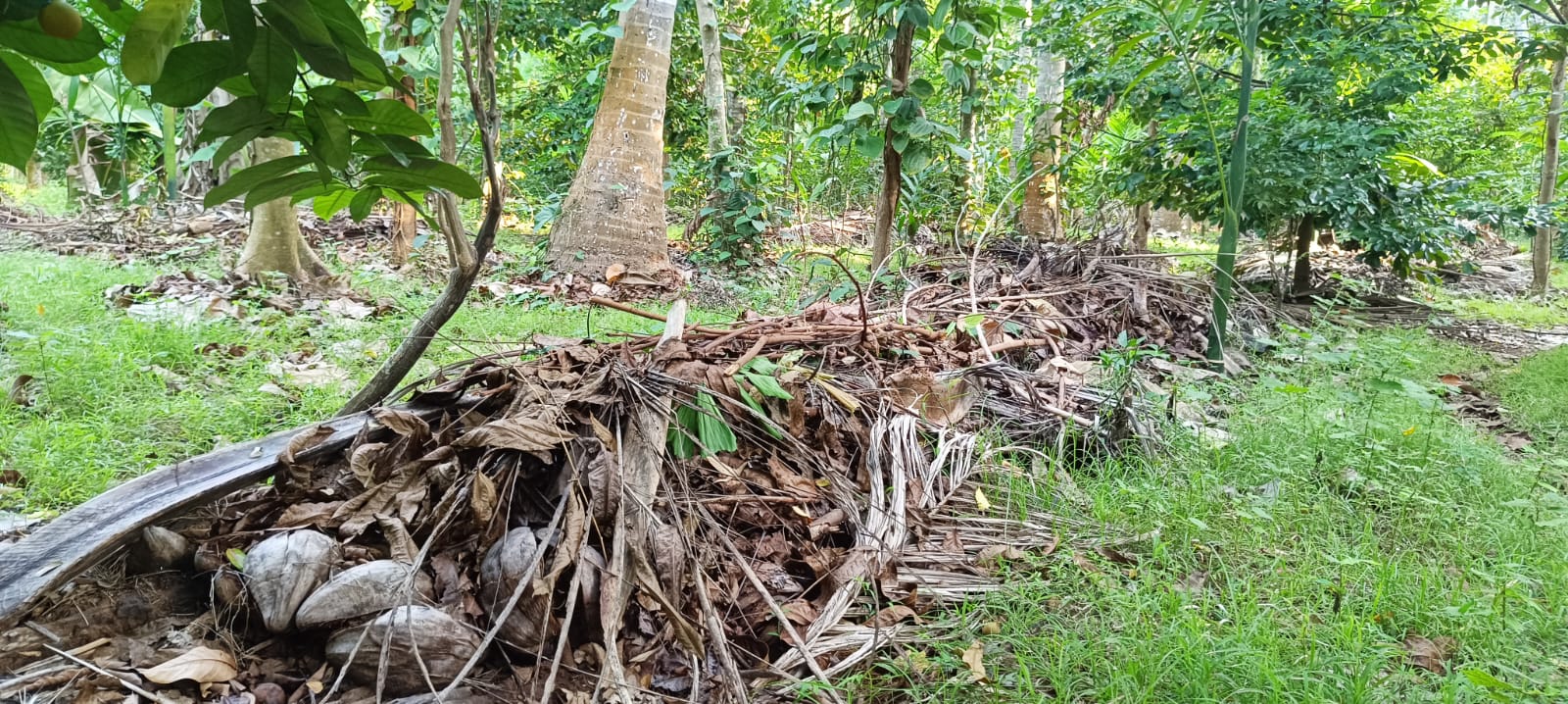
- 📍 Pollachi, Tamil Nadu
- 📷 Save Soil Media team
- 📍 Pollachi, Tamil Nadu
- 🗓 2024-05-04
- 📷 Save Soil Media team
- 📍 Pollachi, Tamil Nadu
- 🗓 2024-05-04
- 📷 Save Soil Media team
- 📍 Pollachi, Tamil Nadu
- 🗓 2024-05-04
- 📷 Save Soil Media team