
Reseeding local fodder species in Bamyan rangelands using indigenous and scientific methods
Type: Technologies
Creation: 2024-11-13 07:26 Updated: 2025-05-06 13:36
Compilers: Gul Nabi Khan Noorani
Reviewers: Rima Mekdaschi Studer, Illias Animon, Muhammad Ishaq Safi
Country/ region/ locations where the Technology has been applied and which are covered by this assessment
- Country: Afghanistan
- Region/ State/ Province: Bamyan
- Further specification of location (e.g. municipality, town, etc.), if relevant: Punjab and Yakawalang districts
- Map: View Map
Description of the SLM Technology
Short description of the Technology
Artificial reseeding is a key method for restoring degraded rangelands. It involves reintroducing native, palatable fodder species to improve vegetation cover, soil health, and biodiversity. This process boosts forage for grazing animals, stabilizes soil, and helps combat desertification, enhancing ecosystem health and productivity.
Detailed description of the Technology
The project “Community-based sustainable land and forest management in Afghanistan”, implemented by FAO with the financial support of GEF, aims to conserve vegetation cover and ecosystems through introducing community-based sustainable land and forest management (SLM/SFM) practices in rangeland and forest areas within five targeted provinces, including Bamyan. The project introduced an integrated, community-based approach of SLM/SFM in Afghanistan for promoting biodiversity conservation, climate change mitigation, and rangeland productivity.
To enhance rangeland productivity in Bamyan province, artificial reseeding of native, locally adapted, and drought-resistant fodder species plays a vital role in restoring health and productivity of the degraded rangeland ecosystem, improving soil quality, and increasing fodder availability for livestock, which contributed to local livelihoods and environmental resilience.
Communities carefully identify highly vulnerable and degraded rangelands for reseeding initiatives. These include previously rain-fed wheat fields cultivated for human consumption, overgrazed sites, and areas with restricted grazing to support vegetation recovery before reseeding. Attention is also given to areas prone to snow avalanches and flash floods causing landslides and soil erosion, which impact downstream residential areas, irrigation systems, trails, roads, and farmlands. These zones are prioritized and mutually agreed upon for reseeding and restoration efforts.
This reseeding local fodder species technology involves several key activities.
1. Identification of locally adapted drought-resistant and palatable fodder species by livestock owners and land users.
2. Identification of highly producing areas of selected fodder species to collect quality seeds.
3. Defer grazing and delay fodder harvest for the purpose of seed maturity in the targeted area.
4. Awareness raising about the maturity stages of different fodder species seeds: Through project intervention and awareness campaigns, rural residents have gained a better understanding of the seed ripening, collecting, and cultivation stages.
5. Collecting, drying, and storing seed: The fodder species’ seeds are collected manually by hand. These fodder species produce longer main stems with inflorescence and spikelets on the top at an average person's breast height. Collected seed is brought to the storing facility and laid out under sunlight for drying. Once seed reaches a certain moisture content, it's stored in a cool and dry place until the day of reseeding under the direct supervision of the rangeland management association (RMA).
6. Season of reseeding local fodder seed: Reseeding activities typically begin in the autumn season, just before the first snowfall. Seeds remain in the soil throughout the winter, allowing them to overcome dormancy and germinate in the spring of the following year. Local fodder species used for reseeding include various Fennel species and other plants traditionally relied upon for winter fodder. These include: Umbelliferae ferulus (Gheghu), Winklera silaifolia (Pali), Prangos sp. (Kami), Ferula sp. (Badran), Rheum spp. (Chukri), and Koeleria cristata (Khola), a shrub locally known as Qarghna.
7.Method of Reseeding: The spacing between seeding pits (with 2–3 seeds per pit) depends on terrain slope, fodder canopy size, and existing vegetation cover. On steeper slopes or with smaller canopies, rows and plants are spaced more closely, and vice versa. Typically, rows are spaced 1–1.5 meters apart, and two plants are placed 40–60 centimeters apart.
Pits about five centimeters deep using a hoe and shovel is dug, then seeds are placed, and the seed is covered with soil and pressed with boots.
Pit spacing is estimated by a person’s step length. One person can reseed approximately 3.5 kg of seed per day, and about 15 kg of fodder seed is required per hectare, though, this may vary depending on spacing and seed size.
The seeds are collected using the cash-for-work model. This served (i) to provide income support to poor, vulnerable men and women through short-term employment and (ii) to rehabilitate public assets (rangelands) that are vital for sustaining the livelihoods of livestock rearing. Both men and women-headed vulnerable households benefited from the cash-for-work program of seed collection. More importantly, these fodder species’ seeds are fresh, locally adapted, nutritious for livestock (help fatten livestock), available locally, and inexpensive compared to other types of fodder seed. The germination percentage of the seed and growth of the fodder is significantly high in the reseeded area.
Traditionally, rural communities knew that fodder crops grew from seeds; however, the main stems with inflorescences and spikelets were harvested before maturity and used as fuelwood for heating and cooking. Through awareness-raising campaigns and training workshops within the project, farmers were encouraged to leave the main stems intact for seed maturation, allowing for natural seed dispersal and seed collection for reseeding. The success of natural reseeding is limited compared to artificial reseeding due to several factors. In natural reseeding, seeds are often exposed and not covered by soil, making them vulnerable to environmental conditions. Moisture availability may also be insufficient for germination, and existing vegetation can compete with new growth. In contrast, artificial reseeding ensures that seeds are properly covered, protected, and placed in areas with optimal moisture, which increases the likelihood of successful germination and establishment. Recently, the demand for the local fodder seed has dramatically increased because many non-profit organizations and private businesses are purchasing these seeds. It created a new source of income for the rural communities.
The technology combines both traditional knowledge and scientific understanding, contributing to more effective restoration of the degraded rangeland ecosystem, improving soil health, and increasing fodder availability, which benefited rural communities that rely on the ecosystems for their livelihoods and enhanced their resilience.
Photos of the Technology
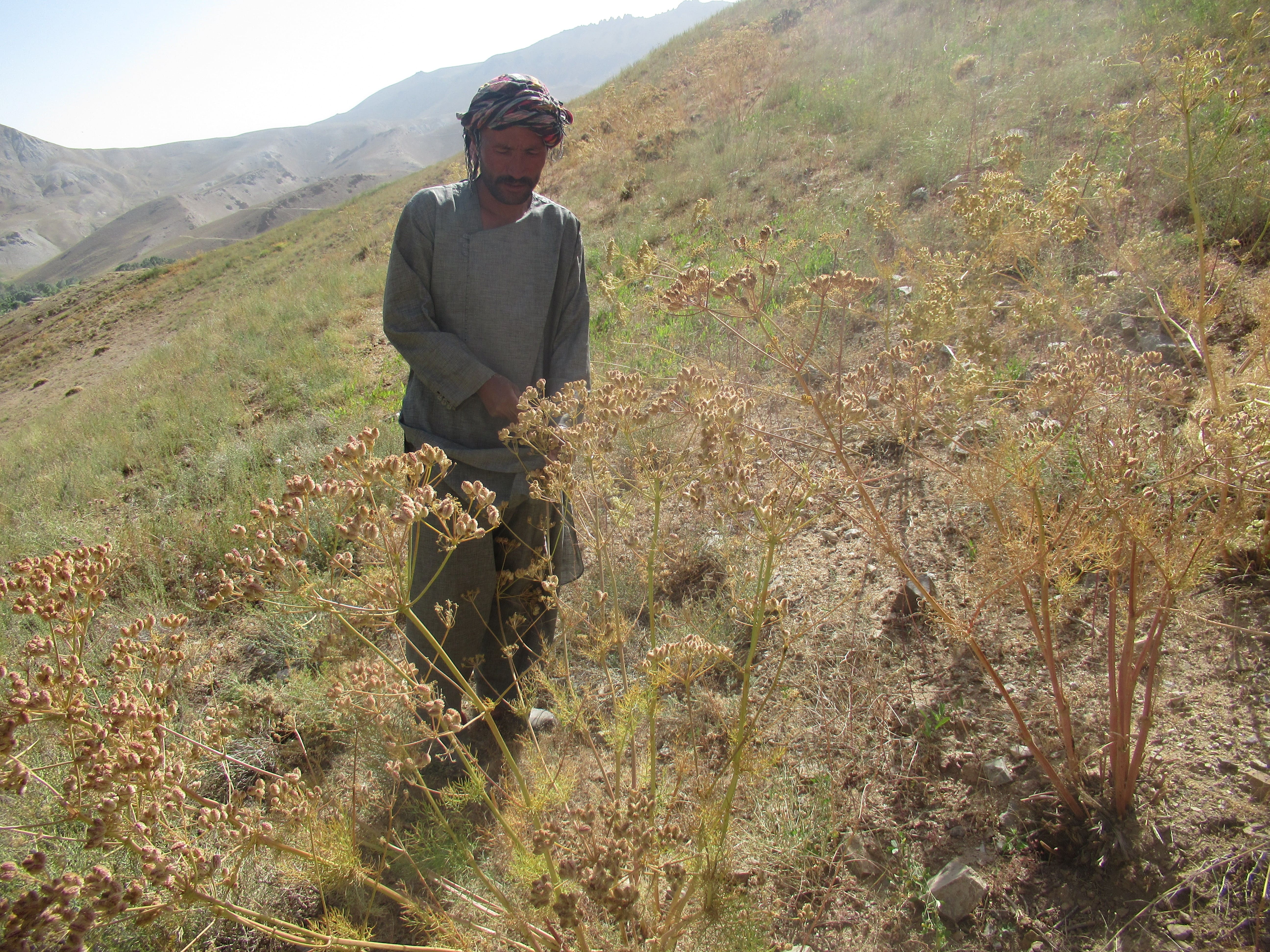
- 📍 Yakawalang district of Bamyan province
- 📷 Gul Nabi Khan
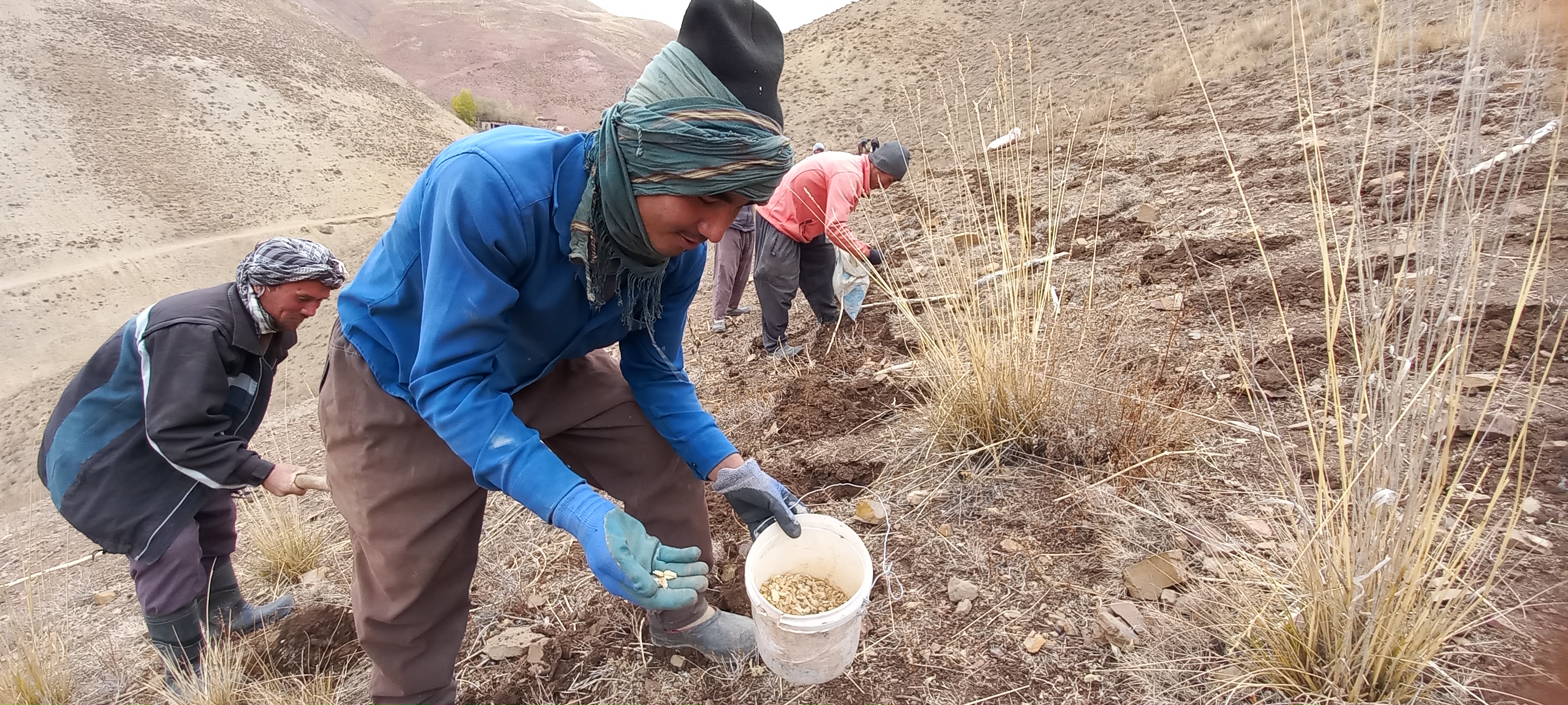
- 📍 Ghojorak Qaria Sia Punjab district Bamyan
- 📷 Gul Nabi Khan

- 📍 Punjab district, Bamyan
- 📷 Gul Nabi Khan
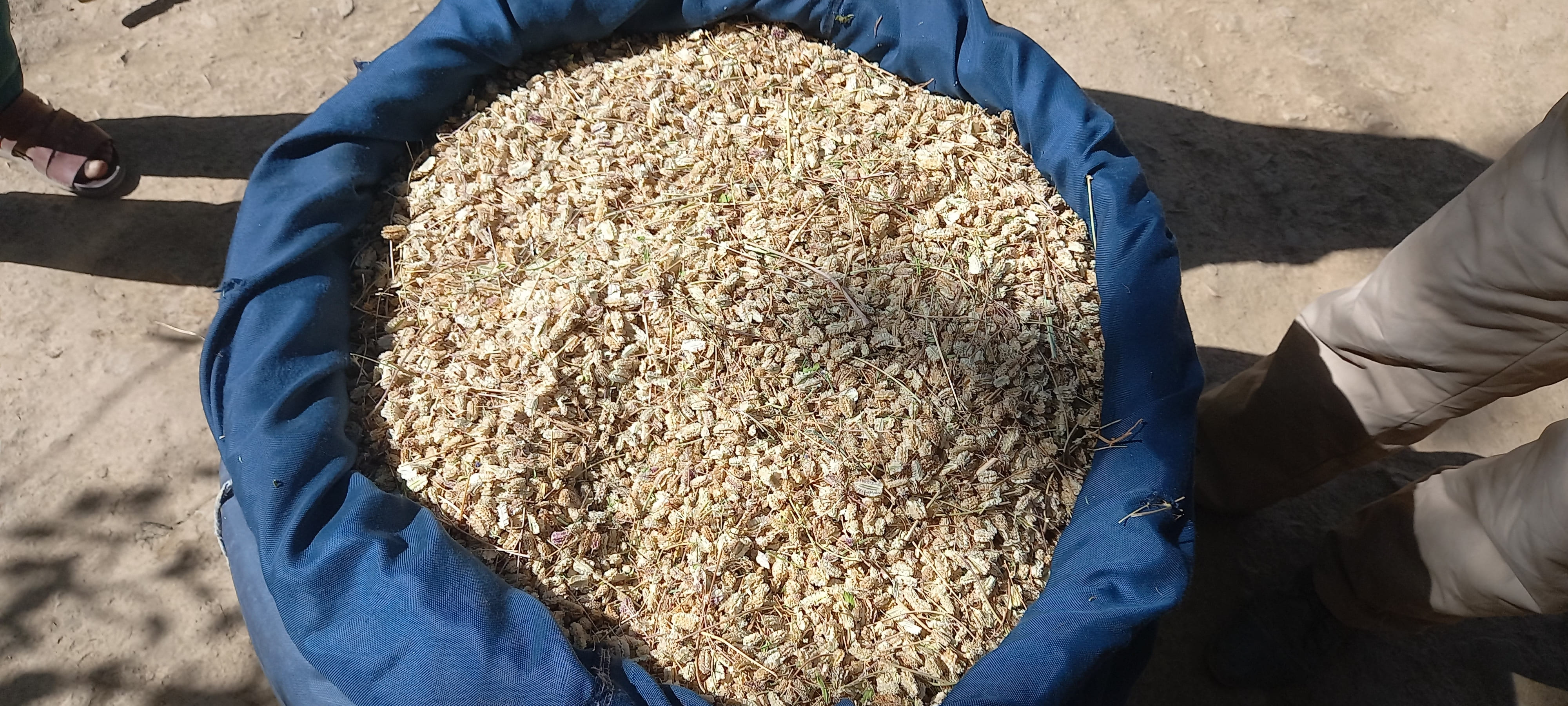
- 📍 Now Berida village related to Sayed Bacha RMA, Punjab district Bamyan
- 📷 Gul Nabi Khan