
Restoration in the High Conservation Value Forests (HCVF) through community-led initiatives in Paktya
Type: Technologies
Creation: 2024-12-09 05:30 Updated: 2025-05-07 08:48
Compilers: Mohammad Wazir Ahmadzai
Reviewers: Rima Mekdaschi Studer, Illias Animon, Muhammad Ishaq Safi
Country/ region/ locations where the Technology has been applied and which are covered by this assessment
- Country: Afghanistan
- Region/ State/ Province: Paktya
- Further specification of location (e.g. municipality, town, etc.), if relevant: Ahmad Aba and Sayed Karam
- Map: View Map
Description of the SLM Technology
Short description of the Technology
An integrated community-led initiative has been established to restore the degraded forests in Paktya province. This initiative focuses on setting up nurseries and incorporates both indigenous and scientific knowledge to cultivate climate-resilient species, such as Cedrus deodara and Pinus gerardiana. These efforts have enhanced the community’s knowledge and skills in sapling production and transplantation, leading to significant improvements in the productivity of these key species, which holds substantial ecological, social, cultural and economic values.
Detailed description of the Technology
The technology is applied in the communities of Ahmad Aba and Sayed Karam districts in the Paktya province, focusing on restoration of high conservation value forests. It is implemented through direct support of 13 Forest Management Associations (FMAs).
Key members of FMA participated in capacity building focused on community -based natural resources management (CBNRM), establishment of community-based nurseries and restoration of degraded forest .The aim of the capacity building initiative was to enhance the ability of the associations to restore the degraded area and implement sustainable practices, particularly through establishment of community-based nurseries, production of saplings and subsequent planting of these saplings in targeted restoration sites .
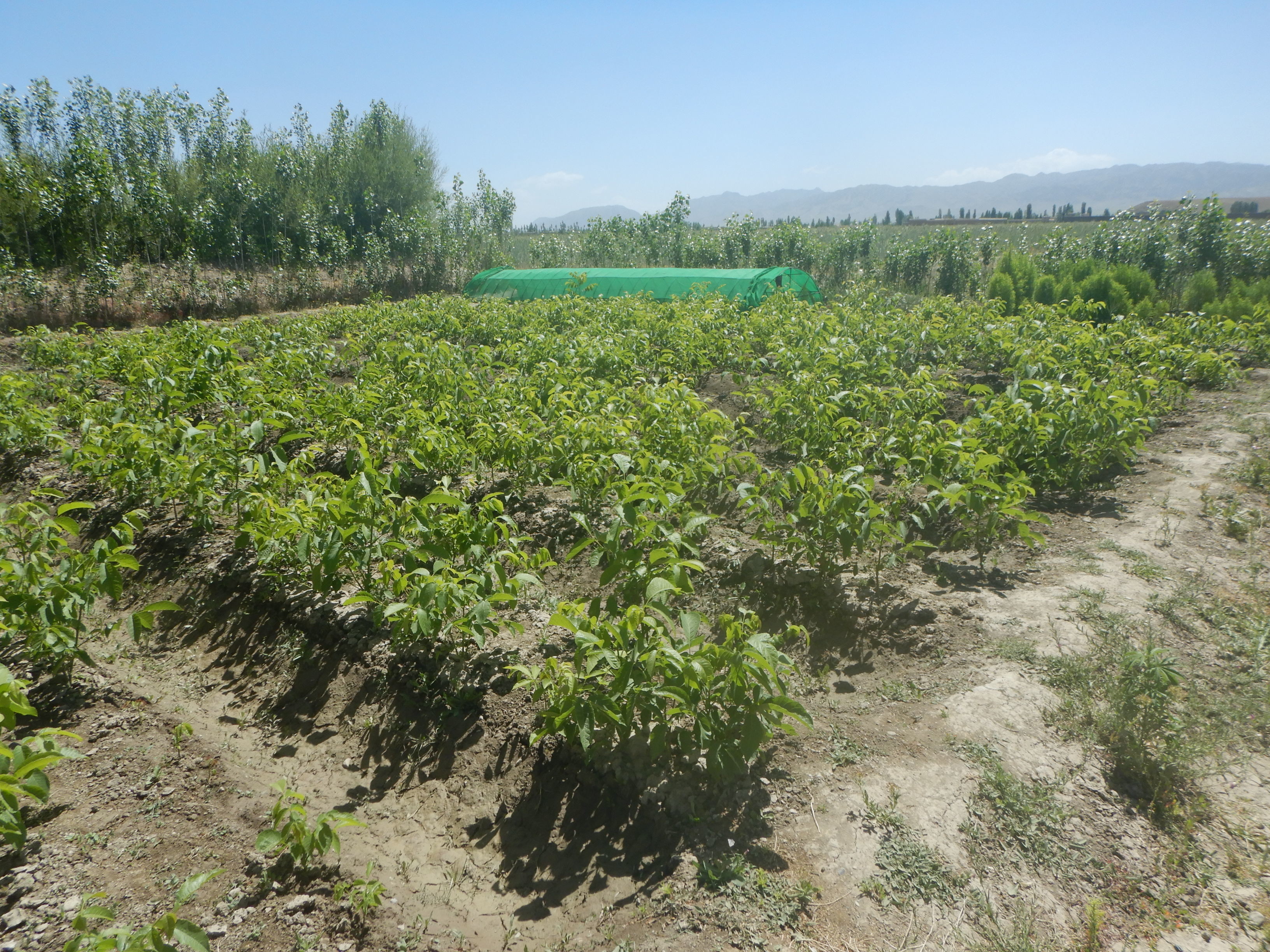
Over the past three years, 67 nurseries have been established, focusing on climate- resilient species such as Cedrus deodara, Pinus jerardiana, and Juglans regia, among others species by integrating both indigenous and scientific knowledge. Indigenous knowledge includes practices such as pre-irrigation, the use of animal-powered initial plowing with hand-held hoes, weed removal, and other traditional techniques. Scientific recommendations include improvement of sapling production, adaption of soil inoculation with Mycorrhiza, species-specific sowing methods, controlled temperature management in greenhouses, effective watering/irrigation techniques (manually and using sprinklers).
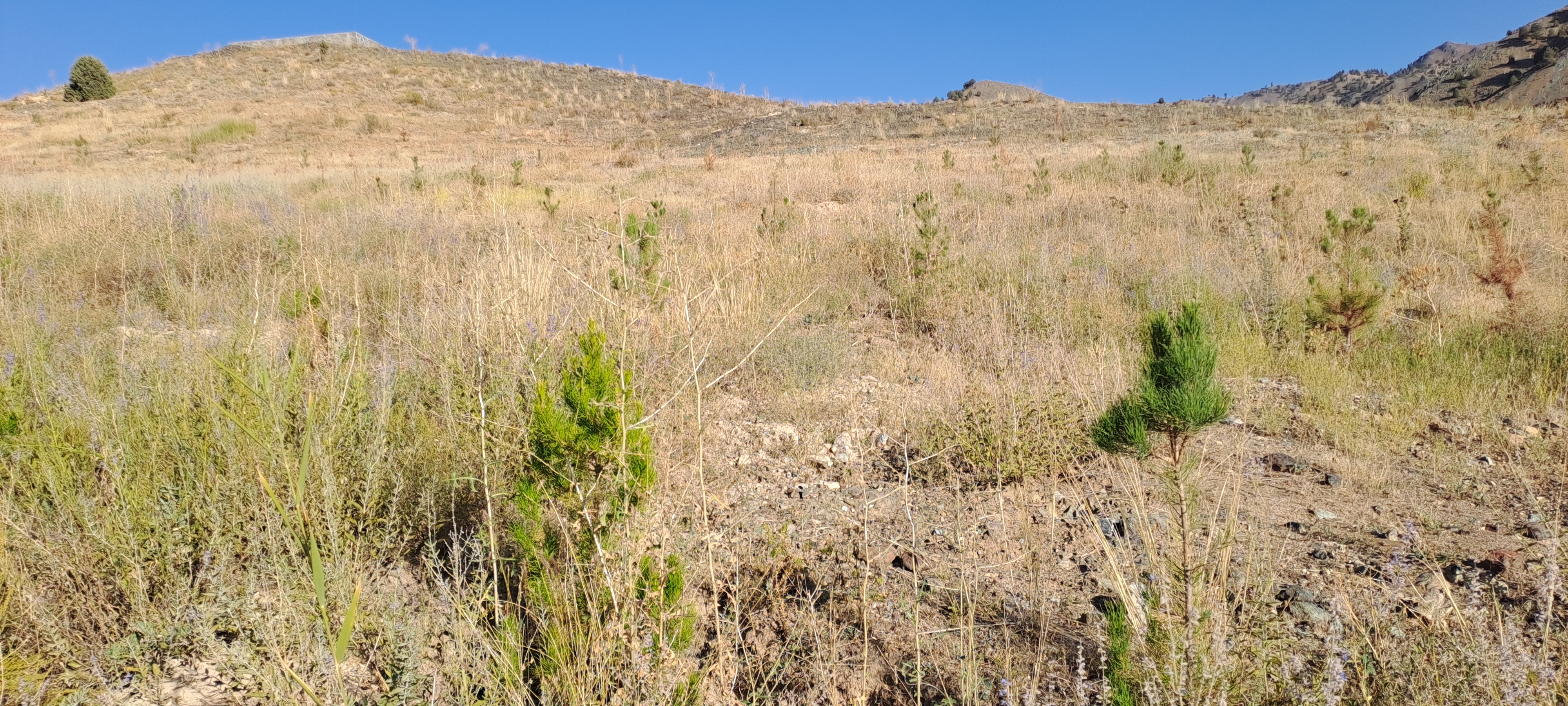
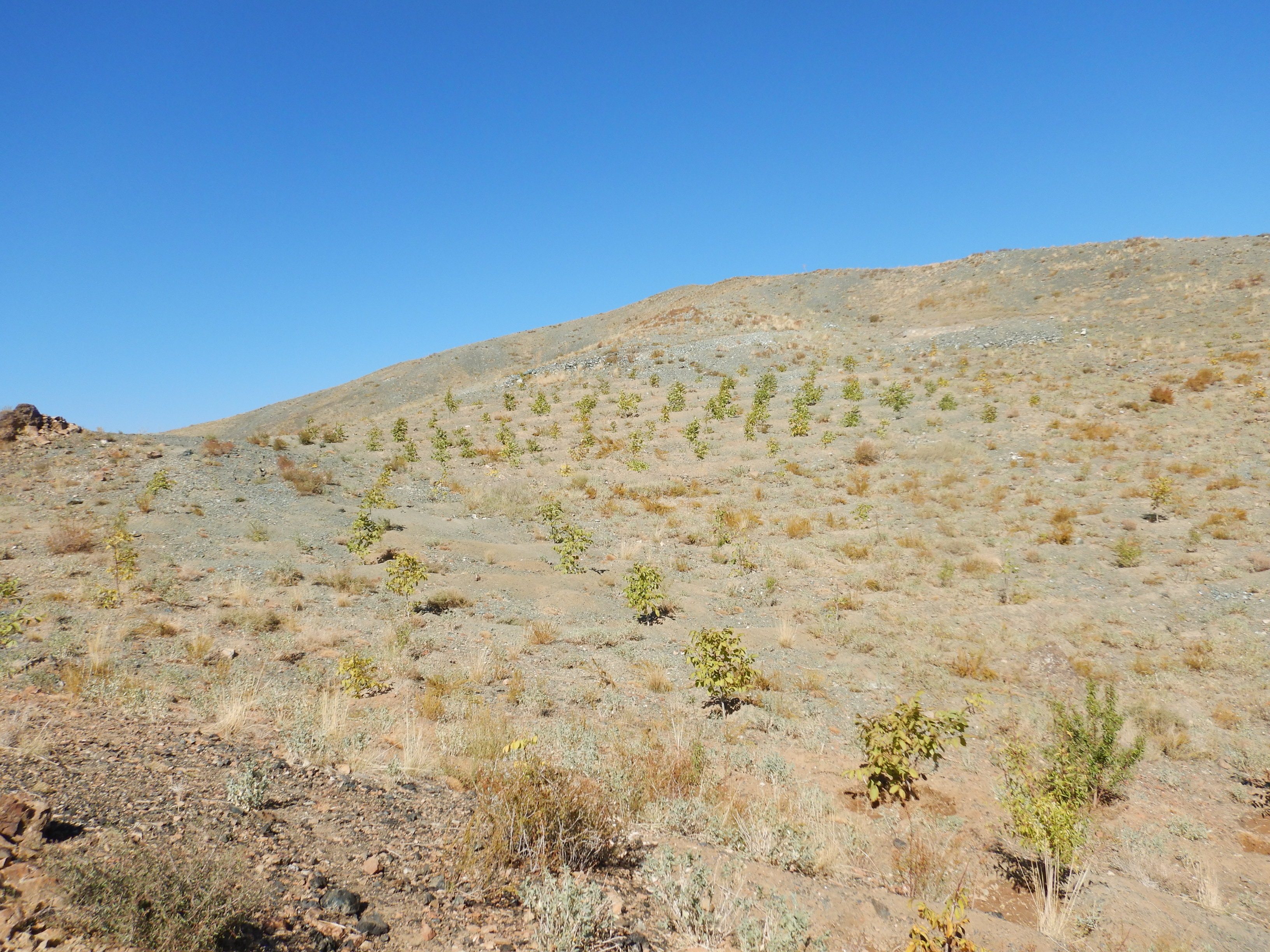
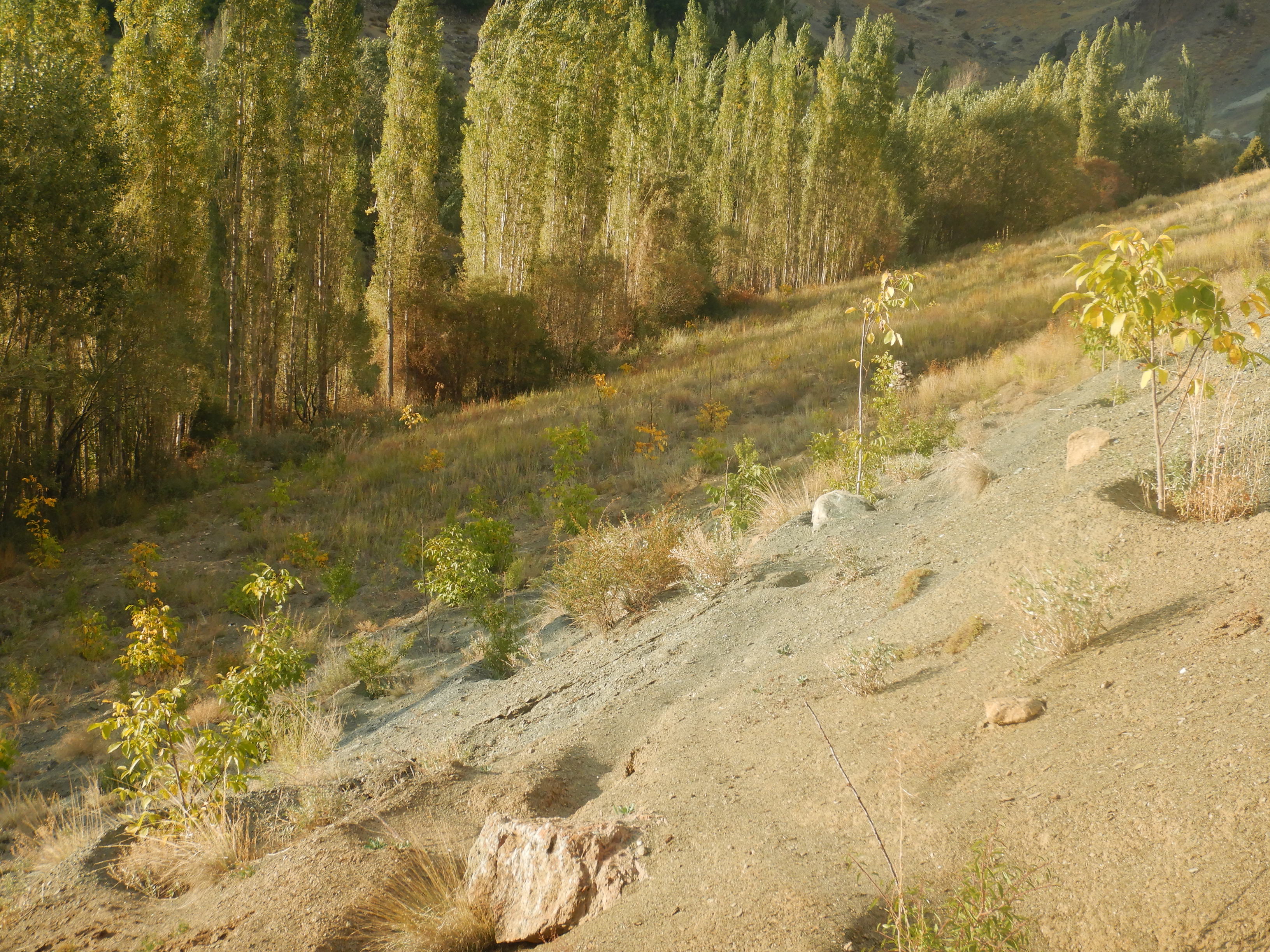
The project has significantly enhanced sapling production and transplantation for reforestation purposes. The community-based nurseries were established using carefully selected seeds, chosen based on seed quality, sowing timing, and the process of breaking seed dormancy. Saplings were then raised in the nurseries for the first 2 to 3 years until, they are ready for transplantation. These saplings are then transplanted to the degraded forest areas. The land preparation and digging of pits were carried out in the restoration sites before transplanting saplings. After transplanting, FMAs took care of the saplings. Additionally, mechanical pests and diseases control measures were employed to produce good-quality saplings in community-based nurseries. These interventions raised community awareness on forest condition and management and thereby enhanced their capacities to improve the forest cover.
Major activities include site assessment and pre-planning, selection of high conservation value tree species, site selection, technical training on site management (preparation of soil, sowing method, irrigation management, greenhouse) and capacity building of the communities and beneficiaries on nursery soil mixture preparation, breaking of dormancy using different techniques, sapling production and transplantation.
The 13 Forest Management Associations (FMAs) are the legal institutions for the management of natural resources; they hold a license for reforestation activities in degraded forests. They are officially registered with Ministry of Agriculture, Irrigation and Livestock (MAIL). FMAs are responsible for implementing the restoration measures. These communities showed commitments for the transplantation, irrigation and regular patrolling of the saplings.
The goal of the restoration efforts is to enhance the capacity of the local community on methods of in-situ and ex-situ biodiversity conservation and creation of a recreational site. It also aimed to raise the awareness towards mitigation of climate change, and ultimately improve the livelihoods of rural populations. The application of technologies offers cost-effective and eco-friendly restoration of the high conservation value forest especially of pine (Pinus jerardiana) and deodar (Cedrus deodara). Additionally, it provided work opportunities and income generation for 100 families. The technology is well-suitable for replication and adaptation in the local context. As a result, the local community consistently produces the necessary saplings for reforestation and supplies them to the project at a reasonable cost every year.
Photos of the Technology
- 📍 Afghanistan
- 🗓 2021-11-05
- 📷 Mohammad Wazir Ahmadzai
- 📍 Sayed Karam
- 📷 Mohammad Wazir Ahmadzai
- 📍 Sayed Karam
- 📷 Mohammad Wazir Ahmadzai
- 📷 Mohammad Wazir Ahmadzai