
Learning Site to promote Sustainable Land and Forest Management Practices in Khost
Type: Technologies
Creation: 2024-12-23 11:01 Updated: 2025-10-25 06:47
Compilers: Mohammad Arif
Reviewers: Rima Mekdaschi Studer, Illias Animon, Muhammad Ishaq Safi
Country/ region/ locations where the Technology has been applied and which are covered by this assessment
- Country: Afghanistan
- Region/ State/ Province: Khost
- Further specification of location (e.g. municipality, town, etc.), if relevant: Stara Mila, Sparkai village of Baak district
- Map: View Map
Description of the SLM Technology
Short description of the Technology
The learning site incorporates several key elements of the technology including a solar-powered water lifting system, three reservoirs and an adopted irrigation system. It features demonstration plots for various initiatives, such as tree planting (walnut, almond, pomegranate and mulberry, the cultivation of fodder (alfalfal Mazari palm) and and medicinal plants (e,g, cumin), and a nursery (walnut) established through the community’s own contributions.
Detailed description of the Technology
The site was rich in flora and fauna, but human and animal interference has led to significant degradation. Many indigenous plants have been uprooted, and wildlife has migrated due to the loss of habitat. In response, the community has begun to manage and restore the land through practices like rotational grazing and quarantine measures to combat illegal logging. The degradation of natural resources, particularly forests and rangelands, has significantly impacted local communities in Khost. Many residents rely on these resources for fuel, heating, and grazing livestock. However, challenges such as overgrazing, the uprooting of bushes and shrubs, and deforestation for fuel have led to considerable environmental degradation. The lack of proper management of these natural resources has resulted in consistent flooding, which erodes and pollutes agricultural lands. Additionally, local communities often do not recognize the value of these resources, leading to unsustainable land-use practices. Poverty, ongoing conflicts, political instability, and unemployment have driven residents to cut down trees for sale in local markets to support their livelihoods.
To address these challenges, we conducted a participatory assessment involving local communities and stakeholders, aiming to establish a learning site for sustainable land and forest management practices. Our assessment revealed that many local residents were unaware of sustainable practices or the ecological significance of these resources, contributing to ongoing environmental degradation.
After assessing the natural resources and community needs, we established a learning site for sustainable forest and rangeland management. Feasibility studies helped us identify available water sources, assess community interest, and select suitable land next to forests and rangelands. The site selected is easily accessible, located about 10 kilometers from the main road.
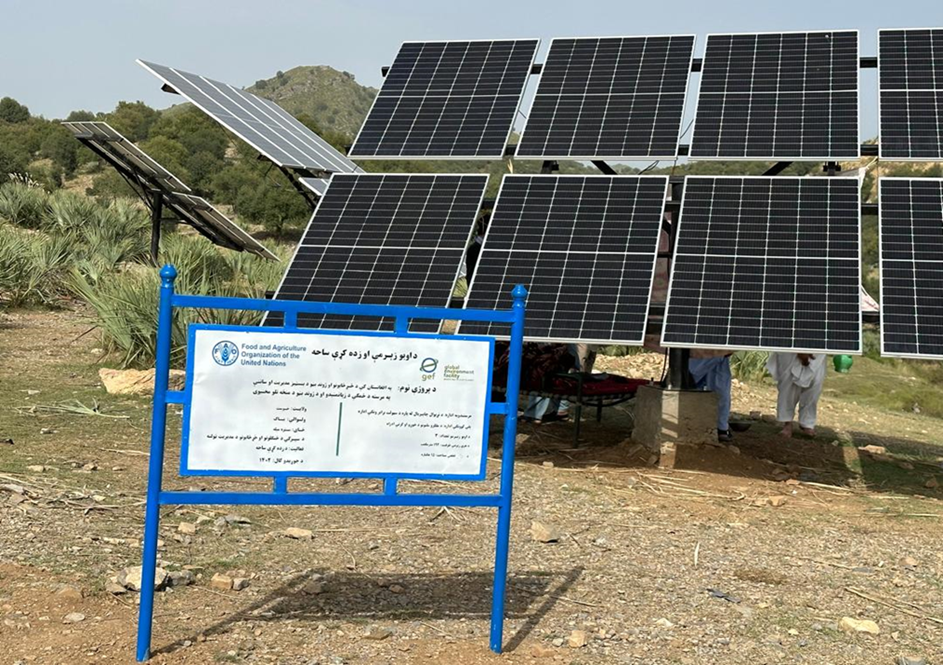
In the initial phase, we installed 26 solar panels on three metal stands, each with a capacity of 400 watts, positioned 200 meters from the water source. At the water source, we installed a 2-inch submersible pump to lift water to the learning site, which encompasses approximately 20 hectares of land across three small hills, each situated 300 meters apart.
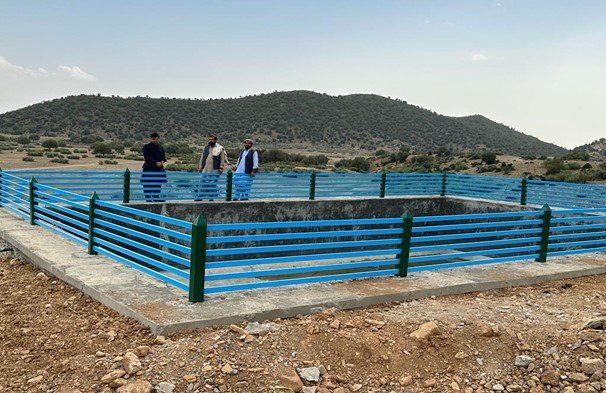
We constructed three reservoirs, each with a capacity of 192 cubic meters. The first reservoir is located 300 meters from the water source and is fed by the solar system. A pipe network system utilizing 2-inch pipes connects the water source to the first reservoir and the other two reservoirs. This system allows the reservoirs to supply water to lower fields or demonstration plots via gravity.
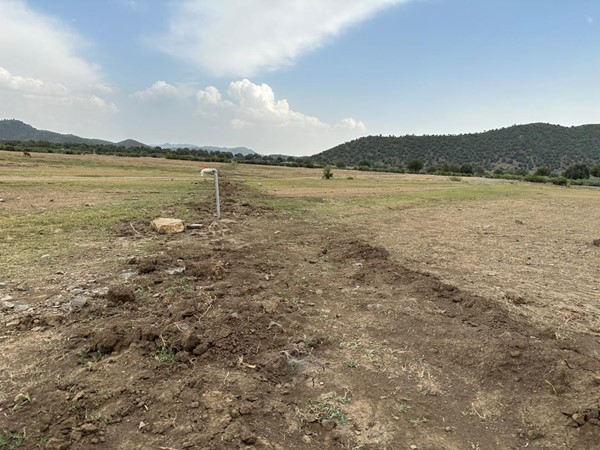
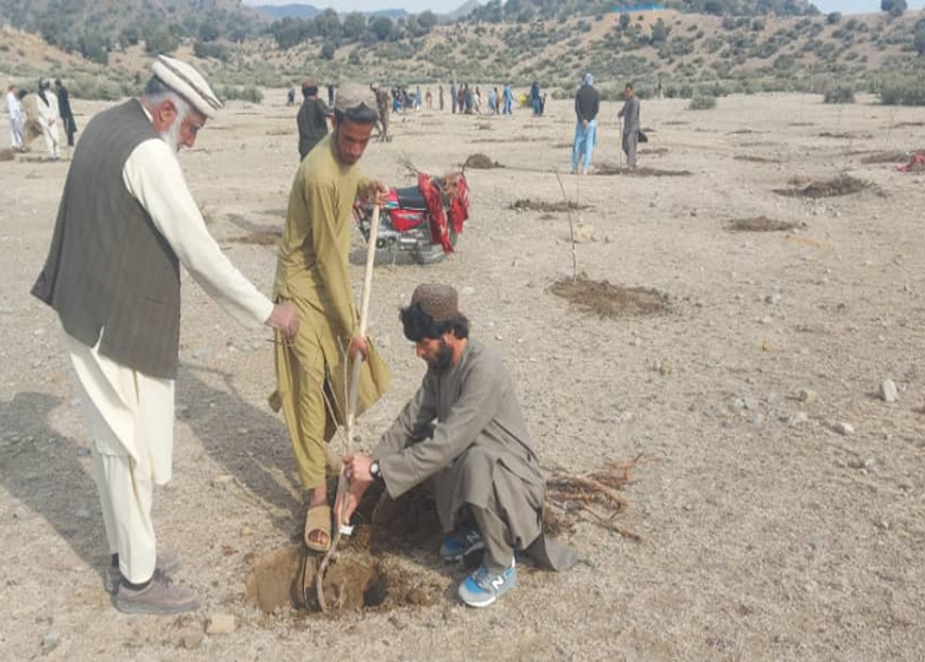
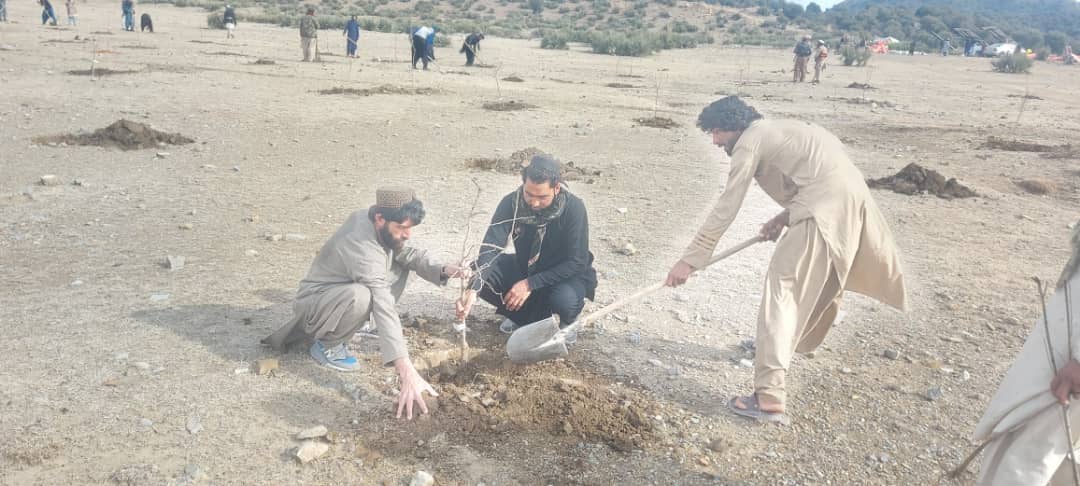
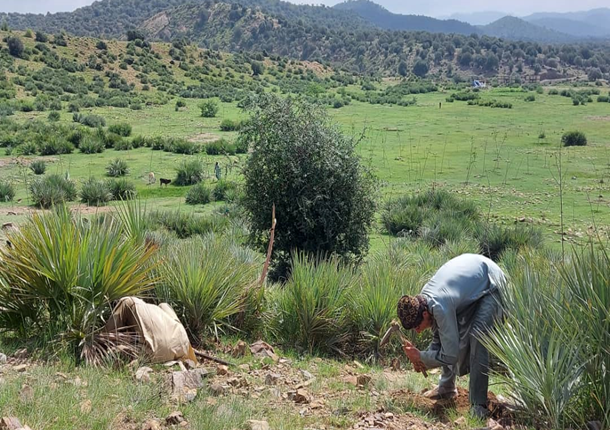
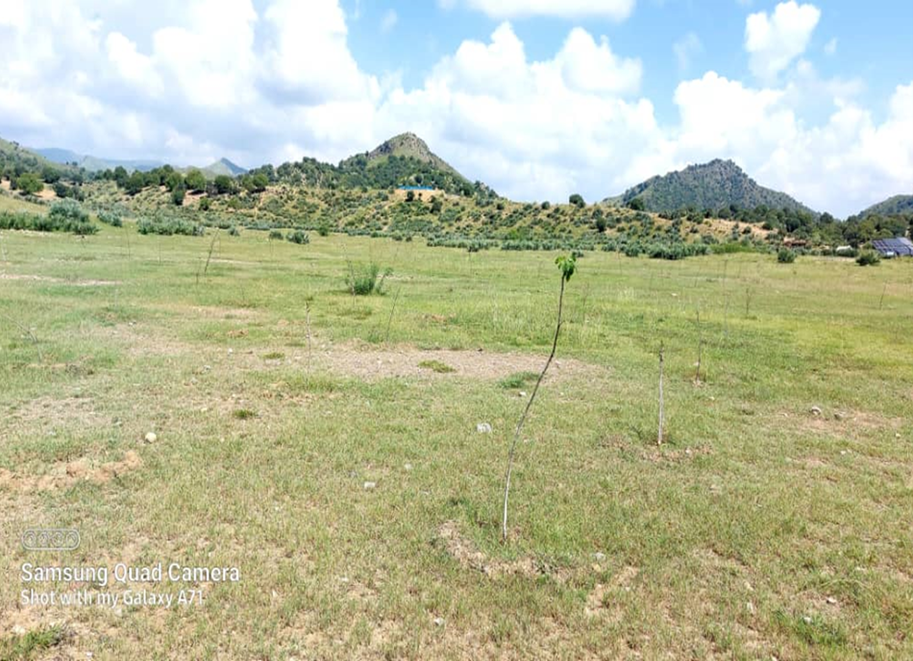
In the demonstration plots, a network of pipes was installed every 50 meters, with taps placed accordingly. We established a 20-hectare learning site focused on sustainable forest and rangeland management practices, featuring demonstration plots for reforestation, fodder and medicinal plant production, reseeding, and a forest nursery. The dimensions of these plots include 10 hectares for reforestation, 2 hectares for fodder production, 0.5 hectares for medicinal plants, and 0.1 hectares for the walnut nursery. A total of 3,000 forest species were planted in the reforestation plot, along with alfalfa and Mazari palm in the fodder plots, and black cumin in the medicinal plot.
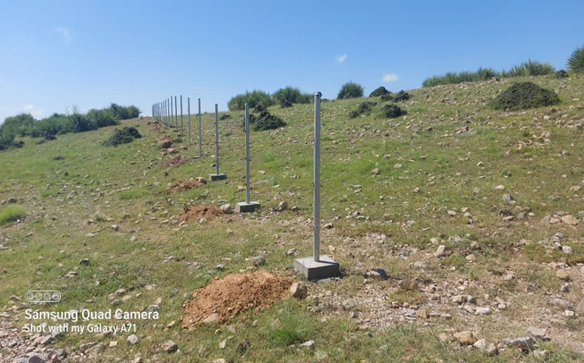
These plots are irrigated using flexible 1-inch pipes connected to the taps installed every 50 meters. Given Khost Province's favorable weather conditions, the plants require irrigation primarily from April to August; outside of this interval, the irrigation system provides sufficient water to sustain the site. The site were fenced with barbed wire for protection.
The technology is applied to communal land adjacent to forests and rangelands. It serves as an educational center for the local community, focusing on sustainable landscape restoration and management. A savings box was created, and a Forest and Rangeland Management Association was established. Social funds were set up, along with fencing and hiring guards for the maintenance of the technology.
Key infrastructure was established, including a solar-powered lifting system, constructed reservoirs, and a piping network for irrigation. Various forest species were planted in reforestation plots, while local seeds were planted in fodder and medicinal plots. Additionally, walnut seeds were sown in a nursery for diverse restoration practices. These efforts have revitalized the land. Barbed wire fencing was installed for protection, and the site is now fully operational as a learning site.
The introduction of this technology led to positive changes in the local community. They have successfully quarantined forest and rangeland, implemented rotational grazing, and collected local seeds and cuttings to plant on degraded lands and riverbanks. Community-based nurseries were also established to transplant seedlings into degraded forest areas, helping to revitalize natural resources.
The local community is optimistic about the technology, particularly the reservoir construction and solar-powered lifting systems that ensure water availability, as well as the restoration techniques employed. However, they expressed concerns about interference from neighbors, livestock grazing, floods that can clog pumps, and damage from hail and windstorms to solar panels.
Photos of the Technology
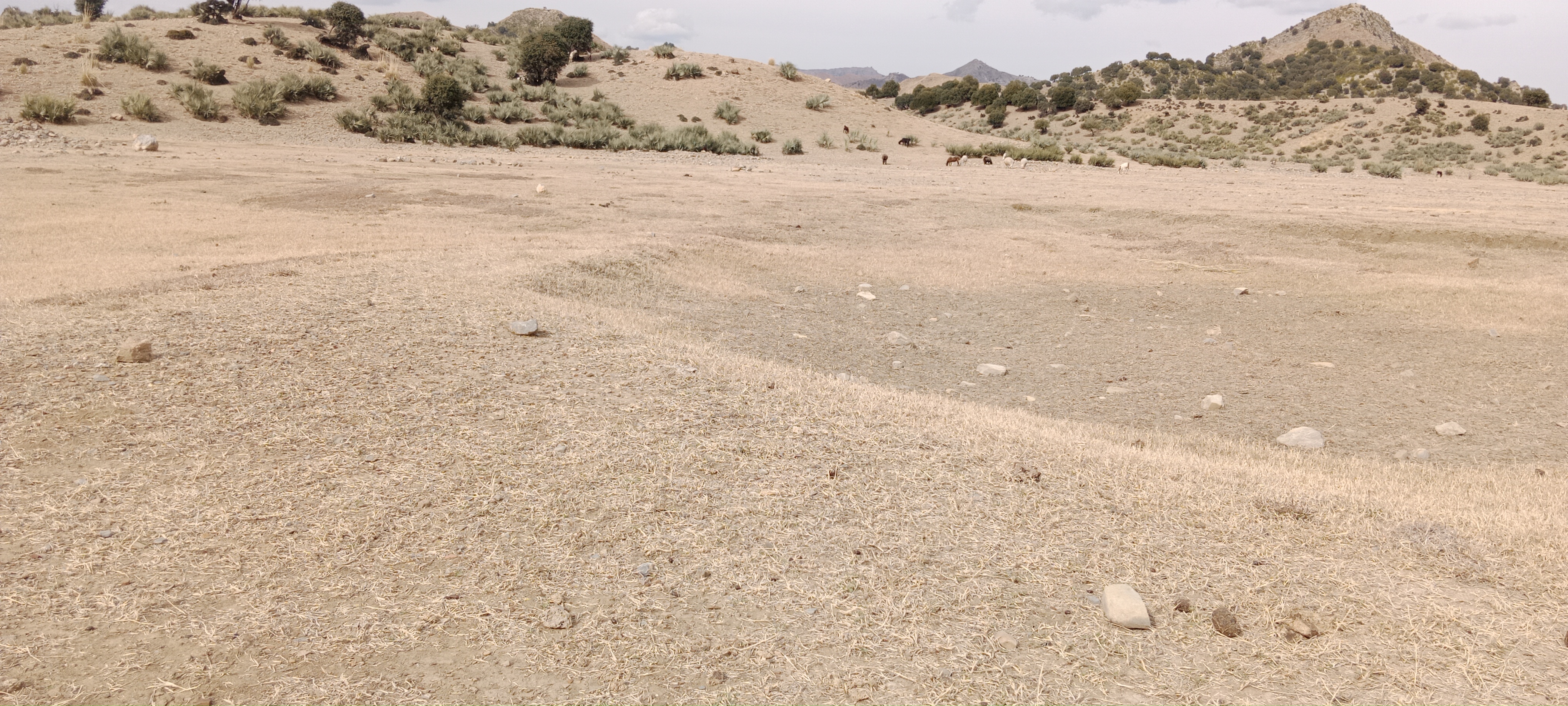
- 📍 Stra Mila, Sparkai village of Baak district- Khost
- 📷 Mohammad Arif
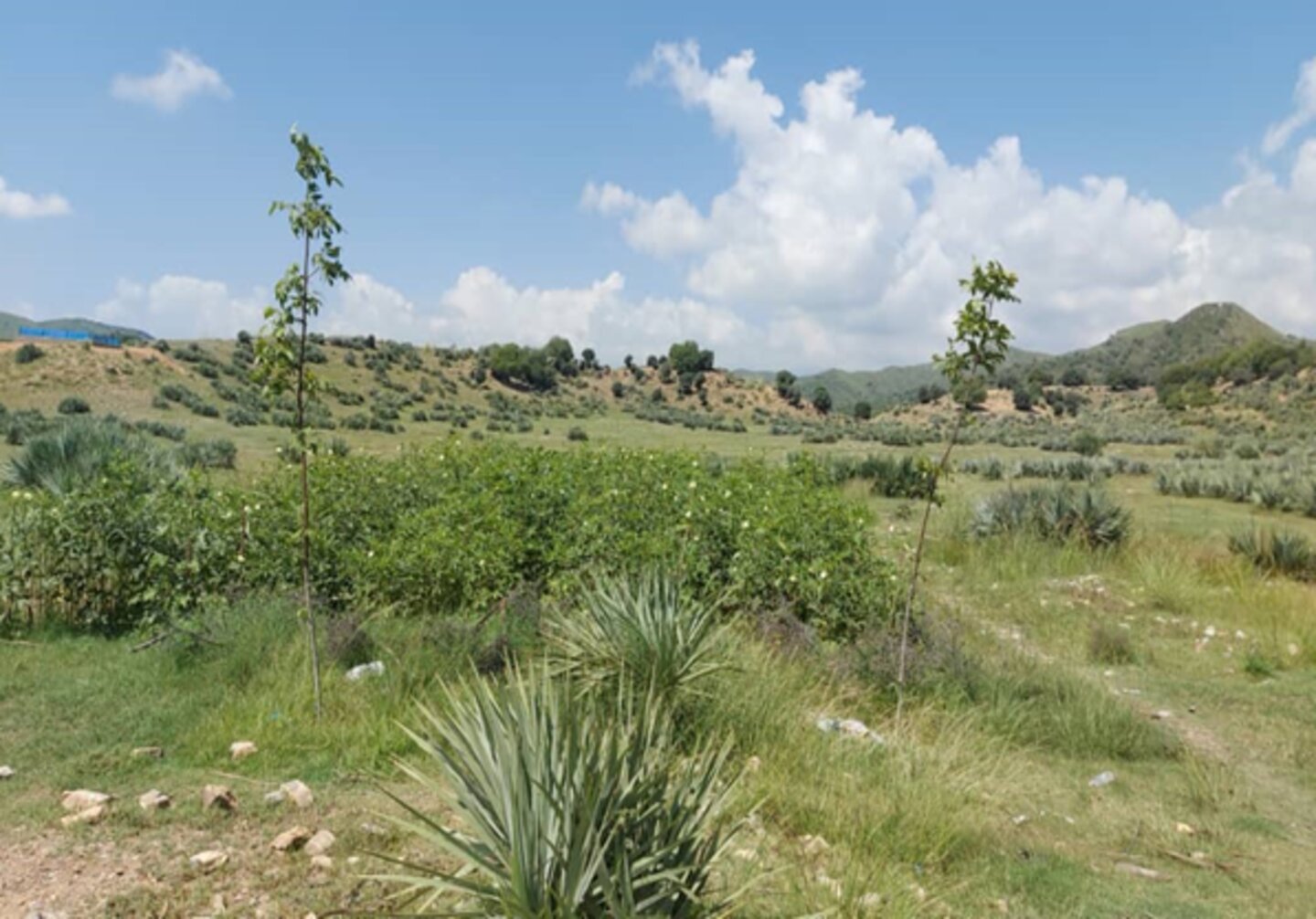
- 📍 Star Mila site, Sparkai village of Baak district- Khost- Afghanistan
- 📷 Mohammad Arif
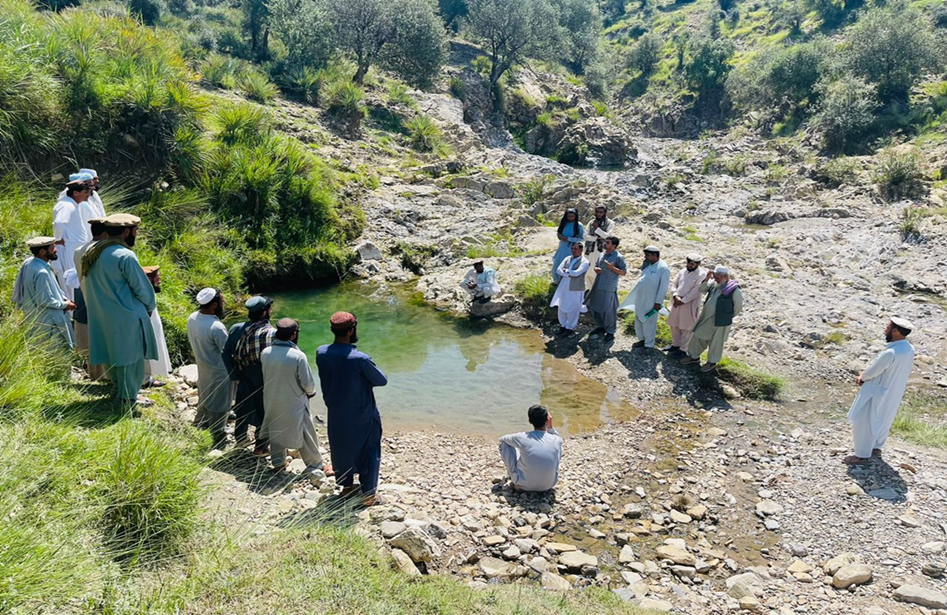
- 📍 Star Mila site, Sparkai village of Baak district- Khost - Afghanistan
- 📷 Samiullah Khalil
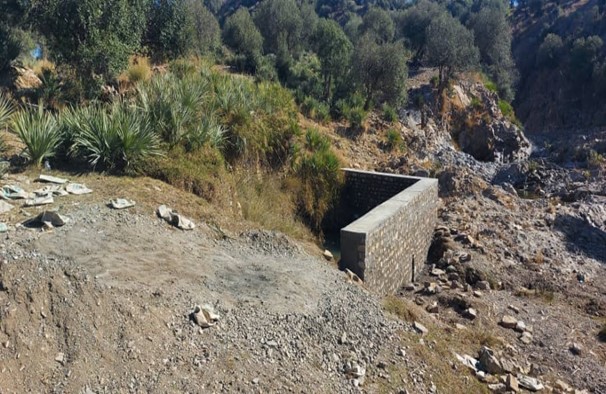
- 📍 Star Mila site, Sparkai Village of Baak district- Khost- Afghanistan.
- 🗓 2023-12-09
- 📷 Mohammad Arif
- 📍 Stara Mila Site, Sparkai village of Baak district- Khost- Afghanistan.
- 📷 Mohammad Arif
- 📍 Stara Mila site, Sparaki village of Baak district- Khost- Afghanistan
- 📷 Mohammad Arif
- 📍 Stara Mila site, Sparaki village of Baak district- Khost- Afghanistan.
- 📷 Mohammad Aslam Hasand
- 📍 Stara Mila site, Sparkai village of Baak district- Khost- Afghanistan
- 🗓 2023-11-09
- 📷 Mohammad Arif
- 📍 Stara Mila site, Sparki village of Baak district- Khost- Afghanistan
- 📷 Samiullah Khalil
- 📍 Stara Mila site, Sparkai village of Baak district- Khost-Afghanistan
- 📷 Mohammad Arif
- 📍 Stara Mila Site
- 📷 Mohammad Arif
- 📍 Stara Mila Site, Sparkai village of Baak district- Khost- Afghanistan.
- 📷 Mohammad Arif
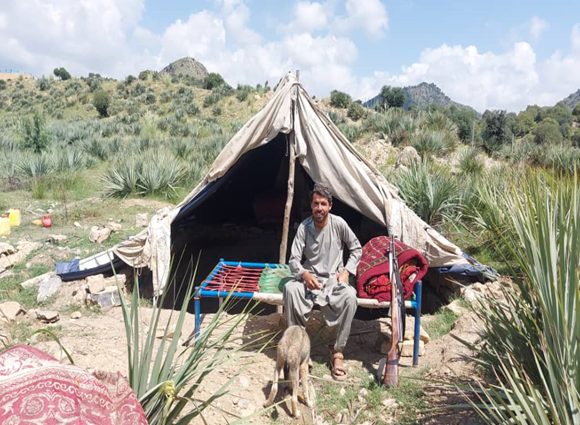
- 📍 Stara Mila site, Sprakai village of Baak district- Khost- Afghanistan.
- 📷 Mohammad Arif
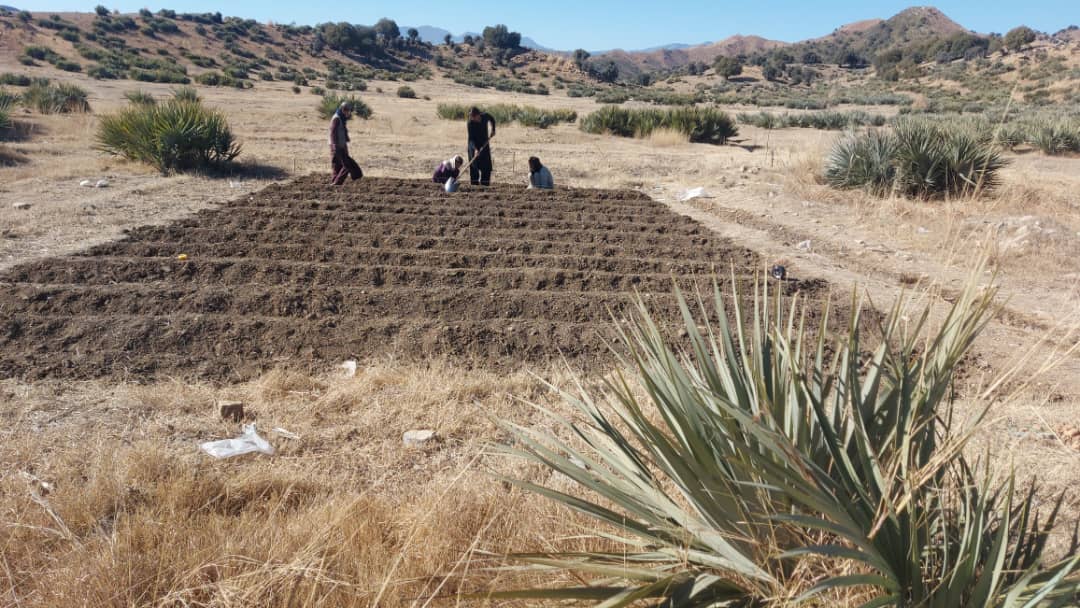
- 📍 Stara Mila, Sparkai, Baak district Khost- Afghanistan
- 📷 Samiullah khali