
Using lift irrigation for afforestation and agroforestry in Kunar
Type: Technologies
Creation: 2025-01-12 11:33 Updated: 2025-07-09 05:56
Compilers: Ahmad Khalid Wiyar
Reviewers: Rima Mekdaschi Studer, Illias Animon, Muhammad Ishaq Safi
Country/ region/ locations where the Technology has been applied and which are covered by this assessment
- Country: Afghanistan
- Region/ State/ Province: Kunar
- Further specification of location (e.g. municipality, town, etc.), if relevant: Managi village of Manogi district
- Map: View Map
Description of the SLM Technology
Short description of the Technology
Water exploitation is a major issue in Afghanistan. The lift irrigation technology helps to irrigate an afforestation/agroforestry area (demonstration plot) using surface water (rivers) and solar-powered submersible pump. The construction of reservoirs at the demo plot ensures efficient water storage and use for irrigation purposes without relying on groundwater. A well-designed pipe irrigation scheme is implemented to distribute water evenly across the site, supporting plant irrigation and growth.
Detailed description of the Technology
Water exploitation is a critical issue in Afghanistan, and the project aims to address this challenge through innovative and sustainable technology. The technology involves the use of solar panels and submersible water pumps to efficiently lift water from a nearby river to reservoirs constructed uphill, which is then distributed by gravity with the help of a pipe system to irrigate planted saplings in the afforested and agroforestry area. For afforestation, Pinus eldarica (Afghan pine) was planted due to its adaptability and soil stabilization properties. Additionally, citrus and persimmon trees are introduced for agroforestry, combining tree cultivation with agricultural benefits. This integrated technology promotes biodiversity, soil health, and sustainable land use, making the site a model/ demonstration site for afforestation and agroforestry practices. This is a significant advancement in the local area, utilizing clean energy to promote sustainable land and forest management and environmental restoration. The project is implemented on communal land, covering 50.25 hectares of land.
The primary purpose of this technology is to create an efficient irrigation system that extracts and transports water to support afforestation and agroforestry activities. By doing so, it aims to restore forest cover, mitigate environmental challenges such as land degradation, and promote long-term ecological and socio-economic sustainability. The technology includes key components such as solar panels, water pumps (submersible), polyvinyl chloride (PVC) pipes, water reservoirs, and saplings. Additionally, it requires labor, technical assistance, capacity-building programs, and construction materials for its establishment and maintenance.
The benefits of this technology are substantial. It has successfully irrigated previously barren land, achieving an impressive 85% survival rate for the saplings that were planted in the plot, while preventing land degradation and improving soil health. Without this technology, survival rates would drop to zero due to the arid conditions. Furthermore, the project has enhanced the capacities of local farmers/community members, enabling them to replicate and demonstrate the technology within their community. This has fostered a sense of ownership and empowerment among land users.
Land users have expressed both appreciation and concerns regarding the technology. On the positive side, they value its efficiency and reliability, as the solar panels provide a consistent water supply, especially during the hot/sunny season, leading to increased greenery and healthier trees. The cost-effectiveness of solar energy, with its low operational costs compared to traditional diesel pumps, has also been a significant advantage. Additionally, the environmentally friendly nature of the technology aligns with their desire for sustainable practices. The capacity-building programs provided by organizations like FAO have further empowered users to manage the system effectively.
However, some challenges have been noted. The initial investment costs for purchasing, installing and construction of the technology are high, making it difficult for smallholder farmers to replicate. Technical issues, such as inverter failures or battery malfunctions during extreme weather conditions (e.g., cloudy weather), can disrupt operations. Additionally, not all community members are equally informed about the technology’s benefits, highlighting the need for increased outreach and engagement efforts to ensure broader adoption and understanding.
In summary, this solar-powered irrigation technology represents a groundbreaking innovation in the area, combining clean energy with sustainable land management practices. While it has demonstrated significant environmental and agricultural benefits, addressing the challenges of initial costs, technical reliability, and community engagement will be crucial for its long-term success and scalability.
Photos of the Technology
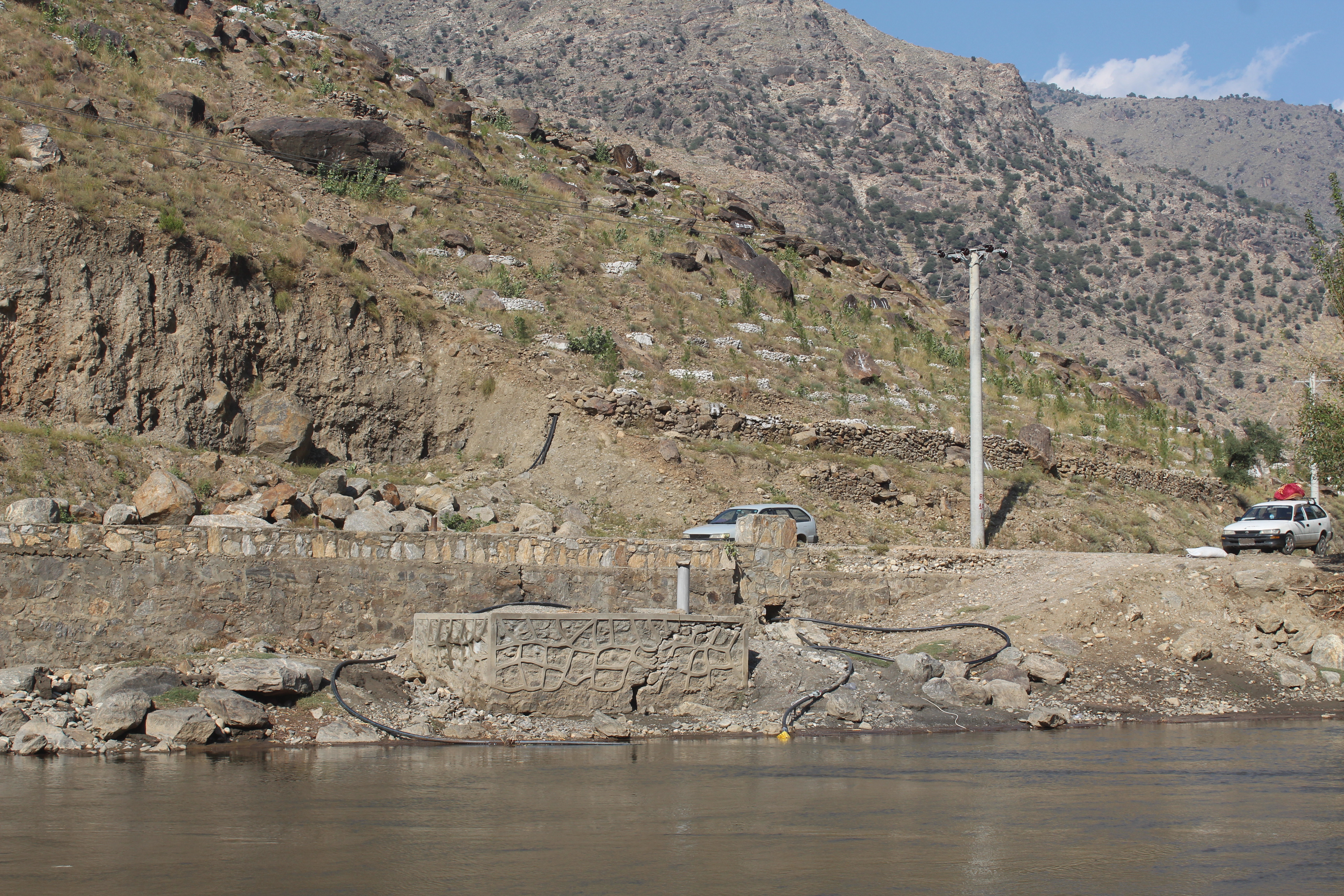
- 📍 Managi Demo Plot site, Managi FMA, Manogi district of Kunar, Afghanistan
- 📷 Farhad Safi
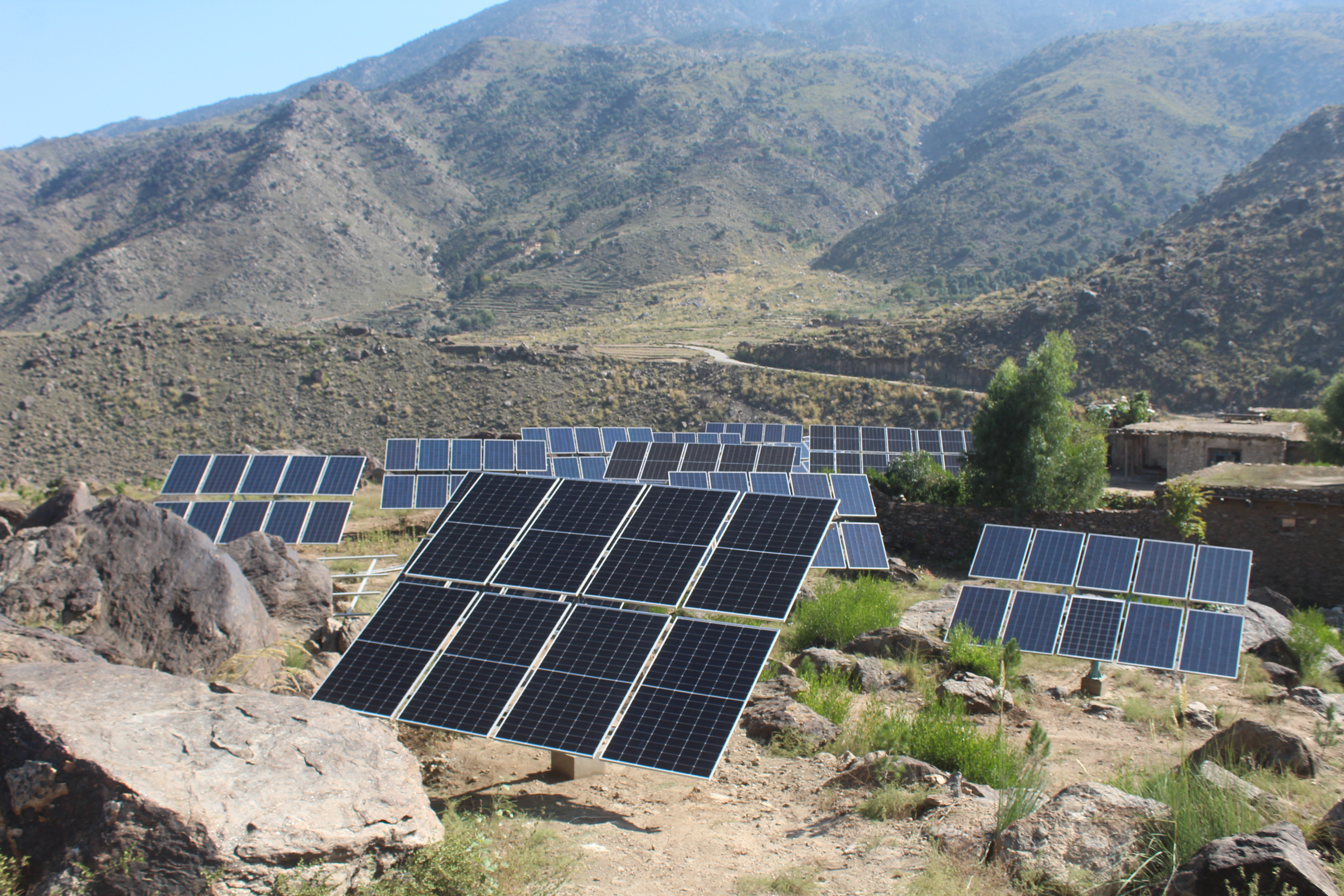
- 📍 Managi Demo Plot site, Managi FMA, Manogi district of Kunar, Afghanistan
- 📷 Farhad Safi
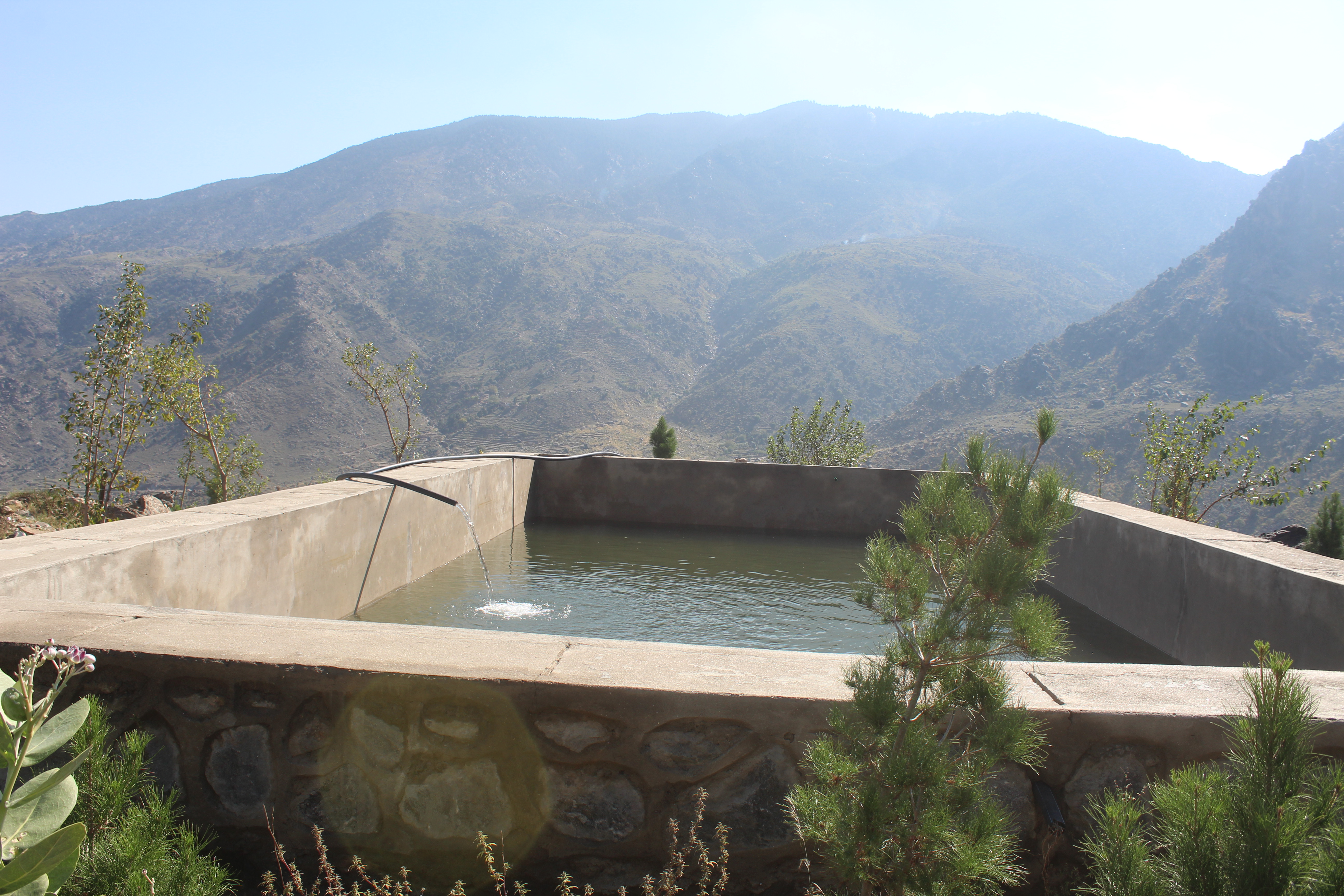
- 📍 Managi Demo Plot site, Managi FMA, Manogi district of Kunar, Afghanistan
- 📷 Farhad Safi
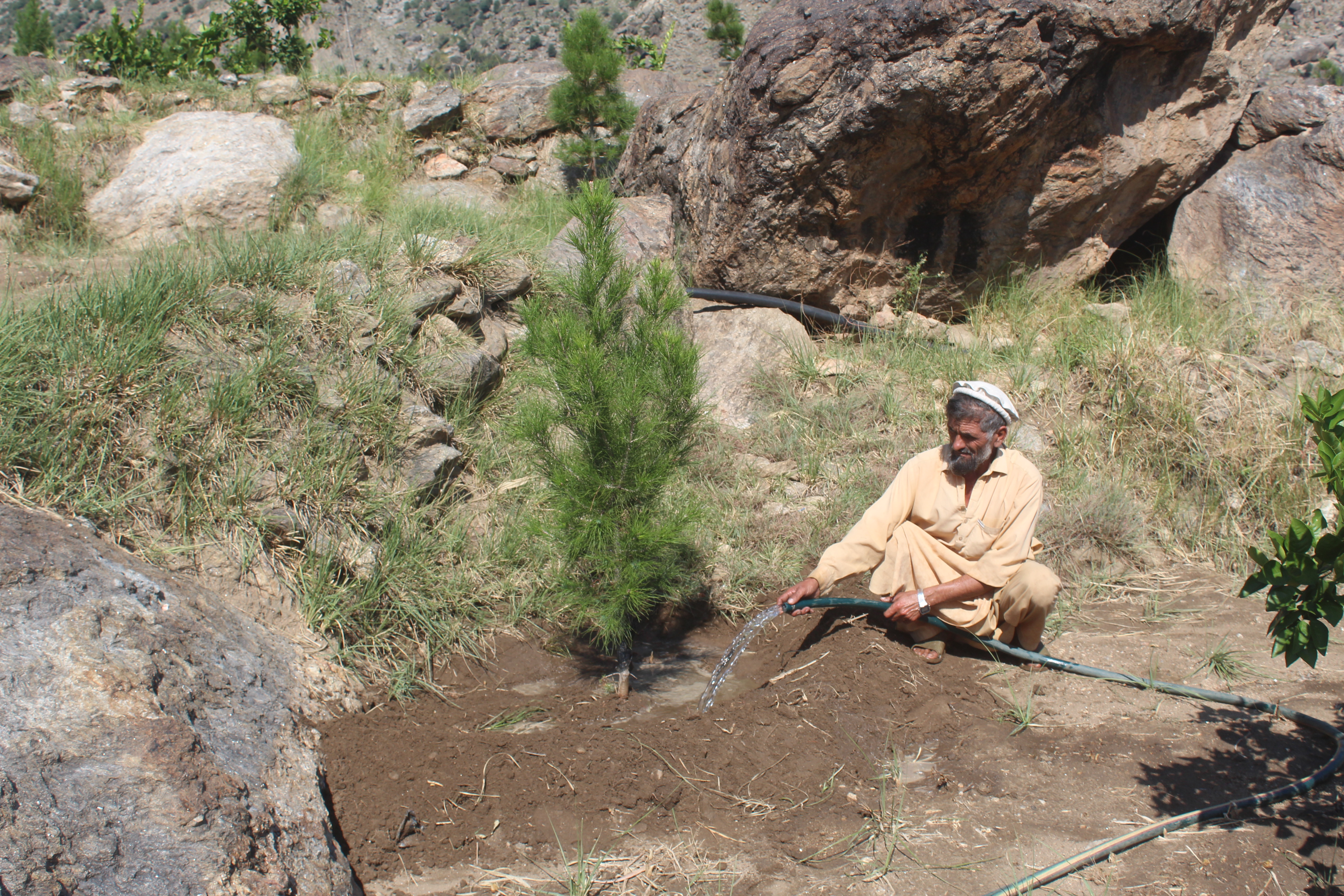
- 📍 Managi Demo Plot site, Managi FMA, Manogi district of Kunar, Afghanistan
- 📷 Farhad Safi
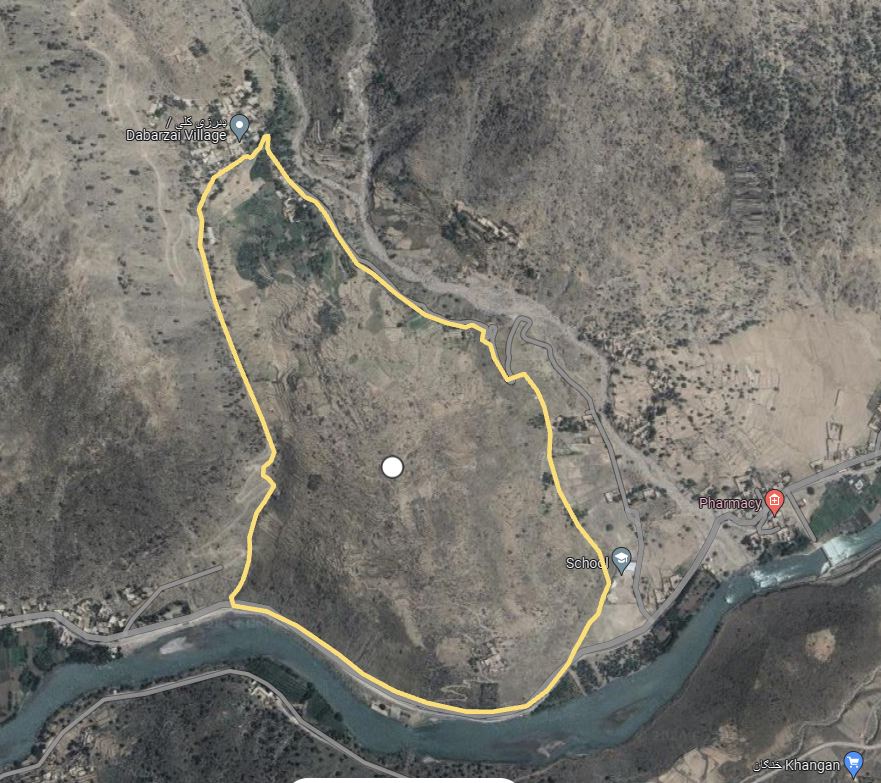
- 📍 Managi Demo Plot site, Managi FMA, Manogi district of Kunar, Afghanistan
- 📷 Sayed Omar Dost