
Controlled Grazing
Type: Technologies
Creation: 2025-06-26 10:29 Updated: 2025-12-31 10:59
Compilers: Nicholas Euan Sharpe
Reviewers: William Critchley, Rima Mekdaschi Studer
Country/ region/ locations where the Technology has been applied and which are covered by this assessment
- Country: Georgia
- Region/ State/ Province: Dmanisi, Gurjaani and Kazbegi Municipalities
- Further specification of location (e.g. municipality, town, etc.), if relevant: Villages of Ganakleba & Naniani, Sno
- Map: View Map
Description of the SLM Technology
Short description of the Technology
“Controlled Grazing” seeks to harness the behaviours and habits of ruminant livestock to enhance three key ecological functions, namely the removal of plant biomass (grazing), soil and vegetation disturbance (animal impact) and increased nutrient cycling (dung and urine), with the goal of increasing perennial grass establishment, pasture palatability and reducing bare ground and erosion.
Detailed description of the Technology
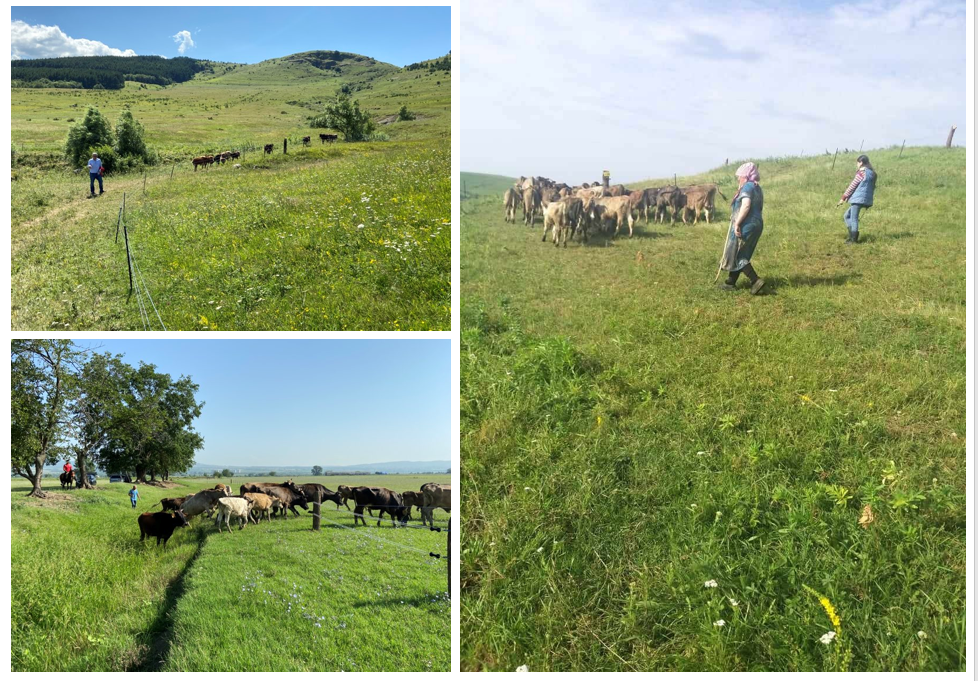
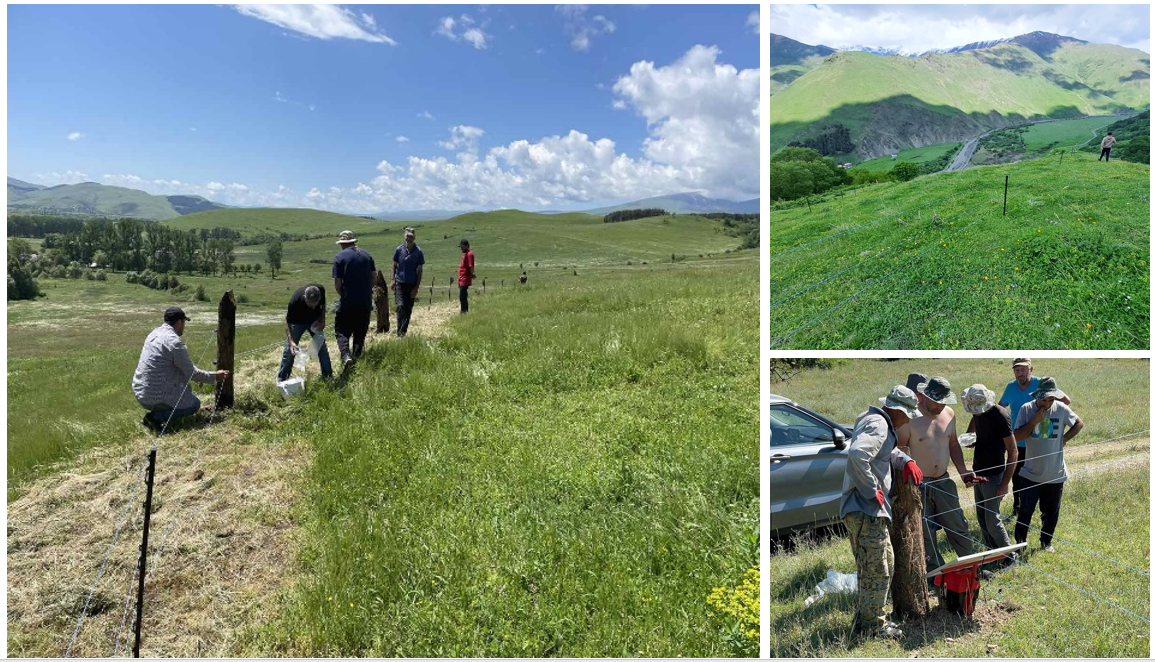
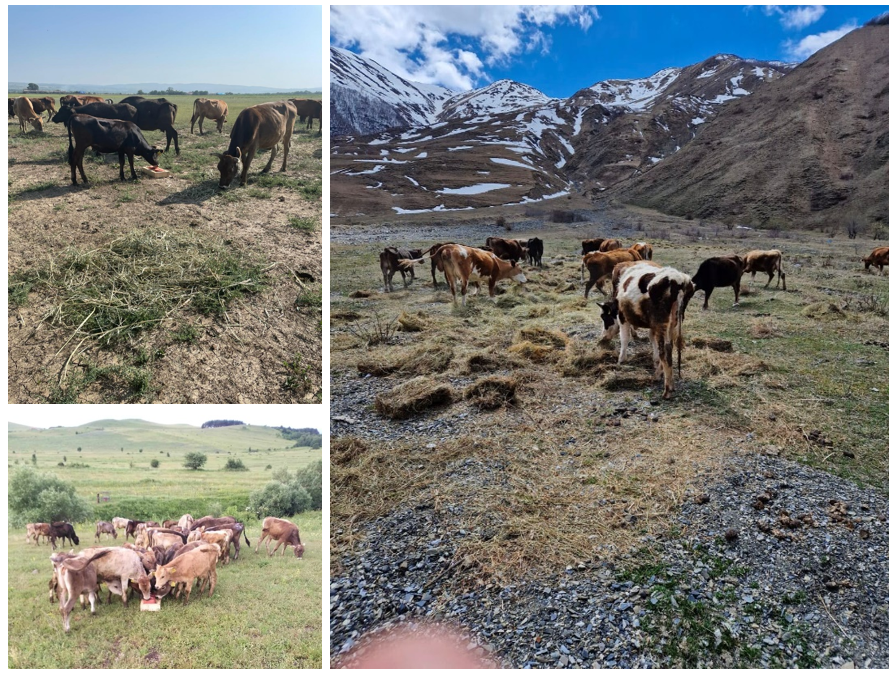
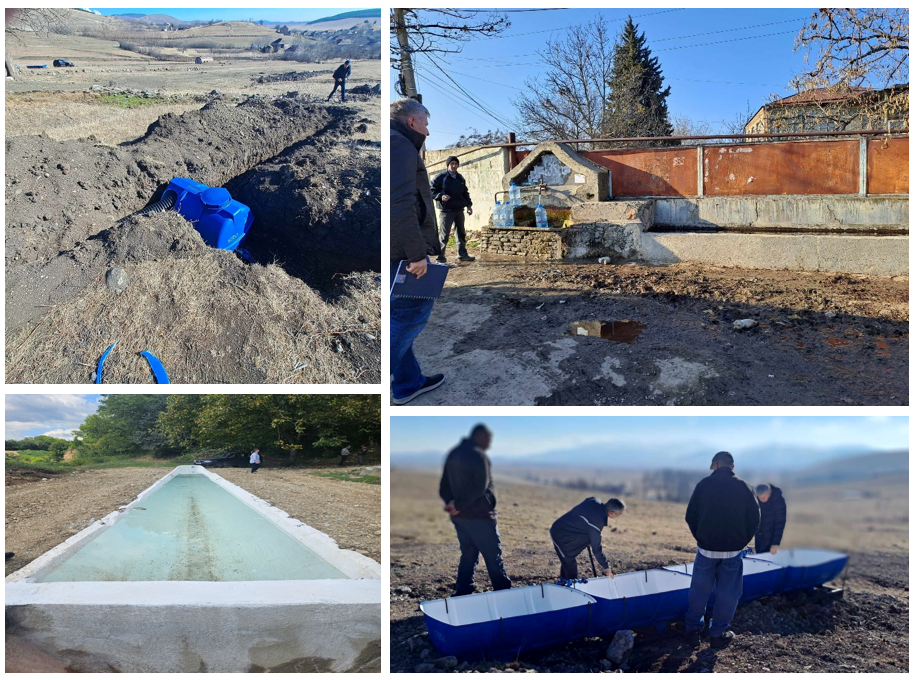
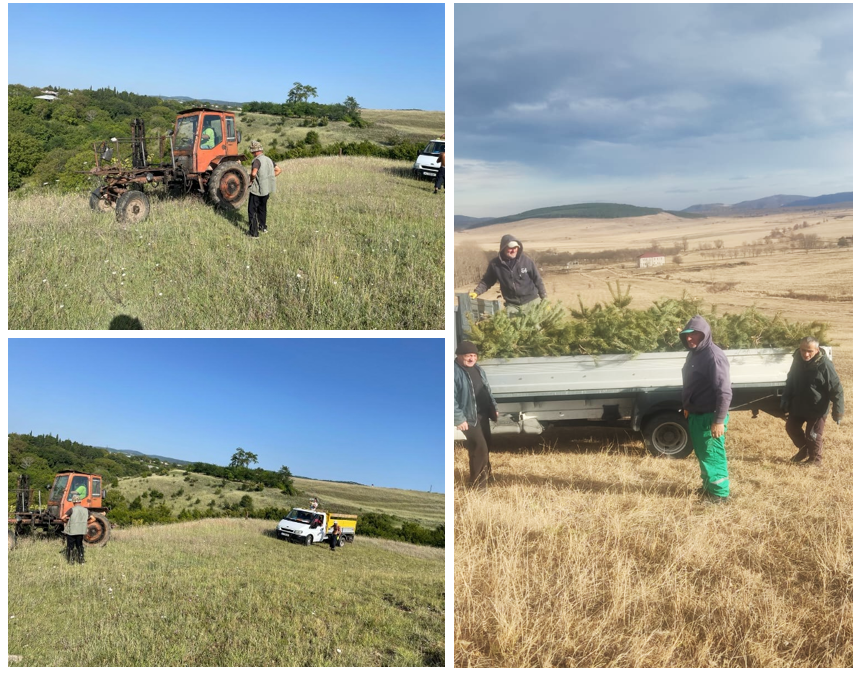
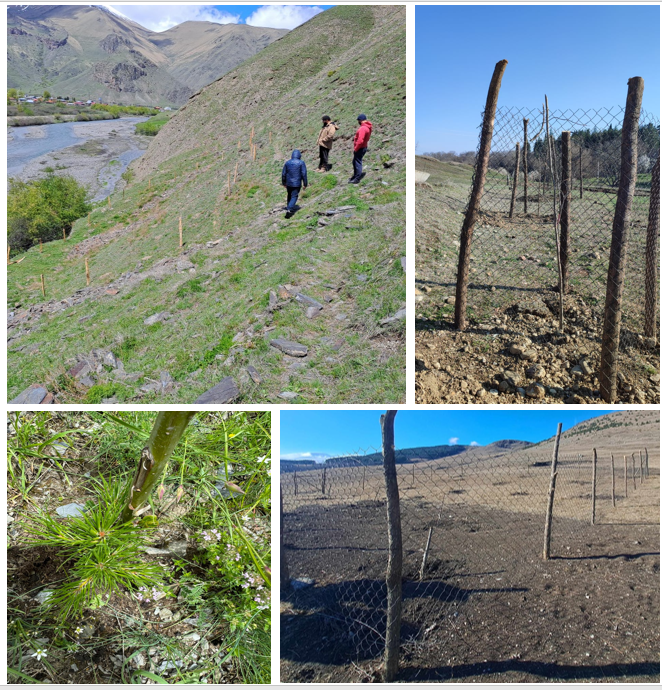
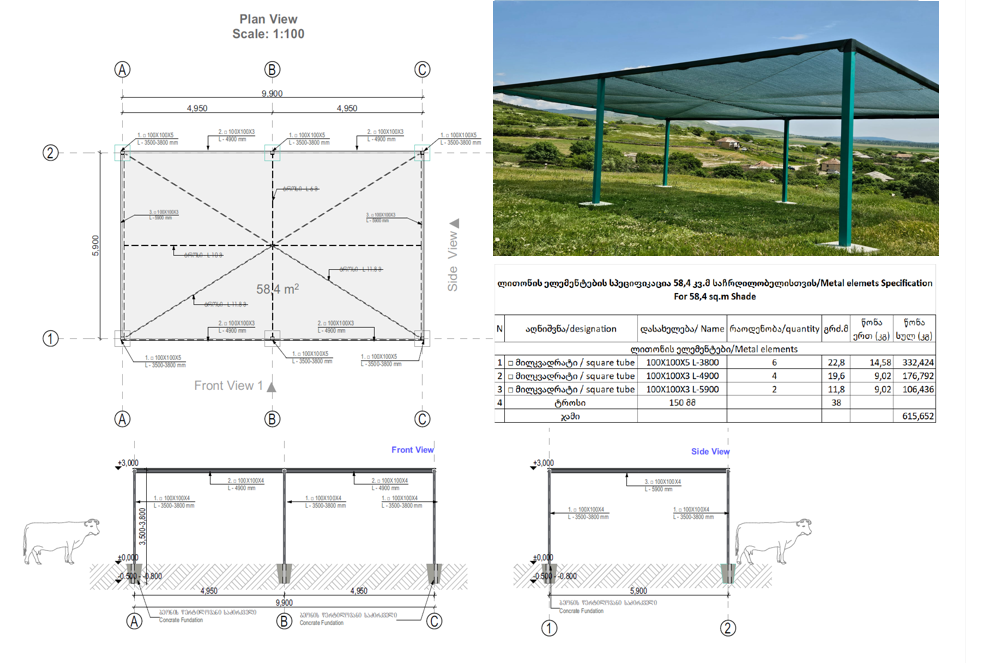
“Controlled Grazing” (CG) was developed and then implemented in three municipalities on a total of 564 ha of pastureland. With support from local land users, pasture areas within the three pilot sites were divided into paddocks of roughly 1 to 10 ha in size; an overall stocking rate of 1.9 ha per standard animal unit (SAU) and a maximum capacity of 400 SAU were used for infrastructure design. To optimise control of grazing rest/recovery times and intensities, complementary project interventions included fencing, water point development, agroforestry, installation of shade structures and use of hay and salt/mineral licks, as well as capacity building among herders. Electric fences were chosen over other fencing options or herding due to cost and ease of maintenance; the system was based on constructing permanent end-post and gate structures and then installing 2 to 3 strands of electrified wire at the beginning of the grazing season, and removing and storing equipment at the end of the grazing season. Water storage installations were designed to provide reliable sources of water in sufficient quantities to meet peak stocking capacity (400 SAU); design of the water trough and delivery systems sought mobility within the paddock space to reduce trampling and soil compaction around water points. Shade structures complemented the agroforestry additions, provided shading options to livestock while the trees were young. "Attractants" (hay, salt licks etc.) also proved highly efficient at concentrating animal impact on specific sites, especially areas of salt scald and bare ground.
Grazing planning used recovery times based on actual seasonal growth rates. The first grazing plans were developed with support from project experts, but management was transferred early in the process to local herders. The project conducted field-based monitoring of pasture health and soil conditions from 2019 to 2025, structured through the PRAGA field data survey sheets (see the PRAGA approach in the WOCAT database). These findings were analysed through a project-developed analysis worksheet with land users to determine how management practices were impacting the pasture and soil surface.
The project "Achieving Land Degradation Neutrality Targets of Georgia through Restoration and Sustainable Management of Degraded Pasturelands" (GCP/GEO/006/GFF) was responsible for the initial investment of USD 120,800, or approximately USD 215 per ha, to develop the livestock infrastructure. Local land users are expected to cover the estimated annual maintenance costs of USD 900. The pilot pastures have traditionally been used by livestock owners for dairy cows and smallstock; these pastures were transferred to municipalities for a lease period of 15 years through project support.
CG shares conceptual links with other regenerative grazing models (see references at the end of the document) and reframes ruminant herbivores as ecological tools facilitating grassland function and biodiversity. In this particular case, local reactions were overwhelmingly positive, resulting in new professionals entering the livestock sector and tangible improvements in forage quality, pasture productivity and livestock performance. A better understanding of pasture management and planning has reduced conflict and adoption has allowed communities as a whole to reflect on land management, herd genetics, economic viability and the role of livestock in the landscape. CG has also played a pivotal role in securing formal recognition and rights for land users, and leverages a resource and technology that are already widely available in Georgia’s rural communities. Controlled Grazing offers a grounded, regenerative technology that can revitalise grassland productivity and ecological function.
Photos of the Technology
- 📷 Regional Environmental Centre for the Caucasus (REC Caucasus)
- 📷 Regional Environmental Centre for the Caucasus (REC Caucasus)
- 📷 Regional Environmental Centre for the Caucasus (REC Caucasus)
- 📷 Regional Environmental Centre for the Caucasus (REC Caucasus)
- 📷 Regional Environmental Centre for the Caucasus (REC Caucasus)
- 📷 Regional Environmental Centre for the Caucasus (REC Caucasus)
- 📷 Regional Environmental Centre for the Caucasus (REC Caucasus)